Ayodhya: CM Yogi Adityanath Offers Prayers at Ram Janmabhoomi Temple on Diwali 2026
Quick answer: On the auspicious morning of Diwali, Sunday 8 November 2026, Uttar Pradesh Chief Minister Yogi Adityanath offered heartfelt prayers and performed aarti of Shri Ram Lalla at the Shri Ram Janmabhoomi Temple in Ayodhya.
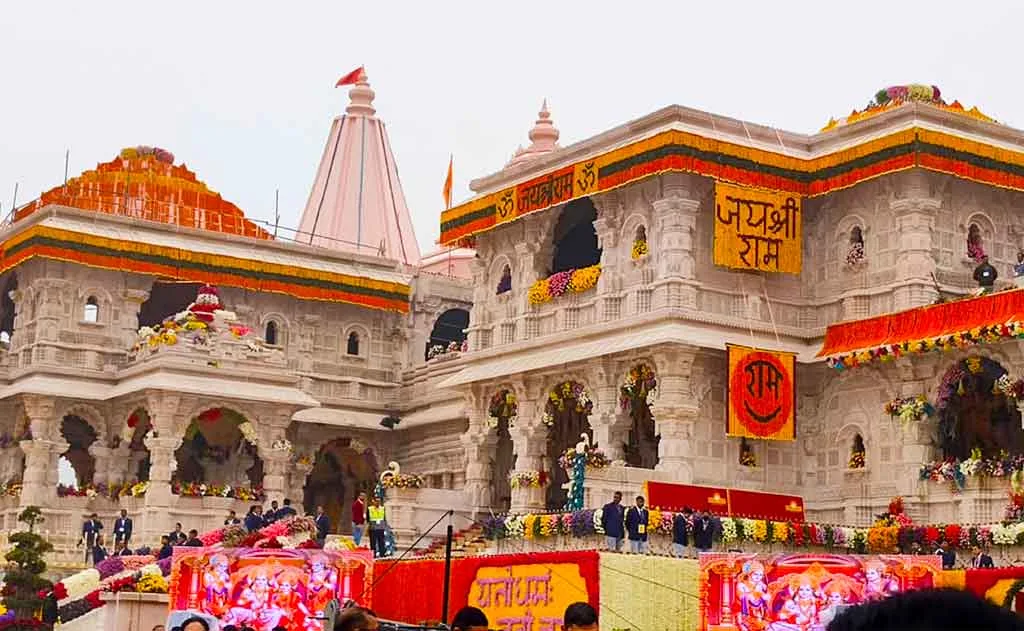
Quick answer: On the auspicious morning of Diwali, Sunday 8 November 2026, Uttar Pradesh Chief Minister Yogi Adityanath offered heartfelt prayers and performed aarti of Shri Ram Lalla at the Shri Ram Janmabhoomi Temple in Ayodhya. Before reaching the main temple, he had darshan-pujan at the sacred Hanumangarhi Temple. The visit took place just one day after the spectacular 10th Deepotsav, during which more than 30 lakh earthen lamps illuminated 56 ghats along the Saryu river.
A Divine Start to Diwali in the Holy City of Ayodhya
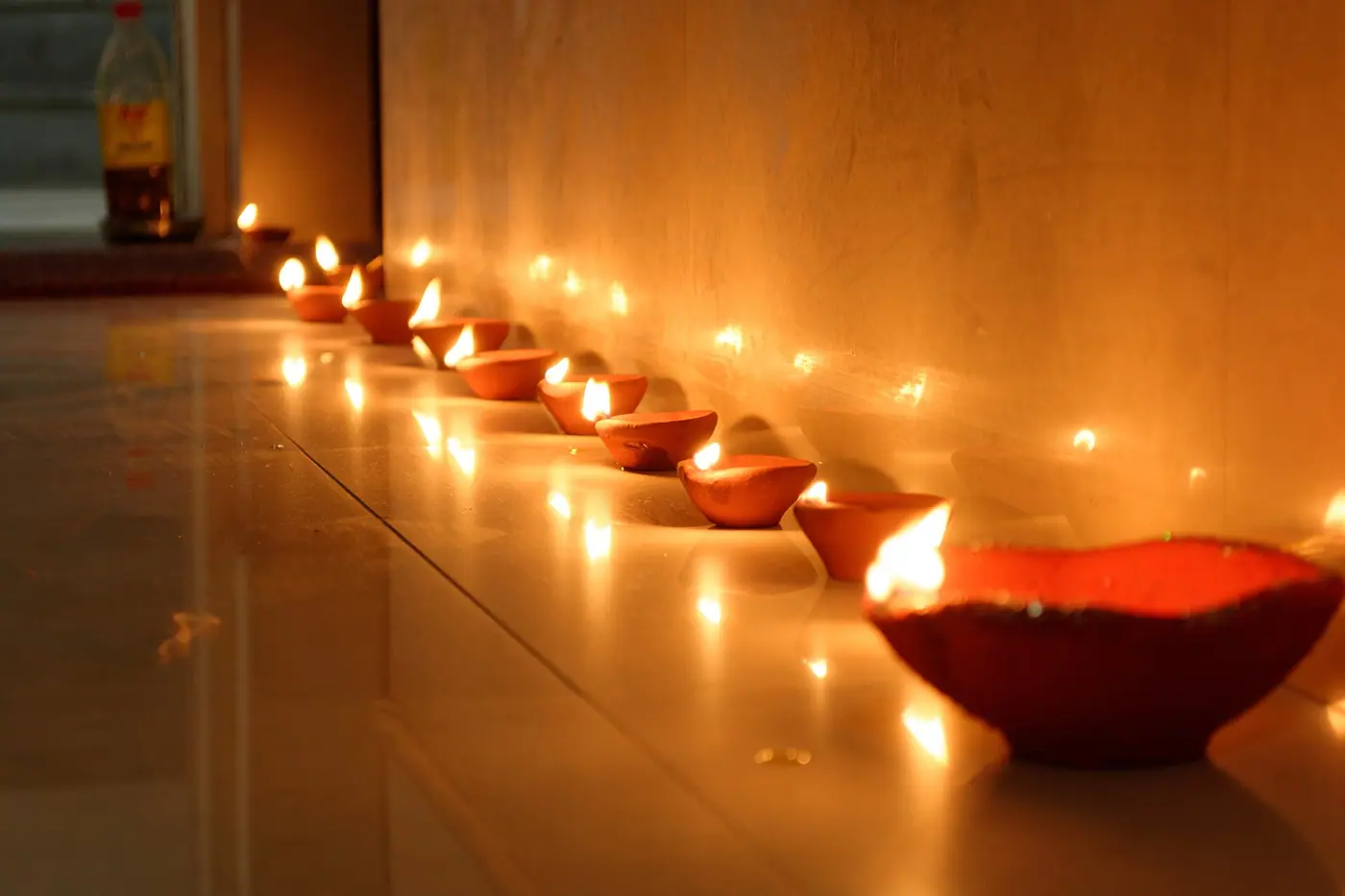
Ayodhya awoke on Diwali morning wrapped in a blanket of devotion. The air carried the fragrance of incense and fresh flowers, the sound of temple bells mixed with the distant chanting of Ram Naam, and thousands of diyas still glowed from the previous night’s Deepotsav. In this sacred atmosphere, Chief Minister Yogi Adityanath began his day with pure bhakti.
His first stop was the revered Hanumangarhi Temple, the fortress-like shrine dedicated to Sankatmochan Hanuman Ji that watches over Ayodhya. There, the Chief Minister offered prayers with folded hands, received blessings from the saints of the temple, and accepted a garland and prasad. The saints placed a tilak on his forehead and presented him with a framed picture of Hanuman Ji. With the traditional greeting of “Jai Shri Ram” and “Jai Bajrangbali”, he proceeded towards the Ram Janmabhoomi Temple.
Inside the magnificent Shri Ram Janmabhoomi Temple, the atmosphere was serene yet charged with spiritual energy. The Chief Minister entered the sanctum sanctorum and stood before Shri Ram Lalla Virajman. With deep reverence, he offered flowers, performed aarti, and paid his respectful obeisance. The soft light of oil lamps flickered on the beautiful murti of Ram Lalla, while the temple priests chanted Vedic mantras. The sacred words “Siyavar Ramchandra Ki Jai” and “Pawanasut Hanuman Ki Jai” filled the air as the aarti concluded.
This quiet yet powerful act of devotion by the Chief Minister on Diwali morning carried special meaning for devotees across the country. It was not merely an official visit; it was a personal expression of faith at the very birthplace of Lord Ram on the most luminous festival of the year.
The Grand Backdrop: 10th Deepotsav on 7 November
The Diwali morning darshan came immediately after the historic 10th Deepotsav held on the evening of 7 November 2026. That night, Ayodhya created a breathtaking spectacle. Over 30 lakh earthen diyas were lit across 56 ghats of the sacred Saryu river. Drone shows painted the sky, cultural performances brought scenes from the Ramayana to life, and flower petals rained down on devotees. The entire city glowed like a constellation of stars reflected on the river.
During the Deepotsav celebrations at Ram Katha Park, CM Yogi Adityanath had already offered prayers to Lord Ram and Goddess Janaki and performed aarti. Addressing the gathering of saints, devotees and dignitaries, he recalled the long journey of Ayodhya. He spoke about the initial criticism that Deepotsav faced in its early years and how people had once urged him to focus only on building the temple. Looking at the completed Ram Temple standing tall, he said the resolve of millions had finally been fulfilled.
He also remembered the 500-year period of struggle, the sacrifices of kar sevaks, and the patient efforts of saints who never gave up the dream of seeing Ram Lalla reinstated at His birthplace. Under the leadership of Prime Minister Narendra Modi, he noted, that dream had become reality, and Ayodhya was once again reclaiming the glory of the Treta Yuga.
Words of Faith and Cultural Pride
On Diwali morning itself, after offering prayers at the Ram Temple, the Chief Minister shared a profound reflection. He observed that the new Ayodhya no longer carries the mindset or symbols of colonial subjugation. Instead, every street, every ghat and every temple now reflects the boundless grace of Lord Ram and the unwavering devotion of Ram bhakts. The city, he said, truly reminds one of the Treta Yuga.
These words resonated deeply with devotees. For many, they captured the emotional journey of a civilisation that waited centuries to see its most cherished symbol restored with dignity and grandeur.
Spiritual Meaning for Millions of Devotees
When a leader of Yogi Adityanath’s stature begins Diwali with darshan at Hanumangarhi and aarti at Ram Janmabhoomi, it sends a powerful message. It tells ordinary devotees that true strength lies in humility before the Divine. It reminds the nation that governance and faith need not stand apart; they can walk together in service of dharma and cultural pride.
The Ram Janmabhoomi Temple, consecrated on 22 January 2024, has become far more than a place of worship. It is a living centre of Sanatan values, a symbol of patience, sacrifice and ultimate victory of faith. Every aarti performed here, whether by a common pilgrim or by the Chief Minister, adds another layer of devotion to this sacred space.
For families celebrating Diwali at home, the image of CM Yogi standing with folded hands before Ram Lalla becomes an inspiration. It encourages them to light their own diyas with greater sincerity, to chant the Ram Naam with deeper feeling, and to remember that the light of Diwali is not only physical but also the light of dharma that drives away darkness from the heart.
How Devotees Can Participate from Home
Even if one cannot be physically present in Ayodhya, the spirit of this sacred visit can be shared:
- Light a diya or series of diyas in your home and courtyard while remembering the aarti performed at Ram Janmabhoomi.
- Offer a simple prayer or chant “Shri Ram Jai Ram Jai Jai Ram” for a few minutes.
- Read a few verses from the Ramayana or listen to the Hanuman Chalisa with family.
- Share the message of Deepotsav with neighbours and encourage collective lighting of lamps.
- If possible, plan a pilgrimage to Ayodhya in the coming months to experience the living energy of the temple.
Closing Reflection
On this Diwali of 2026, when millions of lamps are glowing across India, the quiet act of a Chief Minister offering prayers at the birthplace of Lord Ram stands out as a moment of pure devotion. It connects the personal with the national, the individual heart with the collective soul of a civilisation.
May the blessings of Shri Ram Lalla and Mata Janaki reach every home. May the light of this Diwali remove every darkness of doubt, fear and division, and may the spirit of Ayodhya continue to inspire generations.
Jai Shri Ram! Jai Bajrangbali!
Related: Ayodhya Deepotsav 2026: over 30 lakh diyas light up Ram Ki Paidi, History of Ayodhya Deepotsav and Lakshmi Puja muhurat 2026, city-wise.
Share this with family and friends
Send it on WhatsApp, post it, or copy the link.
More from News
- Hinduphobia at Seattle Diwali: Activists Storm Celebration with “Deport All Dot Heads” Signs
- Surat Businessman Ramswaroop Munde Gives Over ₹1 Lakh Diwali Bonus to Each of 20 Staff on Puja Platters – A Heartwarming Example of Dharma in Action
- Thiruparankundram Karthigai Deepam Case 2026: Madras High Court, Supreme Court and the Deepathoon Dispute Explained
- Ramayana (2026) vs Adipurush (2023): Ranbir Kapoor’s Epic vs Prabhas’ Film – VFX, Cast, Tone and Cultural Impact Compared
- Indian American Voters 2026 – Political Trends, Representation and the Future of the Hindu Diaspora
You might also like
Ayodhya Shines Bright: Over 30 Lakh Diyas Illuminate Ram Ki Paidi at 10th Deepotsav
Happy Diwali 2026 to Hindus Worldwide: HinduTone Wishes You Happiness, Prosperity, Peace and Divine Blessings

Special Bhasma Aarti at Mahakaleshwar, Ujjain on Diwali 2026: Ubtan Snan, Two Annakoot Offerings and One Sparkler