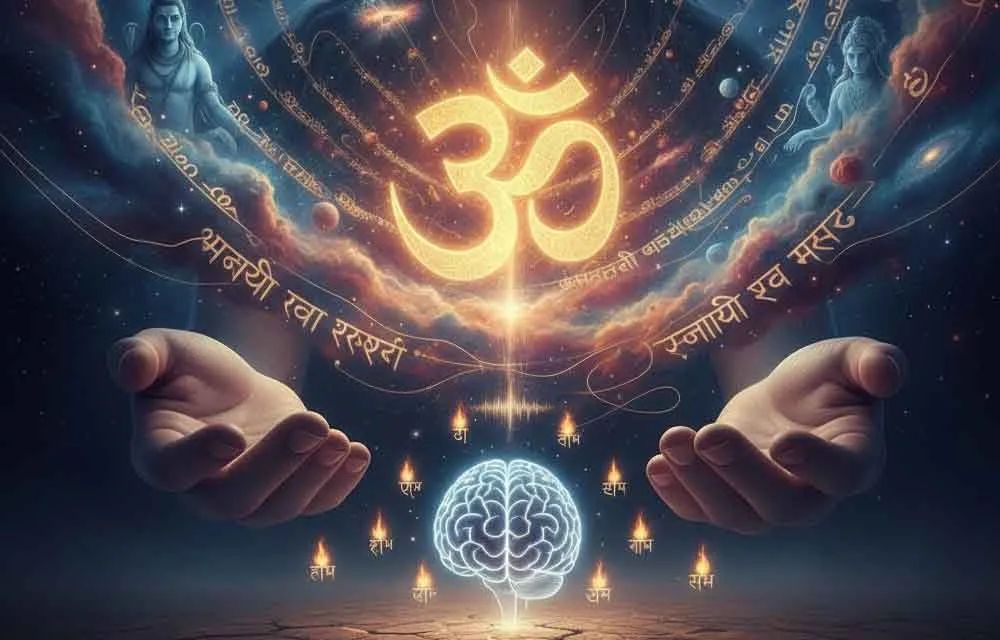
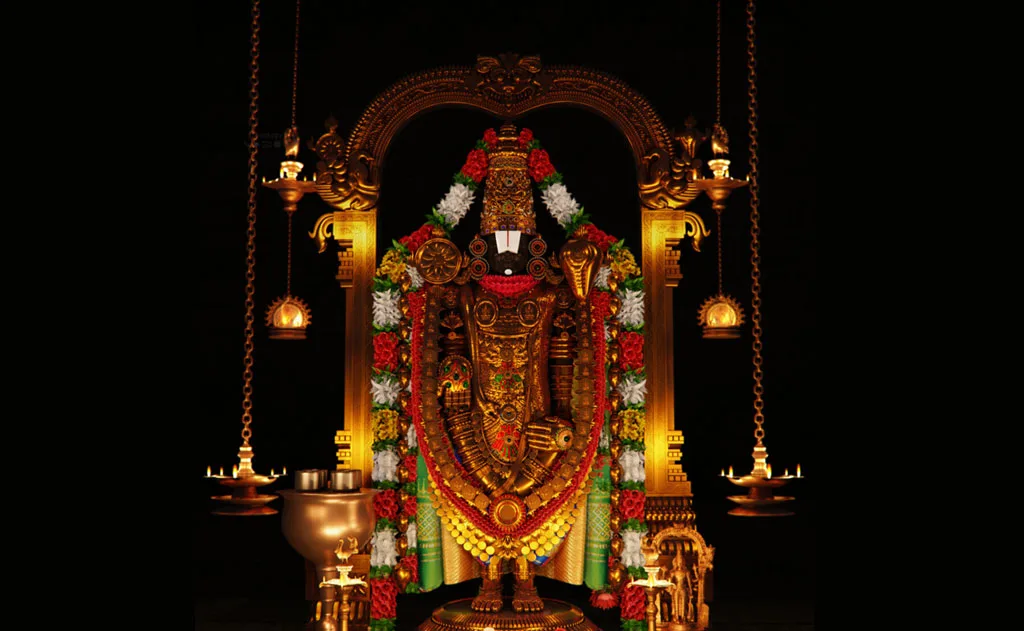
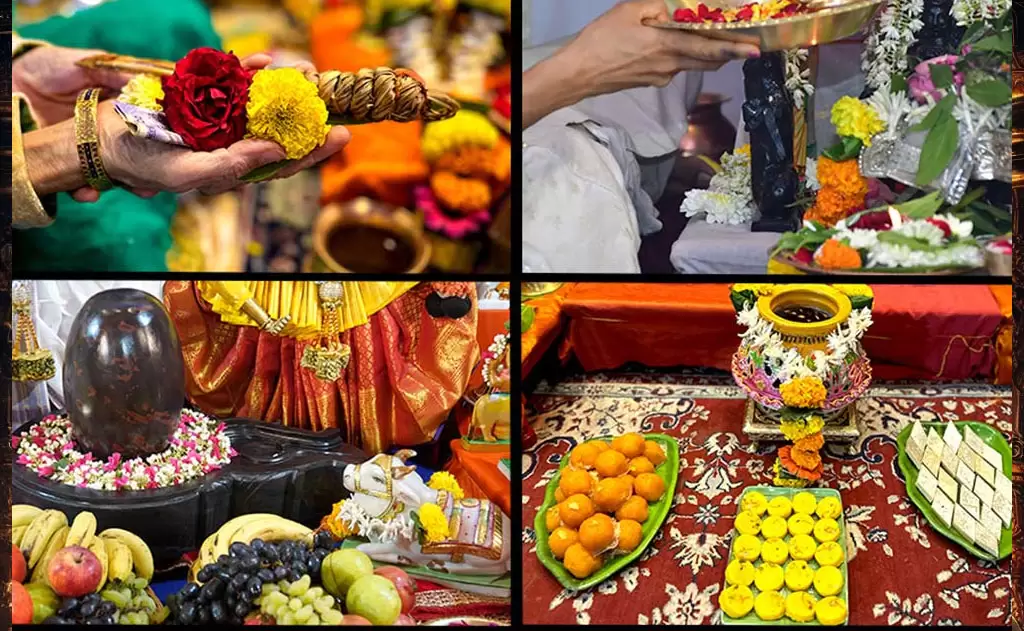
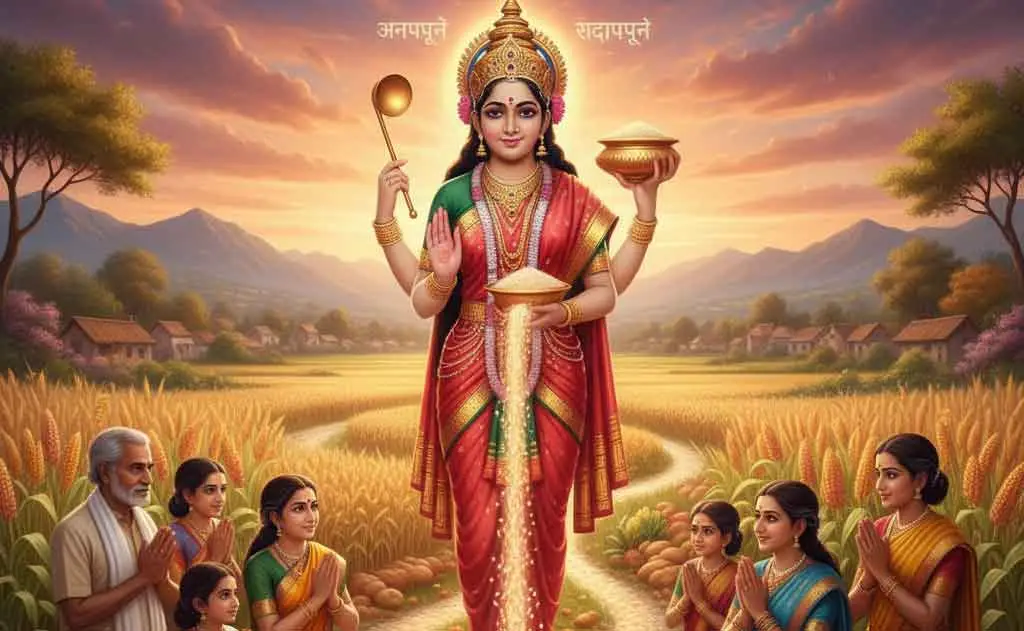
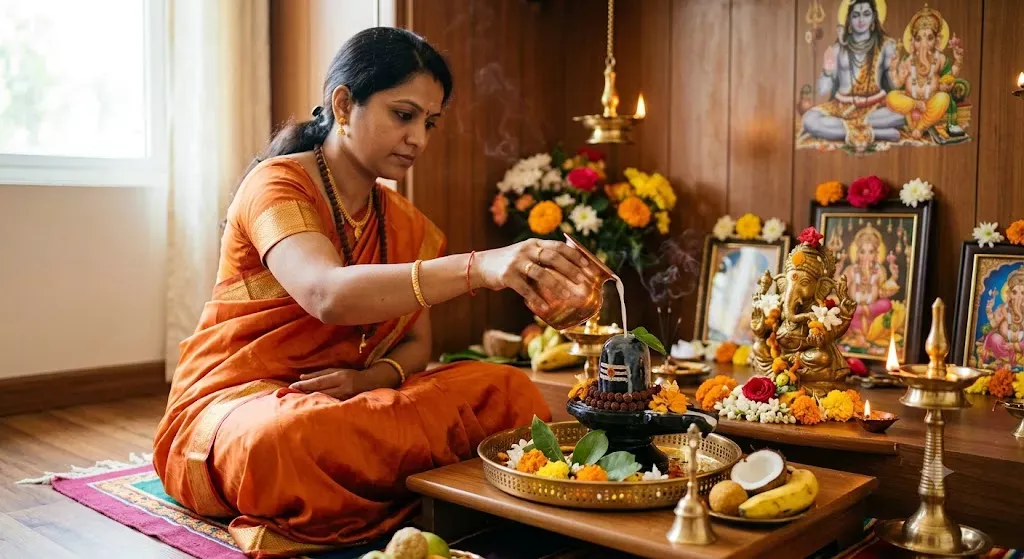
Mantra is the heart of Sanatana Dharma's spiritual practice — sacred sound that purifies the chanter, attracts the deity invoked, and aligns the inner Self with cosmic order. From the Vedic Gayatri Mantra revealed to Rishi Vishvamitra to the Mahamrityunjaya for Lord Shiva, the Vishnu Sahasranama, the Lalita Sahasranama, the Hanuman Chalisa of Tulsidas, the 108 names of every major deity, and the countless slokas that open every Hindu ritual — chanted sound is how India has transmitted dharma across millennia. HinduTone's Mantras & Slokas hub gathers the full corpus with Sanskrit text, transliteration, line-by-line meaning, traditional chanting count and the spiritual benefits each mantra is said to confer. Read the Gayatri's 24 syllables and why it's chanted three times daily at Sandhya time; the Mahamrityunjaya's role as the supreme healing mantra; the Hanuman Chalisa's 40 verses and the Hanuman Bahuk's 44 verses; the Sri Suktam for Lakshmi's grace; the Saraswathi Vandana sloka recited before every study session; the Ganapati Atharvashirsha for new beginnings. We also cover daily pooja vidhi — the sequence of avahanam (invocation), shodashopachara (16-step worship), naivedyam (offering) and visarjanam (closing) that every traditional puja follows. Mantra japa rules (mala count, direction, time of day, posture), the difference between Beeja, Mula and Sthotra mantras, and which mantras are best for specific life needs (career success, child health, marriage, peace) round out the practice library. Browse all mantras and pooja guides below.
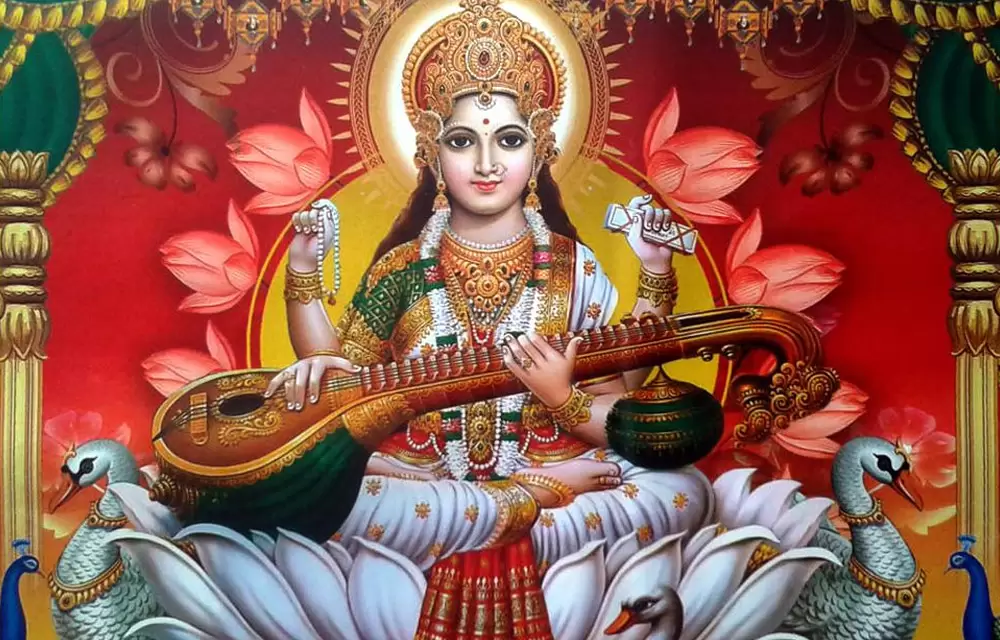
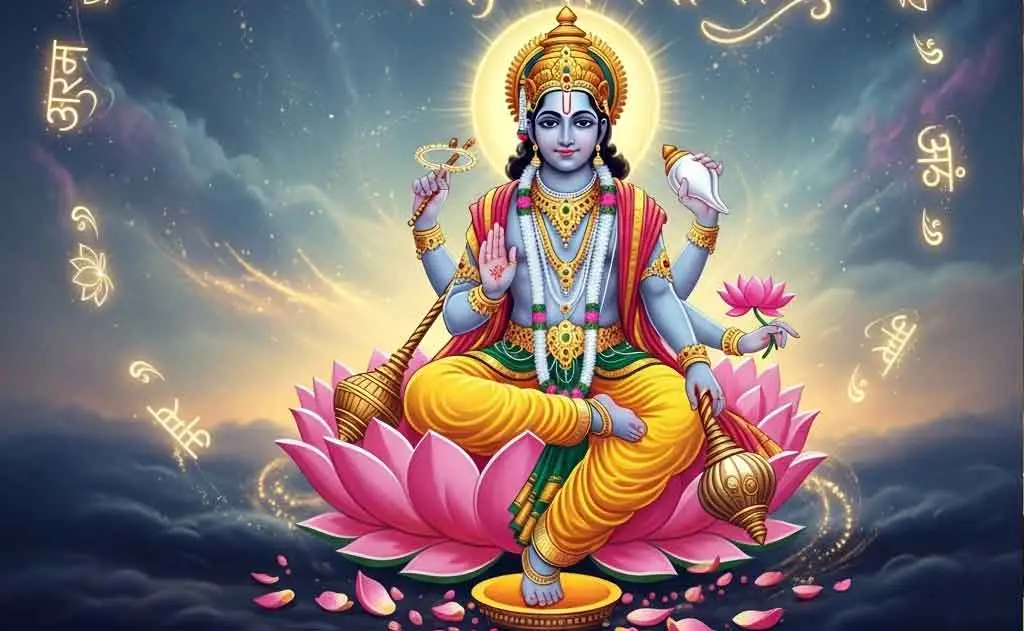
The Gayatri Mantra is considered the supreme mantra of the Vedas — chanted at Sandhya time (dawn, noon, dusk). Other primary mantras: Om Namah Shivaya for Shiva, Om Namo Narayanaya for Vishnu, Om Aim Saraswathyai Namah for Saraswathi. The "right" mantra is the one your guru gives you or your tradition prescribes.
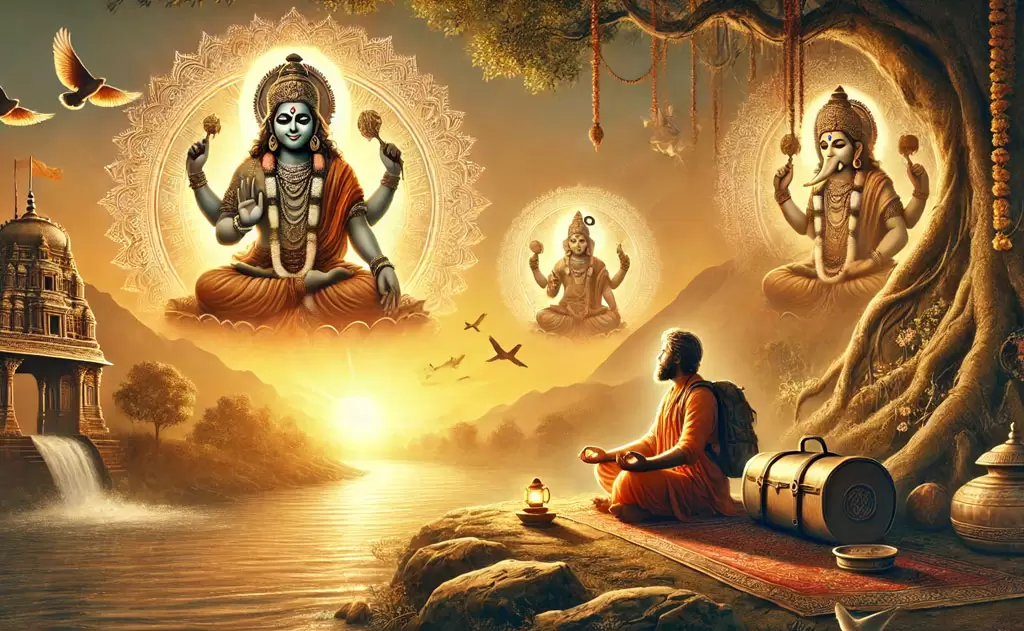
Traditional japa counts are 108 (one full mala), 1008 (10 malas), or multiples thereof. The Mahamrityunjaya is chanted 108 times daily for healing; the Gayatri 108–1008 times during Sandhya. Quality of attention (sahishnuta) matters more than count.
Generally East (toward sunrise) for prosperity and learning, North for liberation and wisdom. Avoid facing South except for Yama-related rituals. Sit on a clean cloth or kusha-grass asana; cross-legged padmasana or sukhasana is traditional.
Yes — modern Sanatana practice welcomes sincere seekers from any background to chant mantras like the Gayatri, Mahamrityunjaya and Om. Some specialized Vedic rituals (like Upakarma) traditionally require initiation, but personal mantra japa is universal.
A mantra is a sound formula — often a single syllable or short phrase — chanted to invoke a deity or transform consciousness. A sloka is a metrical verse, usually two lines of Sanskrit, that describes or praises. Slokas can contain mantras; mantras are not always slokas.
