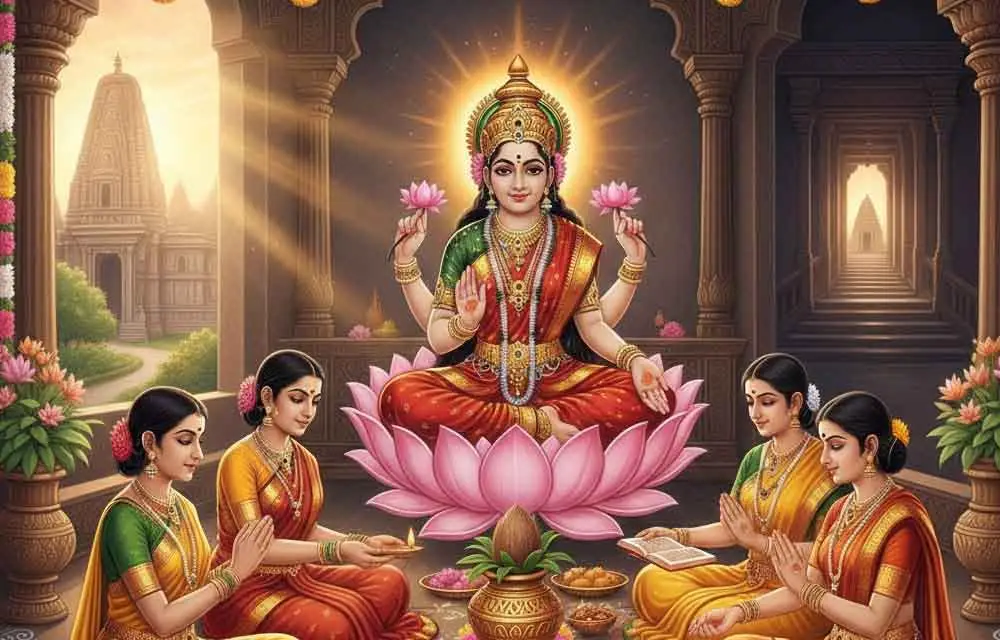
Saturday Shani Puja: Shani Dev Mantra, Hanuman Worship and Vrat Rules
Saturday, Shanivara, is the day of Shani, the graha of time, discipline and the fruits of action, and in many homes a day for Hanuman and Lord Venkateswara too. This guide explains Shani without fear, walks through a sesame-oil lamp puja, gives verified mantras with meaning, covers the Shanivar vrat and food, and explains Sade Sati as a belief.
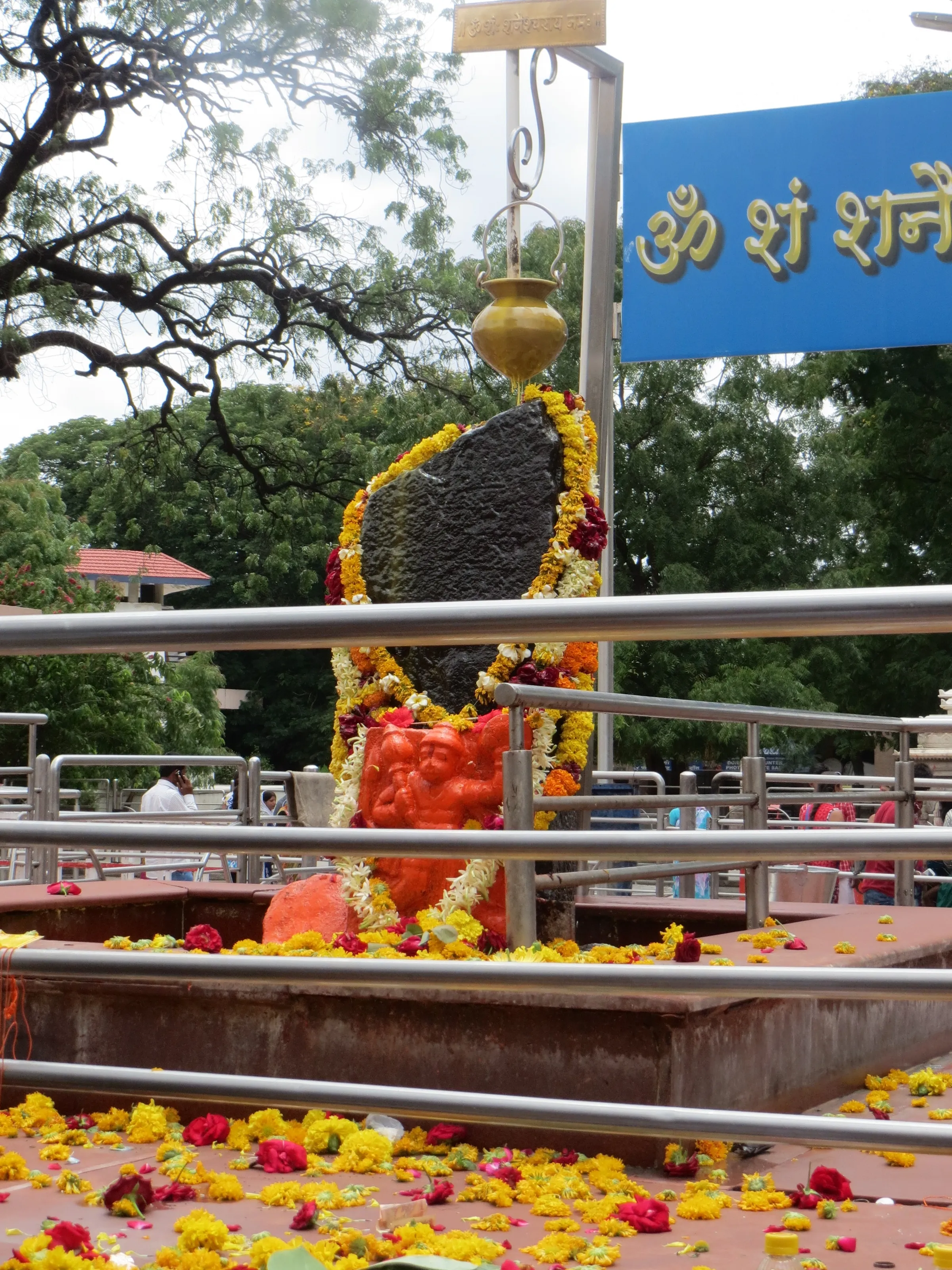
Quick answer: Saturday is Shanivara, the day of Shani (Saturn), the graha associated with time, discipline, justice and the results of our own actions. Devotees light a sesame oil lamp, offer black sesame and urad, chant Om Sham Shanaishcharaya Namah, worship Hanuman with the Hanuman Chalisa, and give to people in need. In the Telugu states and Tamil Nadu, Saturday is also a major day for Lord Venkateswara (Perumal). Shani is honoured with respect, not fear.
Last updated: 10 October 2026. This is the Saturday chapter of our guide to the Hindu days of the week, which explains the graha and deity behind every weekday.
Here you will find who Shani is and why Hanuman shares his day, a step-by-step Saturday puja, verified texts with meaning, the Shanivar vrat and food, a calm explanation of Sade Sati, Navagraha shrine etiquette, temples, family ideas and regional customs.
Shani and Hanuman: the deities of Saturday
Who Shani is
Shani, also called Shanaishchara, "the slow mover", is the son of Surya, the Sun, and Chhaya, and the elder brother of Yama. Saturn moves more slowly across the sky than any other planet visible to the naked eye, taking about two and a half years to cross each zodiac sign, and his name reflects this. In Puranic images he is dark-complexioned, dressed in dark blue or black, and rides a crow or a vulture. Jyotisha associates him with time, longevity, hard work, discipline, justice, service and the ripening of karma.
Vyasa's Navagraha Stotram describes him exactly in these terms:
नीलांजनसमाभासं रविपुत्रं यमाग्रजम् ।
छायामार्तण्डसंभूतं तं नमामि शनैश्चरम् ॥ ७॥
nīlāṃjanasamābhāsaṃ raviputraṃ yamāgrajam |
chāyāmārtaṇḍasaṃbhūtaṃ taṃ namāmi śanaiścaram || 7||
Meaning: I bow to Shanaishchara, who shines like blue-black collyrium, son of Ravi (the Sun) and elder brother of Yama, born of Chhaya and Martanda.
Notice what the verse does and does not say. It identifies Shani by his family and appearance; it does not threaten anyone. Popular culture has made Shani a figure of fear, but the classical view is closer to a strict and fair teacher: he gives the results of actions, and he rewards patience, honesty and work. Astrology is a matter of belief, and you can honour Saturday as a day of discipline and service whatever your view of it.
Why Hanuman shares Saturday
Hanuman is worshipped on both Tuesday and Saturday. The Saturday link comes from a widely told folk legend: Ravana had imprisoned the grahas, and when Hanuman came to Lanka he freed Shani, who promised in gratitude that he would not trouble those who worship Hanuman. Another version has Hanuman pinning Shani down until he made the same promise. Neither episode is in the Valmiki Ramayana; they belong to later devotional tradition. Their message is that devotion and courage carry a person through difficult times.
For more, read why Hanuman is worshipped on Saturday and visit our Lord Hanuman deity page. Hanuman's other weekly day is covered in our Tuesday guide.
Venkateswara and Perumal on Saturday
In South India, Saturday has a third, gentler face. Telugu and Kannada families widely treat Saturday as Lord Venkateswara's day, and the Tirumala temple sees its biggest crowds at weekends. In Tamil Nadu, the Saturdays of the month of Purattasi (roughly mid-September to mid-October) are devoted to Perumal, and many families keep the whole month vegetarian, lighting a special lamp called the maavilakku on one of the Saturdays.
Saturday puja at home, step by step
Saturday worship is traditionally done in the morning after a bath or in the evening after sunset; many people prefer the evening for Shani. Allow 20 minutes.
- Bath and simple dress. Bathe and wear clean, simple clothes. Dark blue or black is traditional for Shani, red or orange for Hanuman.
- Set up. Place a picture of Hanuman, or a small Navagraha image, on a clean cloth. Many families do not keep a separate Shani murti at home and worship him through Hanuman or at a temple; follow your custom.
- Sankalpa. State that you are offering this Saturday worship to Shani Dev and Hanuman for patience, steadiness and the well-being of your family.
- Sesame oil lamp. Light a lamp with sesame (til) oil. Adding a few black sesame seeds to the oil is a common custom.
- Offer to Hanuman. Offer sindoor mixed with a little oil (or simply kumkum), red flowers, and a betel leaf if available. Boondi, laddu, jaggery or bananas make good naivedya.
- Offer for Shani. Place a small bowl of black sesame and whole black urad beside the lamp. These are later given away rather than eaten.
- Chant. Recite Om Sham Shanaishcharaya Namah 108 times, then the Hanuman Chalisa or the Sankat Mochan Ashtak, or the shorter texts below.
- Aarti. Wave the lamp while singing a Hanuman or Shani aarti.
- Charity. Give the sesame and urad, or food, a blanket, footwear or money, to someone in need, a temple or a food bank. Tradition regards this as the heart of Saturday worship.
Peepal tree lamp, where it is followed
In much of North India, families pour water at the roots of a peepal tree on Saturday morning and light a mustard or sesame oil lamp beneath it in the evening, walking around the tree several times. The peepal is sacred in Hindu tradition and is linked in popular belief with Shani on Saturdays. Many devotees also feed crows, Shani's vehicle, or offer food to dogs. These are regional customs; a lamp at home is complete on its own.
Saturday offerings at a glance
| Offering | For | Traditional link | Alternative |
|---|---|---|---|
| Sesame oil lamp | Shani | Sesame oil is Shani's offering | Any oil lamp |
| Black sesame, whole urad | Shani | Shani's grains, given away in charity | Any food donated to a food bank |
| Sindoor with oil, red flowers | Hanuman | Hanuman's traditional adornment | Kumkum and any flower |
| Boondi, laddu, jaggery | Hanuman | Popular Hanuman naivedya | Jaggery or fruit |
| Blankets, footwear, food | Those in need | Service is Shani's favourite offering in popular teaching | Volunteer an hour |
Verified Saturday mantras with meaning
All texts below come straight from our checked source files (sanskritdocuments.org editions). We do not reproduce texts we have not verified.
1. Shani beeja mantra
ॐ शं शनैश्चराय नमः॥
oṃ śaṃ śanaiścarāya namaḥ||
Meaning: Om, salutations to Shanaishchara. "Sham" is the seed syllable traditionally associated with Shani. Chant it 108 times with a mala, slowly and calmly.
2. Shani verse from the Navagraha Stotram
The verse quoted above, recited once or three times. The full stotram, including the closing verse that asks for relief from troubles caused by the grahas, is on our Navagraha Stotram page.
3. Shani Chalisa, opening (Hindi)
जय जय श्री शनिदेव प्रभु सुनहु विनय महाराज ।
करहु कृपा हे रवि तनय राखहु जनकी लाज ॥
jaya jaya śrī śanideva prabhu sunahu vinaya mahārāja |
karahu kṛpā he ravi tanaya rākhahu janakī lāja ||
जयति जयति शनिदेव दयाला । करत सदा भक्तन प्रतिपाला ॥
jayati jayati śanideva dayālā | karata sadā bhaktana pratipālā ||
Meaning: Victory, victory to Lord Shani Dev; hear my prayer, great king. Be gracious, O son of the Sun, and protect your devotee's honour. Victory to compassionate Shani Dev, who always cares for his devotees.
The Chalisa traditionally opens with a couplet to Ganesha, and continues for forty verses, ending with the Shani aarti. The full text is on our Shani Chalisa page.
4. Hanuman mantra
ॐ हं हनुमते नमः॥
oṃ haṃ hanumate namaḥ||
Meaning: Om, salutations to Hanuman. "Ham" is the seed syllable associated with Hanuman. A simple mantra for children and beginners.
5. Sankat Mochan Hanuman Ashtak, first verse (Goswami Tulsidas)
बाल समय रबि भक्षि लियो तब तीनहुँ लोक भयो अँधियारो ।
ताहि सों त्रास भयो जग को यह संकट काहु सों जात न टारो ।
देवन आनि करी बिनती तब छाँड़ि दियो रबि कष्ट निवारो ।
को नहिं जानत है जगमें कपि संकटमोचन नाम तिहारो ॥ १ ॥
bāla samaya rabi bhakṣi liyo taba tīnahu~ loka bhayo a~dhiyāro |
tāhi soṃ trāsa bhayo jaga ko yaha saṃkaṭa kāhu soṃ jāta na ṭāro |
devana āni karī binatī taba chā~r̤i diyo rabi kaṣṭa nivāro |
ko nahiṃ jānata hai jagameṃ kapi saṃkaṭamocana nāma tihāro || 1 ||
Meaning: As a child you swallowed the sun, and the three worlds fell into darkness. The whole world was in distress, and no one could remove the trouble. When the gods came and pleaded, you released the sun and ended their suffering. Who in the world does not know your name, O monkey-hero, Sankat Mochan, the remover of distress?
The full Ashtak is on our Sankat Mochan Hanuman Ashtak page, and the Bajrang Baan is another Tulsidas hymn many people recite on Saturdays.
Hanuman Chalisa and the Dasharatha Shani Stotra
The Hanuman Chalisa is the most widely recited Saturday prayer of all. We have not yet verified a complete text for this page, so please use our Hanuman Chalisa with English meaning or a printed edition. Similarly, the Shani Stotra attributed to King Dasharatha, from the Padma Purana tradition, is popular on Saturdays; learn it from a reliable printed source.
The Shanivar vrat and Saturday food
The Shanivar vrat is a vow of restraint and service on Saturdays. People keep it for steadiness in a hard period, for discipline, or simply out of devotion. Common patterns:
- Count: 7, 11 or 19 Saturdays, or every Saturday without a count. Some families wait for a Saturday in the bright fortnight; many simply start on the next Saturday.
- Food: one meal after sunset, often khichdi made with black urad, or food cooked with sesame. Some avoid salt; others only avoid non-vegetarian food.
- Closing: an udyapan with a puja, food for others and gifts of black sesame, urad, oil or blankets.
| Common custom | Alternative that keeps the spirit |
|---|---|
| No food until sunset | Fruit and milk in the day, one cooked meal in the evening |
| Urad dal khichdi or sesame dishes | Any simple vegetarian meal |
| No salt | Normal salt, no fried food |
| Donating oil and black sesame | Donating food, clothes or time |
The story read on Saturdays
Many families in Maharashtra and Karnataka read the Shani Mahatmya on Saturdays, a devotional retelling of King Vikramaditya's years of hardship and his eventual restoration through patience and devotion to Shani. Versions differ, and HinduTone has no standalone published text of it. The lesson families draw is that hard times pass, and that humility and steady effort carry one through. Our Shanivar sacred Saturday guide retells more of these stories.
A word on health: fasting until sunset is not suitable for everyone. If you have diabetes, a heart or kidney condition, low blood pressure, take regular medication, are pregnant or breastfeeding, or are elderly, check with your doctor and consider keeping the vrat through worship and service instead. Children should eat normally. Stay hydrated, especially in hot weather.
Sade Sati, explained calmly
Many people come to Saturday worship because an astrologer has mentioned Sade Sati. Here is what the term means in Jyotisha, without the fear that often surrounds it.
- What it is: the period of roughly seven and a half years ("sade sati" means seven and a half) when Saturn transits the zodiac sign before your Moon sign, your Moon sign itself, and the sign after it. Each phase lasts about two and a half years.
- How often: Saturn takes about 29 to 30 years to go round the zodiac, so Sade Sati recurs about every 30 years. Most people pass through it two or three times in a lifetime.
- Related transits: astrologers also speak of Ashtama Shani (Saturn in the eighth sign from the Moon) and the two-and-a-half-year Dhaiya or Kantaka Shani periods.
- What astrologers say about it: traditional teachers describe it as a period of responsibility, hard work and maturing, which can bring achievement as well as difficulty. Its effects, in their view, depend on the whole horoscope, not on Saturn alone.
Which Moon signs are affected changes as Saturn moves, so we do not list them here, where they would quickly go out of date. For the current position of Saturn and what astrologers expect for each sign, see our Horoscope 2027 yearly predictions for all 12 signs. Treat all such readings as guidance within a belief tradition, not certainty, and be cautious of anyone who uses Sade Sati to sell expensive remedies.
The practices tradition recommends during a hard period are simple and free: Saturday prayer, the Hanuman Chalisa, honest work, patience with others, and service to the poor, the elderly and labourers, whom Shani is said to protect.
Saturday do's and don'ts
These customs are widely observed, but they are expressions of respect and discipline. None of them should make you anxious.
Good Saturday habits
- Serve someone who works hard for little: a cleaner, a delivery worker, an elderly neighbour.
- Give food, blankets or footwear to those in need, especially in winter.
- Keep promises and pay small debts on time; Shani is linked with accountability.
- Spend a few quiet minutes reflecting on the week: what went well and what you will do differently.
- Visit a Hanuman temple, or recite the Hanuman Chalisa at home in the evening.
Things many families avoid
- Buying oil, iron, salt or black items, in households that follow this custom; these are meant for giving on Saturday.
- Alcohol and non-vegetarian food.
- Mistreating workers, animals or anyone who depends on you.
- Cutting hair or nails, in some homes; many others have no such rule.
Common mistakes
- Approaching Shani out of panic. Calm, regular worship is what tradition encourages. Fear-based remedies bought online are not.
- Paying for guaranteed fixes. No gemstone, ring or paid ritual can guarantee to end a hard period. Be wary of anyone who says otherwise.
- Forgetting the charity. The oil and sesame are meant to be given away; keeping the offering and skipping the giving misses the point.
- Using unchecked mantra texts. Many forwarded Shani mantras contain mistakes. Use a verified source.
Temples for Saturday worship
Hanuman temples
Hanuman temples are the busiest places of Saturday worship in North and West India. These three have HinduTone pages whose facts have been checked against official or published sources; check each temple's official website for current timings.
- Hanuman Garhi, Ayodhya: a fortress-like temple where Hanuman is shown as a child on the lap of his mother Anjani.
- Salasar Balaji, Rajasthan: in Churu district, one of North India's most visited Hanuman shrines, with a rare bearded image of Balaji.
- Jakhu Temple, Shimla: on Jakhoo Hill, the highest point of Shimla.
Shani at Navagraha shrines
Most devotees worship Shani not in a separate temple but at the Navagraha shrine found in many Hindu temples, especially Shiva temples in South India. The nine grahas usually stand together on a raised platform, each facing a different direction. Common etiquette:
- Worship the main deity of the temple first, then visit the Navagraha shrine.
- Walk around the shrine clockwise; nine rounds is common, but follow the temple's practice.
- Offer a sesame oil lamp or a small packet of black sesame where the temple permits it, and follow the priests' instructions.
- Many devotees stand slightly to one side of Shani's image rather than directly in front of it, out of respect; it is a custom, not a rule.
- Do not touch the images unless the temple allows it.
Saturdays when the new moon falls (Shani Amavasya) or the thirteenth lunar day falls (Shani Trayodashi or Shani Pradosh) are considered especially suitable for Shani worship, and Navagraha shrines are busier then. Our Navagraha temples overview introduces the tradition.
Finding a Navagraha or Hanuman shrine abroad
Most large Hindu temples in the USA, UK, Canada, Australia and the Gulf have both a Hanuman shrine and a Navagraha shrine. Check your temple's website for its Saturday programme; many hold Hanuman Chalisa recitations on Saturday mornings or evenings. Our regional guides list some temples with Navagraha shrines: USA, UK and Europe and Australia, New Zealand and the UAE. If there is none nearby, the home puja above is complete.
Saturday with children and the family
Saturday is the easiest day to involve children, since most are home from school.
- Hanuman stories. Read one episode from the Sundara Kanda each Saturday: the leap to Lanka, finding Sita, carrying the mountain.
- Chalisa together. Children pick up the Hanuman Chalisa quickly when the family sings it together every week.
- Service project. Make the Saturday charity a family activity: pack food bags, sort clothes for donation, or help an elderly neighbour.
- Talk about Shani without fear. Explain him as the teacher who reminds us that actions have results. That is a lesson children can understand and use.
- Weekend guide. Our weekend poojas guide suggests ways to link Saturday and Sunday worship.
Regional Saturday traditions
- North India: Hanuman temple visits, the Hanuman Chalisa and Sundara Kanda, peepal tree lamps, and donations of mustard or sesame oil.
- Maharashtra: Maruti (Hanuman) temples in almost every village are busy on Saturdays, and the Shani Mahatmya is read at home.
- Karnataka: Shani worship at Navagraha shrines, the Vikramaditya story, and Saturday visits to Venkateswara temples.
- Andhra Pradesh and Telangana: Saturday is Venkateswara's day for many families; Govinda namas and a Venkateswara lamp are common, alongside Shani worship at Navagraha shrines.
- Tamil Nadu: Purattasi Saturdays for Perumal, with the maavilakku lamp and a vegetarian month; Shani worship at Navagraha shrines in Shiva temples.
- Gujarat and Rajasthan: Hanuman worship on Saturdays, and Salasar Balaji pilgrimages from across the region.
Saturday in the festival year
Shani Jayanti, Shani's birth anniversary, falls on the Amavasya of Jyeshtha in the purnimanta calendar (Vaishakha Amavasya in the amanta calendar), usually in May or June. Hanuman Jayanti is the great annual festival of Saturday's other deity. In South India the month of Purattasi gives Saturdays special weight every autumn.
Also read: Hanuman Chalisa with meaning of all 40 verses.
Also read: Sri Venkatesa Suprabhatam with meaning.
Also read: Ram Raksha Stotram with meaning.
Also read: Dasharatha Shani Stotram.
Related reading on HinduTone
- Shani Dev puja vidhi and mantras
- Hanuman worship on Saturday
- Which Hindu god to worship on Saturday
- Step-by-step Shanivar puja at home
- Temples to visit on Saturday
- Which god to pray to for a job, marriage, health or money
- Hindu days of the week and their deities
Frequently asked questions
Should I be afraid of Shani Dev?
No. In Hindu tradition Shani is the dispenser of the results of one's own actions, often described as a strict but fair judge. Devotees approach him with respect and honesty, not dread. Many texts and teachers stress that sincere effort, patience and kindness are what Shani values.
Why is Hanuman worshipped on Saturday?
A popular legend says Hanuman freed Shani from Ravana's captivity, and Shani promised in gratitude not to trouble Hanuman's devotees. The story is a folk tradition rather than a Valmiki Ramayana episode, but it is the reason Hanuman temples are crowded on Saturdays across North and West India.
What is offered to Shani on Saturday?
Sesame (til) oil, black sesame seeds, whole black urad, a dark blue or black cloth, and an oil lamp are the traditional offerings. Many people also give food, blankets or footwear to those in need, which tradition regards as the most fitting Saturday offering.
What is Sade Sati, in simple terms?
In Jyotisha, Sade Sati is the roughly seven-and-a-half-year period when Saturn passes through the sign before your Moon sign, your Moon sign and the sign after it. It comes round about every 30 years. Astrologers describe it as a time of hard lessons and growth, not only trouble. It is a belief, and experiences differ widely.
Is it bad to buy oil or iron on Saturday?
Some North Indian families avoid buying oil, iron, salt or black items on Saturday because these are Shani's offerings, meant to be given rather than acquired that day. It is a household custom; nothing in the tradition says misfortune follows if you buy them.
Can I do Saturday puja at home if there is no temple near me?
Yes. A sesame oil lamp, a picture of Hanuman or a simple Navagraha image, a mantra and an act of charity make a complete Saturday observance. Temple visits are a bonus, not a requirement.
Why do Telugu and Tamil families worship Venkateswara on Saturday?
In Andhra Pradesh, Telangana and Karnataka, Saturday is closely associated with Lord Venkateswara, and Tirumala is especially crowded on Saturdays. In Tamil Nadu the Saturdays of the month of Purattasi are devoted to Perumal (Vishnu), and many families keep a vegetarian month.
Editor's note (10 October 2026)
This page was rewritten on 10 October 2026 for our Hindu days of the week series. We removed the dated "Sade Sati remedies for 2026" section and replaced it with an evergreen explanation that points to our yearly horoscope pages for current transits. We also removed temple claims we could not verify, so no individual Shani temple is described; Navagraha worship is explained in general terms. All mantras come from checked texts. Astrology is presented as a belief tradition throughout.
Continue through the week
Previous day: Friday: Lakshmi, Devi and Shukravar vrat | Next day: Sunday: Surya Dev puja
Share this with family and friends
Send it on WhatsApp, post it, or copy the link.
More from Pooja, Slokas and Mantras
- Sri Venkatesa Vijayarya Saptavibhakti Stotram: Full Text in Telugu, Sanskrit and IAST with Meaning
- Deeparadhana: Significance of Lighting the Lamp, Deepam Jyoti Parabrahma Meaning, Oil and Wicks
- Narmadashtakam (Sabindu Sindhu) by Adi Shankaracharya: Full Text in Sanskrit with Meaning
- Hari Stotram (Jagajjalapalam) by Swami Brahmananda: Full Text in Sanskrit with Meaning
- Ganeshashtakam (Yato Anantashakteh) from the Ganesha Purana: Full Text with Meaning
You might also like
Shani Deva Is Not Evil — He Is the Cosmic Judge of Karma
Shani Dev Puja Vidhi: Saturday Puja Steps, Samagri, Mantras and Shanivar Vrat Guide

Tuesday Hanuman Puja: Mangalvar Vrat, Hanuman Chalisa and Mantras