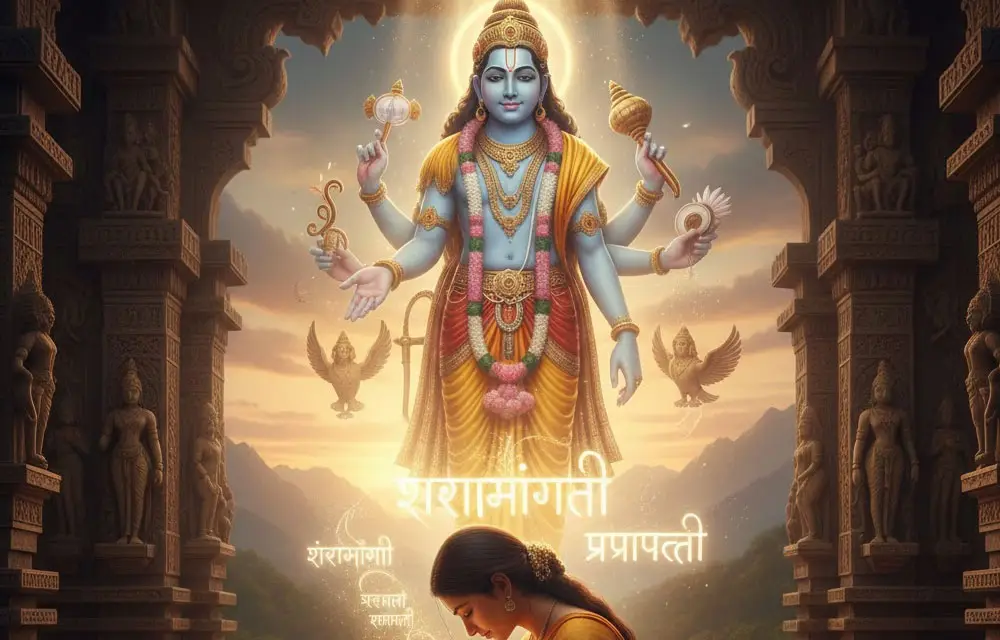
Sacred Flowers Used in Diwali Pooja & Their Energy Vibes
Diwali, the festival of lights, is incomplete without the fragrant presence of sacred flowers adorning our homes and altars.

Diwali, the festival of lights, is incomplete without the fragrant presence of sacred flowers adorning our homes and altars.
Diwali, the festival of lights, is incomplete without the fragrant presence of sacred flowers adorning our homes and altars. These divine blooms are not merely decorative elements but powerful conduits of spiritual energy that enhance our connection with the divine. Each flower carries its own unique vibration, attracting specific blessings and positive energies during this auspicious celebration.
The Spiritual Significance of Flowers in Diwali Worship
In Hindu tradition, flowers represent the blossoming of devotion and the offering of beauty to the divine. During Diwali pooja, flowers act as bridges between the material and spiritual realms, carrying our prayers and intentions to the deities. Their colors, fragrances, and natural purity create an atmosphere conducive to meditation, prayer, and divine communion.
Sacred Flowers for Diwali Pooja
1. Marigold (Genda Phool) - The Golden Blessing
Energy Vibration: Prosperity, positivity, and divine protection
The bright orange and yellow marigolds are synonymous with Diwali celebrations. Their vibrant golden hues symbolize the sun's radiance and Goddess Lakshmi's blessings.
Spiritual Properties:
- Attracts wealth and abundance
- Dispels negative energies and evil spirits
- Represents the triumph of light over darkness
- Creates a protective spiritual shield around the worship space
Usage in Pooja: String marigolds into garlands for doorways, create flower rangolis, and offer them at the feet of Lakshmi and Ganesha idols. The flower's strong fragrance purifies the environment and invites divine presence.
2. Lotus (Kamal) - The Supreme Purity
Energy Vibration: Enlightenment, spiritual awakening, and divine grace
The lotus holds the highest position among sacred flowers, representing spiritual evolution and purity rising from muddy waters.
Spiritual Properties:
- Symbolizes Goddess Lakshmi's seat (she sits on a lotus)
- Enhances meditation and spiritual consciousness
- Attracts divine wisdom and prosperity
- Represents detachment and spiritual perfection
Usage in Pooja: Offer pink or white lotus flowers to Goddess Lakshmi during the main evening aarti. Even a single lotus flower can transform the energy of your altar. If fresh lotus is unavailable, lotus petals work equally well.
3. Jasmine (Chameli/Mogra) - The Fragrant Devotion
Energy Vibration: Peace, love, and spiritual harmony
Jasmine's intoxicating fragrance has been used in Hindu rituals for millennia, representing the sweetness of devotion.
Spiritual Properties:
- Calms the mind and reduces anxiety
- Attracts positive spiritual entities
- Enhances intuition and psychic abilities
- Symbolizes pure love and devotion
Usage in Pooja: String jasmine into garlands or scatter the small white blooms around the pooja thali. The flower's scent lingers long after the ritual, keeping the home's vibration elevated. Particularly favored for evening prayers during Diwali.
4. Red Hibiscus (Japa Kusuma) - The Power Flower
Energy Vibration: Energy activation, courage, and divine feminine power
The bold red hibiscus is especially sacred to Goddess Kali and represents the fierce, protective aspects of the divine feminine.
Spiritual Properties:
- Awakens kundalini energy
- Provides protection from obstacles
- Enhances willpower and determination
- Invokes blessings of Durga and Kali
Usage in Pooja: Offer to Goddess Lakshmi in her Durga form for protection of wealth and family. Place at the entrance for warding off negative influences. The red color represents the blood of life and vitality.
5. Chrysanthemum (Chandramallika) - The Moonlight Flower
Energy Vibration: Longevity, joy, and optimism
These cheerful flowers come in various colors and are increasingly popular in Diwali celebrations for their beauty and availability.
Spiritual Properties:
- Promotes happiness and optimism
- Attracts good fortune
- Represents life longevity and health
- Enhances positive thinking
Usage in Pooja: White and yellow chrysanthemums are ideal for Lakshmi pooja. Create decorative arrangements around the altar or float them in water-filled bowls with diyas for a mesmerizing effect.
6. Rose (Gulab) - The Love Offering
Energy Vibration: Love, devotion, and emotional healing
Roses, especially red and pink varieties, represent the heart's devotion and emotional purity.
Spiritual Properties:
- Opens the heart chakra
- Attracts love and compassion
- Heals emotional wounds
- Symbolizes divine beauty
Usage in Pooja: Red roses can be offered to Goddess Lakshmi, while white roses are suitable for Lord Ganesha. Rose petals scattered in the pooja area create a romantic, devotional atmosphere perfect for family worship.
7. Tulsi (Holy Basil) - The Sacred Leaf-Flower
Energy Vibration: Purification, protection, and spiritual elevation
While technically the flower of the tulsi plant, these tiny blooms carry immense spiritual significance.
Spiritual Properties:
- Most sacred to Lord Vishnu
- Purifies the environment and body
- Provides spiritual protection
- Enhances devotion and bhakti
Usage in Pooja: Offer tulsi leaves and flowers along with other flowers to all deities. Keep a tulsi plant near your pooja area to maintain continuous positive energy. Tulsi is believed to be a direct link to divine consciousness.
8. Palash (Flame of the Forest) - The Sacred Fire Bloom
Energy Vibration: Transformation, spiritual fire, and renewal
The brilliant orange-red palash flowers represent the fire element and are associated with Lord Agni.
Spiritual Properties:
- Invokes transformative energy
- Burns away karma and negativity
- Represents spiritual passion
- Connects with ancient Vedic traditions
Usage in Pooja: Though less commonly available, palash flowers are highly auspicious for Diwali havan and fire rituals. They intensify the power of mantras and prayers.
9. Parijat (Night-Flowering Jasmine) - The Heavenly Flower
Energy Vibration: Divine connection, wish fulfillment, and celestial blessings
According to mythology, parijat emerged from the churning of the ocean and belongs to Indra's heaven.
Spiritual Properties:
- Grants wishes and desires
- Connects to higher realms
- Provides divine protection
- Attracts celestial blessings
Usage in Pooja: These delicate white and orange flowers are especially powerful when offered during the early morning or late evening Lakshmi pooja. They're believed to be Goddess Lakshmi's favorite flower.
10. Bel Patra with Flowers - The Shiva Connection
Energy Vibration: Spiritual power, purification, and transcendence
While primarily associated with Lord Shiva, bel leaves with flowers create a complete spiritual offering during Diwali.
Spiritual Properties:
- Removes obstacles and sins
- Provides spiritual strength
- Balances all three doshas (Vata, Pitta, Kapha)
- Connects to Shiva-Shakti energy
Usage in Pooja: Offer to Lord Ganesha and Goddess Lakshmi together, as Shiva's blessings ensure that Lakshmi's wealth stays protected and is used wisely.
Color Energies and Their Meanings
Yellow and Orange Flowers
Represent the sun, gold, prosperity, and positive energy. Most powerful for attracting wealth and dispelling darkness.
White Flowers
Symbolize purity, peace, spiritual elevation, and divine grace. Perfect for creating a calm, meditative atmosphere.
Red and Pink Flowers
Represent power, passion, devotion, and the heart's offerings. Activate energy and invoke protective feminine energies.
Purple and Blue Flowers (Rare)
Though less common in Hindu rituals, these represent spiritual mystery, intuition, and connection to higher consciousness.
Creating the Perfect Flower Energy Setup
The Pooja Altar Arrangement
Base Layer: Create a bed of marigold petals mixed with rose petals on your altar surface.
Central Offering: Place a lotus in a bowl of water in front of the main deity, with a floating diya.
Garlands: Hang fresh jasmine and marigold garlands around deity frames or photos.
Scattered Blessings: Distribute tulsi leaves, hibiscus, and chrysanthemums around the pooja items.
Entrance Protection: String marigold torans (door hangings) at main entrances and windows.
Energy Amplification Techniques
- Flower Water Bath: Before offering, sprinkle flowers with pure water or rose water while chanting mantras to charge them with intention.
- Sunrise Collection: Flowers plucked at sunrise carry maximum prana (life force) and should be your first choice for important rituals.
- Fresh is Best: Never offer wilted or day-old flowers. They carry stagnant energy and are disrespectful to deities.
- Organic Selection: Choose naturally grown flowers without pesticides to maintain pure vibrations.
- Color Coordination: Match flower colors to specific intentions:
- Yellow/Orange for wealth (Lakshmi)
- White for knowledge (Saraswati)
- Red for protection (Durga/Kali)
- Pink for love and harmony (Lakshmi's gentle form)
Mantras to Chant While Offering Flowers
For Goddess Lakshmi:
"Om Shreem Mahalakshmiyai Namaha" Chant this 108 times while offering each flower to invite prosperity and abundance.
For Lord Ganesha:
"Om Gam Ganapataye Namaha" Offer flowers while chanting to remove obstacles from your path to prosperity.
Universal Flower Offering Mantra:
"Pushpanjali Samarpayami" Meaning "I offer these flowers," this simple mantra can accompany any flower offering.
The Science Behind Flower Energy
Modern research reveals that flowers emit electromagnetic frequencies that affect our own energy fields. Their colors stimulate different neural responses:
- Orange and yellow flowers increase serotonin (happiness hormone)
- White flowers have calming effects, reducing cortisol (stress hormone)
- Red flowers stimulate energy and alertness
- Fragrances like jasmine and lotus directly impact the limbic system, enhancing spiritual and emotional states
During Diwali, when we fill our homes with these sacred blooms, we're essentially creating a healing, high-vibration environment that supports both spiritual practices and emotional wellbeing.
Proper Disposal of Sacred Flowers
After the pooja concludes, treat used flowers with respect:
- Never throw in garbage: Sacred offerings should return to nature with honor.
- Compost them: Add to your garden compost to complete the cycle of life.
- Water immersion: If possible, release them in flowing water (river or stream) with gratitude.
- Burial: Bury under a tulsi or other sacred plant in your garden.
- Make natural colors: Dry marigold and hibiscus petals to create natural rangoli colors for future celebrations.
Creating a Diwali Flower Energy Map
For maximum spiritual benefit, place specific flowers in corresponding areas of your home based on Vastu principles:
North (Wealth Zone): Heavy concentration of yellow marigolds and lotus
East (Health Zone): White flowers like jasmine and white roses
Northeast (Spiritual Zone): Lotus, tulsi, and parijat
Southeast (Fire Zone): Red hibiscus and palash
Entrance: Marigold garlands for protection and invitation of prosperity
Conclusion: The Living Prayer
Flowers in Diwali worship are more than traditional decorations—they are living prayers, each petal a whispered intention to the divine. When we understand their unique energies and offer them with consciousness and devotion, we transform our pooja from ritual to spiritual experience.
This Diwali, as you gather flowers for your celebrations, take a moment to connect with each bloom. Feel its texture, breathe its fragrance, and acknowledge the life force it carries. In that moment of mindful offering, you're not just following tradition—you're participating in an ancient energy exchange that has blessed countless devotees across millennia.
May the sacred flowers of Diwali illuminate your path with prosperity, protect your home with divine energy, and blossom devotion in your heart.
Shubh Deepavali! [image: 🪔]
For more insights into Hindu traditions, spirituality, and sacred practices, stay connected with HinduTone.com
Share the Diwali 2026 blessing
A marigold garland at the door, a lotus at Maa Lakshmi's feet, jasmine beside the pooja thali: each flower we offer this Diwali is a prayer in bloom. As the diya glows among the petals, may it awaken the inner light that turns devotion into peace, and may Maa Lakshmi's grace blossom in every home, as light overcomes darkness. Share one of these flower-fresh blessings with your family as you prepare your altar.
Deepa shloka: the lamp prayer
शुभं करोति कल्याणम् आरोग्यं धनसम्पदा। शत्रुबुद्धिविनाशाय दीपज्योतिर्नमोऽस्तु ते॥
Shubham karoti kalyanam arogyam dhana-sampada, shatru-buddhi-vinashaya deepa-jyotir namostu te.
Meaning: I bow to the light of the lamp, which brings what is auspicious and good, health and prosperity, and destroys ill-will. Many families recite it as they light the evening diya.
Lakshmi mantra for Diwali
ॐ श्रीं महालक्ष्म्यै नमः॥
Om Shreem Mahalakshmyai Namah.
Meaning: Salutations to Mahalakshmi. Shreem is the seed syllable traditionally associated with Lakshmi.
Diwali 2026 messages to share
🌸 Happy Diwali to our dear family! May our home be garlanded with marigolds and love, and may every petal we offer bring peace and joy to all of us. 🪔 Share on WhatsApp
🙏 Dear Maa and Papa, thank you for teaching me to offer flowers with a pure heart. May this Diwali bring you good health, calm and countless blessings. 🌸🪔 Share on WhatsApp
✨ To my wonderful friends: may your Diwali be as fragrant as jasmine, as bright as marigold and as joyful as a rangoli of fresh petals! 🌸 Share on WhatsApp
🪔 Warm Diwali wishes to our colleagues and clients. May this festival of light bring fresh beginnings, good health and success that blooms through honest work. ✨ Share on WhatsApp
🌸 May Maa Lakshmi, seated on her lotus, accept our humble flowers and bless every home with grace, purity and contentment this Deepavali. 🙏🪔 Share on WhatsApp
🙏 May Lord Ganesha, honoured with fresh flowers and a glowing diya, remove every obstacle from your path and fill Diwali 2026 with wisdom and peace. 🪔🌸 Share on WhatsApp
A short Diwali prayer
Maa Lakshmi and Lord Ganesha, I offer these flowers at your feet with a humble heart. As the lotus rises pure from the water, let my mind rise above anger and pride. Bless my family with good health and our home with harmony. Give me the will to work with honesty and right effort, and keep gratitude fresh in my heart like the fragrance of these blossoms. Let your light shine within us.
Use the share buttons on this page to send these blessings to your family and friends.
Frequently Asked Questions
What is the Sacred Flowers Used in Diwali Pooja & Their Energy?
Diwali , the festival of lights, is incomplete without the fragrant presence of sacred flowers adorning our homes and altars. These divine blooms are not merely decorative elements but powerful conduits of spiritual energy that enhance our connection with the divine.
How many times should the Sacred Flowers Used in Diwali Pooja & Their Energy be chanted?
It is traditionally chanted 108 times using a rudraksha or tulsi mala. Even 11 or 21 sincere repetitions daily are considered beneficial — steady, focused practice matters more than the count.
What is the best time to chant the Sacred Flowers Used in Diwali Pooja & Their Energy?
Dawn (Brahma Muhurta) after a bath is considered ideal, though it may be chanted any time with a calm, focused mind. Many devotees keep a fixed daily time to build consistency.
Who can chant the Sacred Flowers Used in Diwali Pooja & Their Energy?
Anyone may chant it with faith and a pure mind, regardless of age, gender or background. Beginners benefit from first hearing the correct pronunciation and understanding its meaning.
What are the benefits of chanting the Sacred Flowers Used in Diwali Pooja & Their Energy?
It is believed to calm the mind, dissolve negativity, and draw divine grace, protection and clarity to the devotee.
You might also like
Powerful Mantras for Students & Parents Before Joining School
Powerful Hindu Mantras for Purushottam Maas 2026: Vishnu Bhakti, Chanting Guide & Global Devotion
Hare Krishna Maha Mantra: Meaning & Benefits