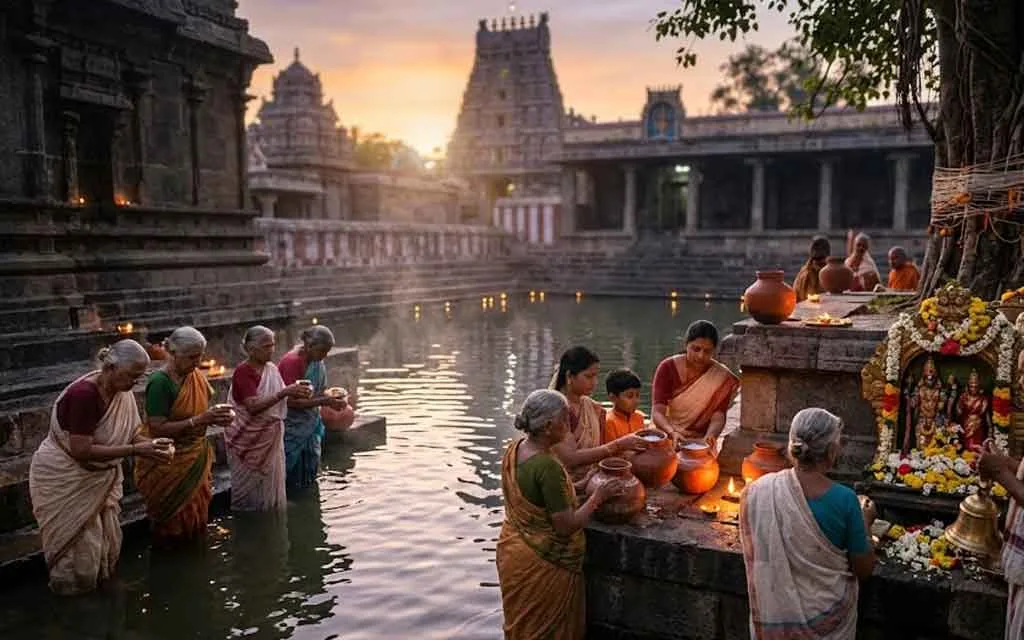
Mysteries of the Aghori Caves Near Varanasi: A Journey into the Heart of Tantric Sadhana
Nestled in the ancient, pulsating spiritual heart of Varanasi, where the sacred Ganga flows with timeless grace, lie hidden sanctuaries known only to a few—the…
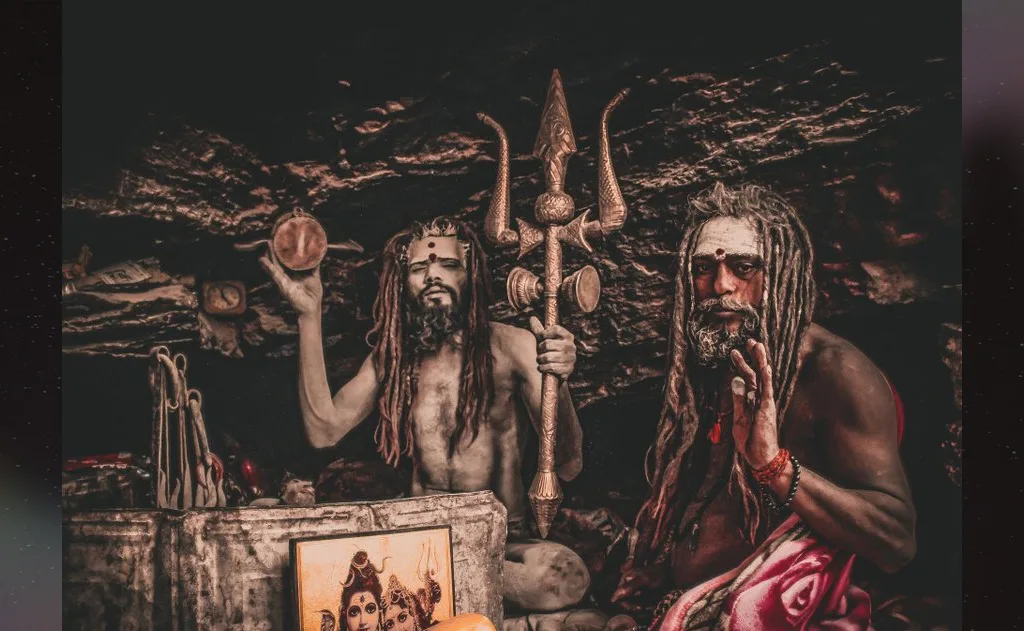
Nestled in the ancient, pulsating spiritual heart of Varanasi, where the sacred Ganga flows with timeless grace, lie hidden sanctuaries known only to a few—the enigmatic caves of the Aghori tantriks.
These are not mere shelters of stone, but hallowed grounds where the veil between the mortal and the divine thins. Here, fearless seekers of truth, the Aghoris, perform their intense sadhana (spiritual practice) in secrecy and silence. Far from the bustling ghats and curious tourists, these caves are portals to a world where life and death dance together, unified in the pursuit of moksha (liberation).
The Sacred Geography of the Aghori Caves
Hidden on the fringes of Varanasi, often cloaked by dense forests or nestled near abandoned cremation grounds, these caves pulse with untamed shakti (divine energy). For the Aghoris, such locations aren’t chosen at random—they are spiritually potent zones, where the boundaries of the mundane blur.
The cremation grounds, where the body returns to ash, and the flowing waters of the Ganga, which purify and transform, form a powerful spiritual crucible—perfect for tantric practices that dissolve fear, ego, and illusion.
Their exact locations remain secret—whispered from guru to disciple, hidden from the eyes of the uninitiated. To outsiders, these are mere outcrops of rock. But to the Aghori, these caves are sacred wombs, alive with centuries of chants, fire rituals, and spiritual power.
The Sanctum of Tantric Rituals
Step into these caves, and you enter another realm.
The blackened stone walls, smoothed by the touch of countless hands and smeared with ash, hold the imprint of devotion. The air carries the scent of incense and echoes of bija mantras—sacred seed syllables whispered in focused meditation. Sacred fires burn quietly, their light casting flickers on ritual markings etched into the stone.
Here, the Aghori confronts the cosmos in raw, unfiltered communion. Their practices, often misunderstood as dark or taboo, are in fact acts of transcendence—a bold path of embracing all of existence, both pure and impure, sacred and profane.
The Path of the Fearless Seeker
To the Aghori, the cave is a metaphor for the inner journey:
Just as a cave is silent, dark, and hidden—so too is the path to moksha filled with shadows, tests, and transformation.
In these underground sanctuaries:
- The Aghori meditates for hours, sometimes days, consuming little, and enduring much.
- They embrace what society deems impure not out of rebellion but to dissolve dualities and merge with the One.
- Shakti—the fierce and compassionate divine feminine—is the force they invoke and surrender to.
Each ritual becomes a step toward liberation. Ash becomes a reminder of impermanence. Mantras awaken energies buried deep within. Sacrifice, discipline, and devotion become tools of inner alchemy.
A Legacy of Mystery and Devotion
These caves are not relics of the past. They are living sanctuaries—still vibrating with spiritual intent, still alive with the breath of those who dare to walk the edge of existence.
They teach us:
- That spirituality isn’t confined to temples or festivals.
- That truth can be found not just in light, but in silence, ash, and surrender.
- That the divine wears many faces—gentle and fierce, beautiful and terrifying.
To the curious soul, these caves are invitations—not to voyeurism, but to introspection. They call the seeker within to face the shadows, transcend duality, and remember the unity of all life.
Conclusion: The Silent Sentinels of Varanasi
In the heart of Varanasi, where the Ganga whispers ancient truths, the Aghori caves stand as silent sentinels of a timeless quest for liberation.
They remind us that:
- The path to the divine is not always paved with roses.
- Sometimes, it is marked by ash, fire, silence, and the fierce grace of surrender.
Frequently Asked Questions
Where are the Aghori caves located near Varanasi?
They lie hidden on the fringes of Varanasi, often cloaked by dense forests or near abandoned cremation grounds. Their exact locations are kept secret and passed from guru to disciple.
What kind of sadhana do Aghoris perform in these caves?
Aghoris meditate for hours, sometimes days, consuming little, while chanting bija mantras and tending sacred fires. They invoke Shakti and see these practices as a path of transcendence toward moksha.
Why do Aghoris choose caves near cremation grounds and the Ganga?
These sites are seen as spiritually potent zones where the mundane blurs. The cremation grounds, where the body returns to ash, and the purifying Ganga form a spiritual crucible for practices that dissolve fear, ego and illusion.
Can tourists or visitors enter the Aghori caves?
The caves are hidden from the uninitiated and their locations are not publicly shared. They are described as places for introspection, not voyeurism, far from the ghats and curious tourists.
Why do Aghoris embrace things society considers impure?
They do it not out of rebellion but to dissolve dualities and merge with the One. Their practices, often misunderstood as dark or taboo, are described as a bold path of embracing both pure and impure, sacred and profane.
What is the meaning of ash and fire in Aghori rituals?
Ash is a reminder of impermanence, and sacred fires burn quietly in the caves during rituals. Mantras awaken buried energies, and sacrifice, discipline and devotion serve as tools of inner alchemy.
Share this with family and friends
Send it on WhatsApp, post it, or copy the link.
More from Spirituality
- Chilkur Balaji 'Visa Balaji' Temple: The 11 and 108 Pradakshina Custom Explained for NRIs
- Ekagrata (One-Pointedness): Yoga Concentration and Samyama Glossary
- Complete MBBS Once in Life: The Spiritual Meaning of Mahabharata, Bhagavatam, Bhagavad Gita & Ramayana
- Sri Medha Dakshinamurthy Swami Dhyanam | Meditation Sloka for Intelligence, Eloquence & Self-Realization
- What Is True Poverty? | Dharma Is the Greatest Wealth | Sanatana Dharma
You might also like

108 Shakti Peethas: The Divine Geography of the Goddess — Complete Guide
Mandukya Upanishad: The Shortest Path to Liberation (Moksha) in Advaita Vedanta | HinduTone

Purushottam Maas 2026: Lord Vishnu's Sacred Gift of Spiritual Multiplication & Divine Grace