Why Young Hindus Must Learn the Gita & Upanishads: A Path to Wisdom and Identity
In an era of rapid globalization and technological advancement, young Hindus are increasingly disconnected from their rich spiritual and philosophical…
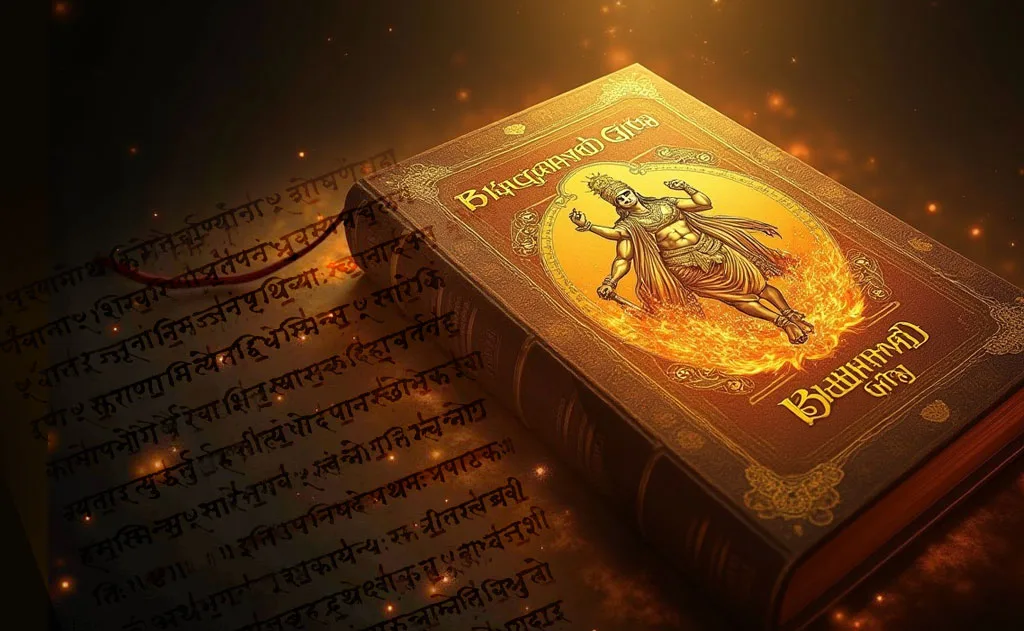
In an era of rapid globalization and technological advancement, young Hindus are increasingly disconnected from their rich spiritual and philosophical heritage. The Bhagavad Gita and Upanishads, timeless texts of Sanatan Dharma, offer profound wisdom that remains relevant today. These scriptures are not just religious relics but practical guides for navigating life’s challenges, fostering self-awareness, and reclaiming cultural pride. This article delves into why young Hindus must learn these texts, drawing inspiration from their enduring lessons and modern relevance.
The Timeless Relevance of the Gita and Upanishads
The Bhagavad Gita, a 700-verse dialogue between Lord Krishna and Arjuna on the battlefield of Kurukshetra, and the Upanishads, ancient philosophical treatises exploring the nature of reality and the self, are cornerstones of Hindu thought. Written over 3,000 years ago, these texts transcend time, offering insights into duty, self-realization, and inner peace that resonate with today’s youth.
For a 22-year-old grappling with college stress, a 19-year-old battling overthinking, or a 26-year-old overwhelmed by societal expectations, these texts serve as a compass. They are not reserved for monks or sadhus but are tailored for the modern individual seeking clarity in a chaotic world.
1. The Gita: A Conversation with the Self
The Gita is more than a religious text; it’s a psychological guide. It captures Arjuna’s emotional turmoil as he faces a moral dilemma on the battlefield, with Krishna offering timeless advice on duty, detachment, and action without attachment. For young Hindus, this translates to:
- Managing Stress: The Gita teaches, “Perform your duty without being attached to the results,” a principle that can alleviate anxiety over career or personal setbacks.
- Decision-Making: Krishna’s guidance encourages clear thinking over blind obedience, empowering youth to make informed life choices.
- Emotional Resilience: The text helps channel emotions like anger or fear into constructive energy, fostering mental strength.
By engaging with the Gita, young Hindus can find a still voice within, guiding them through life’s storms.
2. The Upanishads: Clarity Beyond Rules
The Upanishads, often called the end of the Vedas, delve into existential questions: “Who am I?” and “What is the nature of the self?” Unlike rigid doctrines, they invite reflection and self-discovery. Key lessons include:
- Self-Realization: The Upanishadic principle of “Tat Tvam Asi” (You are That) reminds youth that their true essence transcends the physical body, offering a sense of identity beyond social labels.
- Mindfulness: Concepts like being the “observer” of thoughts align with modern mindfulness practices, providing mental calm amid digital overload.
- Unity: The texts emphasize the oneness of all life, encouraging empathy and a global perspective.
For young Hindus feeling lost in a materialistic world, the Upanishads offer a shift in perspective, fostering inner peace and purpose.
3. Reclaiming Cultural Identity
Many young Hindus feel hesitant to express their faith publicly—whether performing aarti, saying “Jai Shri Ram,” or wearing a tilak—due to stereotypes portraying Hinduism as outdated or superstitious. Learning the Gita and Upanishads can transform this narrative:
- Pride in Heritage: Understanding the philosophical depth of these texts reveals Hinduism as a wisdom tradition, not just a religion, turning cultural identity into a source of strength.
- Countering Misinformation: Misrepresentations, such as claims that the Gita justifies violence or the Upanishads promote casteism, can be debunked with firsthand knowledge, empowering youth to defend their faith.
- Global Recognition: Icons like Steve Jobs and J. Robert Oppenheimer drew inspiration from these texts, highlighting their universal appeal and encouraging young Hindus to embrace their legacy.
4. Practical Wisdom for Modern Challenges
The Gita and Upanishads address contemporary issues with ancient solutions:
- Mental Health: The Upanishads’ teaching to observe thoughts without attachment mirrors modern therapy, offering a tool to combat anxiety and depression.
- Career and Relationships: The Gita’s emphasis on karma (action) without obsession helps balance ambition with well-being, guiding youth through career pressures and personal relationships.
- Fearlessness: Unlike fear-based doctrines, these texts assert the divine nature of the soul, instilling confidence to face life’s uncertainties.
In a world of Instagram validation and societal expectations, these texts provide an anchor, promoting a life of awareness and joy.
5. A Legacy Worth Preserving
The Gita and Upanishads were preserved through generations, surviving invasions and adversity, so that today’s youth could access them freely. Yet, many young Hindus overlook them, while the West increasingly studies Vedantic philosophy. This disconnect is a loss of heritage that young Hindus can reverse by:
- Starting Small: Reading a single verse or shloka daily, reflecting on its meaning, can spark a lifelong journey.
- Sharing Knowledge: Discussing these texts with peers or family keeps the tradition alive.
- Inspiring Future Generations: Understanding these scriptures equips parents to pass down a meaningful Hindu identity to their children.
How to Begin Your Journey
You don’t need to be a scholar to explore the Gita and Upanishads. Here’s how to start:
- Accessible Translations: Seek beginner-friendly versions by authors like Eknath Easwaran or Swami Prabhavananda.
- Daily Practice: Dedicate 10 minutes to reading and meditating on a verse.
- Community Learning: Join local study groups or online forums to discuss insights.
Even without mastering Sanskrit, the emotional and intellectual resonance of these texts will guide you, offering a sense of rootedness and clarity.
Conclusion
The Bhagavad Gita and Upanishads are not museum pieces but living mirrors reflecting the potential within every young Hindu. They offer a path to self-discovery, cultural pride, and resilience in a fast-paced world. As the youth of Bharat reconnect with these sacred texts, they honor their ancestors’ sacrifices and ensure Sanatan Dharma thrives for future generations.
Visit Hindu Tone for more insights on Hindu philosophy, spiritual growth, and cultural heritage. Subscribe to our newsletter and follow us on social media to stay connected with the wisdom of the Gita and Upanishads!
Frequently Asked Questions
Why should young Hindus learn the Bhagavad Gita?
The Gita works as a psychological guide, showing how to manage stress, make clear decisions and channel anger or fear into strength. Its core advice is to perform your duty without attachment to the results.
What do the Upanishads teach that helps modern youth?
They invite reflection on questions like 'Who am I?' and teach Tat Tvam Asi, meaning you are That, so identity goes beyond the physical body. Observing thoughts without attachment also supports mental calm amid digital overload.
How can a beginner start reading the Gita and Upanishads?
Start with beginner-friendly translations by authors like Eknath Easwaran or Swami Prabhavananda, and spend 10 minutes daily reading and reflecting on one verse. Knowing Sanskrit is not required.
Does the Gita justify violence or do the Upanishads promote casteism?
These are common misrepresentations that firsthand reading can answer. Studying the texts directly helps young Hindus respond to such claims with knowledge.
How old are the Gita and Upanishads?
They were written over 3,000 years ago. The Gita is a 700-verse dialogue between Krishna and Arjuna on the battlefield of Kurukshetra, while the Upanishads are philosophical treatises on reality and the self.
How can young Hindus abroad stay connected to these texts?
Joining local study groups or online forums to discuss insights is a simple way to learn with others. Sharing the teachings with peers and family also helps parents pass a meaningful Hindu identity to their children.
Share this with family and friends
Send it on WhatsApp, post it, or copy the link.
More from Spirituality
- Chilkur Balaji 'Visa Balaji' Temple: The 11 and 108 Pradakshina Custom Explained for NRIs
- Ekagrata (One-Pointedness): Yoga Concentration and Samyama Glossary
- Complete MBBS Once in Life: The Spiritual Meaning of Mahabharata, Bhagavatam, Bhagavad Gita & Ramayana
- Sri Medha Dakshinamurthy Swami Dhyanam | Meditation Sloka for Intelligence, Eloquence & Self-Realization
- What Is True Poverty? | Dharma Is the Greatest Wealth | Sanatana Dharma
You might also like
108 Shakti Peethas: The Divine Geography of the Goddess — Complete Guide

The Rising Popularity of Bhagavad Gita Podcasts: Why Are Young Indians Turning to Audio Scriptures?
Purushottam Maas 2026: Lord Vishnu's Sacred Gift of Spiritual Multiplication & Divine Grace