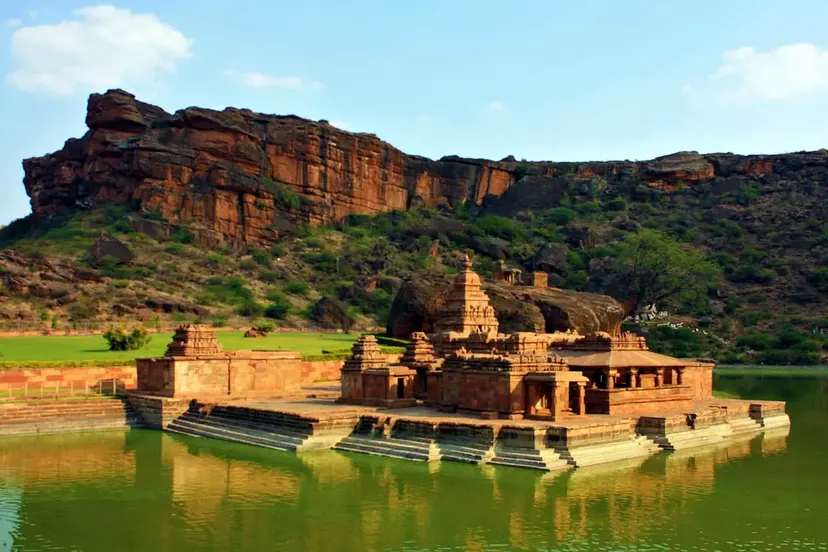
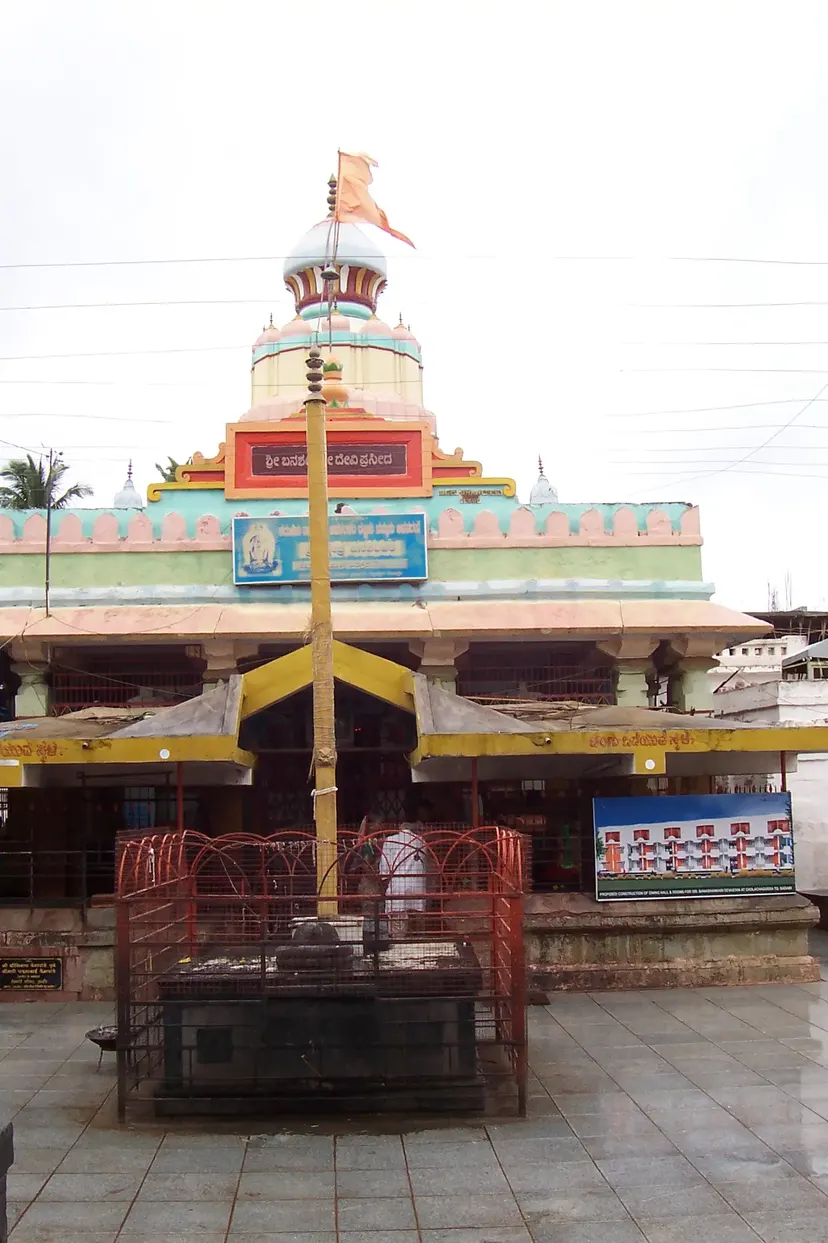
Kasivisvesvara Temple, Lakkundi
Shiva (as Kasivisvesvara / Kashi Vishvanatha), with a second shrine for Surya temple · Lakkundi, Gadag, Karnataka, India
The Kasivisvesvara Temple stands in the village of Lakkundi in Gadag district, Karnataka. It is also known as the Kashi Vishveshvara, Kashi Vishvanatha or Kavatalesvara temple. The main shrine is dedicated to Shiva, and a second, smaller shrine on the same platform was built for Surya, the sun god.
Wikipedia describes it as one of the finest examples of the fully developed Kalyana (Western) Chalukya style, and India's official tourism portal, Incredible India, calls it the crown jewel of Lakkundi. The temple is protected by the Archaeological Survey of India as a Monument of National Importance.
Faith & Tradition
Religious Significance of Kasivisvesvara Temple, Lakkundi
Lakkundi is a village crowded with medieval monuments. Incredible India counts over 50 old temples, around a hundred stepwells and many inscriptions there, left by the Chalukyas, Kalachuris, Seunas and Hoysalas. Among these the Kasivisvesvara is usually singled out for the richness of its carving.
The temple is a double shrine. The larger sanctum faces east and holds a Shiva linga about three feet tall, according to Live History India. The Surya shrine opposite it faces west, which that magazine notes is an unusual arrangement for a sun temple. The image of Surya has been lost, but the doorway of his shrine still shows the god on a chariot drawn by seven horses.
Art historians treat the temple as a landmark of medieval Karnataka architecture. Wikipedia summarises scholars such as M. A. Dhaky and James Harle as seeing in it a blend of northern (Nagara), southern (Dravida) and mixed (Vesara) elements.
Heritage
History of Kasivisvesvara Temple, Lakkundi
Lakkundi, called Lokki-gundi in old inscriptions, grew in importance under the Kalyana Chalukyas, who rose to power in 973 CE under Taila II. Live History India records that the town had a royal mint and became an important financial centre. According to Wikipedia, the Hoysala king Ballala II later named Lakkundi as his capital in a Sanskrit inscription of 1192 CE.
The exact date of the Kasivisvesvara temple is debated. Wikipedia sets out the views: Dhaky and Michael Meister place the present building in about 1020-1030 CE; Adam Hardy argues that it must have been finished before 1087 CE; and Ajay Sinha suggests about 1075 CE. An Old Kannada inscription of the Chalukya king Vikramaditya VI dated 1087 CE is carved on a beam of the temple. Older colonial-era writers such as Henry Cousens proposed two building phases with later repairs, a view Hardy considers flawed.
Wikipedia credits the work to the 'Lakkundi school' of sculptors and architects rather than to a named patron, and no patron is named in the sources consulted for this page.
Architecture and sacred features
Both shrines stand on a moulded platform and are linked by a square hall (ranga-mandapa) with lathe-turned pillars, as well as a closed hall (gudha-mandapa). Above the Shiva sanctum rises a three-storeyed tower whose top and finial are now missing. The walls carry miniature towers in several northern forms, and panels drawn from the Ramayana, Mahabharata and Shiva legends, including Shiva slaying the elephant demon and Ravana lifting Mount Kailasa. Many of these figures are damaged.
The doorways are the temple's most admired feature. They are carved in many receding bands, and the lintel of the Shiva sanctum shows Shiva with Parvati between Brahma and Vishnu. The Nannesvara temple stands just across from the Kasivisvesvara, and Live History India notes that some historians see it as an earlier prototype of the larger temple.
Plan Your Visit
Darshan and Visitor Information
The Kasivisvesvara is a protected ASI monument; visitors should not climb on the platform mouldings or touch the carvings, and should follow ASI rules on photography and access. Confirm current visiting hours and any entry arrangements with the Archaeological Survey of India before travelling.
Timings and arrangements change with seasons and festivals. Confirm current details with Archaeological Survey of India before travelling. Last reviewed 1 November 2026.
Location
How to Reach Kasivisvesvara Temple, Lakkundi
Wikipedia places Lakkundi about 12 km from Gadag, on National Highway 67, with the nearest railway station at Gadag. Incredible India lists Gadag Junction as the nearest railway station and Hubballi as the nearest major airport.
The temple is on the south side of the village, close to the Nannesvara temple. The ASI sculpture gallery in Lakkundi, mentioned by Incredible India, is a useful companion visit.
Location: Lakkundi, Gadag, Karnataka, India
Nearest airport: Hubballi (per Incredible India)
Nearest railway station: Gadag Junction
More in Hindu temples in Karnataka · Shiva (as Kasivisvesvara / Kashi Vishvanatha), with a second shrine for Surya temples · Temples in Lakkundi · Temples in Gadag Taluk · Temples in Gadag District
Questions
Kasivisvesvara Temple, Lakkundi: Frequently Asked Questions
Which deities are worshipped at the Kasivisvesvara Temple, Lakkundi?
The main shrine is dedicated to Shiva and holds a linga about three feet tall. A second shrine on the same platform was built for Surya, though his image has been lost.
How old is the Kasivisvesvara Temple?
It dates from the 11th century CE. Scholars disagree on the exact date, with estimates ranging from about 1020-1030 CE to about 1075 CE. An inscription of Vikramaditya VI dated 1087 CE is carved on a temple beam.
Why is the Surya shrine at Lakkundi unusual?
It faces west, towards the east-facing Shiva shrine. Live History India notes that sun temples normally face east.
Who protects the Kasivisvesvara Temple?
It is a Monument of National Importance protected by the Archaeological Survey of India.
Which dynasty built the temple?
It belongs to the Kalyana (Western) Chalukya period. The sources consulted credit the 'Lakkundi school' of sculptors and architects and do not name a single patron.
How do I reach Lakkundi?
Lakkundi is about 12 km from Gadag on National Highway 67. Gadag Junction is the nearest railway station and Hubballi has the nearest major airport.
Sources and attribution
- Wikipedia — Kasivisvesvara Temple, Lakkundi
- Wikipedia (compiled from ASI list) — List of Monuments of National Importance in Dharwad district
- Incredible India, Ministry of Tourism, Government of India — Lakkundi Group of Temples
- Incredible India, Ministry of Tourism, Government of India — Lakkundi
- Live History India — Lakkundi: Hallelujah in Stone
Further reading: Kasivisvesvara Temple, Lakkundi on Wikipedia (CC BY-SA 4.0).
Spotted an error? Write to info@hindutone.com — see our editorial policy.