Vaikunta Perumal Temple (Tiru Parameswara Vinnagaram), Kanchipuram
Vishnu (as Vaikunta Perumal / Paramapadanathar) temple · Kanchipuram, Tamil Nadu, India
The Vaikunta Perumal Temple in Kanchipuram, known in the hymns of the Alvars as Tiru Parameswara Vinnagaram, is a Vishnu temple from the Pallava period. The Kancheepuram district administration and most historians credit its construction to the Pallava king Nandivarman II (Pallavamalla) in the 8th century. Vishnu is worshipped here as Vaikunta Perumal, also called Paramapadanathar, with his consort Vaikundavalli.
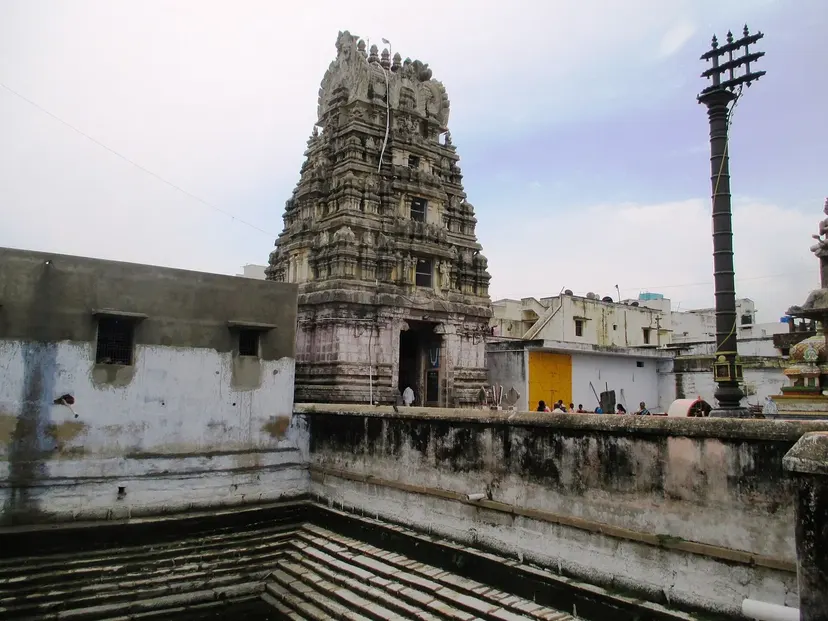
The temple is best known for two things: a vimana (sanctum tower) built in three storeys, with Vishnu shown seated, reclining and standing on the three levels, and the long series of sculpted panels in its cloister that narrate the history of the Pallava dynasty. It is one of the 108 Divya Desams of the Sri Vaishnava tradition and, according to the district administration, is under the Archaeological Survey of India as a protected monument.
Faith & Tradition
Religious Significance of Vaikunta Perumal Temple (Tiru Parameswara Vinnagaram), Kanchipuram
Tiru Parameswara Vinnagaram is counted among the 108 Divya Desams, the Vishnu shrines praised in the Nalayira Divya Prabandham. Wikipedia records that Thirumangai Alvar sang ten verses on the temple, and Dinamalar's temple guide notes that his hymn names Parameswara Varman as the king who worshipped here, which tradition links to the temple's name. It is one of the cluster of Divya Desams in Kanchipuram.
The temple's legend, as given by Dinamalar and summarised on Wikipedia, tells of a son born to the sage Bharadvaja who was raised by Vishnu in the guise of a hunter and later became the king Parameswaravarman; devotees believe that he built the temple and that it bears his name. A further tradition holds that Vishnu reclined here with his head to the north to win long life for this devotee, and that the boon was granted on Vaikunta Ekadasi. These are matters of belief; historians generally attribute the building to Nandivarman II.
Vaikunta Ekadasi in the month of Margazhi is, according to the district administration, the most important festival at the temple, and the reclining form on the first floor is associated with this day.
Heritage
History of Vaikunta Perumal Temple (Tiru Parameswara Vinnagaram), Kanchipuram
Scholars differ on the exact date. The World History Encyclopedia places the temple in the third quarter of the 8th century under Nandivarman Pallavamalla, a devotee of Vishnu unlike his largely Shaiva predecessors. Wikipedia notes that some writers give a date as early as 690 CE, while others, such as Rhie, place it around 770-775 CE and see it as a Vaishnava counterpart to the Shaiva Kailasanatha temple built some decades earlier by Rajasimha.
Inscriptions on the temple record royal patronage continuing into the 9th century; Wikipedia cites a gift of a golden vessel in the reign of Dantivarman. The sculptured panels around the shrine are an important historical record: according to the World History Encyclopedia they form a gallery of Pallava history from the dynasty's legendary origins to Nandivarman's own reign, though many panels are now worn. Wikipedia adds that panels show the Pallavas' wars with the Chalukyas and Gangas and the search for a successor after the early death of Paramesvaravarman II.
The Kancheepuram district website states that the temple is under the Archaeology Department of the Government of India, and Wikipedia describes it as administered by the ASI as a protected monument. Worship continues in the temple, which Dinamalar describes as following the Vaikhanasa agama.
Architecture and sacred features
The vimana is built in three storeys. According to the district administration and the World History Encyclopedia, Vishnu is installed in a different posture on each level: seated on the ground floor, reclining on the first and standing on the second, with a stairway inside the tower leading to the upper shrines. Wikipedia notes that the first-floor shrine is opened to devotees on Ekadashi days, and that the second floor is closed to devotees. Dinamalar calls the sanctum tower the Mukunda Vimana and notes that the temple is locally called 'Mummada Koil' for its three levels.
A covered walkway surrounds the vimana, its walls divided into the sculptured history panels. Photographs published by the World History Encyclopedia show the passage lined with lion pillars, and Wikipedia writes that the temple was built of granite and sandstone and has influenced later Vishnu temples such as those at Uthiramerur and Madurai. The district website notes that a mosque near the temple shares the same tank.
Plan Your Visit
Darshan and Visitor Information
This is both a protected monument and a living temple, so visitors should not touch or lean on the carved panels and pillars, and should follow any photography rules posted on site. Footwear is removed before entering the shrine. The upper shrines are opened only on particular days. Confirm current darshan timings, access to the upper storeys and festival arrangements locally with the temple and the ASI before visiting.
Timings and arrangements change with seasons and festivals. Confirm current details with Archaeological Survey of India (protected monument) before travelling. Last reviewed 1 November 2026.
Sacred Calendar
Festivals at Vaikunta Perumal Temple (Tiru Parameswara Vinnagaram), Kanchipuram
Vaikunta Ekadasi
Described by the district administration as the temple's most important festival; tradition associates the reclining form and the boon of long life with this day.
Vaikasi Brahmotsavam
A ten-day annual festival, according to Dinamalar's temple guide.
Location
How to Reach Vaikunta Perumal Temple (Tiru Parameswara Vinnagaram), Kanchipuram
The temple is in Kanchipuram town. The Kancheepuram district website says it is within walking distance of the Kancheepuram bus stand, and Dinamalar describes it as within walking distance of Kancheepuram railway station. Chennai is the nearest airport, according to Dinamalar.
Location: Kanchipuram, Tamil Nadu, India
Nearest airport: Chennai (per Dinamalar)
Nearest railway station: Kancheepuram (within walking distance, per Dinamalar)
More in Hindu temples in Tamil Nadu · Vishnu (as Vaikunta Perumal / Paramapadanathar) temples · Temples in Kanchipuram Taluk · Temples in Kanchipuram District
Questions
Vaikunta Perumal Temple (Tiru Parameswara Vinnagaram), Kanchipuram: Frequently Asked Questions
Who built the Vaikunta Perumal Temple in Kanchipuram?
It is generally attributed to the Pallava king Nandivarman II (Pallavamalla) in the 8th century. Temple tradition links the name Parameswara Vinnagaram to a king called Parameswaravarman.
Why does the temple have three levels?
The vimana is built in three storeys, with Vishnu shown seated on the ground floor, reclining on the first floor and standing on the second floor.
What do the sculpture panels show?
The panels in the covered walkway around the shrine narrate the history of the Pallava dynasty, from its legendary origins to Nandivarman's reign, including wars and royal succession. Many are now weathered.
Is Vaikunta Perumal Temple a Divya Desam?
Yes. As Tiru Parameswara Vinnagaram it is one of the 108 Divya Desams, praised by Thirumangai Alvar.
Who maintains the temple?
It is an ASI-protected monument, and the district administration says it is under the Archaeology Department of the Government of India.
Which festivals are celebrated at Vaikunta Perumal Temple?
Vaikunta Ekadasi in Margazhi (December-January) is the most important, and a ten-day Brahmotsavam is held in Vaikasi (May-June).
Sources and attribution
- Kancheepuram District Administration, Government of Tamil Nadu — Places of Interest
- World History Encyclopedia (Anantha Krishnan, 2019) — On the Pallava Trail in Kanchipuram
- Dinamalar — Sri Paramapada Nathar (Vaikunda Perumal) temple
- Wikipedia — Tiru Parameswara Vinnagaram
Further reading: Vaikunta Perumal Temple (Tiru Parameswara Vinnagaram), Kanchipuram on Wikipedia (CC BY-SA 4.0).
Spotted an error? Write to info@hindutone.com — see our editorial policy.