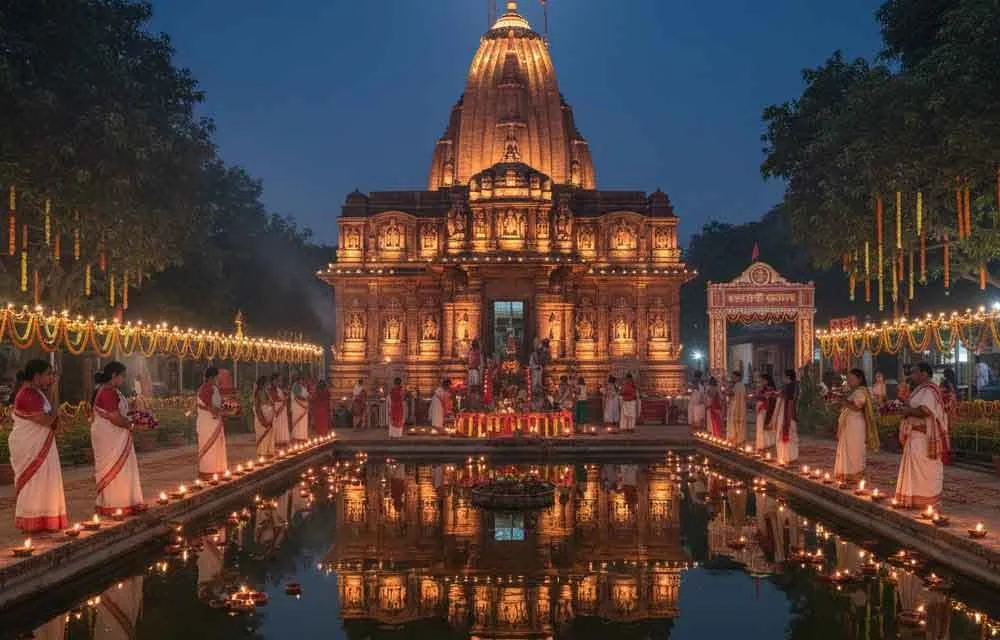
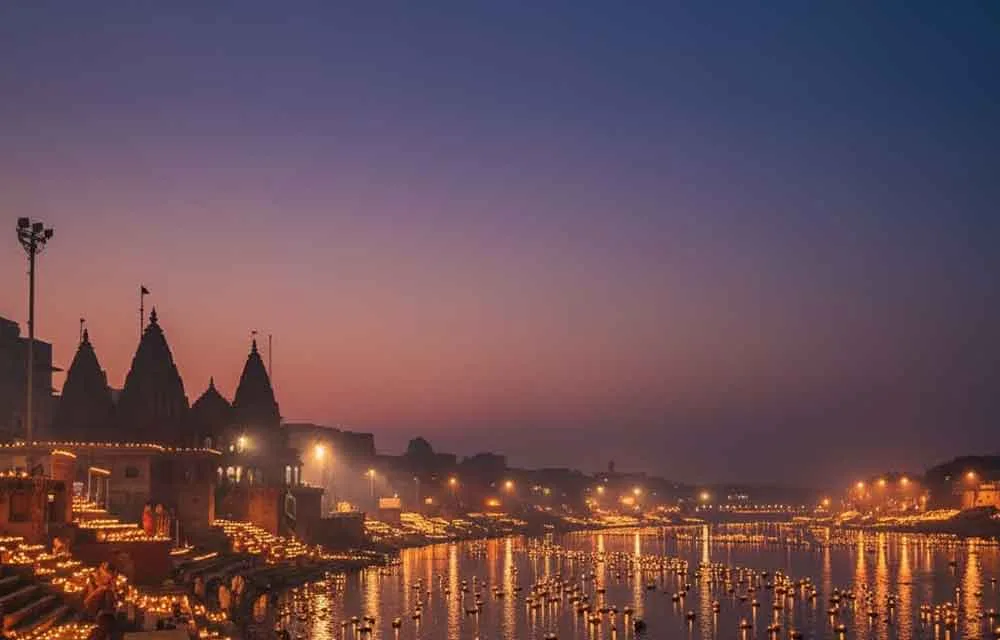
Celebrating Kartika Vana Bhojanalu: A Sacred Journey of Devotion Among Hindus in the USA
How Hindu families and Telugu associations in the USA keep the Karthika Vana Bhojanam alive: when to hold it in 2026, the amla tree puja, what to cook and how to adapt to American parks and weather.
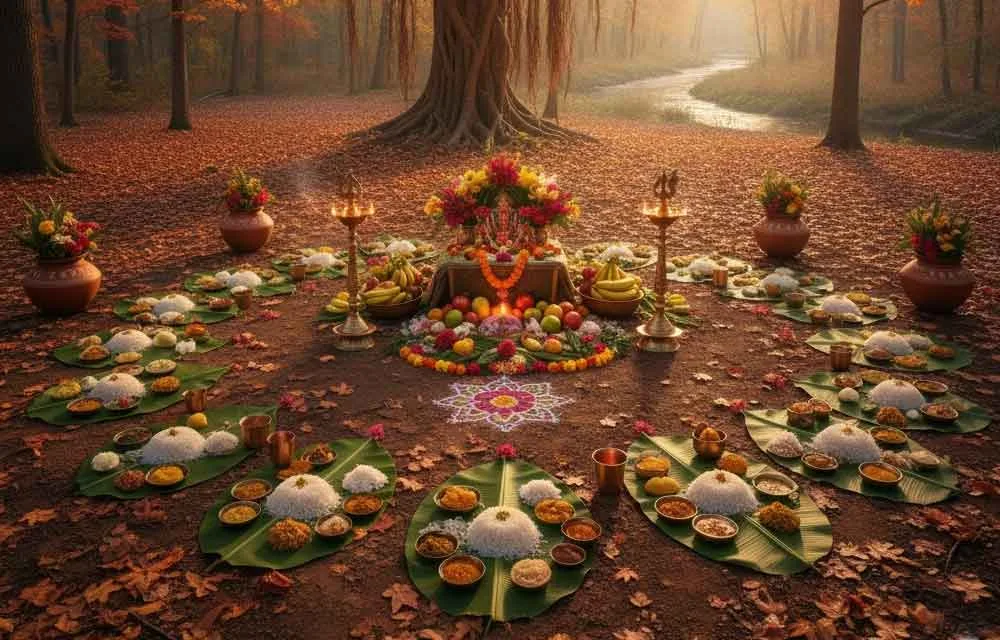
Kartika Vana Bhojanalu, the "forest feast" of Karthika Masam, is one of the happiest customs Telugu families carry with them abroad. Across the USA, families, temples and Telugu associations gather in parks and on temple grounds, worship Vishnu as Damodara and the amla (usiri) tree, and share a sattvic meal together. This guide covers what the custom is, when to hold it in 2026 and how communities in different parts of the country adapt it.
Last updated: 6 November 2026. For the full background of the custom, see our main guide, Karthika Vana Bhojanalu 2026.
What a Vana Bhojanam is
Vana Bhojanam means a meal taken in a grove. During Karthika, people go to a garden or grove with amla trees, perform puja to the tree and to Vishnu as Damodara, cook or bring a sattvic vegetarian meal, offer it as naivedyam and then eat together. It is a community picnic with devotion at its centre, especially loved in Andhra Pradesh and Telangana. It is not a fast: the heart of the day is the shared puja and the shared meal.
When to hold it in 2026
There is no single fixed date. A Vana Bhojanam can be held on any day of Karthika Masam. In the USA the month begins on Monday 9 November 2026, a day earlier than in India, where it runs from Tuesday 10 November to Tuesday 8 December. Most American groups choose a weekend so that working families can come. See Karthika Masam 2026 for the full calendar.
- Karthika Sundays: 15, 22 and 29 November and 6 December, the most popular days for a community outing.
- Akshaya Navami, also called Amla Navami, the day set apart for worshipping the amla tree (Wednesday 18 November in India; check a panchang for your city in the USA). See Akshaya Navami (Amla Navami) 2026.
- Ksheerabdi Dwadasi, when Telugu homes celebrate the Tulasi-Damodara kalyanam with an usiri branch beside the Tulasi (Saturday 21 November in India). See Ksheerabdi Dwadasi 2026.
- The weekend around Karthika Pournami (Tuesday 24 November in India; US dates are on that page).
The customs of the day
- Amla tree puja: water and a little milk at the root, turmeric and kumkum on the trunk, then flowers, akshata and a lamp. Many families tie a cotton thread around the trunk while walking around the tree.
- Damodara puja: a short puja to Vishnu with Tulasi leaves before anyone eats.
- Naivedyam first: the food is offered, then served to everyone together, often on leaf plates.
- Charity: food, warm clothes or money, given according to one's means.
- A lamp at dusk, if the group stays until evening, as part of the month's deepam.
How US communities adapt it
In the USA the custom usually takes the form of a community picnic organised by a temple, a Telugu association or a group of families. A short puja is followed by a potluck lunch, bhajans and games for the children. Because amla trees are rare outside warm regions, many groups worship amla fruit placed before a picture of Vishnu, or a Tulasi plant, with the same devotion.
Northeast and Midwest
November is cold and often wet from New England to the Great Lakes. Groups here often hold the puja and meal in a temple or community hall, or book a park pavilion for a short outdoor puja and eat indoors. Keep a backup indoor venue or a rain date.
South and Texas
Milder weather makes a park picnic practical through most of November. Book a pavilion early, because Karthika weekends overlap with other community events.
California and the West
Parks are usually pleasant in November, but fire rules can restrict open flames and outdoor cooking. Check the current rules for your park; where flames are not allowed, cook at home and use sealed or LED lamps.
A simple sattvic menu
The meal is vegetarian and, for most families, without onion and garlic, in keeping with the Karthika Masam food rules. Dishes that travel well include pulihora, curd rice, pongal, khichdi, payasam and laddoos. Amla pickle or amla chutney is a fitting addition. Label dishes for guests with allergies.
Practical checklist for organisers
- Pick the date early and tell families well ahead.
- Reserve a park pavilion or ask your local temple whether it hosts a Vana Bhojanam.
- Check the park's rules on cooking, open flames, amplified music and group size.
- Arrange the puja items: amla fruit or a Tulasi plant, a picture of Vishnu, lamps, flowers, turmeric, kumkum and cotton thread.
- Keep the puja short and print the Damodara prayer for those who do not know it: om namo bhagavate vasudevaya.
- Use biodegradable plates and take all waste home. Do not leave flowers, lamps or food at a tree in a public park.
For more ideas, see Vana Bhojanam for NRIs: bringing the forest feast to American parks and places in the USA suited to a group Vana Bhojanalu.
Editor's note (6 November 2026): this article was rewritten to remove unverified quotes, figures and event details. Dates follow Drik Panchang; check your local temple for its own Vana Bhojanam plans.
Frequently Asked Questions
What is Kartika Vana Bhojanalu?
It is a Karthika Masam custom of worshipping the amla tree and Vishnu as Damodara, then cooking or bringing a sattvic meal and eating it together in a grove or garden. In the USA it is usually a temple or community picnic.
When is Vana Bhojanalu in the USA in 2026?
There is no fixed date. In the USA Karthika Masam begins on Monday 9 November 2026, and most groups choose a weekend, especially the Karthika Sundays: 15, 22 and 29 November and 6 December.
Is Vana Bhojanalu a fast?
No. It is a shared puja and meal. Many people follow Karthika food rules, such as avoiding onion and garlic, but the day itself is a feast, not a fast.
What if there is no amla tree nearby?
Place amla fruit, which Indian grocery shops sell fresh, frozen or dried, before a picture of Vishnu and offer a lamp, or worship a Tulasi plant. The shared puja and meal are the heart of the custom.
Can we hold it in a public park?
Yes, many associations do. Reserve a pavilion, follow the park's rules on cooking and flames, and take all waste home.
Share this with family and friends
Send it on WhatsApp, post it, or copy the link.
More from Festivals
- Karthika Puranam Chapter 14 (Adhyaya 14) in English: Story, Meaning and Lesson | Karthika Masam 2026 Day 14
- Karthika Puranam Chapter 13 (Adhyaya 13) in English: Story, Meaning and Lesson | Karthika Masam 2026 Day 13
- Karthika Puranam Chapter 12 (Adhyaya 12) in English: Story, Meaning and Lesson | Karthika Masam 2026 Day 12
- Karthika Puranam Chapter 11 (Adhyaya 11) in English: Story, Meaning and Lesson | Karthika Masam 2026 Day 11
- Karthika Puranam Chapter 10 (Adhyaya 10) in English: Story, Meaning and Lesson | Karthika Masam 2026 Day 10