Hindu Calendar Months and Rituals: A Guide to Significance, Poojas, and Festivals
The Hindu calendar, also known as the Vikram Samvat or Shaka Samvat, is a lunisolar calendar that marks the passage of time based on both the moon's cycles and…

The Hindu calendar, also known as the Vikram Samvat or Shaka Samvat, is a lunisolar calendar that marks the passage of time based on both the moon's cycles and…
The Hindu calendar, also known as the Vikram Samvat or Shaka Samvat, is a lunisolar calendar that marks the passage of time based on both the moon's cycles and the solar year. Each month in the Hindu calendar has its own spiritual significance, festivals, and rituals, often aligned with the seasons and the cosmic order. These months serve as reminders of the divine presence in daily life and the eternal rhythm of nature.
In this article, we explore the 12 months of the Hindu calendar, the rituals associated with each, the deities to whom poojas are offered, and their overall significance.
1. Chaitra (March-April): The Start of the Hindu Year
Chaitra marks the beginning of the Hindu calendar year and is considered an auspicious time for new beginnings. It is a month of renewal and celebration, observed with key festivals celebrated across India.
Major Festivals and Rituals:
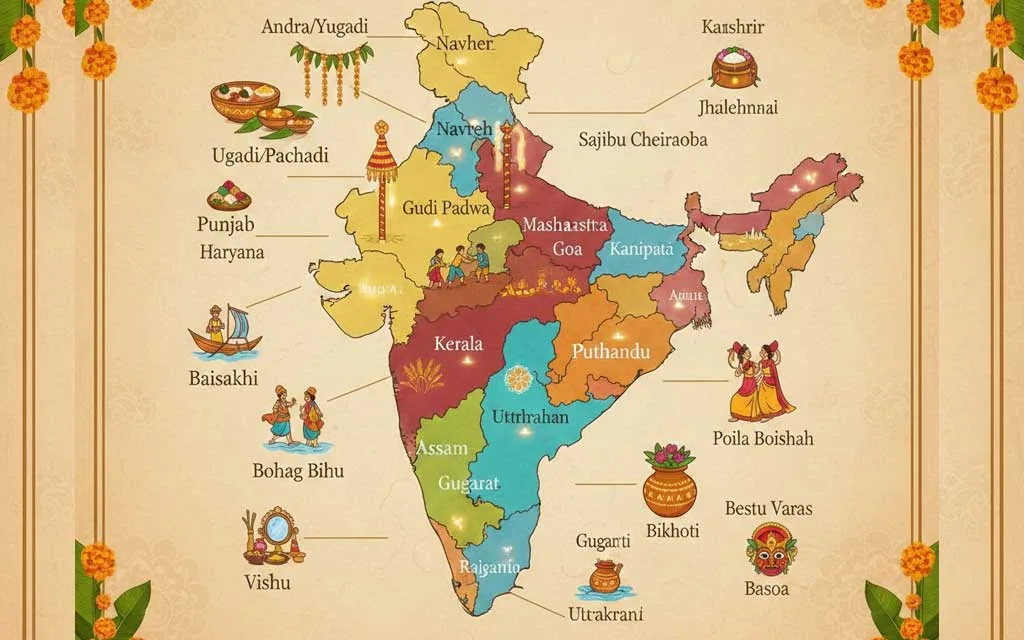
- Ugadi (Andhra Pradesh and Karnataka) and Gudi Padwa (Maharashtra) – Hindu New Year celebrations.
- Chaitra Navratri – A nine-day festival dedicated to worshipping Goddess Durga.
Deities:
- Lord Brahma, the creator of the universe.
- Goddess Durga.
2. Vaisakha (April-May): The Month of Abundance
Vaisakha is associated with the blossoming of nature and the promise of abundance. This month is ideal for beginning new ventures and honoring prosperity.
Major Festivals and Rituals:
- Akshaya Tritiya – An auspicious day for starting new endeavors and making investments.
- Buddha Purnima – Celebrating the birth, enlightenment, and death of Lord Buddha.
Deities:
- Lord Vishnu.
- Lord Buddha.
3. Jyeshtha (May-June): The Peak of Summer
Jyeshtha is the hottest month of the year and is marked by rituals focused on protection and nurturing. The festivals during this month reflect the community’s deep connection with nature.
Major Festivals and Rituals:
- Vat Purnima – Married women fast for the well-being of their husbands.
- Ganga Dussehra – Celebrating the descent of the Ganges from heaven to earth.
Deities:
- Lord Shiva.
- Goddess Ganga.
4. Ashadha (June-July): Monsoon and Devotion
As the rains arrive, Ashadha is filled with festivals of devotion. The month is particularly significant for devotees of Lord Jagannath and Lord Vishnu.
Major Festivals and Rituals:
- Rath Yatra – The grand procession of Lord Jagannath, Balabhadra, and Subhadra.
- Devshayani Ekadashi – Marking the beginning of Lord Vishnu’s four-month rest.
Deities:
- Lord Jagannath.
- Lord Vishnu.
5. Shravana (July-August): The Holiest Month
Shravana is considered the most spiritually significant month in the Hindu calendar, with Lord Shiva worship being the highlight. Devotees fast and offer prayers to seek his blessings.
Major Festivals and Rituals:
- Shravana Somvar – Devotees fast every Monday to honor Lord Shiva.
- Nag Panchami – Worshipping serpents for protection and blessings.
Deities:
- Lord Shiva.
- Lord Krishna.
6. Bhadrapada (August-September): Time of Harvest and Fasting
As the harvest season begins, Bhadrapada is marked by festivals of gratitude, fasting, and devotion. It's a time for deep introspection and paying homage to Lord Ganesha.
Major Festivals and Rituals:
- Ganesh Chaturthi – Celebrating the birth of Lord Ganesha.
- Rishi Panchami – Honoring the seven great sages (Sapta Rishis).
Deities:
- Lord Ganesha.
- Lord Vishnu.
7. Ashwin (September-October): Victory of Good over Evil
Ashwin is a powerful month filled with festivals celebrating the triumph of good over evil. It is marked by vibrant celebrations like Navratri and Dussehra.
Major Festivals and Rituals:
- Navratri – Nine days of worshipping Goddess Durga.
- Dussehra – Celebrating the victory of Lord Rama over Ravana.
Deities:
- Goddess Durga.
- Lord Rama.
8. Kartika (October-November): Month of Lights
Kartika is celebrated as a month of light, purity, and devotion. The famous festival of Diwali is the central highlight, bringing families together in celebration.
Major Festivals and Rituals:
- Diwali – The festival of lights, celebrating Lord Rama’s return to Ayodhya.
- Kartik Purnima – Celebrating the divine victory of Lord Vishnu.
Deities:
- Lord Vishnu.
- Goddess Lakshmi.
9. Margashirsha (November-December): Month of Devotion
Margashirsha is considered a sacred month for worship and devotion. It is a time of deeper connection with the Bhagavad Gita and Lord Krishna.
Major Festivals and Rituals:
- Gita Jayanti – Commemorating the day Lord Krishna delivered the Bhagavad Gita.
- Margashirsha Purnima – An auspicious full moon day.
Deities:
- Lord Krishna.
10. Pausha (December-January): The Month of Winter Solstice
Pausha coincides with the winter solstice, marking the start of the sun's journey northward. It is a time of gratitude and renewal.
Major Festivals and Rituals:
- Pausha Purnima – A significant day for bathing in sacred rivers.
- Makar Sankranti – Celebrated with kite flying and prayers to Lord Surya (the sun god).
Deities:
- Lord Surya.
- Lord Vishnu.
11. Magha (January-February): The Month of Purification
Magha is a month of purification, both spiritually and physically. People perform rituals and poojas to cleanse their karma and seek blessings.
Major Festivals and Rituals:
- Magha Purnima – Marked by taking a dip in the Ganges to wash away sins.
- Vasant Panchami – Dedicated to Goddess Saraswati, the deity of knowledge and learning.
Deities:
- Goddess Saraswati.
- Lord Shiva.
12. Phalguna (February-March): Month of Holi and Festivities
Phalguna, the final month of the Hindu calendar, is synonymous with vibrant celebrations like Holi and Maha Shivaratri. It's a time of spiritual renewal and joy.
Major Festivals and Rituals:
- Maha Shivaratri – Devoted to Lord Shiva, marking the day of his cosmic dance.
- Holi – The festival of colors, celebrating the arrival of spring and the victory of good over evil.
Deities:
- Lord Shiva.
- Lord Vishnu.
Conclusion: Spiritual Importance of Following the Hindu Calendar
The Hindu calendar provides a spiritual roadmap for devotees, guiding them through the seasons with festivals, poojas, and rituals that honor the deities and celebrate life. By observing the rituals specific to each month, devotees align themselves with nature's rhythm and strengthen their connection with the divine. Each month carries its unique energy, reminding Hindus to live mindfully, observe the cosmic cycles, and uphold dharma (righteousness).
Frequently Asked Questions
Which month begins the Hindu calendar year?
Chaitra (March-April) begins the Hindu year and is considered auspicious for new beginnings. Ugadi in Andhra Pradesh and Karnataka and Gudi Padwa in Maharashtra mark the Hindu New Year.
Which Hindu month is considered the holiest?
Shravana (July-August) is considered the most spiritually significant month. Devotees fast every Monday for Lord Shiva on Shravana Somvar and worship serpents on Nag Panchami.
Which festivals fall in the month of Kartika?
Kartika (October-November) is the month of lights, with Diwali as its central highlight, celebrating Lord Rama's return to Ayodhya. Kartik Purnima, celebrating the divine victory of Lord Vishnu, also falls in this month.
Which month is Maha Shivaratri celebrated in?
Maha Shivaratri falls in Phalguna (February-March), devoted to Lord Shiva. Holi, the festival of colors, also falls in this month and celebrates the arrival of spring.
Is the Hindu calendar based on the moon or the sun?
The Hindu calendar, also known as Vikram Samvat or Shaka Samvat, is lunisolar. It follows both the moon's cycles and the solar year, so festivals align with the seasons.
When is Ganga Dussehra and who is worshipped in that month?
Ganga Dussehra falls in Jyeshtha (May-June), which is the hottest month. It celebrates the descent of the Ganges from heaven to earth, and Lord Shiva and Goddess Ganga are the deities of the month.