
Maha Kumbh Mela
The Maha Kumbh Mela is the largest religious gathering on Earth — over 660 million pilgrims attended Prayagraj's 2025 Maha Kumbh across its 45-day window. The festival rotates between four cities (Prayagraj, Haridwar, Ujjain, Nashik) on a 12-year cycle determined by Jupiter's position relative to the Sun and Moon. Bathing in the sacred rivers during specified planetary windows (Shahi Snan) is believed to release the soul from the cycle of birth and rebirth — a teaching rooted in the Samudra Manthan story where drops of amrita (immortality nectar) fell at these four locations. HinduTone's Maha Kumbh hub covers the full festival cycle: the four host cities and their next-Mela dates (Haridwar 2027, Nashik 2027, Ujjain 2028, Prayagraj 2037), the science of the Kumbh calendar (Brihaspati in Vrishabha + Sun in Makara for Prayagraj), the akhada hierarchy (the 13 recognised akhadas of Naga Sadhus and Vairagis), Shahi Snan dates and the order of procession, and the spiritual significance of bathing at the Triveni Sangam — the meeting point of the visible Ganga, the visible Yamuna and the unseen Saraswati. We also document the cultural side: the Kalpvasis who live on the floodplain for the full month of Magh, the panel discussions and Dharm Sansads convened by Shankaracharyas during the Mela, the food and shelter (Kalpvas seva), and how to plan a respectful pilgrimage if you've never been to a Mela before. Browse the latest articles below.
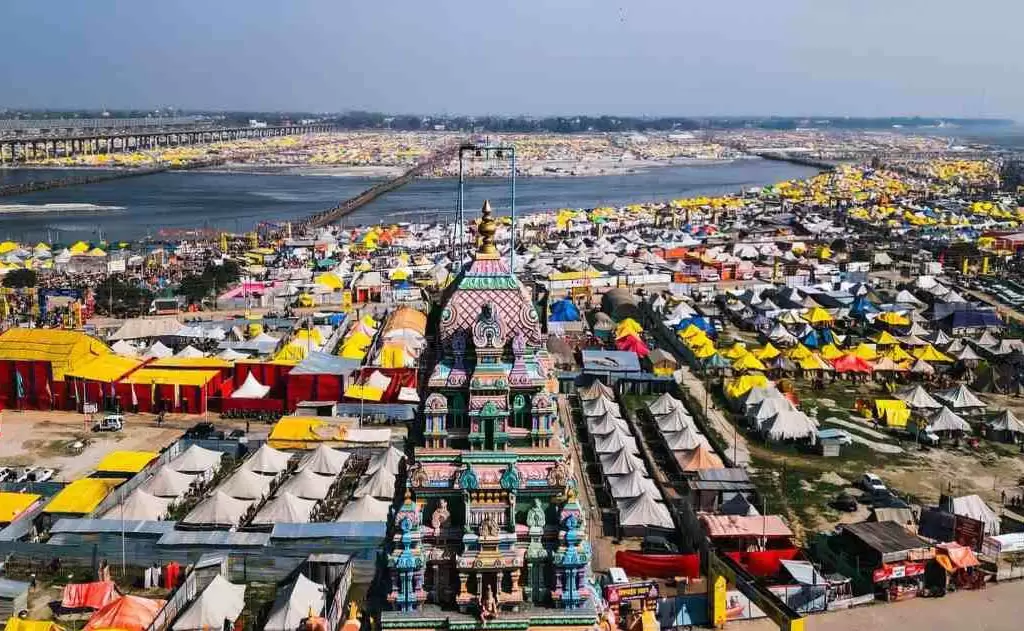
Maha Kumbh 2025 Legacy — 13 Months Later: Records, Spiritual Impact, NRI Pilgrim Stories & Next Ardh Kumbh 2027 Preview
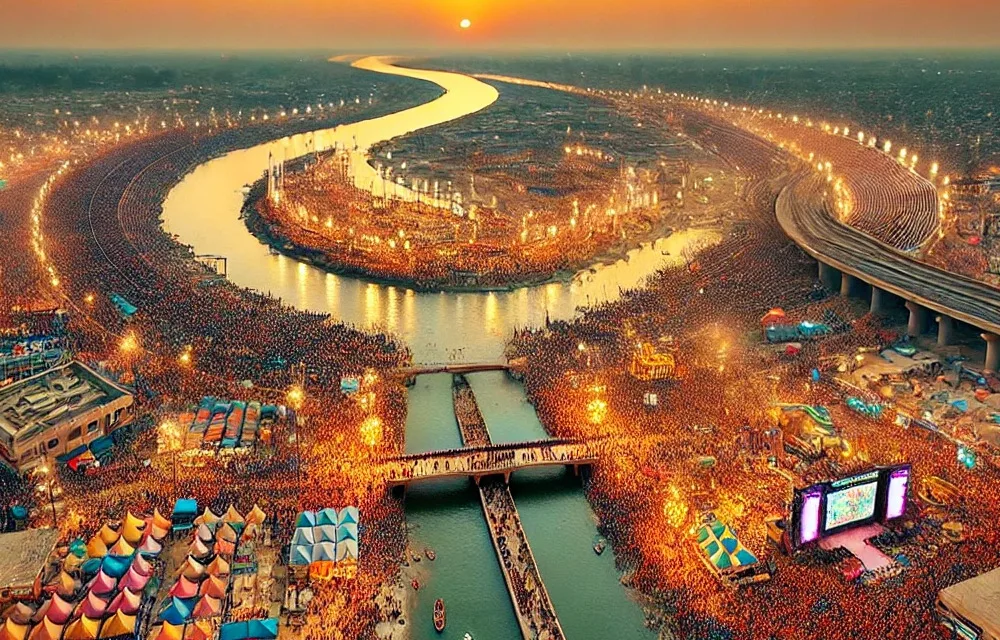
Hinduism’s Global Stage: How Maha Kumbh 2025 Redefined Spiritual Tourism
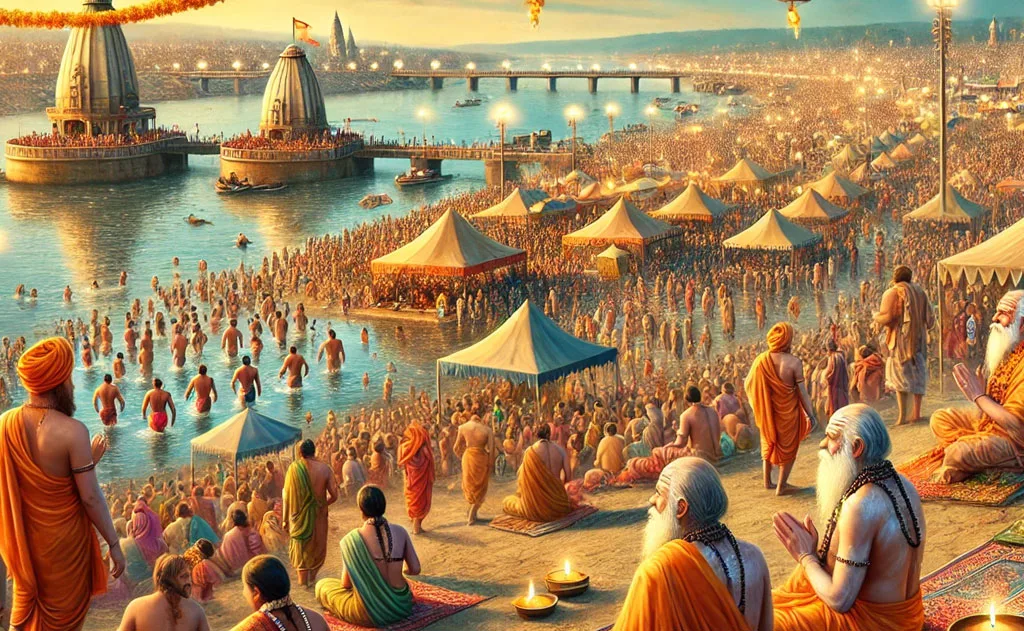
The Maha Kumbh Mela: A Sacred Journey for Every Hindu
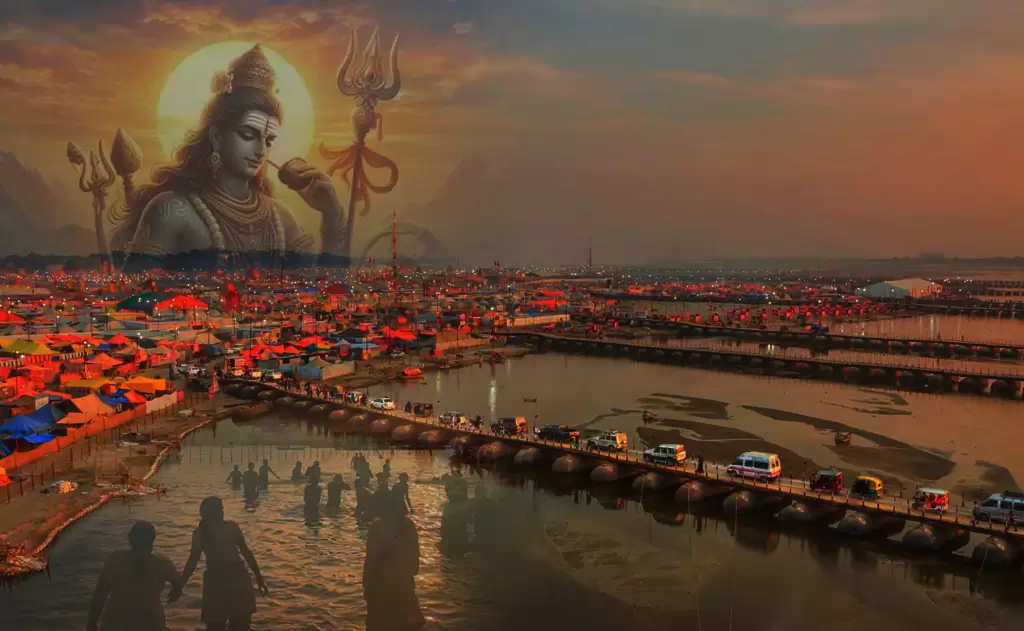
Kumbh Mela 2025: End Date, Holy Dip Opportunities, and Key Shahi Snan Dates
Astrological Significance of Shiva Rathri and Its Relationship with Maha Kumbh Mela This Year

The Greatest Records Achieved by Maha Kumbh Mela: A Historic Gathering of Faith
Explore the Maha Kumbh Mela cluster
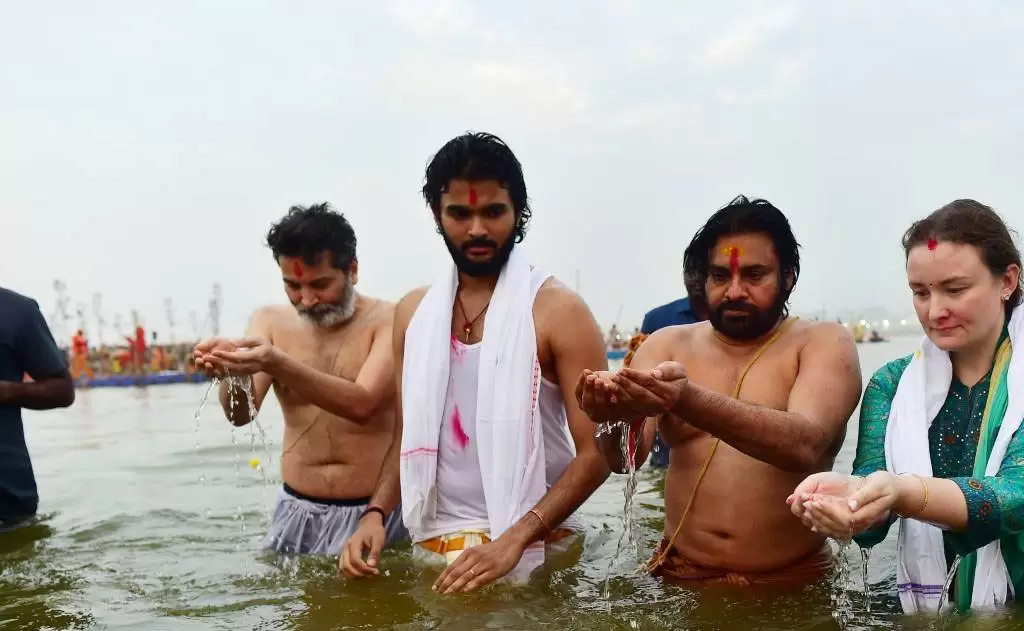
Maha Kumbh Mela 2025: Shri #PawanKalyan’s Holy Dip & Aarti at Triveni Sangam
Maha Kumbh Mela: Differences We Can Expect in the Next 144 Years
Kumbha Sankranti 2025: Significance, Rituals, and Celebrations

Magha Pournami: Its Spiritual Significance and Sacred Bond with Maha Kumbh Mela
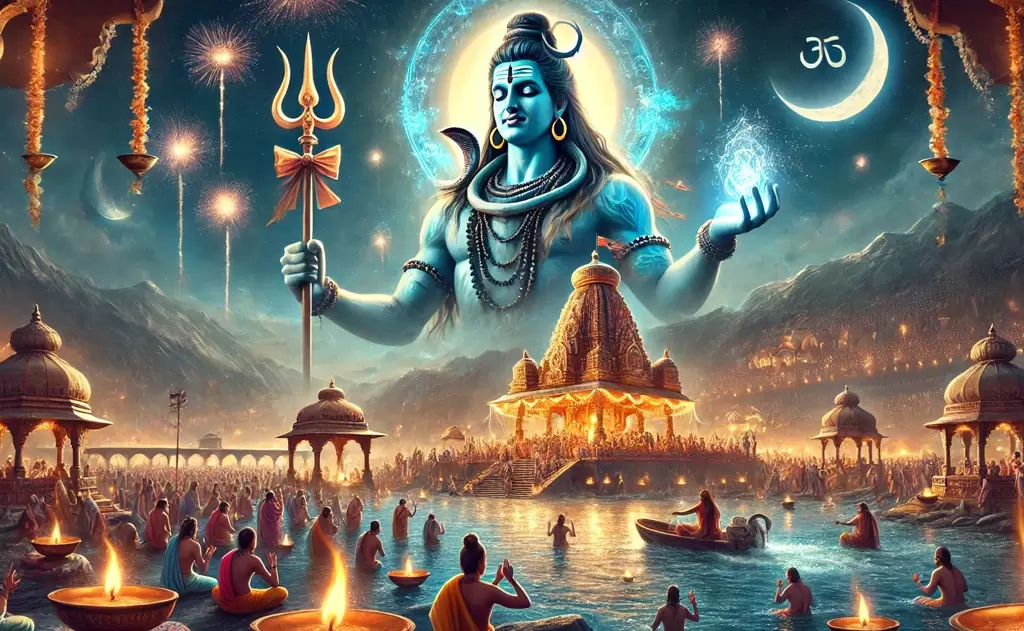
Maha Shivaratri and Maha Kumbh Mela: A Sacred Union of Devotion, Rituals, and Astrology
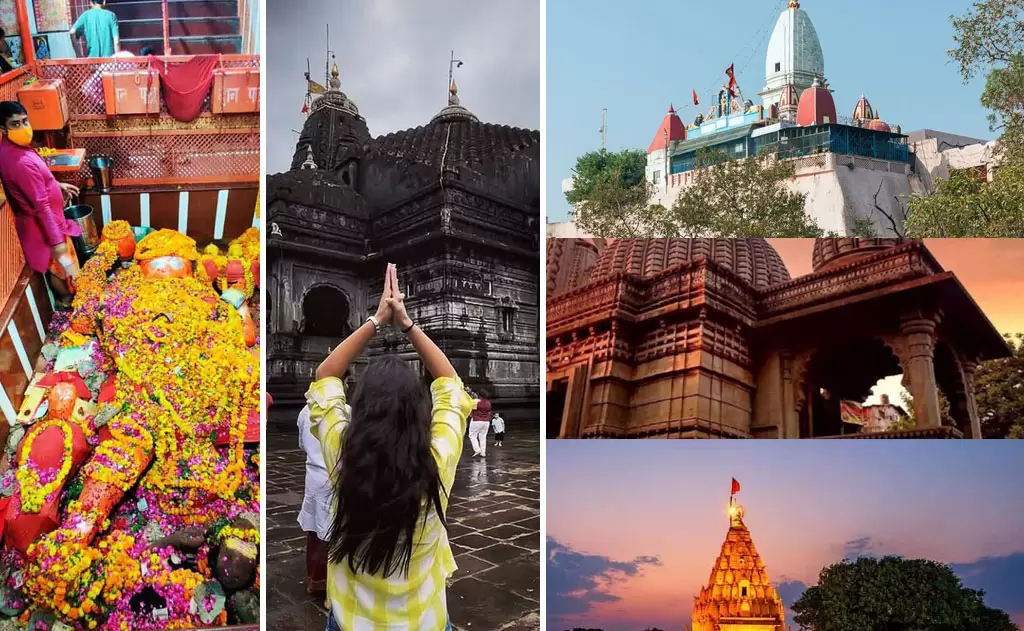
Top 5 Temples to Visit Near the Maha Kumbh Mela Locations

Top Spiritual Rituals to Experience at the Maha Kumbh Mela

Maha Kumbh Mela for Hindu Families: Why It’s an Important Tradition to Pass On

1881 Kumbh Mela vs 2025 Maha Kumbh Mela: A Historical and Future Perspective
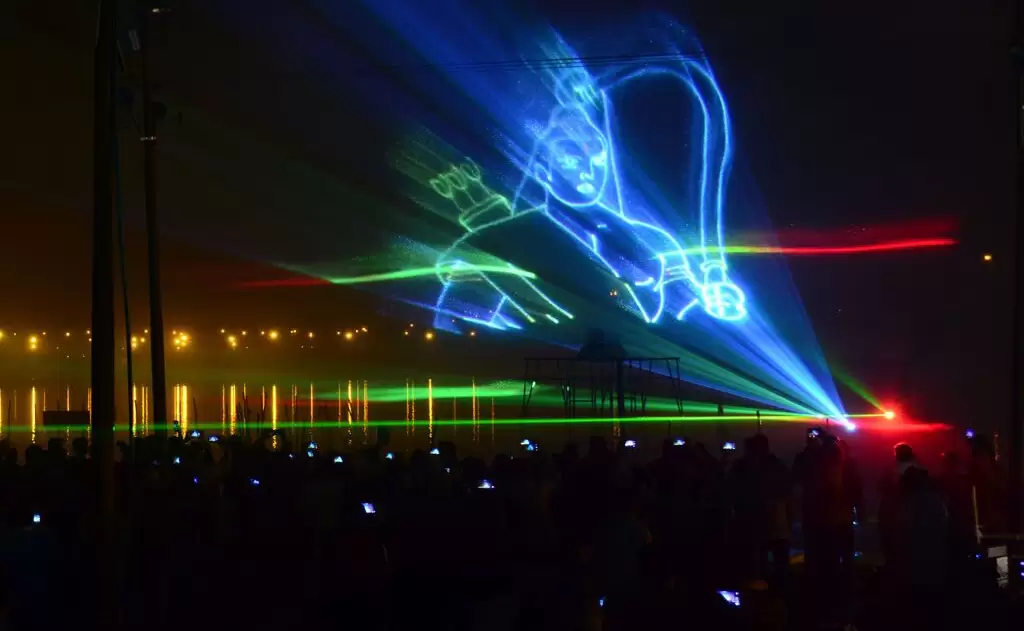
Last night, there was a lighting show in Prayagraj.
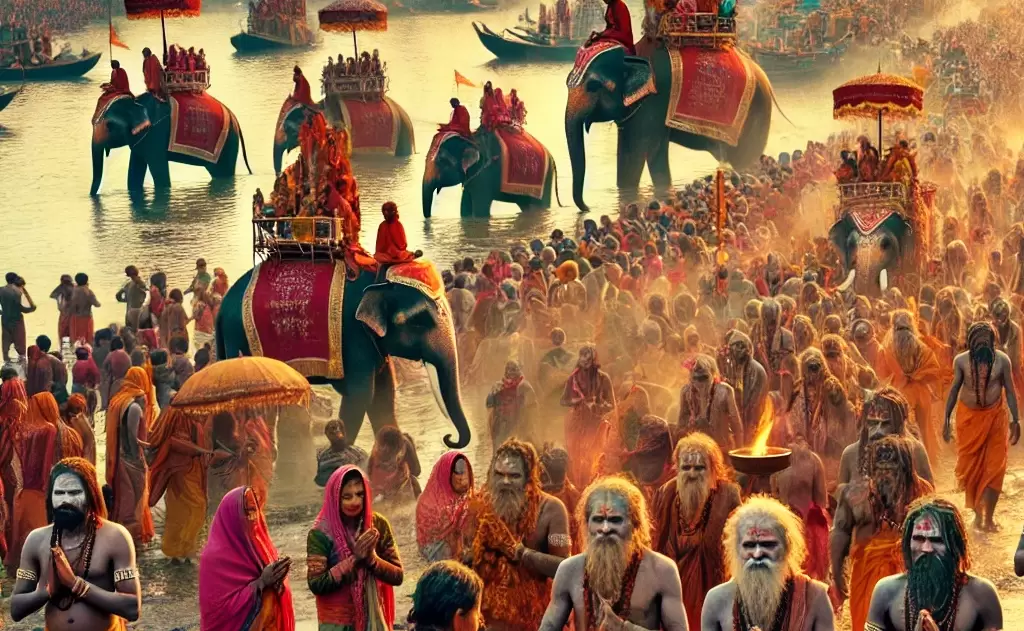
Why Every Hindu Should Visit the Maha Kumbh Mela
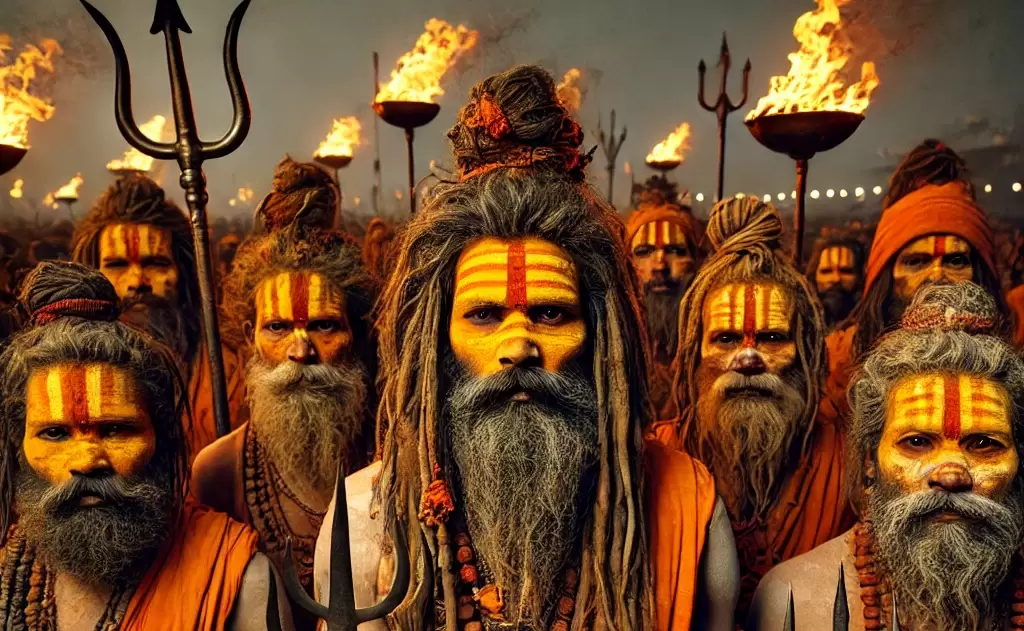
Naga Sadhus: Unveiling the Life, Culture, and Spiritual Service of Hinduism’s Warrior Ascetics.
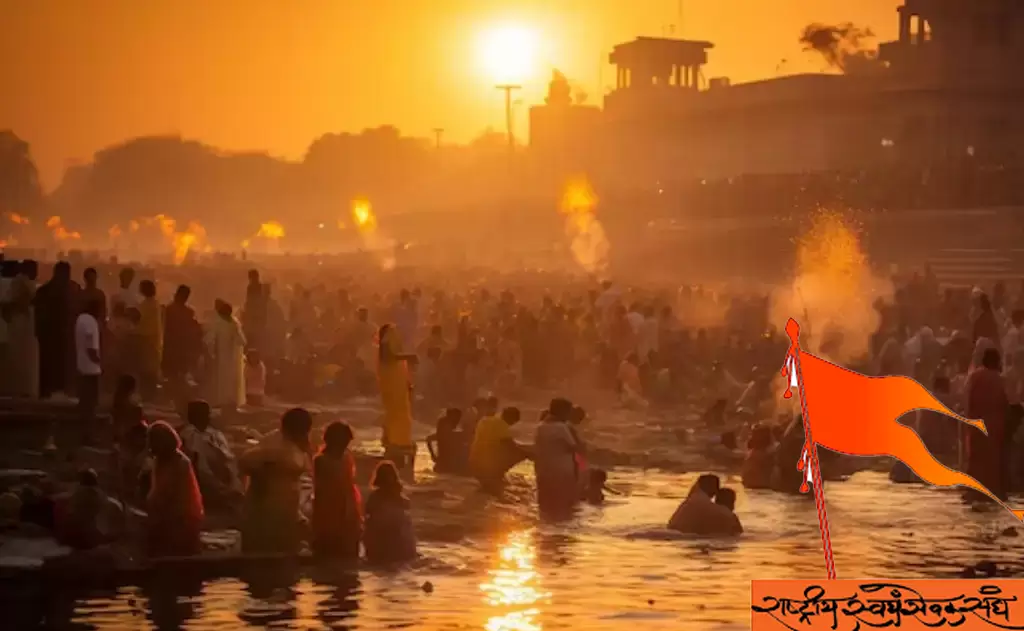
RSS's Heartfelt Contribution to Maha Kumbh Mela 2025

The relationship between Mahavatar Babaji and the Maha Kumbha Mela
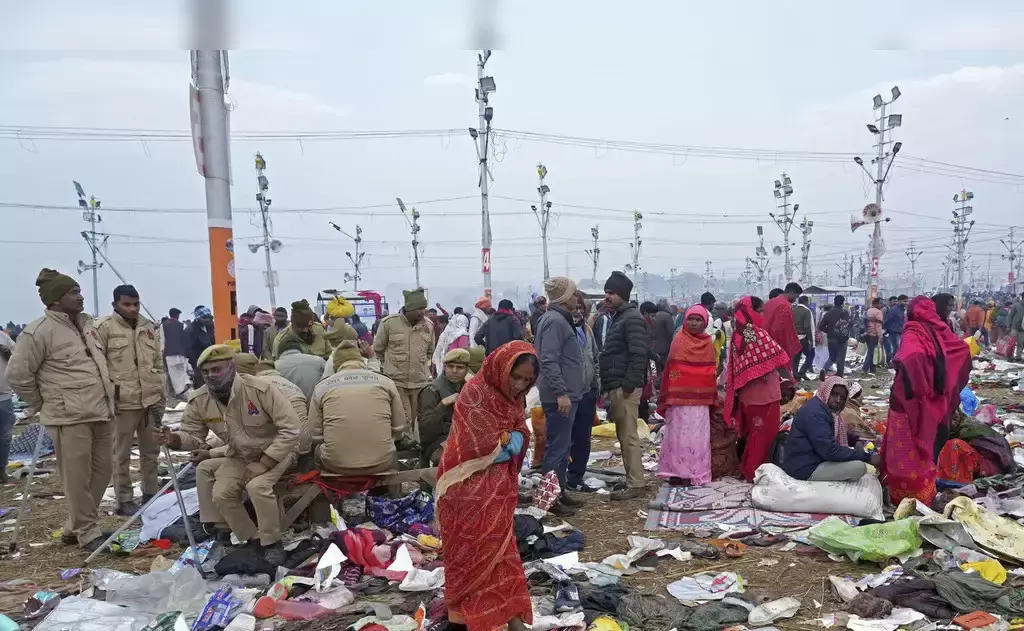
The Impact of VIP Culture at Mahakumbh Mela: A Threat to Public Safety and Equality

Notable Stampede Incidents in kumbh melas:

"Understanding Stampedes at Maha Kumbh Mela: Causes, Prevention, and Ensuring Devotee Safety"

Tragic Incident at the Mahakumbh Mela on Mauni Amavasya
Frequently asked questions
When is the next Maha Kumbh Mela?
The 2025 Prayagraj Maha Kumbh ended on Maha Shivaratri (26 Feb 2025). The next major Melas: Ardh Kumbh at Haridwar in 2027, Simhastha Kumbh at Nashik in 2027 and Ujjain in 2028. The next Maha Kumbh at Prayagraj is in 2037.
What are the Shahi Snan dates?
Shahi Snans are the auspicious "royal bathing" days when the akhadas process to the Sangam in formation. Prayagraj 2025 had 6 main snan days including Mauni Amavasya, Vasant Panchami and Maha Shivaratri. Future Melas publish dates 6–12 months in advance.
What is the Triveni Sangam?
The confluence at Prayagraj where the Ganga (visible green), Yamuna (visible brown) and Saraswati (mythical, underground) meet. Bathing here during the Mela is considered the most spiritually potent act of the Hindu calendar.
Who are the Naga Sadhus?
Renunciate monks of the Shaiva akhadas who live in austerity, often unclothed and covered in sacred ash (vibhuti). They emerge from their forest ashrams primarily during Kumbh Melas and lead the Shahi Snan processions.
Can foreign pilgrims attend the Kumbh?
Yes — the Mela is open to all. Sectors of the tent city have dedicated international-pilgrim camps. Many ISKCON, Arsha Vidya, and Chinmaya Mission centres organise group pilgrimages with translation, accommodation and akhada introductions for foreign devotees.