Kamika Ekadashi: A Sacred Gateway to Burn Generations of Karma
Kamika Ekadashi, one of the most powerful and spiritually transformative Ekadashis in the Hindu calendar, falls during the Krishna Paksha (waning phase) of the…
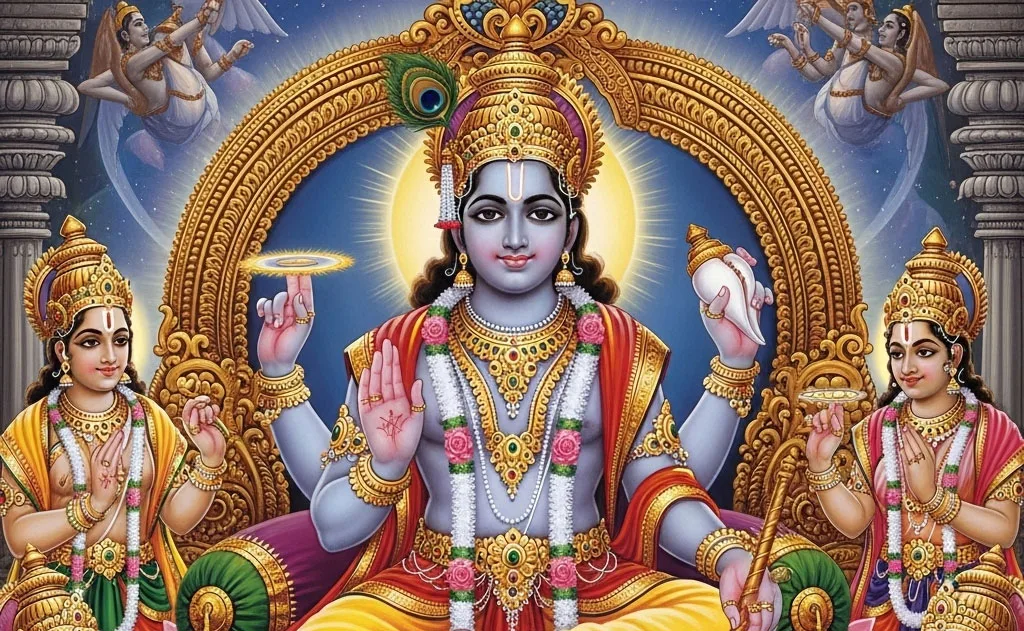
Kamika Ekadashi, one of the most powerful and spiritually transformative Ekadashis in the Hindu calendar, falls during the Krishna Paksha (waning phase) of the Shravana month (July–August). It is more than just a fasting day — it is a divine opportunity to cleanse past karmic debts, dissolve ego, and draw closer to Lord Vishnu, the Preserver of the Universe.
On this day, even a simple fast is said to yield results that lifetimes of penance may not achieve. It’s believed that observing Kamika Ekadashi washes away sins, fulfills desires, and liberates the soul from the cycle of rebirth.
The Significance of Kamika Ekadashi
According to the Brahmavaivarta Purana and Garuda Purana, Kamika Ekadashi is regarded as the destroyer of sins. Lord Krishna himself explains to Yudhishthira the benefits of observing this Ekadashi — declaring that even hearing about it brings punya (divine merit).
Why is it so powerful?
- It is a day when Bhagwan Vishnu is more accessible, His blessings flow more easily.
- Karma cleansing is most potent — especially past sins that linger across lifetimes.
- It offers a shortcut to spiritual progress, making it highly revered among saints and seekers.
The Legend (Vrat Katha) of Kamika Ekadashi
Once, a devout man accidentally killed a Brahmin. Despite sincere repentance, he could not rid himself of the sin. A rishi advised him to observe Kamika Ekadashi Vrat. On doing so with full faith and devotion, his soul was purified, and Lord Vishnu personally blessed him. The Vrat freed him from the bondage of sin and karmic burden.
This story reinforces the belief that even the gravest sins can be dissolved through genuine observance of this holy day.
Rituals and Vratas: How to Observe Kamika Ekadashi
1. The Day Before – Dashami Preparations
- Avoid tamasic food like onion, garlic, meat, and alcohol.
- Take a light vegetarian meal before sunset.
- Chant Vishnu mantras or read Vishnu Sahasranama.
2. On Ekadashi Day
- Wake up during Brahma Muhurta (4 AM – 6 AM).
- Take a holy bath with tulsi or sandalwood-infused water.
- Set up an altar with Lord Vishnu’s idol or image.
- Offer tulsi leaves, yellow flowers, incense, lamp, and fruits.
Fasting (Vrat) Options:
- Nirjala (waterless fast): For advanced devotees.
- Phalahar (fruit & milk): Most commonly observed.
- Saatvik Ekadashi meal once: For those with health issues.
Fasting should be accompanied by mental purity, mantra chanting, and introspection.
3. Night Vigil and Vishnu Worship
Stay awake during the night, sing bhajans, and recite Vishnu-related scriptures like:
- Bhagavad Gita
- Vishnu Sahasranama
- Purusha Suktam
Temple Visits and Pilgrimage
Devotees flock to Vishnu temples, especially:
- Tirumala Venkateswara Temple (Tirupati)
- Srirangam Ranganathaswamy Temple
- Jagannath Puri Temple
- Bhadrachalam Sri Rama Temple
- Udupi Krishna Temple
Offer tulsi archana, perform deep daan (lamp donation), and participate in kirtans. Temple visits on this day are considered equal to performing a yajna (sacrifice).
Powerful Slokas & Mantras to Chant on Kamika Ekadashi
Reciting these slokas with devotion is believed to amplify spiritual merit:
- Vishnu Gayatri Mantra
Om Narayanaya Vidmahe
Vasudevaya Dhimahi
Tanno Vishnuh Prachodayat - Vishnu Sahasranama
Recite the 1000 names of Lord Vishnu for purification and protection. - Purusha Suktam (Rig Veda)
A powerful Vedic hymn glorifying Lord Vishnu as the Supreme Being. - Maha Mantra
Hare Krishna Hare Krishna
Krishna Krishna Hare Hare
Hare Rama Hare Rama
Rama Rama Hare Hare
Chanting this repeatedly brings mental clarity, bhakti (devotion), and release from material attachments.
Kamika Ekadashi 2025 Date & Tithi
- Date: Sunday, July 20, 2025
- Ekadashi Tithi Begins: July 19, 2025, at 7:45 PM IST
- Tithi Ends: July 20, 2025, at 9:22 PM IST
- Parana (fast-breaking): July 21 morning (exact time based on sunrise)
Spiritual Benefits of Kamika Ekadashi
- Burns past karma
- Destroys sins from previous lives
- Enhances devotion and mental focus
- Leads to Vishnu loka (Vaikuntha) after death
- Grants peace, success, and moksha (liberation)
“Ekadashi vrata is the ladder to the spiritual sky.” – Padma Purana
Final Thoughts: Not Just a Fast — A Divine Opportunity
Kamika Ekadashi is not merely a ritual for the elderly. It's a spiritual accelerator. Whether you're a seeker, a student, or a householder — this is a rare cosmic window to align with higher energies and rewrite your karmic story.
Fast, meditate, chant, and surrender. The Lord is listening.
Stay Connected for More:
Follow www.hindutone.com for in-depth guides on Hindu festivals, temple traditions, Vedic wisdom, and spiritual practices.
Frequently Asked Questions
When is Kamika Ekadashi in 2025?
Kamika Ekadashi falls on Sunday, July 20, 2025. The tithi begins July 19 at 7:45 PM IST and ends July 20 at 9:22 PM IST, and the fast is broken (parana) on the morning of July 21 depending on sunrise.
Which Hindu month does Kamika Ekadashi fall in?
It falls in the Krishna Paksha (waning phase) of the Shravana month, roughly July to August. It is dedicated to Lord Vishnu and regarded as a destroyer of sins.
How do I observe the Kamika Ekadashi fast?
Eat a light vegetarian meal before sunset on Dashami, wake in Brahma Muhurta, bathe, and worship Vishnu with tulsi leaves, yellow flowers, incense, a lamp and fruits. Fasting options are nirjala, phalahar (fruit and milk) or one saatvik meal for those with health issues.
What mantras are chanted on Kamika Ekadashi?
Devotees chant the Vishnu Gayatri Mantra, the Vishnu Sahasranama, the Purusha Suktam and the Hare Krishna Maha Mantra. Reading the Bhagavad Gita and singing bhajans during the night vigil is also customary.
What is the legend behind Kamika Ekadashi?
As commonly told, a devout man who accidentally killed a Brahmin could not shake off the sin despite sincere repentance. A rishi advised him to observe the Kamika Ekadashi Vrat, which purified him and earned Lord Vishnu's blessing.
Which temples do devotees visit on Kamika Ekadashi?
Devotees visit Vishnu temples such as Tirumala Venkateswara in Tirupati, Srirangam Ranganathaswamy, Jagannath Puri, Bhadrachalam Sri Rama and Udupi Krishna. They offer tulsi archana, donate lamps (deep daan) and join kirtans.
Share this with family and friends
Send it on WhatsApp, post it, or copy the link.
More from Spirituality
- Daiva Sankalpam (Divine Will): The Story of the Sadhu on the Sinking Boat
- Deeparadhana: Significance of Lighting the Lamp, Deepam Jyoti Parabrahma Meaning, Oil and Wicks
- Chilkur Balaji 'Visa Balaji' Temple: The 11 and 108 Pradakshina Custom Explained for NRIs
- Ekagrata (One-Pointedness): Yoga Concentration and Samyama Glossary
- Complete MBBS Once in Life: The Spiritual Meaning of Mahabharata, Bhagavatam, Bhagavad Gita & Ramayana
You might also like
Divine Story of Vaishaka Masam: How Rituals Bring Peace, Prosperity, and Spiritual Power
Sawan Somwar 2026: 4 Mondays, Vrat Vidhi & Mantras | HinduTone
Hindu Vrat Guide 2026 for Busy Professionals Abroad: Ekadashi, Pradosh, Shivratri, Karva Chauth & Sankashti Calendar with Office-Friendly Recipes