Kalpeshwar Temple
Shiva (as Kalpeshwar, worshipped in the form of his matted hair, jata) temple · Urgam (Devgram), Urgam valley, Chamoli, Uttarakhand, India
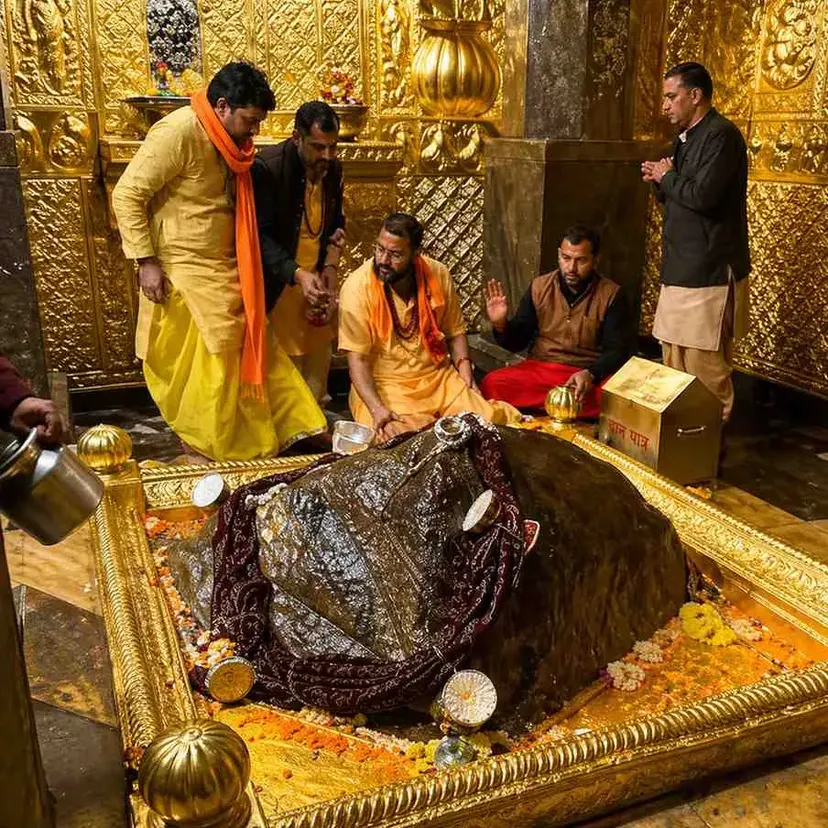
Kalpeshwar is a small Shiva shrine in the Urgam valley of Chamoli district, Uttarakhand, and the last of the five temples of the Panch Kedar. Here Shiva is worshipped in the form of his matted locks (jata), which the Shri Badrinath-Shri Kedarnath Temple Committee (BKTC) described as enshrined in rock inside the sanctum.
Unlike the other Panch Kedar shrines, which close for the winter, Kalpeshwar is described by Wikipedia and by the Free Press Journal as the only one of the five that remains open throughout the year. Wikipedia reports that a road now reaches close to the shrine, leaving only a short walk.
Faith & Tradition
Religious Significance of Kalpeshwar Temple
According to the Panch Kedar legend, Shiva avoided the Pandavas after the Kurukshetra war by taking the form of a bull, and when Bhima caught hold of it the bull sank into the ground. Parts of it are believed to have reappeared in five places: the hump at Kedarnath, the arms at Tungnath, the face at Rudranath, the navel at Madhyamaheshwar and the hair at Kalpeshwar. Devotees therefore worship Shiva here as the Lord of the matted locks, a form the Free Press Journal reports is also called Jatadhar or Jateshwar.
The Free Press Journal also reports a tradition that the sage Durvasa meditated at this spot. It says that daily rituals here are overseen by priests who follow the tradition of Adi Shankaracharya, and that offerings of flowers, incense and rice are commonly made. Devotees believe that completing the pilgrimage to all five Panch Kedar temples brings spiritual liberation.
Because it stays open in winter, Kalpeshwar is the only Panch Kedar temple where devotees can offer worship at the original shrine throughout the year.
Heritage
History of Kalpeshwar Temple
No inscription or dated record of the shrine's founding appears in the sources consulted. As with the other Panch Kedar temples, tradition credits the Pandavas with establishing the shrine; this is a matter of belief, not documented history.
The BKTC, which manages the main temples of the Kedarnath and Badrinath region, published a page on Kalpeshwar as one of the Panch Kedar on its website (archived in 2012). Its current website describes the nearby Dhyan Badri temple at Urgam, one of the Sapt Badri group of Vishnu temples, as lying in the same valley near Kalpeshwar.
Access has changed considerably. The BKTC's 2012 page described a 12 km trek from Helang on the Rishikesh–Badrinath road. Wikipedia now reports that a road reaches Devgram village, leaving only a short walk to the shrine, and the Free Press Journal (2026) describes travellers taking a jeep from Helang to Urgam.
Architecture and sacred features
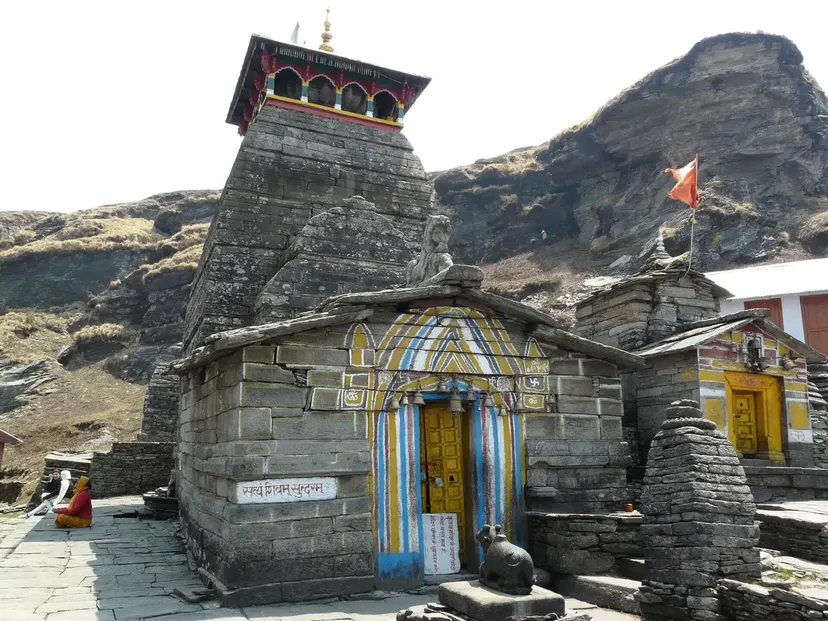
Kalpeshwar is a small rock temple rather than a large built structure. According to the BKTC, the sanctum, which holds the matted tresses of Shiva enshrined in rock, is approached through a natural cave passage. Wikipedia describes it as a small stone shrine in the North Indian Himalayan style, reached through this cave passage.
Plan Your Visit
Darshan and Visitor Information
Although the temple is open in every season, the road up the Urgam valley can be difficult in the monsoon and after winter snowfall, so check road conditions before setting out. Basic guesthouses and homestays are available in Urgam, according to the Free Press Journal. Respect the small size of the cave shrine and the local customs of worship, and confirm current access conditions with the Chamoli district administration before travelling.
Timings and arrangements change with seasons and festivals. Confirm current details with the temple administration before travelling. Last reviewed 1 November 2026.
Sacred Calendar
Festivals at Kalpeshwar Temple
Maha Shivaratri
Listed by Wikipedia as the temple's festival; as the shrine stays open in winter, devotees can worship at the original temple on this day.
Location
How to Reach Kalpeshwar Temple
The BKTC gives Helang, on the Rishikesh–Badrinath road, as the motor head, about 243 km from Rishikesh by bus or taxi. From Helang a road now runs up the Urgam valley; according to Wikipedia it reaches Devgram, leaving a walk of about 300 m to the shrine, though the road is rough and can be affected in the monsoon. The Free Press Journal describes the final walk from Urgam/Devgram as an easy one through apple orchards, terraced fields and forest beside the Kalpganga stream.
The nearest railhead is Rishikesh, about 255 km away, and the nearest airport is Jolly Grant near Dehradun, about 272 km away, according to the BKTC.
Location: Urgam (Devgram), Urgam valley, Chamoli, Uttarakhand, India
Nearest airport: Jolly Grant, Dehradun (about 272 km, per the BKTC)
Nearest railway station: Rishikesh (about 255 km, per the BKTC)
More in Hindu temples in Uttarakhand · Shiva (as Kalpeshwar, worshipped in the form of his matted hair, jata) temples · Temples in Urgam · Temples in Joshimath Tehsil · Temples in Chamoli District
Questions
Kalpeshwar Temple: Frequently Asked Questions
Which part of Shiva is worshipped at Kalpeshwar?
According to the Panch Kedar legend, the hair of Shiva's bull form reappeared here. Shiva is worshipped as his matted locks (jata), enshrined in rock inside the sanctum.
Is Kalpeshwar open in winter?
Yes. Kalpeshwar is described as the only Panch Kedar temple that remains open throughout the year, although snow and monsoon conditions can affect the road.
Where is Kalpeshwar Temple?
It is in the Urgam valley of Chamoli district, Uttarakhand, reached from Helang on the Rishikesh–Badrinath road.
How far is the walk to Kalpeshwar?
The old route was a 12 km trek from Helang. Wikipedia now reports that a road reaches Devgram, leaving a walk of about 300 m to the shrine.
What is the legend of Kalpeshwar?
Tradition holds that Shiva, avoiding the Pandavas, took the form of a bull and sank into the ground, reappearing in five places; the hair appeared at Kalpeshwar. A separate tradition says the sage Durvasa meditated here.
Which other temple is near Kalpeshwar?
The Dhyan Badri temple at Urgam, one of the Sapt Badri temples of Vishnu, is in the same valley, according to the BKTC.
Sources and attribution
- Shri Badrinath-Shri Kedarnath Temple Committee (Wayback Machine copy, February 2012) — Kalpeshwar
- Shri Badrinath-Shri Kedarnath Temple Committee — Other Temples – Dhyanbadari Temple at Urgam
- Free Press Journal — When To Visit Kalpeshwar? Here's To Know Everything About Fifth And Final Temple Of Panch Kedar (6 May 2026)
- Wikipedia — Kalpeshwar
Further reading: Kalpeshwar Temple on Wikipedia (CC BY-SA 4.0).
Spotted an error? Write to info@hindutone.com — see our editorial policy.