Diwali Fireworks Laws in the USA 2026: State-by-State Rules, Permits, Bans & Safety Guide
Are fireworks legal on Diwali in your US state? A 50-state guide to the right authority, with official rules checked for Ohio, Delaware, Massachusetts, Oregon, Washington, Utah and Indiana, plus permits, safety and alternatives.
Last updated: 25 October 2026. Diwali 2026 in the USA is Sunday 8 November (Lakshmi Puja), and the five-day festival runs from Dhanteras on Friday 6 November to Bhai Dooj on Tuesday 10 November.
Diwali is a time for lights, prayers, family gatherings, sweets and celebration. For millions of Hindu families across the United States, one question comes up every year: are Diwali fireworks legal in my state, and do I need a permit?
The answer depends on where you live. US fireworks laws differ by state, county, city, firework type, date and time. Some places allow certain consumer fireworks, while others prohibit most or all fireworks for private use.
This guide lists the authority to check in each of the 50 states and explains permits, local bans and safety. For seven states we read the official state page on 25 October 2026 and summarize what it says. For the others, the entry tells you who to ask, not what the answer is.
Important: Never assume fireworks are legal just because a store nearby sells them. Check the laws for your exact location before you buy, possess, transport or light fireworks.
Are Fireworks Legal on Diwali in the USA?
There is no single nationwide rule making consumer fireworks legal on Diwali across the United States. Federal agencies regulate some aspects of fireworks, but state and local authorities set most of the rules that affect ordinary consumers. Local fire restrictions and temporary emergency orders can add further limits.
Before lighting fireworks, check these five things:
- Whether consumer fireworks are legal in your state.
- Whether your county and city permit them.
- Whether the particular product is legal for consumer use.
- Whether Diwali is an authorized discharge date, and which hours are permitted.
- Whether you need a permit, the property owner's permission or another authorization.
The US Consumer Product Safety Commission (CPSC) publishes official fireworks safety guidance on its Fireworks Information Center.
State-by-State Diwali Fireworks Rules in the USA
The directory below covers all 50 states. It is meant to help you find the right authority before you decide anything. The entries are verification priorities, not a claim that every state's 2026 Diwali rules have been individually confirmed. Entries marked "Verified on 25 October 2026" summarize the official page we opened that day. Rules change, so always re-check the official source.
Northeast
- Connecticut: Check Connecticut state law and your municipal fire marshal for permitted consumer products, discharge restrictions and any applicable permits.
- Maine: Verify current state fireworks rules, local ordinances and any fire-danger restrictions before purchasing or using fireworks.
- Massachusetts: Massachusetts General Laws chapter 148, section 39 prohibits selling, possessing or using fireworks, and its definition expressly includes sparklers, fountains, firecrackers and rockets. The exception is a supervised display under a permit from the State Fire Marshal. Do not bring fireworks bought in another state. Official source: M.G.L. c.148 s.39 (Verified on 25 October 2026.)
- New Hampshire: Check state law and municipal requirements for the specific product, permitted dates and discharge location.
- Rhode Island: Verify current state restrictions and local fire authority requirements before planning a private fireworks celebration.
- Vermont: Consult current state law and local authorities to establish whether the specific consumer firework is permitted.
- New Jersey: Check state rules carefully because authorization can depend on the product category. Confirm whether your planned fireworks are allowed in your municipality.
- New York: Verify state restrictions and city or county rules. Do not assume that a product permitted in one part of New York is permitted in New York City or another municipality.
- Pennsylvania: Check state law and local ordinances for the permitted firework category, discharge hours and location restrictions.
- Delaware: The Delaware State Fire Marshal says certain fireworks are illegal to possess, sell or use in the state. Sparklers and ground-based items may be bought by people 18 or older, and sold in Delaware only from June 4 to July 4 and from December 1 to January 1. They may be used only on July 4, the third day of Diwali, December 31 and January 1. Because nothing may be sold in Delaware in November, plan ahead. See the note below on which date counts as the third day of Diwali. Official source: Delaware State Fire Marshal (Verified on 25 October 2026.)
Midwest
- Illinois: Verify whether your county or municipality permits consumer fireworks and whether the product is allowed under state law.
- Indiana: The Indiana Department of Homeland Security says state law generally bars consumer fireworks after 11 p.m. or before 9 a.m. Use is limited to your own property, another person's property with their permission, or a special discharge location. Local ordinances may restrict use outside the protected dates (June 29 to July 9 and New Year's Eve), and Diwali is not one of those dates, so check your city or county. 1.3G (special) fireworks require a supervised public display permit. Official source: Indiana DHS (Verified on 25 October 2026.)
- Michigan: Consult current state fireworks legislation and local government rules, including any restrictions on the timing and location of discharge.
- Ohio: Ohio's State Fire Marshal lists Diwali among the dates when 1.4G consumer fireworks may be discharged, from 4 p.m. to 11 p.m., unless your city, village, township or county bans or restricts them (local law controls). Only fireworks bought in Ohio may be discharged in Ohio. No one under 18 may handle or discharge them. You need the owner's express permission to use someone else's property, and aerial fireworks must be at least 150 feet from spectators and buildings. Official source: Ohio State Fire Marshal (Verified on 25 October 2026.)
- Wisconsin: Verify current state law and local ordinances. Some fireworks may require authorization even where other consumer products are permitted.
- Iowa: Check state consumer fireworks legislation, applicable local restrictions and discharge requirements before celebrating.
- Kansas: Verify permitted firework types, local dates and hours, and any fire-weather restrictions.
- Minnesota: Consult the Minnesota State Fire Marshal and local authorities for the current list of permitted and prohibited products.
- Missouri: Check the relevant municipal or county rules as well as state requirements. Local restrictions can differ significantly.
- Nebraska: Confirm state requirements, local discharge hours and any fire restrictions applicable to your area.
- North Dakota: Check state fireworks requirements and municipal rules before buying or lighting fireworks.
- South Dakota: Verify the rules for the specific product and local area, including any seasonal fire restrictions.
South
- Alabama: Check current state law, city ordinances and any local emergency or fire-weather restrictions.
- Arkansas: Verify which consumer fireworks are permitted and whether your municipality restricts their sale or use.
- Florida: Check Florida law and local fire-safety requirements. A holiday or private celebration does not automatically authorize every fireworks product.
- Georgia: Consult Georgia's current fireworks rules and local ordinances for permitted types, discharge times and location restrictions.
- Kentucky: Check state law, local ordinances and fire-safety rules before planning a private display.
- Louisiana: Verify consumer fireworks restrictions with the relevant state and local authorities, particularly during dry conditions.
- Mississippi: Check state requirements and municipal rules for legal products and discharge periods.
- North Carolina: Verify the current rules with state and local authorities. Do not assume aerial or explosive fireworks are permitted because smaller products may be legal.
- South Carolina: Consult current state law and local restrictions, including any temporary fire bans.
- Tennessee: Check permitted product types, state requirements, municipal ordinances and any local discharge restrictions.
- Texas: Verify county and city restrictions, burn bans and prohibited locations. Rules may differ between incorporated cities and unincorporated areas.
- Virginia: Consult current Virginia law and your local fire marshal for permitted consumer products and discharge restrictions.
- West Virginia: Verify the applicable state requirements and local rules before using fireworks on private property.
- Maryland: Check state fireworks restrictions and county or municipal ordinances. Some products allowed elsewhere may be prohibited locally.
- Oklahoma: Verify state law, municipal rules, fire bans and restrictions on fireworks use in public spaces.
West
- Alaska: Check current state and municipal rules, local fire restrictions and any special requirements for your location.
- Arizona: Verify the legal consumer firework categories and seasonal discharge restrictions. Local rules and wildfire conditions may affect what is allowed.
- California: Check with the California Office of the State Fire Marshal and your city or county fire department before buying anything. Consumer fireworks in California are commonly sold under the state's "Safe and Sane" label, and cities and counties can set their own, stricter rules. We could not open the State Fire Marshal's page to confirm the details on 25 October 2026, so we give no specifics here.
- Colorado: Verify state requirements and municipal restrictions. Many jurisdictions have additional rules related to aerial fireworks and fire danger.
- Hawaii: Check the rules of your particular county. Permit requirements and permitted consumer products can differ by island and jurisdiction.
- Idaho: Consult state and local authorities for the current permitted product categories and any seasonal fire restrictions.
- Montana: Check state law, local restrictions and fire-danger notices before using fireworks.
- Nevada: Verify the rules in your particular county and city. Legal products and permitted discharge periods may differ across jurisdictions.
- New Mexico: Check state law, municipal rules and restrictions applicable to public lands and fire-prone areas.
- Oregon: The Oregon State Fire Marshal lists illegal fireworks including sky lanterns, missiles, rockets, firecrackers, cherry bombs, M-80s, Roman candles and bottle rockets. Legal products include novelty devices, wheels, flitter sparklers, fountains, smoke devices and ground spinners. Retail sale is legal only from June 23 to July 6. The state sets no rule on when legal consumer fireworks may be used, but there are location limits, such as beaches and federal lands, and local rules apply. Official source: Oregon State Fire Marshal (Verified on 25 October 2026.)
- Utah: The Utah State Fire Marshal's 2026 windows for consumer fireworks are Chinese New Year, Independence Day (July 2 to 5), Pioneer Day (July 22 to 25) and New Year's Eve, generally 11:00 AM to 11:00 PM. In 2026 the July windows were restricted under a governor's executive order. Diwali is not one of the listed windows, so check with your city before planning anything. Official source: Utah State Fire Marshal (Verified on 25 October 2026.)
- Washington: The Washington State Patrol (State Fire Marshal's Office) says the sale and discharge of fireworks are restricted to certain times around the July 4 holiday and New Year's Eve, and local jurisdictions may restrict them further. Diwali falls outside those state periods. Official source: Washington State Patrol (Verified on 25 October 2026.)
- Wyoming: Check county and municipal rules carefully, because local authorities have a significant role in deciding which consumer fireworks may be used and when.
Which date is "Diwali" for Ohio and Delaware in 2026?
Neither state's page gives a calendar date. HinduTone's Diwali 2026 calendar for the USA is: Dhanteras on Friday 6 November, Naraka Chaturdashi (Choti Diwali) on Saturday 7 November, Diwali and Lakshmi Puja on Sunday 8 November, Govardhan Puja on Monday 9 November and Bhai Dooj on Tuesday 10 November.
If you count the five days from Dhanteras, the third day of Diwali is Sunday 8 November 2026, the Lakshmi Puja day. Families and regions count the days differently, though, and some begin the festival a day earlier. Delaware's page does not say which count it uses, so confirm the date with the Delaware State Fire Marshal before relying on it. For Ohio, the main Diwali day in the USA in 2026 is Sunday 8 November, but your city or county can still ban or restrict fireworks.
| State | What the official page says about Diwali | Checked |
|---|---|---|
| Ohio | Diwali is a discharge date for 1.4G consumer fireworks, 4 p.m. to 11 p.m., unless local law bans or restricts them | 25 Oct 2026 |
| Delaware | Sparklers and ground-based items may be used on the third day of Diwali (sales only June 4 to July 4 and December 1 to January 1) | 25 Oct 2026 |
| Washington, Utah, Indiana | Diwali is not among the state's listed periods or protected dates | 25 Oct 2026 |
| Massachusetts | All consumer fireworks, including sparklers, prohibited | 25 Oct 2026 |
Do You Need a Permit for Diwali Fireworks?
You may need a permit, depending on the product, the location, the type of display and local law.
Consumer fireworks
Some jurisdictions allow qualifying consumer fireworks without an individual display permit, as long as the user follows all applicable rules. Others restrict products, dates, hours, locations or possession.
Professional fireworks displays
A public or organized fireworks show may require permits, licensed operators, site approval, insurance or other safety measures. Requirements depend on the jurisdiction. In Indiana, for example, 1.3G fireworks need a supervised public display permit, and Massachusetts allows fireworks only under a supervised display permit.
Community Diwali events
If a temple, Hindu association, apartment complex, university or community organization plans a fireworks display, the organizers should contact the local fire marshal well in advance. Do not assume that a private event or a religious celebration creates an exemption.
How to Check Fireworks Permission in Your City
- Identify your state, county, city and exact event location.
- Visit your state fire marshal's or public safety department's official website.
- Search your municipal code for "consumer fireworks" and "fireworks discharge".
- If the rules are unclear, contact the local fire marshal or the police department's non-emergency line.
- Check for temporary burn bans, drought restrictions and fire-weather warnings.
- Confirm the permitted products, dates, hours, age requirements and property permissions.
- Save a copy of the official rule or a written confirmation before your event.
Remember that permission to buy fireworks is not necessarily permission to use them. In Ohio, for example, only fireworks bought in Ohio may be discharged there.
Fireworks Safety Tips for Hindu Families
- Use only fireworks that are legal where you are and labeled for consumer use.
- Keep children away from lighting and handling fireworks, including sparklers.
- Keep a safe distance from buildings, vehicles, dry vegetation and other people.
- Keep water or a garden hose nearby.
- Never relight a firework that fails to ignite.
- Never hold a firework unless its instructions specifically allow it.
- Avoid fireworks near pets, wildlife, hospitals and vulnerable neighbors.
- Never use fireworks after drinking alcohol or taking drugs.
- Respect noise rules and your neighbors.
- If private fireworks are prohibited where you live, attend a professionally organized display instead.
According to the CPSC, an estimated 13,000 people were injured by fireworks in 2025, and 15 fireworks-related deaths were reported that year. CPSC also estimates about 1,300 emergency-room-treated injuries in 2025 involving sparklers, a reminder that sparklers are not harmless. (Verified on 25 October 2026.)
For more on safe celebrations at home, see our Diwali cracker safety guide.
Diwali Fireworks Alternatives When They Are Illegal
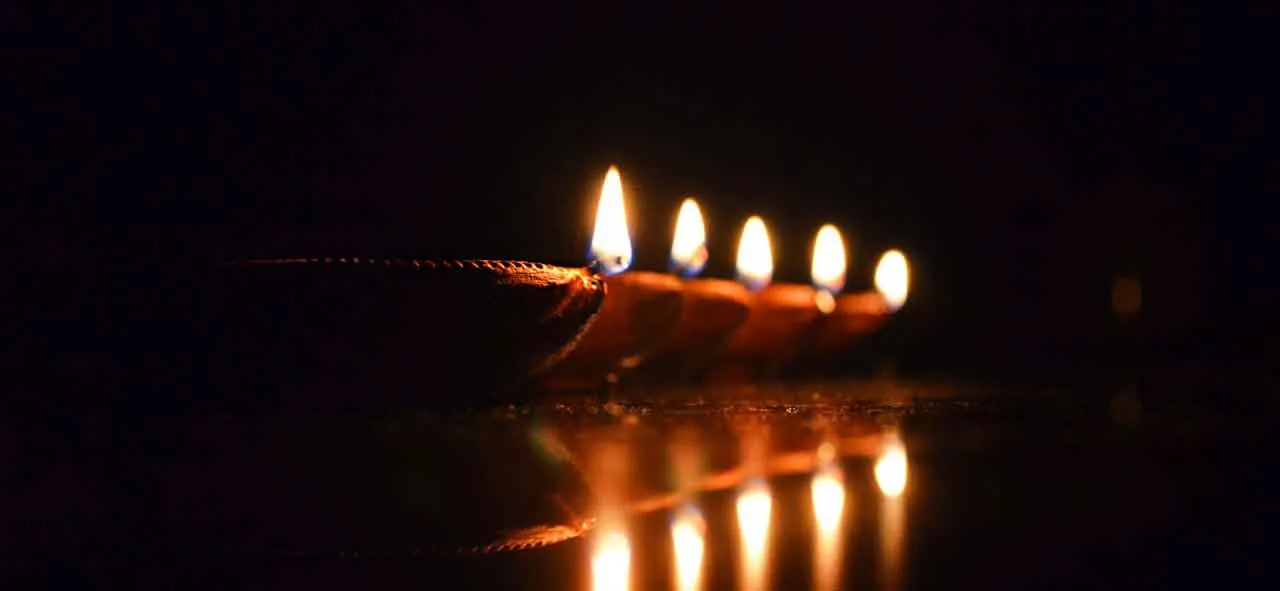
Diwali is the festival of lights, and the lamps matter more than the noise. Consider traditional oil diyas, LED diyas, rangoli, temple visits, cultural programs, family pujas, sweets, community dinners and, where authorized, professionally organized fireworks displays. Our eco-friendly, cracker-free Diwali 2026 ideas has more ideas for families.
State-by-state guides: Diwali fireworks rules in every state
Each guide below explains one state's rules from its official sources, with the date we last checked them, what is still unverified and who to contact. Your city or county can be stricter than the state.
| State | State-level position (official sources) | Guide |
|---|---|---|
| Alabama | Some consumer fireworks permitted, with restrictions | Alabama guide |
| Alaska | Depends on the product and your city or county | Alaska guide |
| Arizona | Some consumer fireworks permitted, with restrictions; Diwali named in state law (see conditions) | Arizona guide |
| Arkansas | Current rules could not be independently verified — contact Arkansas State Fire Marshal's Office (ADEM), 501-683-6700: official site | No guide yet |
| California | Depends on the product and your city or county | California guide |
| Colorado | Some consumer fireworks permitted, with restrictions | Colorado guide |
| Connecticut | Some consumer fireworks permitted, with restrictions | Connecticut guide |
| Delaware | Some consumer fireworks permitted, with restrictions; Diwali named in state law (see conditions) | Delaware guide |
| Florida | Depends on the product and your city or county | Florida guide |
| Georgia | Some consumer fireworks permitted, with restrictions | Georgia guide |
| Hawaii | Some consumer fireworks permitted, with restrictions | Hawaii guide |
| Idaho | Some consumer fireworks permitted, with restrictions | Idaho guide |
| Illinois | Consumer fireworks generally prohibited | Illinois guide |
| Indiana | Some consumer fireworks permitted, with restrictions | Indiana guide |
| Iowa | Some consumer fireworks permitted, with restrictions | Iowa guide |
| Kansas | Depends on the product and your city or county | Kansas guide |
| Kentucky | Some consumer fireworks permitted, with restrictions | Kentucky guide |
| Louisiana | Depends on the product and your city or county | Louisiana guide |
| Maine | Depends on the product and your city or county | Maine guide |
| Maryland | Consumer fireworks generally prohibited | Maryland guide |
| Massachusetts | Consumer fireworks generally prohibited | Massachusetts guide |
| Michigan | Some consumer fireworks permitted, with restrictions | Michigan guide |
| Minnesota | Depends on the product and your city or county | Minnesota guide |
| Mississippi | Check the state guide | Mississippi guide |
| Missouri | Some consumer fireworks permitted, with restrictions | Missouri guide |
| Montana | Some consumer fireworks permitted, with restrictions | Montana guide |
| Nebraska | Some consumer fireworks permitted, with restrictions | Nebraska guide |
| Nevada | Depends on the product and your city or county | Nevada guide |
| New Hampshire | Depends on the product and your city or county | New Hampshire guide |
| New Jersey | Some consumer fireworks permitted, with restrictions | New Jersey guide |
| New Mexico | Some consumer fireworks permitted, with restrictions | New Mexico guide |
| New York | Depends on the product and your city or county | New York guide |
| North Carolina | Depends on the product and your city or county | North Carolina guide |
| North Dakota | Some consumer fireworks permitted, with restrictions | North Dakota guide |
| Ohio | Some consumer fireworks permitted, with restrictions; Diwali named in state law (see conditions) | Ohio guide |
| Oklahoma | Some consumer fireworks permitted, with restrictions | Oklahoma guide |
| Oregon | Some consumer fireworks permitted, with restrictions | Oregon guide |
| Pennsylvania | Some consumer fireworks permitted, with restrictions | Pennsylvania guide |
| Rhode Island | Some consumer fireworks permitted, with restrictions | Rhode Island guide |
| South Carolina | Some consumer fireworks permitted, with restrictions | South Carolina guide |
| South Dakota | Some consumer fireworks permitted, with restrictions | South Dakota guide |
| Tennessee | Current rules could not be independently verified — contact Tennessee State Fire Marshal's Office (TDCI), (615) 741-2241: official site | No guide yet |
| Texas | Depends on the product and your city or county; Diwali named in state law (see conditions) | Texas guide |
| Utah | Some consumer fireworks permitted, with restrictions | Utah guide |
| Vermont | Depends on the product and your city or county | Vermont guide |
| Virginia | Depends on the product and your city or county | Virginia guide |
| Washington | Some consumer fireworks permitted, with restrictions | Washington guide |
| West Virginia | Some consumer fireworks permitted, with restrictions | West Virginia guide |
| Wisconsin | Depends on the product and your city or county | Wisconsin guide |
| Wyoming | Depends on the product and your city or county | Wyoming guide |
Also read
- Diwali 2026 hub: 5-day guide, dates and Lakshmi Puja muhurat
- Diwali 2026 in the USA: Lakshmi Puja muhurat city by city
- Diwali 2026 dates in the USA: the complete 5-day guide with Lakshmi Puja timings
- Diwali 2026 in the USA: date, celebrations and temples
- Eco-friendly, cracker-free Diwali 2026
- Diwali cracker safety precautions
- Firecracker safety for children in the USA: a parent's guide
Frequently Asked Questions
Are fireworks legal on Diwali in all US states?
No. Fireworks laws differ by state, county and city, and they also depend on the product, the date and the time. Sparklers are not legal everywhere either: Massachusetts law, for example, lists sparklers among prohibited fireworks.
Which US states specifically allow fireworks on Diwali?
Ohio's State Fire Marshal lists Diwali as a discharge date for 1.4G consumer fireworks, 4 p.m. to 11 p.m., unless your city, township, village or county bans or restricts them. Delaware lists the third day of Diwali as one of the dates when sparklers and ground-based items may be used. Both were checked on official state pages on 25 October 2026.
Can I light fireworks in my backyard?
Only if the product, location, date and time all comply with state and local law. Some states, such as Ohio and Indiana, require the property owner's permission if it is not your own property, and fire-safety distances and local bans still apply.
Can Indian students light fireworks on campus?
Do not assume so. Most campuses have their own rules on top of state and city law. Check with campus security or the student activities office before planning anything.
Can a Hindu temple organize a Diwali fireworks event?
Possibly, where local law permits it and all permits, licensed operators, site approvals and safety requirements are met. Contact the local fire marshal well in advance; a religious celebration does not create an exemption.
What happens if I use illegal fireworks?
Penalties vary by state and city and can include fines, confiscation, civil liability or criminal charges. In Massachusetts, for example, the law provides for fines and seizure of the fireworks.
Where can I find official fireworks rules?
Start with your state fire marshal or public safety department, then your county and city government or local fire department. The US Consumer Product Safety Commission (CPSC) publishes national fireworks safety information.
Celebrate Diwali Responsibly
Before lighting fireworks, check your state and local rules. When in doubt, choose a safe, lawful alternative: a row of diyas on the doorstep carries the meaning of Diwali just as well.
Editor's note (25 October 2026): This page is updated every year. The Ohio, Delaware, Massachusetts, Oregon, Washington, Utah and Indiana entries and the CPSC figures were checked against the official pages linked above on 25 October 2026. The other state entries tell you which authority to check; they do not confirm that state's rules.
Disclaimer: This article is general information, not legal advice. Fireworks laws change, and emergency restrictions can be issued at short notice. Always confirm the current rules with the appropriate official authorities before acting.
Share this with family and friends
Send it on WhatsApp, post it, or copy the link.
More from Festivals
- Akshaya Tritiya 2027 (Akha Teej): Date, Tritiya Tithi, Puja Muhurat and Gold Buying Time by City, Vidhi and Significance
- Diwali in Bangladesh 2026: Kali Puja Date & Traditions
- Diwali Celebrations in Pakistan 2026: Date & Traditions
- Firecracker Safety for Children in Europe: A Parent's Guide to a Safe Diwali
- Firecracker Safety for Children in Canada: A Parent's Guide to a Safe Diwali
You might also like
Diwali Fireworks Laws in Australia 2026: State and Territory Rules, Sparklers and Displays

Diwali Fireworks Laws in Canada 2026: Province and City Guide
Diwali Fireworks Laws in the UK 2026: England, Scotland, Wales and Northern Ireland