Planting Tulasi in the USA: A NRI's Sacred Connection to Home
For many Hindu families living abroad, the Tulasi plant (Holy Basil) represents far more than just greenery—it's a living bridge to their spiritual roots and…
For many Hindu families living abroad, the Tulasi plant (Holy Basil) represents far more than just greenery—it's a living bridge to their spiritual roots and cultural identity. As Non-Resident Indians establish lives in the United States, cultivating Tulasi has become a cherished way to maintain daily rituals and pass down traditions to the next generation.
Karthika Masam 2026 dates: the month runs from Tuesday 10 November to Tuesday 8 December (Telugu and Kannada amanta calendar), with Karthika Pournami on Tuesday 24 November. See our Karthika Masam 2026 guide for the full calendar.
The Sacred Significance of Tulasi
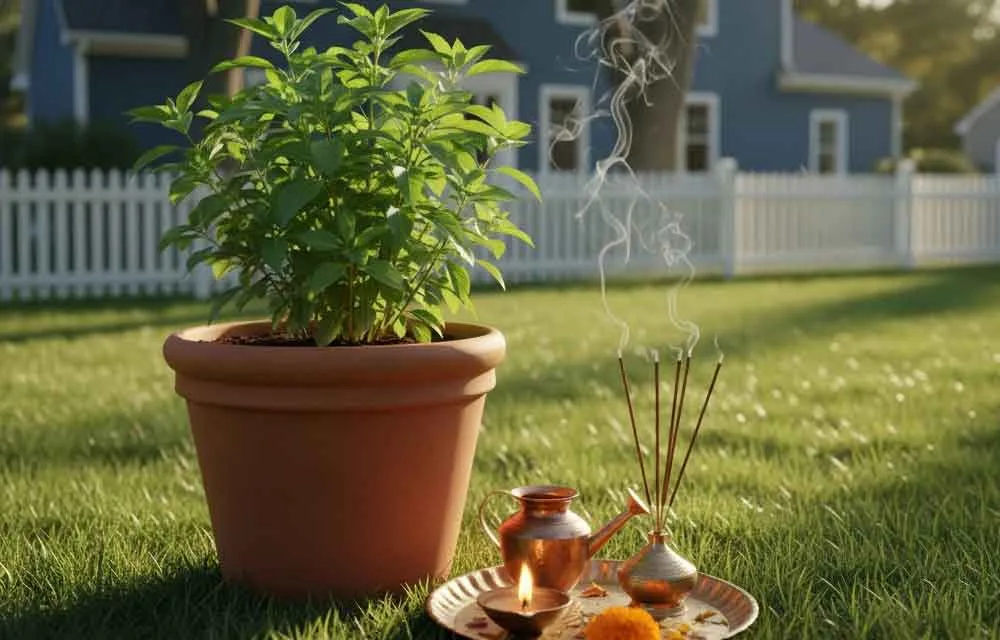
In Hindu tradition, Tulasi (Ocimum tenuiflorum) is revered as a manifestation of Goddess Lakshmi and Lord Vishnu's beloved. No puja is considered complete without Tulasi leaves, and many households perform daily rituals around the plant, offering water, lighting diyas, and reciting prayers. The plant is believed to purify the home's atmosphere and bring divine blessings.
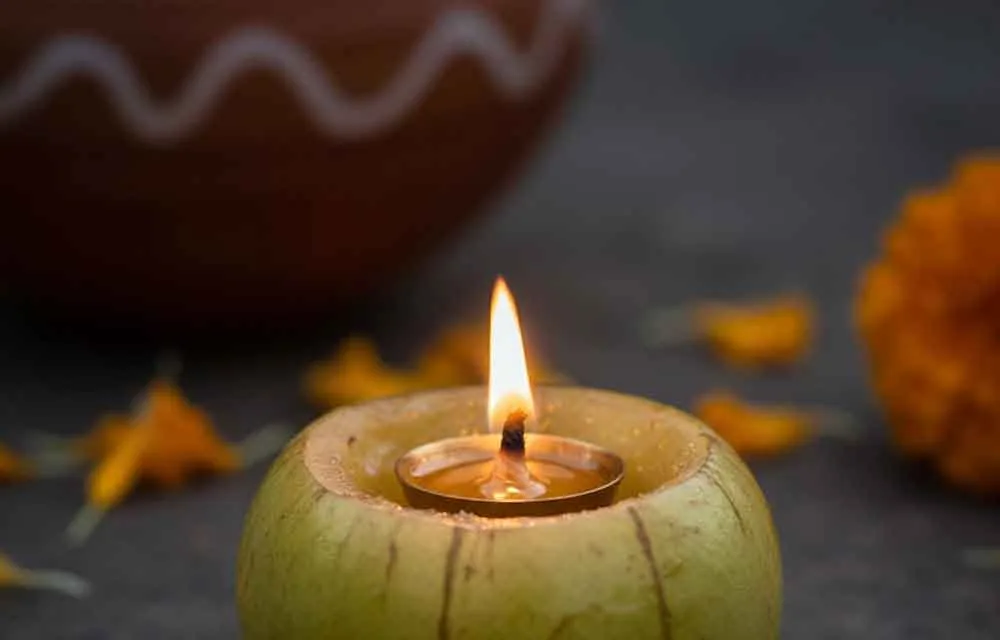
During Karthika month (10 November to 8 December in 2026), the reverence intensifies. Devotees light lamps around the Tulasi plant each evening, a practice that NRIs in America diligently maintain despite being thousands of miles from their ancestral homes.
Growing Tulasi in American Climate
Adapting this tropical plant to American conditions requires understanding and care:
Climate Challenges: Tulasi thrives in warm, humid conditions (70-90°F). Most US regions experience winter temperatures that can kill the plant, making it necessary to treat Tulasi as an annual or bring it indoors during cold months.
Indoor Growing Tips:
- Place near south-facing windows for 6-8 hours of sunlight
- Use well-draining potting soil with perlite
- Maintain humidity with pebble trays or room humidifiers
- Water when the top inch of soil feels dry
- Avoid cold drafts and sudden temperature changes
Outdoor Summer Care:
- Plant after the last frost date
- Choose spots with morning sun and afternoon shade in hot regions
- Pinch growing tips regularly to encourage bushier growth
- Protect from strong winds
Finding Your Sacred Plant
NRIs have discovered creative ways to source Tulasi:
- Indian grocery stores often sell small Tulasi plants, especially before major festivals
- Local nurseries may carry Holy Basil seeds or seedlings
- Online spiritual stores cater specifically to Hindu households
- Community temple gardens frequently share cuttings with devotees
- Facebook groups and WhatsApp communities for Indian gardeners exchange plants
Maintaining Spiritual Practices
American NRI families have adapted their rituals beautifully:
Morning Traditions: Before heading to work or school, families gather for a brief Tulasi puja, offering water and prayers—a grounding ritual that starts the day with intention.
Festival Observances: During Tulasi Vivah in Karthika month, NRI communities gather virtually or at temples to celebrate the ceremonial marriage of Tulasi to Lord Vishnu, maintaining traditions despite geographical distance.
Teaching Children: Many second-generation Indian Americans learn about their heritage through caring for the family Tulasi plant, understanding the values of devotion, patience, and respect for nature.
Beyond Religion: Health and Community
The Tulasi plant offers additional benefits that resonate with American wellness culture:
- Traditionally kept near the home entrance and courtyard
- Leaves used in traditional herbal teas
- Stress-relief through the act of gardening and daily ritual
- Connection point for building Indian diaspora community
NRI gardening groups across the US—from California to New Jersey—share tips on overwintering Tulasi, sourcing specific varieties like Krishna Tulasi (purple) or Rama Tulasi (green), and troubleshooting common problems.
The Emotional Connection
For many NRIs, the Tulasi plant becomes an anchor to identity. One software engineer in Seattle shares: "When I light the diya near my Tulasi each evening, I remember my grandmother doing the same in her courtyard in Andhra Pradesh. Though continents apart, we're connected through this simple act."
Growing Tulasi in America isn't always easy—the climate challenges, busy schedules, and small apartment spaces present obstacles. Yet the determination with which NRIs nurture these plants speaks to something deeper: the need to root oneself spiritually while adapting to new soil.
The sight of a thriving Tulasi plant in an American home is a testament to cultural resilience, a daily affirmation that sacred traditions can flourish anywhere when tended with love and devotion.
Tulasi care in winter and cold countries
Karthika falls in November and early December, just as days shorten across the USA, Canada and the UK. A Tulasi that grew happily outdoors in summer now has to cope with weak light, dry heated air and cold window glass. These steps add to the indoor tips above.
Light
- Short days are the biggest problem. Even a south-facing window may not give enough light in December.
- A plain LED grow light placed a little above the plant and set on a timer gives it a long, regular "day".
- Turn the pot a quarter turn every week so the plant does not lean towards the glass.
- Long, thin stems with small pale leaves usually mean the plant needs more light.
Temperature
- Tulasi is a warm-climate plant and frost kills it. Bring outdoor pots inside well before the first frost, while nights are still mild.
- At night, move the pot back from cold window glass or draw the curtain between plant and pane.
- Keep it away from radiators, heaters and hot-air vents, which dry the leaves, and from doors that let in cold air.
Watering
- Growth slows in winter, so the plant drinks less. Keep the top-inch rule above, but expect to water less often than in summer.
- Use room-temperature water, water in the morning and empty the saucer after a few minutes so the roots never stand in water.
- Too much water in a cool, dim room is a common cause of yellow leaves and rotting roots.
- If you offer water to Tulasi every morning in Karthika, offer a small amount, and on days when the soil is still damp pour the rest into another plant.
Pruning and flowers
- Pinch off the flower spikes (manjari) as they form; a plant that sets seed puts out fewer new leaves. Some families keep the manjari for puja, so follow your custom.
- Remove yellow or dry leaves, but trim lightly in winter and save harder pruning for spring, when growth picks up.
- Dry indoor air invites small pests. Check the undersides of leaves and wipe them gently with a damp cloth.
Repotting
- Avoid repotting in mid-winter unless you must: roots coming out of the drainage holes, soil that stays waterlogged, or a cracked pot. Otherwise wait for spring.
- If you do repot, go only one size larger, use a pot with drainage holes and fresh well-draining mix, and keep the plant in the same bright spot while it settles.
Before Tulsi Vivah (Saturday 21 November)
- A few days before, tidy the plant: remove yellow leaves, wipe the pot and refresh the top layer of soil.
- Do not pluck many leaves just before the day; in winter the plant regrows slowly.
- Decorate lightly, with a small cloth or garland you can remove after the ceremony, so leaves are not crushed or kept from the light.
- Hold the ceremony in a warm room rather than moving the plant out into cold air.
- Keep diyas on a tray, a safe distance from the leaves and never under the branches (deepam safety at home and abroad).
Puja steps and samagri: Tulsi Vivah 2026 and the Karthika Masam puja samagri checklist. For the daily Karthika worship of the plant, see Tulasi pooja in Karthika Masam 2026.
Also read: Tulsi Vivah 2026: date and home vidhi.
More for Hindus in the USA: temples, community and festivals in the USA.
Frequently Asked Questions
Can you grow Tulasi in the USA?
Yes. Tulasi thrives in warm, humid conditions of 70-90°F, so in most US regions it is treated as an annual or brought indoors during cold months. Outdoors, plant after the last frost date.
How do I care for a Tulasi plant indoors in winter?
Place it near a south-facing window for 6-8 hours of sunlight and use well-draining potting soil with perlite. Water when the top inch of soil feels dry, keep humidity up with pebble trays or a humidifier, and avoid cold drafts.
Where can NRIs in America find a Tulasi plant?
Indian grocery stores often sell small plants, especially before major festivals. Local nurseries may carry Holy Basil seeds or seedlings, and online Hindu stores, temple gardens, and Facebook or WhatsApp gardening groups also share plants and cuttings.
What is the difference between Krishna Tulasi and Rama Tulasi?
Krishna Tulasi is the purple variety and Rama Tulasi is the green one. NRI gardening groups across the US share tips on sourcing these varieties and overwintering them.
How do NRIs observe Tulasi rituals during Karthika month?
During Karthika month (10 November to 8 December in 2026), devotees light lamps around the Tulasi plant each evening. NRI communities also celebrate Tulasi Vivah, the ceremonial marriage of Tulasi to Lord Vishnu, virtually or at temples.
What is the daily Tulasi puja routine for families abroad?
Families gather briefly in the morning before work or school to offer water and prayers to Tulasi. Many also light a diya near the plant each evening.
Can Tulasi survive winter indoors in Canada or the UK?
Often, with care: bright light (a grow light helps in December), a warm room away from cold glass and heater vents, less frequent watering and no repotting until spring. A plant may still drop some leaves in a dark winter and often recovers as the days lengthen.
Share this with family and friends
Send it on WhatsApp, post it, or copy the link.
More from Festivals
- Karthika Puranam Chapter 14 (Adhyaya 14) in English: Story, Meaning and Lesson | Karthika Masam 2026 Day 14
- Karthika Puranam Chapter 13 (Adhyaya 13) in English: Story, Meaning and Lesson | Karthika Masam 2026 Day 13
- Karthika Puranam Chapter 12 (Adhyaya 12) in English: Story, Meaning and Lesson | Karthika Masam 2026 Day 12
- Karthika Puranam Chapter 11 (Adhyaya 11) in English: Story, Meaning and Lesson | Karthika Masam 2026 Day 11
- Karthika Puranam Chapter 10 (Adhyaya 10) in English: Story, Meaning and Lesson | Karthika Masam 2026 Day 10
You might also like

Celebrating Kartika Vana Bhojanalu: A Sacred Journey of Devotion Among Hindus in the USA

Must-Visit Temples During Karthika Masam: A Complete Guide to Sacred Destinations

Karthika Masam Monday Rituals: Complete State-wise Guide for India