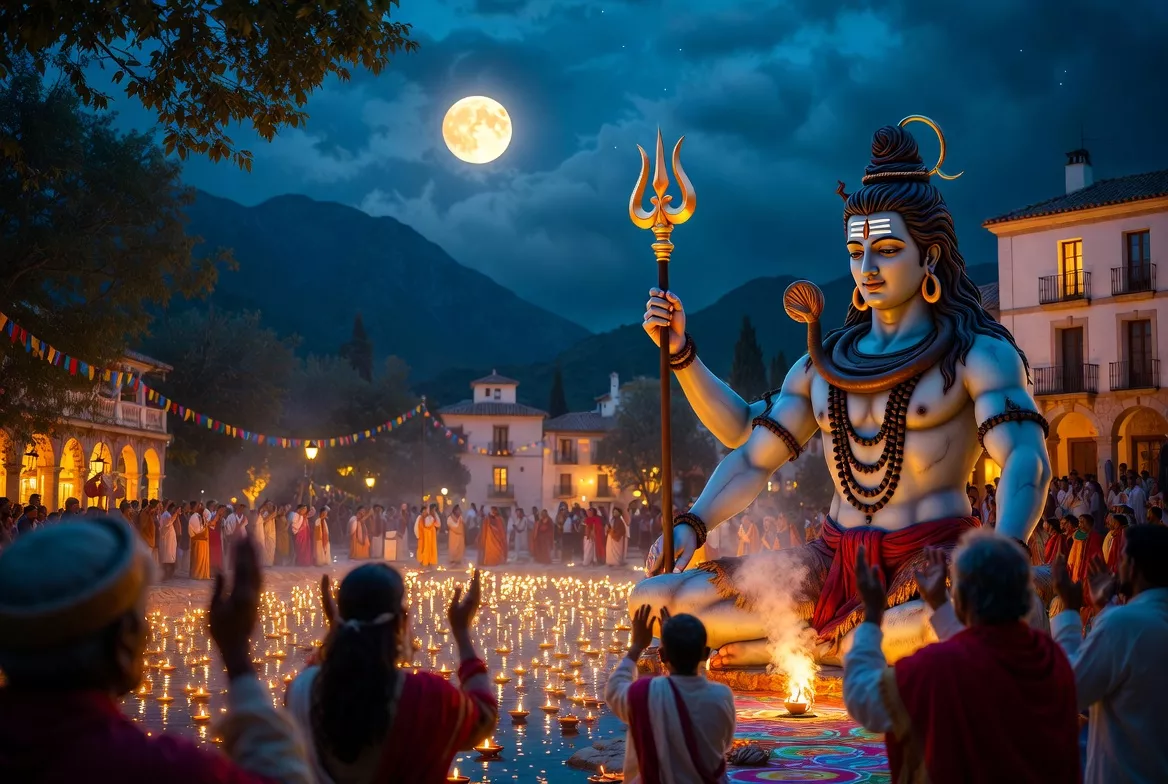
Maha Shivratri: The Astrological Significance and Cosmic Power of the Great Night of Shiva
Maha Shivratri: The Astrological Significance and Cosmic Power of the Great Night of Shiva Maha Shivratri, meaning the Great Night of Shiva, is one of the most…
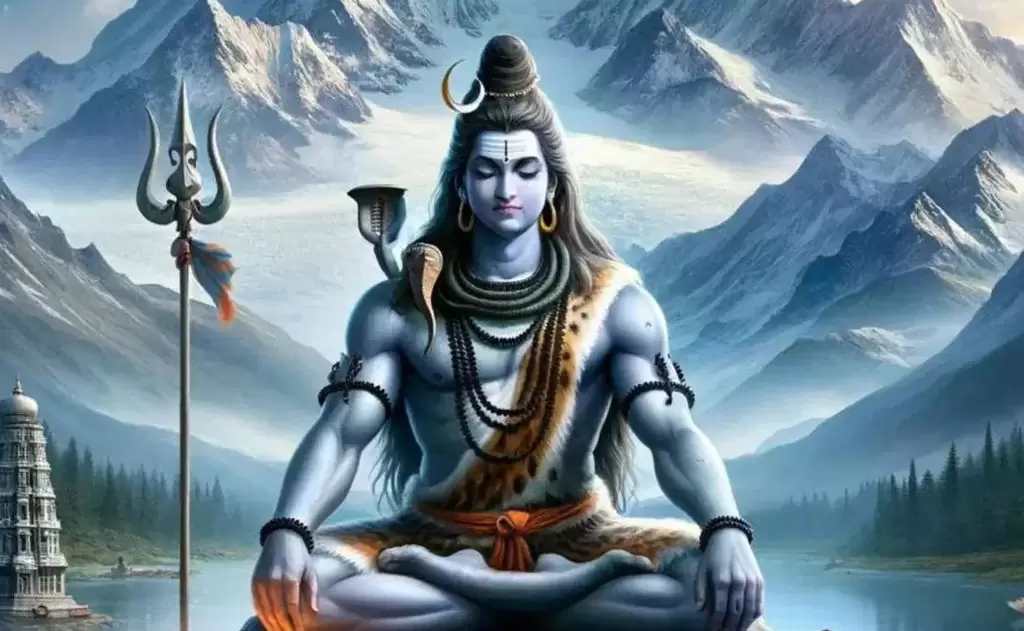
Maha Shivratri: The Astrological Significance and Cosmic Power of the Great Night of Shiva
Maha Shivratri, meaning the Great Night of Shiva, is one of the most spiritually significant festivals in Hindu tradition. While devotees worldwide observe this sacred night with fasting, prayers, and meditation, few understand the profound astrological forces at play during this celestial event. From an astrological perspective, Maha Shivratri represents a unique cosmic alignment that facilitates spiritual awakening, planetary healing, and karmic resolution.
The Astronomical Timing of Maha Shivratri
Maha Shivratri occurs on the 14th night of the dark fortnight (Krishna Paksha) in the Hindu month of Phalguna or Magha, typically falling between February and March. This specific timing holds deep astrological importance.
Chaturdashi Tithi and Moon's Position
The 14th lunar day (Chaturdashi) before the new moon represents a time when the Moon is almost completely waned, positioned just one day before Amavasya. Astrologically, this phase creates minimal lunar influence, reducing the mind's wavering nature and emotional turbulence. During this phase, the Moon occupies approximately 1% of its visible illumination, creating optimal conditions for meditation and inner exploration.
The diminished lunar energy during Chaturdashi allows practitioners to transcend the mind's limitations. Since the Moon governs emotions, thoughts, and the subconscious mind in Vedic astrology, its minimal presence during Shivratri enables spiritual seekers to access deeper states of consciousness without mental interference.
Planetary Alignments During Maha Shivratri
Several key planetary positions and alignments make Maha Shivratri astrologically significant:
- Sun's Transition
During this period, the Sun typically transits through Aquarius (Kumbha Rashi) or Pisces (Meena Rashi), depending on the specific date. Aquarius represents detachment, spiritual wisdom, and unconventional thinking, while Pisces symbolizes dissolution, moksha (liberation), and connection with the divine. Both signs resonate with the spiritual essence of Shivratri, facilitating liberation from material attachments. - Conjunction of Shiva and Shakti
Astrologically, Shivratri represents the convergence of Shiva (consciousness) and Shakti (energy). This cosmic union is reflected in the positioning of celestial bodies. The near-absent Moon (Shiva's symbol) and the Sun's position create a perfect balance between solar (masculine) and lunar (feminine) energies, representing the harmonious merger necessary for spiritual evolution. - Northern Hemisphere Alignment
The Earth's tilt during this period positions the Northern Hemisphere in such a way that the natural energy flow supports upward movement of spiritual energies through the spine (Kundalini). This physical-cosmic alignment makes meditation and spiritual practices more effective during Shivratri night.
Lord Shiva: The Cosmic Significance in Vedic Astrology
Lord Shiva represents the ultimate consciousness and the destroyer of ignorance in Hindu philosophy. Astrologically, Shiva embodies several crucial concepts:
- Connection with Time and Saturn
Shiva is known as Mahakala (the Lord of Time), deeply connected with Saturn (Shani), the planet representing karma, discipline, and spiritual maturation. Worshipping Shiva on Maha Shivratri helps mitigate Saturn's malefic effects and accelerates karmic resolution. Those undergoing Sade Sati or difficult Saturn transits find particular relief through Shivratri observances. - The Third Eye and Planetary Vision
Shiva's third eye (Ajna Chakra) represents intuitive wisdom beyond the physical senses. Astrologically, this relates to strengthening the influence of Jupiter (Guru), the planet of wisdom and higher knowledge, and Ketu, the planet of spiritual liberation and moksha. Maha Shivratri practices enhance these planetary influences, opening spiritual perception. - Neutralizing Negative Planetary Effects
The Rudra aspect of Shiva has the power to neutralize afflicted planets in one's horoscope. Specific mantras and rituals performed on Shivratri can address problems arising from Rahu-Ketu afflictions, Mars doshas, and other challenging planetary positions.
The Four Prahars: Cosmic Watches of Shivratri Night
Maha Shivratri is traditionally observed through four prahars (watches) of the night, each holding unique astrological significance:
- First Prahar (Evening: 6 PM - 9 PM)
During this period, the Sun sets and lunar energies begin to dominate. This watch is ideal for initiating worship, purification rituals, and releasing attachment to material desires. Astrologically, this represents the transition from Rajasic (active) to Tamasic (dormant) energies, preparing for deeper introspection. - Second Prahar (Late Evening: 9 PM - 12 AM)
This watch corresponds to deeper states of meditation. The planetary influences become more subtle, and the veil between the conscious and subconscious mind thins. Mantras chanted during this period have amplified effects due to reduced environmental and mental disturbances. - Third Prahar (Midnight: 12 AM - 3 AM)
Midnight represents the peak of Shivratri's spiritual power. Astrologically, this is when the subtle bodies (pranamaya kosha and manomaya kosha) are most receptive to cosmic energies. The planetary positions create a gateway for Kundalini activation and profound spiritual experiences. This is considered the most auspicious time for advanced meditation practices. - Fourth Prahar (Pre-dawn: 3 AM - 6 AM)
The Brahma Muhurta period falls within this prahar, representing the most sattvic time of the night. Venus and Jupiter's influences are strongest during this period, bringing blessings of prosperity, wisdom, and divine grace. This watch is ideal for receiving spiritual downloads and divine revelations.
Astrological Benefits of Observing Maha Shivratri
Observing Maha Shivratri with devotion and proper rituals yields numerous astrological benefits:
- Mitigating Malefic Planetary Effects
Fasting and worship on Shivratri helps reduce the negative impacts of afflicted planets, particularly Saturn, Rahu, and Ketu. Those experiencing difficult planetary transits find relief through consistent Shivratri observance. - Karmic Cleansing
The astrological configuration during Shivratri facilitates the dissolution of negative karmic patterns. Past life karmas reflected in the natal chart can be addressed through sincere spiritual practice on this night. - Strengthening Spiritual Planets
Maha Shivratri worship enhances the positive influences of Jupiter (wisdom), Ketu (liberation), and Moon (mind control). These planets govern spiritual evolution and higher consciousness in Vedic astrology. - Activating Moksha Houses
The 4th, 8th, and 12th houses in one's birth chart represent spiritual liberation. Shivratri practices activate these moksha houses, accelerating one's journey toward enlightenment and freedom from the cycle of rebirth. - Marriage and Relationship Harmony
Unmarried individuals seeking an ideal life partner worship Shiva and Parvati on Shivratri to attract harmonious relationships. Astrologically, this strengthens the 7th house (marriage) and Venus (love and partnerships), helping overcome delays or obstacles in marriage indicated by Saturn or Mars afflictions. - Mental Clarity and Emotional Balance
The minimal lunar influence during Shivratri helps stabilize mental fluctuations. Regular practice strengthens the Moon in one's chart, bringing emotional resilience, mental peace, and improved decision-making abilities.
Specific Astrological Remedies for Maha Shivratri
Different planetary afflictions can be addressed through specific practices during Maha Shivratri:
- For Saturn (Shani) Afflictions: Offer black sesame seeds, black cloth, and mustard oil to the Shiva Linga. Chant 'Om Namah Shivaya' 108 times during each prahar.
- For Rahu-Ketu Doshas: Perform Rudra Abhishekam with milk, honey, and water. Light sesame oil lamps and chant the Maha Mrityunjaya Mantra.
- For Mars (Mangal) Dosha: Offer red flowers and red sandalwood to Lord Shiva. This is particularly effective for those facing marriage delays or relationship conflicts.
- For Moon (Chandra) Afflictions: Perform all-night vigil with meditation. Offer white flowers, rice, and milk to the Shiva Linga for emotional stability.
- For Sun (Surya) Weakness: Offer water mixed with milk to the Shiva Linga during sunrise on Shivratri morning to strengthen confidence and vitality.
- For Jupiter (Guru) Enhancement: Study or recite sacred texts like the Shiva Purana. Donate yellow items to priests or scholars.
The Symbolism of Bilva Leaves in Astrology
The three leaves of the Bilva (Bael) offered to Shiva during Shivratri hold profound astrological meaning:
The trifoliate structure represents the three gunas (Sattva, Rajas, Tamas), the three doshas (Vata, Pitta, Kapha), and the three primary nadis (Ida, Pingala, Sushumna). Offering Bilva leaves symbolizes balancing all three aspects of existence, which astrologically corresponds to harmonizing the Sun, Moon, and Mars energies within one's chart.
Additionally, the Bilva tree is ruled by the Sun and has cooling properties that balance Pitta dosha. This makes Bilva offerings particularly effective for those with Sun-Mars afflictions causing anger, aggression, or inflammatory conditions.
Maha Mrityunjaya Mantra: The Astrological Death Conqueror
The Maha Mrityunjaya Mantra is one of the most powerful mantras chanted during Shivratri:
Om Tryambakam Yajamahe Sugandhim Pushtivardhanam
Urvarukamiva Bandhanan Mrityor Mukshiya Maamritat
Astrologically, this mantra addresses 8th house matters—transformation, sudden events, chronic diseases, and longevity. Regular chanting during Shivratri strengthens the 8th house, offering protection from accidents, untimely death, and serious health issues indicated by malefic planets in the 8th house.
The mantra specifically targets Saturn-Rahu combinations, Mars-Saturn afflictions, and debilitated Moon conditions that threaten health and longevity. It creates a protective shield around the practitioner's astrological chart.
Shivratri Fasting: Purifying the Planetary Body
Fasting on Maha Shivratri serves multiple astrological purposes:
The physical body is influenced by various planetary energies stored in different organs and systems. Food consumption activates specific planetary responses—grains activate Jupiter and Mercury, sweets activate Venus, spices activate Mars, and so on. By fasting, one temporarily suspends these planetary activations, allowing the subtle body to recalibrate and align with higher cosmic frequencies.
The 24-hour fast particularly affects the Moon's influence over bodily fluids, the digestive system (governed by the Sun), and metabolic processes (governed by Mars). This temporary withdrawal helps break negative karmic patterns associated with over-indulgence and sensory attachments.
From a health astrology perspective, fasting on Shivratri detoxifies the liver (Jupiter), purifies the blood (Mars), and calms the nervous system (Mercury), bringing the entire chart into greater harmony.
The Connection Between Shivratri and Kundalini Awakening
Maha Shivratri is considered the most favorable time for Kundalini awakening. Astrologically, this relates to the activation of specific energy channels corresponding to different planets:
The seven chakras correspond to the seven classical planets in Vedic astrology. The spine (Sushumna nadi) represents the axis of consciousness through which planetary energies ascend:
- Muladhara (Root) - Saturn
- Svadhisthana (Sacral) - Jupiter
- Manipura (Solar Plexus) - Mars
- Anahata (Heart) - Venus
- Vishuddha (Throat) - Mercury
- Ajna (Third Eye) - Moon
- Sahasrara (Crown) - Sun
The planetary alignment during Shivratri, combined with spiritual practices, facilitates the upward movement of energy through these chakras, activating dormant planetary potentials in one's natal chart. This process can unlock hidden talents, psychic abilities, and higher consciousness indicated by Ketu and the 12th house.
Regional Variations and Their Astrological Significance
Different regions of India observe Shivratri with slight variations, each carrying unique astrological emphases:
- Kashi (Varanasi): Known as the cosmic center where Shiva resides eternally. Observing Shivratri in Kashi amplifies Jupiter's influence, bringing supreme wisdom and moksha.
- Kashmir (Herath): The Kashmiri tradition emphasizes family worship and elaborate rituals. This strengthens Moon and Venus influences, bringing family harmony and prosperity.
- Tamil Nadu: Focuses on elaborate abhishekams and temple visits. This tradition particularly strengthens Sun energy, bringing recognition and success.
- Mandi, Himachal Pradesh: Hosts a major week-long fair. Extended celebrations here enhance Saturn's positive influence, bringing patience, discipline, and spiritual maturity.
Modern Scientific Validation of Astrological Claims
Recent studies have begun validating some traditional astrological concepts associated with Shivratri:
- Research on lunar cycles shows measurable effects on human physiology, including sleep patterns, hormonal fluctuations, and mental states. The minimal lunar phase during Shivratri corresponds with reduced melatonin disruption, supporting prolonged wakefulness and meditation.
- Studies on circadian rhythms confirm that the pre-dawn hours (Brahma Muhurta) exhibit optimal cortisol levels and brain alpha wave activity, validating traditional recommendations for spiritual practice during this time.
- Fasting research demonstrates autophagy activation, cellular regeneration, and enhanced neuroplasticity—biological processes that could facilitate the spiritual transformations attributed to Shivratri observances.
Practical Tips for Maximizing Astrological Benefits
To fully harness the astrological power of Maha Shivratri, consider these practical approaches:
- Know Your Ascendant and Moon Sign: Tailor your prayers and offerings based on your personal chart's weaknesses. If you have a weak Moon, focus on emotional healing practices. If Saturn afflicts you, emphasize discipline and service.
- Observe During Your Favorable Nakshatra: If possible, time your most intensive practices during your birth nakshatra's ruling hours for amplified effects.
- Use Gemstones Mindfully: Wearing appropriate gemstones during Shivratri worship can enhance specific planetary energies. Rudraksha beads, especially, channel Shiva's energy directly.
- Maintain Silence During Peak Hours: Observing Mauna (silence) during the third prahar (midnight to 3 AM) prevents energy dissipation and deepens spiritual absorption.
- Journal Your Experiences: Document your spiritual experiences, dreams, and insights during Shivratri. These often contain messages from your higher self aligned with your astrological destiny.
- Continue Practices Beyond Shivratri: The momentum gained on Maha Shivratri should be sustained through regular Monday fasts and Shiva worship to maintain astrological benefits throughout the year.
Conclusion: Embracing the Cosmic Grace
Maha Shivratri represents far more than a religious observance—it is a cosmic window for profound astrological transformation. The unique planetary alignments, the waning Moon's minimal influence, and the spiritual potency of this sacred night create optimal conditions for karmic healing, planetary remediation, and spiritual evolution.
Whether you seek relief from planetary afflictions, desire spiritual awakening, wish for harmonious relationships, or pursue ultimate liberation, Maha Shivratri offers unparalleled opportunities. By understanding and aligning with the astrological forces at play, devotees can transcend ordinary limitations and access higher dimensions of consciousness.
As the ancient texts proclaim: 'Shivaratri vrata phalamekam tu naatra sanshayah' — there is no doubt that the fruits of observing Shivratri are unparalleled. May this sacred night illuminate your path, harmonize your planetary influences, and guide you toward ultimate truth and liberation.
Om Namah Shivaya
Frequently Asked Questions
Why is Maha Shivratri astrologically significant?
It falls on Chaturdashi, the 14th night of Krishna Paksha, when the Moon is almost fully waned. Astrologers hold that this minimal lunar influence calms the restless mind and favours meditation and spiritual awakening.
Which planets are linked to Shiva worship on Maha Shivratri?
Shiva as Mahakala is linked with Saturn (Shani), while his third eye relates to Jupiter and Ketu. Worship is also said to help with Rahu-Ketu afflictions and Mars doshas.
What remedy is suggested for Saturn afflictions on Maha Shivratri?
Offer black sesame seeds, black cloth and mustard oil to the Shiva Linga, and chant 'Om Namah Shivaya' 108 times during each prahar. Those going through Sade Sati are said to find particular relief.
Which prahar is most auspicious on Maha Shivratri night?
The third prahar, from 12 AM to 3 AM, is considered the peak of the night's spiritual power and the best time for advanced meditation. The fourth prahar, 3 AM to 6 AM, includes Brahma Muhurta.
What do the three Bilva leaves offered to Shiva symbolise?
The trifoliate leaf represents the three gunas (Sattva, Rajas, Tamas), the three doshas (Vata, Pitta, Kapha) and the three nadis (Ida, Pingala, Sushumna). Offering it symbolises balancing all three.
When does Maha Shivratri occur in the Hindu calendar?
It occurs on the 14th night of Krishna Paksha in the Hindu month of Phalguna or Magha, typically between February and March. The exact date depends on the local panchang.
Share this with family and friends
Send it on WhatsApp, post it, or copy the link.
More from Maha Shivaratri 2026
- Maha Shivaratri Four Prahar Puja — The Complete Night-by-Night Ritual Guide
- Devotion in the Sands: The Inspiring Story of a Karnataka Couple Crafting 1008 Shiva Lingams Every Maha Shivaratri
- Isha Foundation's Mahashivratri 2026 Sets New Record as Most Viewed Celebration on YouTube
- The 33rd Mahashivratri at Isha Yoga Center
- Maha Shivaratri 2026 Celebrations in Germany: How the Hindu Community Honored Lord Shiva Yesterday – A Complete Guide to Cities, Temples, and Events
You might also like
Maha Shivaratri 2027 in Cambodia: Your Complete Celebration Guide
Maha Shivararti in Singapore 2026
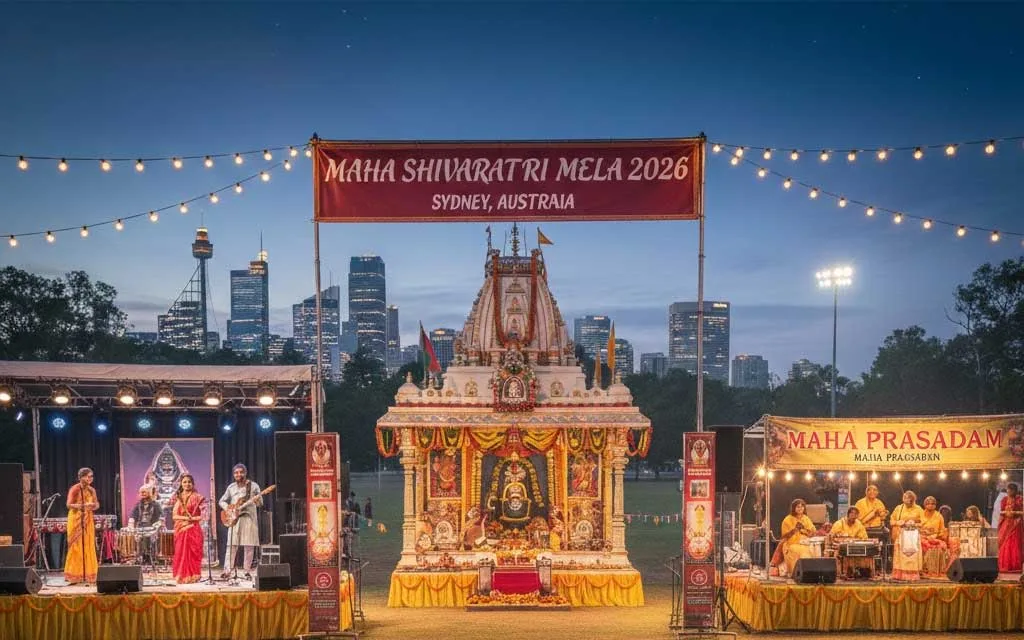
Maha Shivaratri 2027 Celebrations in Australia: How the Hindu Diaspora Honored Lord Shiva Yesterday – A Complete Guide to Cities, Temples, and Events