Syamala Dandakam (Manikya Veena) by Kalidasa: Full Sanskrit Text with Meaning
The Shyamala (Syamala) Dandakam, 'manikya veenam upalalayantim madalasam', is the famous hymn to Goddess Shyamala, Matangi, the dark Goddess of music and speech, which the source attributes to the poet Kalidasa. Here is the complete text in Devanagari and IAST from sanskritdocuments.org, with our own plain-English meaning of every verse and passage and how it is traditionally recited.
Quick answer: The Syamala (Shyamala) Dandakam, beginning 'māṇikyavīṇām upalālayantīṃ madālasāṃ', is a hymn to Goddess Shyamala, also called Matangi, the dark Goddess of music and speech. The source attributes it to the poet Kalidasa. It has four opening verses and a long flowing dandaka, and ends with the cry 'devi tubhyaṃ namaḥ'. It is recited on Fridays and by students and musicians.
Last updated: 21 October 2026. The Sanskrit below is the complete text published by sanskritdocuments.org (file shyaamala.itx, transliterated by P. P. Narayanaswami and proofread by P. P. Narayanaswami, srirama, Avinash and Rajani Arjun Shankar; Author field: Kalidasa), converted to Devanagari and IAST by software from the source, with no word typed by hand; four small slips are corrected as explained in the editor's note. The meanings below are our own.
Syamala Dandakam: full text with meaning
Each verse or passage appears in Devanagari and then in IAST transliteration, followed by its meaning. The dandaka is one long address in short phrases ending '-e' (O you who ...); the passages follow the source's divisions, numbered for reference.
Invocation
॥ ॐ श्रीश्यामलादेव्यै नमः ॥
महाकविश्रीकालिदासप्रणीतम्
॥ श्यामलादण्डकम् ॥
|| oṃ śrīśyāmalādevyai namaḥ ||
mahākaviśrīkālidāsapraṇītam
|| śyāmalādaṇḍakam ||
Meaning: Om, salutation to the Goddess Sri Shyamala. Composed by the great poet Sri Kalidasa: the Shyamala Dandakam.
Dhyana: meditation verses (1 and 2)
Dhyana verse 1
माणिक्यवीणामुपलालयन्तीं मदालसां मञ्जुलवाग्विलासाम् ।
महेन्द्रनीलद्युतिकोमलाङ्गीं मातङ्गकन्यां सततं स्मरामि ॥ १॥
māṇikyavīṇāmupalālayantīṃ madālasāṃ mañjulavāgvilāsām |
mahendranīladyutikomalāṅgīṃ mātaṅgakanyāṃ satataṃ smarāmi || 1||
Meaning: I always remember the daughter of the sage Matanga, who lovingly plays a vina set with rubies, languid with divine rapture, delightful in her sweet speech, whose tender body has the deep blue lustre of a great sapphire.
Dhyana verse 2
चतुर्भुजे चन्द्रकलावतंसे कुचोन्नते कुङ्कुमरागशोणे ।
पुण्ड्रेक्षुपाशाङ्कुशपुष्पबाणहस्ते नमस्ते जगदेकमातः ॥
caturbhuje candrakalāvataṃse kuconnate kuṅkumarāgaśoṇe |
puṇḍrekṣupāśāṅkuśapuṣpabāṇahaste namaste jagadekamātaḥ ||
Meaning: O four-armed one, crowned with the crescent moon, full of form, glowing red with kumkum, who hold in your hands the sugarcane bow, the noose, the goad and the flower arrows: salutation to you, the one Mother of the world.
Prayer and victory verses (3 and 4)
Prayer verse (prarthana)
माता मरकतश्यामा मातङ्गी मदशालिनी ।
कटाक्षयतु कल्याणी कदम्बवनवासिनी ॥
mātā marakataśyāmā mātaṅgī madaśālinī |
kaṭākṣayatu kalyāṇī kadambavanavāsinī ||
Meaning: May the Mother, dark-green like an emerald, Matangi, radiant with rapture, the auspicious one who dwells in the forest of kadamba trees, bless me with her glance.
Victory verse
जय मातङ्गतनये जय नीलोत्पलद्युते ।
जय सङ्गीतरसिके जय लीलाशुकप्रिये ॥
jaya mātaṅgatanaye jaya nīlotpaladyute |
jaya saṅgītarasike jaya līlāśukapriye ||
Meaning: Victory to you, daughter of Matanga; victory to you whose lustre is that of the blue lotus; victory to you who delight in music; victory to you who love your playful parrot.
The dandaka: her face and her music (passages 5 to 11)
Dandaka passage 5
जय जननि ! सुधासमुद्रान्तहृद्यन्मणिद्वीपसंरूढबिल्वाटवीमध्यकल्प
द्रुमाकल्पकादम्बकान्तारवासप्रिये, कृत्तिवासःप्रिये, सर्वलोकप्रिये;
jaya janani ! sudhāsamudrāntahṛdyanmaṇidvīpasaṃrūḍhabilvāṭavīmadhyakalpa
drumākalpakādambakāntāravāsapriye, kṛttivāsaḥpriye, sarvalokapriye;
Meaning: Victory, O Mother! You love to dwell in the kadamba grove, like wish-fulfilling trees, in the middle of the bilva forest that grows on the lovely jewelled island within the ocean of nectar; you are dear to Shiva who wears the elephant hide, and dear to all the worlds;
Dandaka passage 6
सादरारब्धसङ्गीतसम्भावनासम्भ्रमालोलनीपस्रगाबद्धचूलीसनाथत्रिके,
सानुमत्पुत्रिके,
शेखरीभूतशीतांशुरेखामयूखावलीबद्धसुस्निग्धनीलालकश्रेणिशृङ्गारिते,
लोकसम्भाविते,
कामलीलाधनुःसन्निभभ्रूलतापुष्पसन्दोहसन्देहकृल्लोचने,
वाक्सुधासेचने ;
sādarārabdhasaṅgītasambhāvanāsambhramālolanīpasragābaddhacūlīsanāthatrike,
sānumatputrike,
śekharībhūtaśītāṃśurekhāmayūkhāvalībaddhasusnigdhanīlālakaśreṇiśṛṅgārite,
lokasambhāvite,
kāmalīlādhanuḥsannibhabhrūlatāpuṣpasandohasandehakṛllocane,
vāksudhāsecane ;
Meaning: your braid, tied with a garland of kadamba flowers, sways as you nod with delight at the music begun with reverence; O daughter of the mountain; your glossy dark curls are bound by the rays of the crescent moon that is your crest-jewel; honoured by the worlds; your eyes make one wonder whether they are flowers on the creepers of your brows, which are like the playful bow of Kama; you who sprinkle the nectar of speech;
Dandaka passage 7
चारुगोरोचनापङ्ककेलीललामाभिरामे, सुरामे, रमे,
प्रोल्लसद्वालिकामौक्तिकश्रेणिकाचन्द्रिकामण्डलोद्भासिलावण्य
गण्डस्थलन्यस्त
कस्तूरिकापत्ररेखासमुद्भूतसौरभ्यसम्भ्रान्तभृङ्गाङ्गनागीत
सान्द्रीभवन्मन्द्रतन्त्रीस्वरे, सुस्वरे, भास्वरे;
cārugorocanāpaṅkakelīlalāmābhirāme, surāme, rame,
prollasadvālikāmauktikaśreṇikācandrikāmaṇḍalodbhāsilāvaṇya
gaṇḍasthalanyasta
kastūrikāpatrarekhāsamudbhūtasaurabhyasambhrāntabhṛṅgāṅganāgīta
sāndrībhavanmandratantrīsvare, susvare, bhāsvare;
Meaning: lovely with a mark of gorocana paste on your forehead; O delight of the gods, O Rama; your voice is the deep note of the vina strings, made richer by the humming of the bees drawn to the fragrance of the musk designs on your cheeks, whose beauty shines in the moonlight of the pearls of your ear-ornaments; sweet-voiced and radiant;
Dandaka passage 8
वल्लकीवादनप्रक्रियालोलतालीदलाबद्धताटङ्कभूषाविशेषान्विते,
सिद्धसम्मानिते,
दिव्याहालामदोद्वेलहेलालसच्चक्षुरान्दोलन
श्रीसमाक्षिप्तकर्णैकनीलोत्पले,
श्यामले, पूरिताशेषलोकाभिवाञ्छाफले, निर्मले, श्रीफले ;
vallakīvādanaprakriyālolatālīdalābaddhatāṭaṅkabhūṣāviśeṣānvite,
siddhasammānite,
divyāhālāmadodvelahelālasaccakṣurāndolana
śrīsamākṣiptakarṇaikanīlotpale,
śyāmale, pūritāśeṣalokābhivāñchāphale, nirmale, śrīphale ;
Meaning: adorned with ear-ornaments of palm-leaf gold that sway as you play the vina; honoured by the Siddhas; the blue lotus at your ear is outshone by the glances of your eyes, which roll playfully in divine rapture; O Shyamala, who fulfil the wishes of all the worlds; spotless one, giver of good fruit;
Dandaka passage 9
स्वेदबिन्दूल्लसत्फाललावण्यनिःष्यन्दसन्दोह
सन्देहकृन्नासिकामौक्तिके, सर्वमन्त्रात्मिके, कालिके;
svedabindūllasatphālalāvaṇyaniḥṣyandasandoha
sandehakṛnnāsikāmauktike, sarvamantrātmike, kālike;
Meaning: your nose-pearl makes one wonder whether it is a drop of the beauty that flows from your forehead, sparkling with tiny beads of perspiration; you whose very self is every mantra; O Kalika;
Dandaka passage 10
मुग्धमन्दस्मितोदारवक्त्रस्फुरत्पूगताम्बूलकर्पूरखण्डोत्करे,
ज्ञानमुद्राकरे, सर्वसम्पत्करे, पद्मभास्वत्करे, श्रीकरे,
mugdhamandasmitodāravaktrasphuratpūgatāmbūlakarpūrakhaṇḍotkare,
jñānamudrākare, sarvasampatkare, padmabhāsvatkare, śrīkare,
Meaning: your gentle, innocent smile shines with betel, areca nut and camphor; your hand shows the gesture of knowledge (jnana mudra); you who bring every blessing, whose hand shines with a lotus, who give prosperity;
Dandaka passage 11
कुन्दपुष्पद्युतिस्निग्धदन्तावलीनिर्मलालोलकल्लोल
सम्मेलनस्मेरशोणाधरे, चारुवीणाधरे, पक्वबिम्बाधरे ॥
kundapuṣpadyutisnigdhadantāvalīnirmalālolakallola
sammelanasmeraśoṇādhare, cāruvīṇādhare, pakvabimbādhare ||
Meaning: your red lower lip smiles as waves of pure light from your jasmine-white teeth play over it; you who hold a beautiful vina, whose lips are like the ripe bimba fruit.
Her radiant form (passages 12 to 15)
Dandaka passage 12
सुललितनवयौवनारम्भचन्द्रोदयोद्वेललावण्य
दुग्धार्णवाविर्भवत्कम्बुबिब्बोकभृत्कन्धरे, सत्कलामन्दिरे, मन्थरे,
दिव्यरत्नप्रभाबन्धुरच्छन्नहारादिभूषासमुद्योतमानानवद्याङ्गशोभे,
शुभे; रत्नकेयूररश्मिच्छटापल्लवप्रोल्लसद्दोर्लताराजिते, योगिभिः
पूजिते ; विश्वदिङ्मण्डलव्यापिमाणिक्यतेजःस्फुरत्कङ्कणालङ्कृते,
विभ्रमालङ्कृते, साधुभिः सत्कृते ;
sulalitanavayauvanārambhacandrodayodvelalāvaṇya
dugdhārṇavāvirbhavatkambubibbokabhṛtkandhare, satkalāmandire, manthare,
divyaratnaprabhābandhuracchannahārādibhūṣāsamudyotamānānavadyāṅgaśobhe,
śubhe; ratnakeyūraraśmicchaṭāpallavaprollasaddorlatārājite, yogibhiḥ
pūjite ; viśvadiṅmaṇḍalavyāpimāṇikyatejaḥsphuratkaṅkaṇālaṅkṛte,
vibhramālaṅkṛte, sādhubhiḥ satkṛte ;
Meaning: Your neck, graceful as a conch, rises from the milk ocean of beauty that swells at the moonrise of fresh youth; O home of the fine arts, of slow and graceful step; the faultless beauty of your limbs shines with necklaces and ornaments bright with divine gems; O auspicious one, whose arms shine like creepers with shoots of light from jewelled armlets; worshipped by yogis; adorned with bangles whose ruby light fills every direction; adorned with grace, honoured by the good;
Dandaka passage 13
वासरारम्भवेलासमुज्जृम्भमाणारविन्दप्रतिद्वन्द्विपाणिद्वये,
सन्ततोद्यद्दये अद्वये ;
दिव्यरत्नोर्मिकादीधितिस्तोमसन्ध्यायमानाङ्गुली
पल्लवोद्यन्नखेन्दुप्रभामण्डले,
सन्नताखण्डले, चित्प्रभामण्डले, प्रोल्लसत्कुण्डले;
vāsarārambhavelāsamujjṛmbhamāṇāravindapratidvandvipāṇidvaye,
santatodyaddaye advaye ;
divyaratnormikādīdhitistomasandhyāyamānāṅgulī
pallavodyannakhenduprabhāmaṇḍale,
sannatākhaṇḍale, citprabhāmaṇḍale, prollasatkuṇḍale;
Meaning: your two hands rival lotuses opening at daybreak; ever compassionate, one without a second; your fingers, reddened like the evening sky by the rays of your gem rings, shine with nails like moons; O you to whom Indra bows, circle of the light of consciousness, with shining earrings;
Dandaka passage 14
तारकाराजिनीकाशहारावलिस्मेरचारु
स्तनाभोगभारानमन्मध्यवल्लीवलिच्छेद
वीचीसमुल्लाससन्दर्शिताकारसौन्दर्यरत्नाकरे,
वल्लकीभृत्करे, किङ्करश्रीकरे;
हेमकुम्भोपमोत्तुङ्गवक्षोजभारावनम्रे , त्रिलोकावनम्रे ;
लसद्वृत्तगम्भीरनाभीसरस्तीरशैवालशङ्काकरश्यामरोमावलीभूषणे,
मञ्जुसम्भाषणे ;
tārakārājinīkāśahārāvalismeracāru
stanābhogabhārānamanmadhyavallīvaliccheda
vīcīsamullāsasandarśitākārasaundaryaratnākare,
vallakībhṛtkare, kiṅkaraśrīkare;
hemakumbhopamottuṅgavakṣojabhārāvanamre , trilokāvanamre ;
lasadvṛttagambhīranābhīsarastīraśaivālaśaṅkākaraśyāmaromāvalībhūṣaṇe,
mañjusambhāṣaṇe ;
Meaning: O ocean of beauty, whose slender waist with its three folds bends gracefully under the fullness of your form, adorned with necklaces like rows of stars; who hold the vina, who give prosperity to your servants; to whom the three worlds bow; adorned with a fine line of dark down like moss on the bank of the deep round lake of your navel; sweet of speech;
Dandaka passage 15
चारुशिञ्जत्कटीसूत्रनिर्भर्त्सितानङ्गलीलाधनुःशिञ्जिनीडम्बरे,
दिव्यरत्नाम्बरे,
पद्मरागोल्लसन्मेखलाभास्वरश्रोणिशोभाजितस्वर्णभूभृत्तले,
चन्द्रिकाशीतले ॥
cāruśiñjatkaṭīsūtranirbhartsitānaṅgalīlādhanuḥśiñjinīḍambare,
divyaratnāmbare,
padmarāgollasanmekhalābhāsvaraśroṇiśobhājitasvarṇabhūbhṛttale,
candrikāśītale ||
Meaning: the jingle of your girdle puts to shame the twang of Kama's bowstring; you wear divine jewelled garments; your form, shining with a ruby girdle, outshines the golden mountain; you are cool as moonlight.
Her feet, where the gods bow (passages 16 and 17)
Dandaka passage 16
विकसितनवकिंशुकाताम्रदिव्यांशुकच्छन्नचारूरुशोभापराभूत
सिन्दूरशोणायमानेन्द्रमातङ्गहस्तार्गले, वैभवानर्गले श्यामले,
कोमलस्निग्धनीलोत्पलोत्पादितानङ्गतूणीरशङ्काकरोदारजङ्घालते,
चारुलीलागते,
नम्रदिक्पालसीमन्तिनीकुन्तलस्निग्धनीलप्रभापुञ्जसञ्जात
दूर्वाङ्कुराशङ्कसारङ्गसंयोग
रिङ्खन्नखेन्दूज्ज्वले, प्रोज्ज्वले, निर्मले;
vikasitanavakiṃśukātāmradivyāṃśukacchannacārūruśobhāparābhūta
sindūraśoṇāyamānendramātaṅgahastārgale, vaibhavānargale śyāmale,
komalasnigdhanīlotpalotpāditānaṅgatūṇīraśaṅkākarodārajaṅghālate,
cārulīlāgate,
namradikpālasīmantinīkuntalasnigdhanīlaprabhāpuñjasañjāta
dūrvāṅkurāśaṅkasāraṅgasaṃyoga
riṅkhannakhendūjjvale, projjvale, nirmale;
Meaning: Your lovely limbs, clothed in divine silk red as fresh kimshuka flowers, outshine the trunk of Indra's elephant reddened with sindura; your glory knows no bar, O Shyamala; your graceful legs look like Kama's quivers made of soft blue lotuses; your step is lovely; your moon-like toenails shine, and the dark sheen of the hair of the queens of the guardians of the directions, bowing before you, seems to mark them like the deer on the moon; brilliant one, spotless one;
Dandaka passage 17
प्रह्वदेवेशलक्ष्मीशभूतेशतोयेशवाणीशकीनाशदैत्येशयक्षेशवाय्वग्नि
कोटीरमाणिक्यसङ्घृष्टबालातपोद्दामलाक्षारसारुण्यतारुण्यलक्ष्मी
गृहीताङ्घ्रिपद्मे, सुपद्मे, उमे ॥
prahvadeveśalakṣmīśabhūteśatoyeśavāṇīśakīnāśadaityeśayakṣeśavāyvagni
koṭīramāṇikyasaṅghṛṣṭabālātapoddāmalākṣārasāruṇyatāruṇyalakṣmī
gṛhītāṅghripadme, supadme, ume ||
Meaning: your lotus feet have taken on the beauty of youth, red as lac, glowing like the morning sun from the rubies on the crowns of Indra, Vishnu, Shiva, Varuna, Brahma, Yama, the lord of the daityas, Kubera, Vayu and Agni as they bow before you; O holder of a lovely lotus, O Uma.
Her court and her worshippers (passages 18 to 24)
Dandaka passage 18
सुरुचिरनवरत्नपीठस्थिते, सुस्थिते, रक्तपद्मासने, रत्नसिंहासने
शङ्खपद्मद्वयोपाश्रिते, विश्रुते तत्र विघ्नेशदुर्गावटुक्षेत्रपालैर्युते,
मत्तमातङ्गकन्यासमूहान्विते, मञ्जुलामेनकाद्यङ्गनामानिते,
भैरवैरष्टभिर्वेष्टिते, देवि ! वामादिभिः शक्तिभिः सेविते;
suruciranavaratnapīṭhasthite, susthite, raktapadmāsane, ratnasiṃhāsane
śaṅkhapadmadvayopāśrite, viśrute tatra vighneśadurgāvaṭukṣetrapālairyute,
mattamātaṅgakanyāsamūhānvite, mañjulāmenakādyaṅganāmānite,
bhairavairaṣṭabhirveṣṭite, devi ! vāmādibhiḥ śaktibhiḥ sevite;
Meaning: Seated on a beautiful throne of nine gems, firmly established; seated on a red lotus, on a jewelled lion-throne; attended by the two treasures Shankha and Padma; renowned one; surrounded there by Ganesha, Durga, Vatuka and the guardians of the sacred field; accompanied by bands of Matanga maidens; honoured by Manjula, Menaka and the other celestial women; encircled by the eight Bhairavas; O Devi, served by Vama and the other Shaktis;
Dandaka passage 19
धात्रि ! लक्ष्म्यादिशक्त्यष्टकैः संयुते, मातृकामण्डलैर्मण्डिते,
यक्षगन्धर्वसिद्धाङ्गनामण्डलैरर्चिते, पञ्चबाणात्मिके, पञ्चबाणेन
रत्या च सम्भाविते, प्रीतिभाजा वसन्तेन चानन्दिते ॥
dhātri ! lakṣmyādiśaktyaṣṭakaiḥ saṃyute, mātṛkāmaṇḍalairmaṇḍite,
yakṣagandharvasiddhāṅganāmaṇḍalairarcite, pañcabāṇātmike, pañcabāṇena
ratyā ca sambhāvite, prītibhājā vasantena cānandite ||
Meaning: O sustainer of all, joined with the eight Shaktis beginning with Lakshmi; adorned by the circle of the Mothers; worshipped by the companies of Yaksha, Gandharva and Siddha women; you whose self is Kama of the five arrows; honoured by Kama and by Rati; delighted by Spring, who loves you.
Dandaka passage 20
भक्तिभाजां परं श्रेयसे कल्पसे, योगिनां मानसे द्योतसे, छन्दसाम् ओजसे भ्राजसे ॥
bhaktibhājāṃ paraṃ śreyase kalpase, yogināṃ mānase dyotase, chandasām ojase bhrājase ||
Meaning: For those who have devotion you bring about the highest good; you shine in the minds of yogis; you shine as the power of the Vedic metres.
Dandaka passage 21
गीतविद्याविनोदातितृष्णेन कृष्णेन सम्पूज्यसे । भक्तिमच्चेतसा वेधसा
स्तूयसे । विश्वहृद्येन वाद्येन विद्याधरैर्गीयसे ॥
gītavidyāvinodātitṛṣṇena kṛṣṇena sampūjyase | bhaktimaccetasā vedhasā
stūyase | viśvahṛdyena vādyena vidyādharairgīyase ||
Meaning: You are worshipped by Krishna, who longs for the joy of music; you are praised by Brahma with a devoted heart; you are sung by the Vidyadharas with music that delights the world.
Dandaka passage 22
श्रवणहरणदक्षिणक्वाणया वीणया किन्नरैर्गीयसे ॥
śravaṇaharaṇadakṣiṇakvāṇayā vīṇayā kinnarairgīyase ||
Meaning: You are sung by the Kinnaras with the vina whose skilful notes captivate the ear.
Dandaka passage 23
यक्षगन्धर्वसिद्धाङ्गनामण्डलैरर्च्यसे । सर्वसौभाग्यवाञ्छावतीभिः वधूभिः सुराणां समाराध्यसे ॥
yakṣagandharvasiddhāṅganāmaṇḍalairarcyase | sarvasaubhāgyavāñchāvatībhiḥ vadhūbhiḥ surāṇāṃ samārādhyase ||
Meaning: You are worshipped by the companies of Yaksha, Gandharva and Siddha women; you are worshipped by the wives of the gods, who long for every good fortune.
Dandaka passage 24
सर्वविद्याविशेषात्मकं चाटुगाथासमुच्चारणं
कण्ठमूलोल्लसद्वर्णराजित्रयं कोमलश्यामलोदारपक्षद्वयं
तुण्डशोभातिदूरीभवत्किंशुकं तं शुकं लालयन्ती परिक्रीडसे ॥ ५ ॥
sarvavidyāviśeṣātmakaṃ cāṭugāthāsamuccāraṇaṃ
kaṇṭhamūlollasadvarṇarājitrayaṃ komalaśyāmalodārapakṣadvayaṃ
tuṇḍaśobhātidūrībhavatkiṃśukaṃ taṃ śukaṃ lālayantī parikrīḍase || 5 ||
Meaning: You play, fondling your parrot, who is the essence of every branch of learning and recites charming verses, with three bright lines at the root of its throat, a pair of soft dark-green wings, and a beak whose beauty leaves the kimshuka flower far behind.
What meditation on her brings (passages 25 to 27)
Dandaka passage 25
पाणिपद्मद्वयेनाक्षमालामपि स्फाटिकीं ज्ञानसारात्मकं पुस्तकं चापरेणाङ्कुशं पाशमाबिभ्रती येन सञ्चिन्त्यसे चेतसा तस्य वक्त्रान्तरात् गद्यपद्यात्मिका भारती निस्सरेत् ॥
pāṇipadmadvayenākṣamālāmapi sphāṭikīṃ jñānasārātmakaṃ pustakaṃ cāpareṇāṅkuśaṃ pāśamābibhratī yena sañcintyase cetasā tasya vaktrāntarāt gadyapadyātmikā bhāratī nissaret ||
Meaning: When someone meditates on you holding, in one pair of lotus hands, a crystal rosary and a book that is the essence of knowledge, and in the other the goad and the noose, from that person's mouth flows the Goddess of speech, in prose and in verse.
Dandaka passage 26
येन वा यावकाभाकृतिर्भाव्यसे तस्य वश्या भवन्ति स्त्रियः पुरुषाः । येन वा शातकुम्भद्युतिर्भाव्यसे सोऽपि लक्ष्मीसहस्रैः परिक्रीडते । किं न सिध्येत् वपुः श्यामलं कोमलं चन्द्रचूडान्वितं तावकं ध्यायतः ।
yena vā yāvakābhākṛtirbhāvyase tasya vaśyā bhavanti striyaḥ puruṣāḥ | yena vā śātakumbhadyutirbhāvyase so'pi lakṣmīsahasraiḥ parikrīḍate | kiṃ na sidhyet vapuḥ śyāmalaṃ komalaṃ candracūḍānvitaṃ tāvakaṃ dhyāyataḥ |
Meaning: One who meditates on you as red as lac draws women and men to him; one who meditates on you as bright as gold sports among a thousand fortunes. What is not attained by one who meditates on your body, dark and tender, crowned with the moon?
Dandaka passage 27
तस्य लीलासरो वारिधिः, तस्य केलीवनं नन्दनम्, तस्य भद्रासनं भूतलम्, तस्य गीर्देवता किङ्करी, तस्य चाज्ञाकरी श्रीः स्वयम् ॥ ६ ॥
tasya līlāsaro vāridhiḥ, tasya kelīvanaṃ nandanam, tasya bhadrāsanaṃ bhūtalam, tasya gīrdevatā kiṅkarī, tasya cājñākarī śrīḥ svayam || 6 ||
Meaning: For that person the ocean is a pleasure lake, the heavenly garden Nandana a play-garden, the earth a seat of honour, the Goddess of speech a servant, and Shri herself carries out his wishes.
She who is everything (passage 28)
Dandaka passage 28
सर्वतीर्थात्मिके! सर्वमन्त्रात्मिके ! सर्वतन्त्रात्मिके ! सर्वयन्त्रात्मिके ! सर्वचक्रात्मिके ! सर्वशक्त्यात्मिके ! सर्वपीठात्मिके ! सर्वतत्त्वात्मिके ! सर्वविद्यात्मिके ! सर्वयोगात्मिके ! सर्वनादात्मिके ! सर्ववर्णात्मिके ! सर्वशब्दात्मिके ! सर्वविश्वात्मिके ! सर्वदीक्षात्मिके ! सर्वसर्वात्मके ! सर्वगे ! हे जगन्मातृके ! पाहि मां, पाहि मां, पाहि मां ; देवि! तुभ्यं नमो, देवि! तुभ्यं नमो, देवि! तुभ्यं नमः ॥ ७ ॥
sarvatīrthātmike! sarvamantrātmike ! sarvatantrātmike ! sarvayantrātmike ! sarvacakrātmike ! sarvaśaktyātmike ! sarvapīṭhātmike ! sarvatattvātmike ! sarvavidyātmike ! sarvayogātmike ! sarvanādātmike ! sarvavarṇātmike ! sarvaśabdātmike ! sarvaviśvātmike ! sarvadīkṣātmike ! sarvasarvātmake ! sarvage ! he jaganmātṛke ! pāhi māṃ, pāhi māṃ, pāhi māṃ ; devi! tubhyaṃ namo, devi! tubhyaṃ namo, devi! tubhyaṃ namaḥ || 7 ||
Meaning: O you who are every holy place, every mantra, every tantra, every yantra, every chakra, every power, every sacred seat, every principle, every knowledge, every yoga, every sound, every letter, every word, the whole universe, every initiation, the Self of all; O all-pervading one, O Mother of the world: protect me, protect me, protect me. O Devi, salutation to you; O Devi, salutation to you; O Devi, salutation to you.
Colophon
इति श्रीमहाकविकालिदासप्रणीतं श्यामलादण्डकं सम्पूर्णम् ॥
iti śrīmahākavikālidāsapraṇītaṃ śyāmalādaṇḍakaṃ sampūrṇam ||
Meaning: Thus ends the Shyamala Dandakam, composed by the great poet Sri Kalidasa.
Who is Shyamala, the Goddess of this hymn?
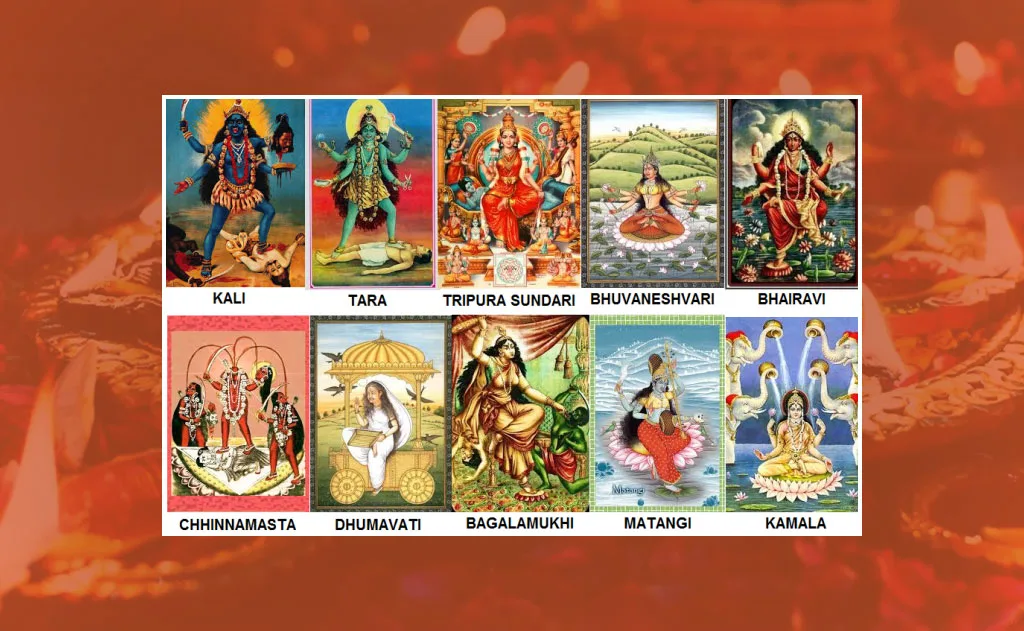
Shyamala means 'the dark one'. She is Matangi, the daughter of the sage Matanga, dark-green like an emerald, who holds a vina and a parrot and loves music. In the Sri Vidya tradition she is the minister (mantrini) of Lalita Tripurasundari, and she is one of the ten Mahavidyas. The hymn also calls her Kalika (passage 9) and Uma (passage 17).
When is it traditionally recited?
- On Fridays: the Goddess's day; see the guide to Friday in Hinduism and the Friday rituals guide for NRI families.
- By students and musicians: before study, a recital or an exam, together with the Saraswati Stuti or the 108 names of Saraswati.
- In Navratri: especially by devotees of Sri Vidya, alongside the Lalita Sahasranama; see our Navratri section.
How to recite it at home
- Light a lamp before an image of the Goddess and offer a flower; recite the invocation and the four opening verses slowly.
- Read the dandaka passages in one flow, pausing at the end of each passage.
- End with passage 28, repeating 'pāhi mām' and 'devi tubhyaṃ namaḥ' three times each, and do aarti.
- On a longer day, add the Lalita Pancharatnam or the 108 names of Lalita.
Traditional beliefs about the Syamala Dandakam
Devotees traditionally believe that reciting it with devotion brings the grace of the Goddess of speech, music and learning. This is a matter of faith, not a guarantee of success, fame or wealth.
Frequently asked questions
Who composed the Syamala Dandakam?
The sanskritdocuments.org text gives Kalidasa in its Author field, and its title line and colophon call it 'composed by the great poet Sri Kalidasa'. Its introduction adds that 'according to tradition' he composed it on seeing a vision of Kali.
Who is Goddess Shyamala?
Shyamala, 'the dark one', is Matangi, the daughter of the sage Matanga: a Goddess of music, speech and learning, dark-green like an emerald, holding a vina and a parrot. In the Sri Vidya tradition she is the minister of Lalita Tripurasundari, and she is counted among the ten Mahavidyas.
What is a dandakam?
A dandaka is a Sanskrit form in long flowing lines built from one repeated rhythm, far longer than an ordinary verse.
When is it traditionally recited?
On Fridays, the Goddess's day; by students and musicians, who pray to Shyamala for skill in speech and music; and by devotees of Sri Vidya during Navratri. It can be recited on any day after lighting a lamp.
Will it make me a good speaker or musician?
Passage 25 says that speech in prose and verse flows from the one who meditates on her. Devotees traditionally believe her grace helps learning and the arts, but it is a prayer, not a substitute for study and practice, and not a guarantee of any result.
Editor's note (21 October 2026)
This page was published on 21 October 2026 at the address readers and search engines were already requesting. The Sanskrit is the full text of the Shyamala Dandakam on sanskritdocuments.org (file shyaamala.itx; Author field: Kalidasa; title line 'kalidasa-virachitam'; colophon 'mahakavi-Kalidasa-pranitam'). The attribution to Kalidasa is given exactly as the source gives it, including its note that the story of his vision of Kali is 'according to tradition'. sanskritdocuments.org has no second copy of this dandaka to compare with, so we corrected only four plain slips, each confirmed by the source's own English translation (from an edition published by R. S. Vadhyar and Sons, 1956, which we do not reproduce): in dhyana verse 1 the words '(manasā smarāmi)', printed after the verse number as an alternative reading of 'satataṃ smarāmi', are left out of the verse; in verse 2 'kuṅkamarāga-' is given as 'kuṅkumarāga-' (red with kumkum); in passage 18 'ratnasihmāsane' is given as 'ratnasiṃhāsane' (on the jewelled lion-throne); and in passage 26 'kiṃ na siddhayet vapu:' is given as 'kiṃ na sidhyet vapuḥ' (what is not attained). The source's Sanskrit section captions and footnotes are not printed as verse lines; our English headings follow the same sections. The source's own numbers inside the dandaka (5, 6 and 7) are kept as printed. The meanings are our own.
Related guides
Share this with family and friends
Send it on WhatsApp, post it, or copy the link.
You might also like
Durgashtakam (Katyayani Mahamaye): Full Sanskrit Text with Meaning
Ganeshashtakam (Yato Anantashakteh) from the Ganesha Purana: Full Text with Meaning
Shivashtakam (Prabhum Prananatham Vibhum Vishvanatham): Full Text with Meaning