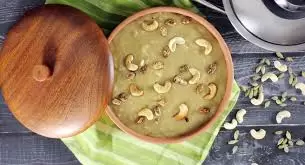
Medu Vadai Recipe (Ulundu Vadai for Pongal and Festival Days)
Quick answer: Medu vadai is a crisp, ring-shaped fritter of soaked and ground urad dal (split black gram), deep-fried until golden. In Tamil homes it is a regular part of festival meals, and the pairing of vadai with pongal is a classic on Pongal day. Allow 4 hours of soaking and about 45 minutes of

Quick answer: Medu vadai is a crisp, ring-shaped fritter of soaked and ground urad dal (split black gram), deep-fried until golden. In Tamil homes it is a regular part of festival meals, and the pairing of vadai with pongal is a classic on Pongal day. Allow 4 hours of soaking and about 45 minutes of work.
Kitchen note: This recipe is not yet kitchen-tested by a HinduTone cook. The quantities and timings follow common home methods; judge doneness by look and texture, and adjust for your stove and ingredients.
| Key facts | Details |
|---|---|
| Dish | Deep-fried ring fritter of urad dal batter |
| Also called | Ulundu vadai (Tamil); garelu in Telugu homes |
| Region | Tamil Nadu and across South India |
| Festival role | Served with sakkarai pongal and ven pongal on Pongal day and at many festival meals |
| Thai Pongal 2027 | Friday 15 January 2027 in India (panchang) |
| Makes | About 14 to 16 vadai |
| Soaking time | 4 hours |
| Prep time | 20 minutes |
| Cook time | About 30 minutes |
| Vegan | Yes |
| Allergens | Urad dal (a legume); asafoetida may contain wheat; coconut if added |
Medu vadai on Pongal and festival days
In Tamil the fritter is usually called ulundu vadai (ulundu is urad dal); medu vadai is the name most restaurants and menus use. Slurrp, the food site of HT Media, described the vadai-pongal combination in January 2024 as moving from breakfast plate to the grand festive meal at Pongal.
On Thai Pongal, which falls on Friday 15 January 2027 in India per the panchang, the sweet pongal cooked in the new pot comes first. Vadai, a vegetable Pongal kootu and payasam often join it on the festival leaf. The savoury, peppery vadai is the counterweight to sakkarai pongal; at breakfast through the year it is the partner of ven pongal. Customs differ from home to home, so follow your elders. Confirm festival days with your local panchang or temple priest.
Medu vadai and garelu: how they are related
Medu vadai and Telugu garelu are the same family of fritter: the same soaked urad dal, ground to a fluffy batter, shaped into a ring and deep-fried. The differences are in seasoning and in the festival they belong to, not in the method.
| Medu vadai (Tamil Nadu) | Garelu (Andhra Pradesh, Telangana) | |
|---|---|---|
| Common seasonings | Black pepper, ginger, green chilli, curry leaves, often a little coconut | Ginger, green chilli, cumin, curry leaves, sometimes onion |
| Festival link | Pongal-day meals and many Tamil festival feasts | Sankranti meals, especially Kanuma, the day for cattle |
| Common ways to serve | With pongal, coconut chutney and sambar; soaked in sambar or curd | With chutney; perugu garelu (in yoghurt) and paakam garelu (in jaggery syrup) |
If you cook for Telugu Sankranti, use our garelu recipe; it covers the Kanuma custom and the yoghurt and jaggery variations. This page covers the Tamil festival version, the shaping, and how to fry it safely in a home kitchen.
Ingredients
| Ingredient | Metric | US measure |
|---|---|---|
| Urad dal, skinned (whole white or split) | 200 g | 1 cup |
| Ice-cold water for grinding | 60 to 90 ml | 1/4 to 1/3 cup, a spoonful at a time |
| Black peppercorns, coarsely crushed | 1 teaspoon | 1 teaspoon |
| Fresh ginger, finely chopped | 10 g | a 2 cm (3/4 inch) piece |
| Green chillies, finely chopped | 2 | 2 |
| Curry leaves, chopped | 1 sprig | about 10 leaves |
| Fresh coconut, cut into tiny bits (optional) | 2 tablespoons | 2 tablespoons |
| Asafoetida | a pinch | a pinch |
| Salt | about 4 g | about 3/4 teaspoon |
| Oil for deep-frying (groundnut, sunflower or rice bran) | about 750 ml | about 3 cups |
How to make the batter
- Rinse the urad dal two or three times. Soak it in plenty of water for 4 hours (3 hours is enough for split dal).
- Drain it very well in a colander for 10 minutes. Extra water is the main reason vadai batter turns runny.
- Grind in a wet grinder or a strong blender, adding ice-cold water a spoonful at a time and scraping down the sides. Cold water keeps the blender from heating the batter. Stop when the batter is smooth, thick, very light and holds a soft peak on a spoon.
- Beat the batter by hand in one direction for 2 to 3 minutes to whip in air. To check, drop a small blob into a cup of water: if it floats, the batter is ready; if it sinks, beat a little more.
- Just before frying, fold in the pepper, ginger, chillies, curry leaves, coconut, asafoetida and salt. Salt draws water out of the batter, so add it at the end.
If the batter is too loose to shape, chill it for 20 minutes or stir in a tablespoon of rice flour. Do not add more than that, or the vadai turn hard.
Shaping the ring
- Keep a bowl of water beside you and wet your hands. Wet hands stop the batter sticking.
- Take a lemon-sized ball of batter onto the fingers of one hand, or onto a square of wet banana leaf, baking paper or a zip bag.
- Flatten it slightly with your thumb and push a hole through the middle. The hole lets the thick centre cook as fast as the edge.
- Slide it gently into the oil, close to the surface, letting it roll off your fingers or peeling the leaf away. Do not drop it from a height.
If shaping by hand feels hard, start by making small round vadai with a wet spoon. They taste the same; fry them a minute longer.
Frying safely (stovetop)
- Use a heavy, deep pan or kadai and fill it no more than one-third full with oil. Dry the pan and any utensils first: water and hot oil spit.
- Heat the oil on medium heat. It is ready when a drop of batter sinks briefly and rises at once with steady bubbles. If you use a thermometer, about 175 to 180 °C (350 to 355 °F) is a common guide. If the oil smokes, turn the heat off and let it cool.
- Fry 3 or 4 vadai at a time; crowding drops the temperature and makes them oily.
- Turn them once or twice with a slotted spoon and fry for 4 to 5 minutes, until deep golden and crisp. The sound of the bubbling quietens as they cook through.
- Lift them out, let the oil drip back, and drain on a rack or kitchen paper.
- Let the oil come back to temperature before the next batch.
Kitchen safety for deep-frying:
- Stay at the stove the whole time. If you have to leave, turn the burner off.
- Turn pan handles towards the back of the stove, and keep children and pets well back from the frying area.
- Keep a lid or baking sheet next to the pan. If the oil catches fire, turn off the heat and slide the lid over the pan. Never throw water on an oil fire, and never carry a burning pan.
- Let the oil cool completely before you move or strain it.
- In flats abroad, run the cooker hood and keep the smoke alarm working; open a window rather than disabling the alarm.
These points follow the cooking-fire advice of the US Fire Administration and the National Fire Protection Association; follow your local fire service's guidance too.
Other ways to cook
A pressure cooker, Instant Pot or rice cooker is not used for vadai. For less oil, spoon small balls of batter into a greased kuzhi paniyaram pan (an appe pan with round hollows) and cook on low heat for 4 to 5 minutes a side. In an air fryer, chill the batter well, shape small flat rounds on greased baking paper, brush with oil and cook at 190 °C for about 12 to 15 minutes, turning once. Both versions are softer and less crisp than fried vadai.
Naivedyam notes
Where vadai is part of the festival offering, fry the first batch for the offering plate before anyone tastes it, use fresh oil and clean vessels, and follow your family custom on ingredients. Many families leave out onion and garlic from offered food; this recipe uses neither. See Thai Pongal puja at home for the order of the day.
Serving
- With sakkarai pongal or ven pongal, coconut chutney and sambar.
- Sambar vadai: soak fried vadai in hot sambar for 10 minutes before serving.
- Thayir vadai (curd vadai): soak briefly in warm water, squeeze gently, and leave in seasoned, whisked yoghurt for an hour. This version contains milk.
Substitutions abroad
| Region | Urad dal | Notes |
|---|---|---|
| USA and Canada | Indian grocers (labelled urad dal, white, skinned) | A strong blender works; use ice-cold water and pause so the motor does not heat the batter |
| UK | Asian shops and large supermarkets' world-food aisles | Rapeseed or sunflower oil for frying |
| Australia | Indian grocers | Grind in small batches in a high-speed blender |
| The Gulf | Easy to find; ready vadai batter also sold | Check the date on bought batter and use it the same day |
| South-East Asia | Indian shops in Singapore and Malaysia | Humid kitchens: drain the dal especially well |
Do not use whole black urad with skin: the batter turns grey and dense.
Common mistakes
- Runny batter: too much water. Drain the dal well and add water by the spoonful.
- Flat, hard vadai: the batter was not beaten enough, or too much rice flour was added.
- Oily vadai: oil not hot enough, or too many in the pan.
- Brown outside, raw inside: oil too hot. Lower the heat and fry longer.
- Batter sticks to your hand: keep your hands wet.
- Salt added too early: the batter weeps and loosens while it waits.
Storage
Medu vadai are crisp only on the day they are fried. Keep leftovers in a covered box in the fridge for up to 2 days and reheat in a hot oven, air fryer or dry pan, not a microwave, which makes them chewy. Raw batter keeps in the fridge for a day, but it loses air and fries flatter; beat it again before using.
Allergens
- Urad dal: a legume. People with legume allergies should check with their doctor.
- Asafoetida: many powders contain wheat flour, so the vadai are not gluten-free unless you use a gluten-free asafoetida or leave it out.
- Coconut: only if added.
- Milk: only in thayir vadai.
- Frying oil: if you fry in groundnut (peanut) oil, tell guests with a peanut allergy.
Frequently asked questions
Are medu vadai and garelu the same?
They are the same family of urad dal fritter. Medu vadai or ulundu vadai is the Tamil name; garelu is the Telugu name. Seasonings and the festival they are tied to differ: garelu are closely linked with Kanuma at Sankranti, while medu vadai join the Tamil Pongal meal. See our garelu recipe.
Why does my vadai batter not hold its shape?
It usually has too much water. Chill the batter for 20 minutes, beat it again, or add a tablespoon of rice flour. Next time drain the soaked dal longer and add water a spoonful at a time.
Can I soak the dal overnight?
It is better not to. Long soaking makes the dal absorb more water and the batter can turn slack and sour. Four hours is enough for whole dal.
Why is there a hole in the middle?
The hole lets heat reach the thick centre, so the vadai cooks through evenly while the outside turns crisp. Round vadai without a hole are fine; fry them a little longer.
Can I make medu vadai ahead for a Pongal lunch?
Grind the batter up to 2 hours before frying and keep it in the fridge. Fry just before the meal, or fry an hour ahead and re-crisp in a hot oven for a few minutes.
Is medu vadai vegan?
Yes. The batter is only urad dal, water, spices and salt. Curd vadai is the exception because it is soaked in yoghurt.
Sources
- Slurrp (HT Media), "Pongal 2024: Feast On These 7 Traditional Dishes Made For The Harvest Festival", Devi Poojari, updated 14 January 2024 (vadai-pongal pairing at the Pongal festive meal): https://slurrp.com/article/pongal-2024-feast-on-these-7-traditional-dishes-made-for-the-harvest-festival-1705244887373 (accessed 12 November 2026)
- Drik Panchang, Thai Pongal 2027 date (Chennai): https://www.drikpanchang.com/festivals/pongal/thai-pongal-date-time.html?geoname-id=1264527&year=2027 (accessed 12 November 2026)
- U.S. Fire Administration, "Cooking fire safety": https://www.usfa.fema.gov/prevention/home-fires/prevent-fires/cooking/ (accessed 12 November 2026)
- National Fire Protection Association, "Cooking safety": https://www.nfpa.org/education-and-research/home-fire-safety/cooking (accessed 12 November 2026)
- US Food and Drug Administration, "Food Allergies": https://www.fda.gov/food/nutrition-food-labeling-and-critical-foods/food-allergies (accessed 12 November 2026)
Last reviewed: 12 November 2026.
Related guides
Share this with family and friends
Send it on WhatsApp, post it, or copy the link.
More from Recipes
- Nolen Gur Payesh Recipe (Bengali Rice Pudding with Date-Palm Jaggery)
- Dudh Puli Recipe (Bengali Rice Dumplings in Thickened Milk with Nolen Gur)
- Bhapa Pitha Recipe (Bengali Steamed Rice Cakes with Coconut and Nolen Gur)
- Kakara Pitha Recipe (Odia Fried Pitha with Coconut Filling)
- Arisa Pitha Recipe (Odia Rice-Flour and Jaggery Cakes)