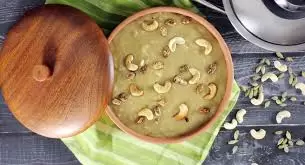
Arisa Pitha Recipe (Odia Rice-Flour and Jaggery Cakes)
Quick answer: Arisa pitha is an Odia sweet of fresh rice flour stirred into hot jaggery syrup, shaped into flat discs, coated with sesame and deep-fried until crisp outside and soft inside. Odia homes make it for Makara Sankranti and other occasions, and it is among the pithas offered at the Jaganna

Quick answer: Arisa pitha is an Odia sweet of fresh rice flour stirred into hot jaggery syrup, shaped into flat discs, coated with sesame and deep-fried until crisp outside and soft inside. Odia homes make it for Makara Sankranti and other occasions, and it is among the pithas offered at the Jagannath temple in Puri. Allow a day for soaking rice and about 1 1/2 hours of work.
Kitchen note: This recipe is not yet kitchen-tested by a HinduTone cook. The quantities and timings follow common home methods; judge doneness by look and texture, and adjust for your stove and ingredients.
| Key facts | |
|---|---|
| Dish | Fried cakes of fresh rice flour cooked in jaggery syrup, topped with sesame |
| Region | Odisha |
| When it is made | Makara Sankranti in many homes; also Manabasa Lakshmi Puja in Margashira, weddings and temple offerings |
| Makara Sankranti 2027 | 15 January in India per the panchang; Odisha's 2027 holiday list, as reported, marks 14 January |
| Makes | About 16 cakes, 7 to 8 cm across |
| Prep time | 6 hours soaking (or overnight), plus 30 minutes grinding and shaping |
| Cook time | About 45 minutes (syrup and frying) |
| Allergens | Sesame; milk if you use ghee. No gluten in the basic recipe |
What is arisa pitha?
Pitha is the Odia word for a family of cakes, most of them made with rice. Arisa (also spelt arisha) is one of the best known: a dense, chewy cake with a crisp, lightly bubbled crust and a dark caramel colour from jaggery. It keeps for several days, which is one reason it is carried to relatives and made in large batches.
The key point of the method is that the rice is soaked and ground at home just before cooking, and the damp flour goes straight into hot jaggery syrup. Families often say the flour must not be kept for the next day.
Is arisa pitha made for Makara Sankranti?
Yes, in many Odia homes. OdishaBytes reported that on Makara Sankranti in January 2026 many households made sweets such as til pitha, manda and arisa and shared them with neighbours and relatives. OdishaTV's 2026 Sankranti report also names arisa pitha among the pithas homes prepare alongside Makara Chaula, the uncooked new-rice offering of the day.
Arisa is not only a Sankranti sweet. An IANS feature describes it as a traditional pitha of Manabasa Lakshmi Puja, the worship of Goddess Lakshmi in the month of Margashira (November to December), and notes the wedding custom of the bridegroom carrying a basket of arisa to his in-laws as a sign of prosperity.
Is arisa offered at the Jagannath temple?
Yes. During the month-long Pahili Bhoga ritual at the Shree Jagannath Temple in Puri, which runs from Dhanu Sankranti to the eve of Makara Sankranti, the deities receive pithas before dawn. OdishaBytes, reporting in January 2026, named enduri pitha, manda pitha and arisa pitha among them. On Makara Sankranti itself the main temple offering is Makara Chaula; see our Makara Chaula recipe and our guide to Makara Sankranti in Odisha.
Andhra Pradesh and Telangana make a related rice-flour and jaggery sweet called ariselu. Methods differ, so we do not treat them as the same dish.
Ingredients
| Ingredient | Metric | US measure |
|---|---|---|
| Raw short or medium-grain rice | 320 g | 2 cups |
| Jaggery, grated or broken small | 250 g | 1 1/4 cups, packed |
| Water, for the syrup | 60 ml | 1/4 cup |
| Green cardamom, ground | 4 pods | 4 pods |
| Ghee | 15 ml | 1 tablespoon |
| White sesame seeds | 30 g | 1/4 cup |
| Oil for deep-frying (groundnut, rice bran or sunflower) | about 500 ml | about 2 cups |
Families vary the jaggery from roughly equal weight to rice up to much more; more jaggery gives a darker, softer cake that spreads more in the oil. Some add a little grated coconut or crushed black pepper.
How to make arisa pitha
Make fresh rice flour
- Wash the rice three or four times until the water runs almost clear.
- Cover with fresh water and soak for 6 hours or overnight. A grain should break easily between your fingers.
- Drain in a colander, then spread the rice on a clean cotton cloth in the shade for 30 to 45 minutes. It should feel damp but not wet, and the grains should not stick together.
- Grind it in a dry grinder in small batches to a fine flour. Sift through a fine sieve and grind the coarse bits again. The flour will feel slightly moist and clump when pressed. Use it the same day.
Cook the jaggery syrup
- Put the jaggery and water in a heavy-bottomed pan over medium heat and stir until the jaggery melts.
- If your jaggery has grit or straw, pour the syrup through a fine strainer and return it to the clean pan.
- Boil, stirring often, until the syrup thickens and foams. Do the water test: drop a little into a bowl of cold water. When it gathers into a soft ball that you can pick up and that flattens between your fingers, the syrup is ready. If it dissolves, keep boiling; if it turns hard and brittle, add a spoon of water and stir.
Make the dough
- Turn the heat to low. Add the cardamom and ghee.
- Add the rice flour a handful at a time, stirring hard with a sturdy spoon so no dry lumps form. Keep going until you have a thick, glossy dough that leaves the sides of the pan. You may not need all the flour.
- Take the pan off the heat. Cover and let the dough rest until it is cool enough to handle but still warm, about 20 to 30 minutes. Some families rest it for a few hours; the dough firms up as it stands.
Shape and fry
- Grease your palms with a little ghee or oil. Pinch off lime-sized balls (about 40 g each).
- Spread the sesame on a plate. Press each ball onto a greased banana leaf or a sheet of greased baking paper and flatten into a disc about 7 to 8 cm across and 5 mm thick. Press both sides into the sesame.
- Heat the oil in a deep pan or kadhai to medium. A pinch of dough should rise slowly with steady bubbles. Very hot oil browns the outside before the inside cooks.
- Slide in one or two discs at a time. Fry, turning once, until they puff slightly and turn deep brown on both sides, about 2 to 3 minutes per side.
- Lift each cake out and press it gently between two flat slotted spoons or spatulas to squeeze out excess oil. Drain on a rack or paper towel.
- Cool fully before storing. The cakes firm up as they cool.
Stovetop, pressure cooker and Instant Pot
Arisa pitha is a stovetop sweet: the syrup and the frying both need an open pan you can watch and stir. A pressure cooker, Instant Pot or rice cooker has no useful role here, so we do not give those methods. An air fryer does not give the usual texture, because the cakes need hot oil around them to puff and crisp.
Naivedyam notes
If the pitha is for the deity, cook in a clean kitchen, do not taste the dough or the cakes before the offering, and set the first few cakes aside for the shrine. Many families fry naivedyam in ghee rather than oil, or offer the cakes on a banana leaf. Follow your family custom or ask your priest. For the day's main offering in Odisha, see the Makara Chaula recipe.
Substitutions abroad
| Region | Rice | Jaggery | Sesame and oil |
|---|---|---|---|
| USA and Canada | Sona masoori or Calrose; Indian grocers stock both | Jaggery blocks or powder at Indian grocers; dark muscovado or piloncillo at a pinch | Any supermarket |
| UK | Sona masoori in Asian shops; pudding rice at a pinch | Jaggery in Asian shops; dark muscovado at a pinch | Any supermarket |
| Australia | Medium-grain rice; Indian grocers | Indian grocers; dark brown sugar at a pinch | Any supermarket |
| The Gulf | Easy to find at Indian grocers | Easy to find | Easy to find |
| South-East Asia | Any short or medium-grain rice | Palm sugar (gula melaka, gula Jawa) works and gives a similar colour | Easy to find |
Do not use shop-bought dry rice flour in place of home-ground flour from soaked rice. It is too dry and the dough cracks and breaks in the oil. If you have no grinder strong enough, ask an Indian grocer abroad whether they sell freshly milled wet rice flour.
Vegan option
Fry in oil and use oil instead of ghee in the dough. Nothing else in the basic recipe is animal-based. Some families would still prefer ghee for the deity's portion.
Common mistakes
- Rice too wet when ground: the flour turns pasty and the cakes spread. Let it dry on the cloth until just damp.
- Using flour kept overnight: it dries out and sours. Grind on the day you cook.
- Syrup undercooked: the cakes spread and fall apart in the oil. Do the soft-ball water test.
- Syrup overcooked: the dough turns hard and the cakes crack. Add a spoon of water and stir if the test ball is brittle.
- Oil too hot: the outside burns while the centre stays raw. Keep it at medium.
- Overcrowding the pan: the oil cools, and the cakes soak up oil. Fry one or two at a time.
Frying safety
Keep children and pets away from the stove. Dry the slotted spoon before it goes into the oil, never add water to hot oil, and turn the handle of the pan inward. Hot jaggery syrup sticks to skin and burns badly: stir with a long-handled spoon and do the water test with a spoon, not your fingers in the pan.
Storage
Store in an airtight tin at room temperature for 5 to 7 days in a cool kitchen; in hot, humid weather they keep less well, so check for any sour smell. They are firmer after a day. Freezing is possible for up to a month; thaw at room temperature.
Allergens
Contains sesame. Contains milk if you use ghee. The basic recipe contains no gluten, but check that your jaggery and rice are not processed alongside wheat if you need to avoid it strictly. Tell guests about sesame before serving.
Frequently asked questions
Is arisa pitha made on Makara Sankranti?
In many Odia homes, yes. Reports from Odisha in January 2026 named arisa among the sweets households prepared and shared on Makara Sankranti. It is also made for Manabasa Lakshmi Puja, weddings and temple offerings, so it is not tied to one festival.
Why must the rice flour be fresh?
Flour ground from soaked rice is slightly moist, and that moisture helps it absorb the syrup and hold together in the oil. Dry flour from a packet, or fresh flour left overnight, makes a crumbly dough that breaks while frying.
My arisa spread and broke in the oil. What went wrong?
Usually the syrup was not cooked to the soft-ball stage, or the flour was too wet. Cook the syrup until a drop forms a soft ball in cold water, and add a little more flour if the dough feels loose.
Is arisa pitha the same as ariselu?
They are related sweets of rice flour and jaggery, but they belong to different regions. Arisa is Odia; ariselu is made in Andhra Pradesh and Telangana. Family methods differ in each.
When is Makara Sankranti in Odisha in 2027?
Makara Sankranti falls on Friday 15 January 2027 in India per the panchang. Odisha's 2027 holiday list, as reported, marks Thursday 14 January. Confirm with your local panchang or temple priest.
How long does arisa pitha keep?
About 5 to 7 days in an airtight tin in a cool kitchen. In hot, humid weather eat them sooner.
Sources
- OdishaBytes (OB Bureau), "Odisha Celebrates Makar Sankranti With Traditional Fervour", 14 January 2026: https://odishabytes.com/odisha-celebrates-makar-sankranti-with-traditional-fervour/ (accessed 12 November 2026)
- OdishaTV, Binit Kumar Bhoi, Makar Sankranti in Odisha feature, 14 January 2026: https://odishatv.in/odisha/makar-sankranti-in-odisha-where-harvest-faith-and-heavens-meet-10997117 (accessed 12 November 2026)
- OdishaBytes (OB Bureau), "Pahili Bhoga Ritual To Conclude At Puri Jagannath Temple Tomorrow Ahead Of Makar Sankranti", 12 January 2026: https://odishabytes.com/?p=599449 (accessed 12 November 2026)
- IANS via OrissaPOST, "5 quintessential Odia desserts to savour this winter", 5 February 2023: https://www.orissapost.com/5-quintessential-odia-desserts-to-savour-this-winter/ (accessed 12 November 2026)
- OrissaPOST (Post News Network), "Chef de cuisine of Unit-IV: Mausis' pancakes are no less than ambrosia", 23 August 2018: https://www.orissapost.com/chef-de-cuisine-of-unit-ivmausis-pancakes-are-no-less-than-ambrosia (accessed 12 November 2026)
- OrissaPOST, "Sweet somethings", 13 June 2018: https://www.orissapost.com/sweet-somethings/ (accessed 12 November 2026)
Last reviewed: 12 November 2026.
Related guides
Share this with family and friends
Send it on WhatsApp, post it, or copy the link.
More from Recipes
- Rauh di Kheer Recipe (Punjabi Rice Kheer Cooked in Sugarcane Juice)
- Medu Vadai Recipe (Ulundu Vadai for Pongal and Festival Days)
- Pongal Kootu Recipe (Mixed Vegetable and Dal Kootu)
- Sakkare Acchu Recipe (Karnataka Sugar Moulds for Sankranti)
- Nolen Gur Payesh Recipe (Bengali Rice Pudding with Date-Palm Jaggery)