
Pongal Kootu Recipe (Mixed Vegetable and Dal Kootu)
Quick answer: Pongal kootu is a thick Tamil stew of seasonal vegetables and cooked dal, finished with a ground coconut and spice paste. Many Tamil families serve it with sakkarai pongal on Thai Pongal day. The seven-vegetable version is called ezhu kari kootu. It takes about an hour, or 40 minutes w
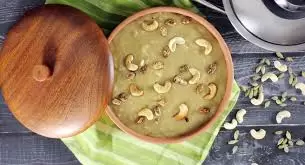
Quick answer: Pongal kootu is a thick Tamil stew of seasonal vegetables and cooked dal, finished with a ground coconut and spice paste. Many Tamil families serve it with sakkarai pongal on Thai Pongal day. The seven-vegetable version is called ezhu kari kootu. It takes about an hour, or 40 minutes with a pressure cooker.
Kitchen note: This recipe is not yet kitchen-tested by a HinduTone cook. The quantities and timings follow common home methods; judge doneness by look and texture, and adjust for your stove and ingredients.
| Key facts | Details |
|---|---|
| Dish | Thick stew of mixed vegetables, dal and ground coconut |
| Also called | Ezhu kari kootu (seven-vegetable kootu) |
| Region | Tamil Nadu |
| Festival role | A side dish for sakkarai pongal on Thai Pongal day in many homes |
| Thai Pongal 2027 | Friday 15 January 2027 in India (panchang) |
| Serves | 5 to 6 as a side |
| Prep time | 25 minutes |
| Cook time | 35 minutes (25 with a pressure cooker) |
| Vegan | Yes, if you temper in oil instead of ghee |
| Allergens | Coconut; asafoetida may contain wheat; milk if you use ghee |
What is Pongal kootu?
Kootu is a Tamil word for a dish that brings things together: here, vegetables and lentils cooked until soft and thickened with a paste of coconut, chilli and cumin. It sits between a dry vegetable dish and a thin sambar, thick enough to scoop up with rice or pongal.
On Pongal day the kootu usually holds a mix of the season's vegetables. DT Next, the Chennai daily, described ezhu kari kootu in January 2019 as a dish still made on the day of Pongal with at least seven local, seasonal vegetables, served alongside sakkarai pongal, and also known as navagraham kootu. The vegetables it named include raw banana, pumpkin, cluster beans, potato, elephant yam, sweet potato and broad beans.
Beyond that report, we have not found an official or scholarly source that fixes which vegetables, how many, or what the number means. Families and districts differ: some make a kootu with five vegetables, some with more, and some prefer a tamarind-based kuzhambu (gravy) on Pongal day instead. Treat the version below as one common home method, and follow your family's recipe where you have one.
Where it fits in the Pongal meal
Thai Pongal, the main day of the Tamil festival, falls on Friday 15 January 2027 in India per the panchang. The sweet pongal cooked in the new pot is offered first, and the meal that follows is built around it. A savoury kootu balances the sweetness of sakkarai pongal. Medu vadai and payasam often join the plate. See which Pongal is cooked on which day and our Thai Pongal guide. Confirm the day with your local panchang or temple priest.
Ingredients
| Ingredient | Metric | US measure |
|---|---|---|
| Toor dal (split pigeon peas) or moong dal | 100 g | 1/2 cup |
| Water for the dal | 400 ml | 1 2/3 cups |
| Turmeric | 1/4 teaspoon | 1/4 teaspoon |
| Mixed vegetables, cut into 2 cm cubes (see below) | 600 g | about 5 cups |
| Water for the vegetables | 300 ml | 1 1/4 cups |
| Tamarind (optional, for a tangy kootu) | 10 g, soaked in 100 ml warm water | a small lime-sized piece in 1/3 cup water |
| Jaggery (optional) | 1 teaspoon | 1 teaspoon |
| Salt | about 6 g | about 1 teaspoon |
For the coconut paste
| Ingredient | Metric | US measure |
|---|---|---|
| Fresh or frozen grated coconut | 60 g | 3/4 cup |
| Dried red chillies | 3 to 4 | 3 to 4 |
| Cumin seeds | 1 teaspoon | 1 teaspoon |
| Black peppercorns (optional) | 1/2 teaspoon | 1/2 teaspoon |
| Raw rice, soaked 10 minutes (optional, for body) | 1 teaspoon | 1 teaspoon |
| Water for grinding | 60 to 80 ml | 1/4 to 1/3 cup |
For tempering
| Ingredient | Metric | US measure |
|---|---|---|
| Coconut oil, sesame oil or ghee | 15 ml | 1 tablespoon |
| Mustard seeds | 1 teaspoon | 1 teaspoon |
| Urad dal | 1 teaspoon | 1 teaspoon |
| Curry leaves | 1 sprig | about 10 leaves |
| Asafoetida | a pinch | a pinch |
Choosing the vegetables
Pick five to seven that hold their shape and that you can find fresh. Mix starchy and green ones:
- Starchy: pumpkin (yellow or red), sweet potato, potato, elephant yam, colocasia (taro), raw banana (plantain).
- Beans: broad beans, cluster beans, field beans (fresh or frozen), cowpeas, flat beans.
- Others: brinjal (aubergine), ash gourd, chow-chow (chayote).
Peel yam, colocasia and raw banana. Wear gloves or oil your hands for yam and colocasia: their sap can make skin itch. Drop cut raw banana into water so it does not darken.
Method (stovetop)
- Rinse the dal two or three times. Cook it with the turmeric and 400 ml water in a covered pan on low to medium heat for 25 to 30 minutes, until it is completely soft. Mash it lightly.
- Meanwhile, put the harder vegetables (yam, colocasia, potato, sweet potato, beans) in a wide pan with 300 ml water and the salt. Cover and simmer for 8 minutes.
- Add the softer ones (pumpkin, raw banana, brinjal, gourds) and cook for another 8 to 10 minutes, until a knife slides through but the pieces still hold together.
- If using tamarind, squeeze the soaked pulp, strain the water into the vegetables, and simmer for 3 minutes until the raw smell goes.
- For the paste, warm a dry pan and toast the red chillies, cumin and pepper for a minute until fragrant. Cool, then grind with the coconut, soaked rice and water to a smooth paste.
- Stir the cooked dal and the paste into the vegetables. Add the jaggery if using. Simmer on low heat for 5 minutes, stirring from the bottom, until it thickens to a scoopable stew. Add a splash of hot water if it is too thick. Taste for salt.
- Heat the oil or ghee for tempering in a small pan. Add the mustard seeds; when they crackle, add the urad dal and stir until golden, then the curry leaves and asafoetida. Pour this over the kootu at once and stir.
Method (pressure cooker)
- Put the rinsed dal, turmeric and 400 ml water in a bowl or the inner pot. Cook for 3 to 4 whistles on medium heat, then let the pressure fall by itself.
- Cook the hard vegetables with 200 ml water and the salt for 1 whistle, release the pressure carefully, then add the soft vegetables and simmer uncovered for 6 to 8 minutes. Cooking all the vegetables under pressure together often turns pumpkin and raw banana to mush.
- Continue from step 4 of the stovetop method.
Method (Instant Pot or electric pressure cooker)
- Use the pot-in-pot method: dal and its water in a steel bowl on the trivet, the hard vegetables with 200 ml water and the salt in the main pot below.
- Cook on high pressure for 6 minutes, natural release for 10 minutes.
- Lift out the dal. Switch to sauté, add the soft vegetables and cook for 6 to 8 minutes, then continue from step 4 of the stovetop method.
A rice cooker is not suitable: the kootu needs stirring as it thickens.
Naivedyam notes
On Thai Pongal the sweet pongal is the main offering to the Sun. If your family also places the kootu on the offering leaf, cook it in clean vessels, keep a portion aside before anyone tastes it, and follow your family custom on ingredients. Some families leave out onion and garlic from festival food; this recipe uses neither. For the full puja steps see Thai Pongal puja at home.
Substitutions abroad
| Region | Vegetables | Coconut and dal |
|---|---|---|
| USA and Canada | Butternut or kabocha squash for pumpkin; frozen field beans, broad beans and cut yam at Indian grocers; plantain in Latin American aisles | Frozen grated coconut at Indian grocers; toor and moong dal widely sold |
| UK | Butternut squash, sweet potato and plantain in supermarkets; yam, taro and broad beans in Asian and Caribbean shops | Frozen grated coconut or desiccated coconut soaked in hot water |
| Australia | Butternut or Kent pumpkin; sweet potato; taro and frozen beans at Indian and Asian grocers | Frozen or desiccated coconut |
| The Gulf | Most South Indian vegetables in Indian supermarkets | Fresh coconut easy to find |
| South-East Asia | Pumpkin, sweet potato, taro, long beans and aubergine in wet markets | Fresh grated coconut sold in markets |
If you only have desiccated coconut, soak it in hot water for 10 minutes before grinding. Frozen mixed vegetables work at a pinch, though the stew will taste less of the season.
Vegan option
The kootu is vegan as written if you temper in coconut or sesame oil rather than ghee.
Common mistakes
- Mushy vegetables: add them in two stages, hard first, soft later.
- Under-cooked dal: the kootu stays grainy and watery. Cook the dal until it falls apart.
- Raw coconut taste: simmer for a few minutes after adding the paste.
- Too thin: simmer uncovered a little longer. Too thick: add hot water, not cold.
- Scorching: the coconut and dal catch on the bottom once the kootu thickens. Stir often on low heat.
- Salt added late to dense vegetables: cook the hard vegetables with the salt from the start so it reaches the centre.
Storage
Cool the kootu quickly and refrigerate in a covered box within 2 hours of cooking. Eat it within 2 days, reheating until it is piping hot all the way through. Coconut-based dishes sour fast in a warm kitchen, so do not leave it out overnight. It does not freeze well: the vegetables turn watery.
Allergens
- Coconut: a key ingredient. Anyone with a coconut allergy should skip this dish.
- Asafoetida: many commercial powders are blended with wheat flour, which contains gluten. Use a gluten-free asafoetida or leave it out.
- Milk: only if you temper in ghee.
- Legumes: dal, urad dal and beans. People with legume allergies should check with their doctor.
Frequently asked questions
What vegetables go into Pongal kootu?
Seasonal vegetables that hold their shape. A DT Next report on ezhu kari kootu named raw banana, pumpkin, cluster beans, potato, elephant yam, sweet potato and broad beans. Families add or swap others, such as colocasia, field beans or brinjal.
Why seven vegetables?
The name ezhu kari simply means seven vegetables. We have not found a reliable source that explains the number, so we do not offer one. Many families use five or more, depending on what is in season.
Is Pongal kootu the same as sambar?
No. Sambar is thinner, flavoured with sambar powder and tamarind, and poured over rice. Kootu is thick, gets its flavour from a fresh coconut and cumin paste, and is eaten as a side. Some homes make a Pongal kuzhambu (gravy) instead of kootu.
Can I make it a day ahead?
You can cook the vegetables and dal a day ahead and keep them in the fridge. Grind the coconut paste and finish the kootu on the day: it tastes fresher.
What do I serve it with?
Sakkarai pongal or ven pongal, plain rice, and medu vadai. See our sakkarai pongal recipe and ven pongal recipe.
Can I make it without coconut?
Yes, for a lighter kootu grind the toasted chillies and cumin with 2 tablespoons of roasted chana dal instead of coconut. It will taste different from the traditional version.
Sources
- DT Next, "The goodness of seven vegetables infused into a healthy Pongal-special curry", updated 19 January 2019 (ezhu kari kootu, seven or more seasonal vegetables, served with sakkarai pongal on Pongal day): https://www.dtnext.in/city/2019/01/20/the-goodness-of-seven-vegetables-infused-into-a-healthy-pongalspecial-curry (accessed 12 November 2026)
- Drik Panchang, Thai Pongal 2027 date (Chennai): https://www.drikpanchang.com/festivals/pongal/thai-pongal-date-time.html?geoname-id=1264527&year=2027 (accessed 12 November 2026)
- US Food and Drug Administration, "Food Allergies": https://www.fda.gov/food/nutrition-food-labeling-and-critical-foods/food-allergies (accessed 12 November 2026)
- Food Standards Agency (UK), "Food allergy and intolerance advice for consumers": https://www.gov.uk/government/publications/food-allergy-and-intolerance-advice-for-consumers (accessed 12 November 2026)
Last reviewed: 12 November 2026.
Related guides
Share this with family and friends
Send it on WhatsApp, post it, or copy the link.
More from Recipes
- Rauh di Kheer Recipe (Punjabi Rice Kheer Cooked in Sugarcane Juice)
- Nolen Gur Payesh Recipe (Bengali Rice Pudding with Date-Palm Jaggery)
- Dudh Puli Recipe (Bengali Rice Dumplings in Thickened Milk with Nolen Gur)
- Bhapa Pitha Recipe (Bengali Steamed Rice Cakes with Coconut and Nolen Gur)
- Kakara Pitha Recipe (Odia Fried Pitha with Coconut Filling)

