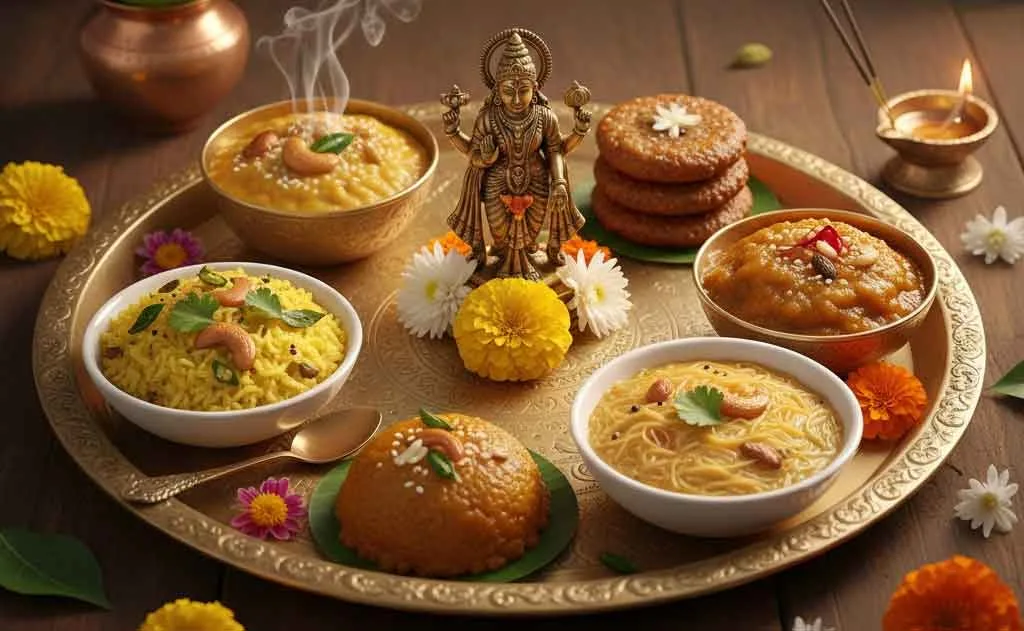
Paal Pongal Recipe (Milk Pongal Cooked in a Pot on Thai Pongal)
Quick answer: Paal Pongal is new rice cooked in milk in a pot on Thai Pongal morning. The milk is allowed to froth over the rim, the family calls "Pongalo Pongal!", and the rice is cooked soft. It can be served plain or lightly sweetened, or turned into sakkarai pongal with jaggery. Allow 10 minutes
Quick answer: Paal Pongal is new rice cooked in milk in a pot on Thai Pongal morning. The milk is allowed to froth over the rim, the family calls "Pongalo Pongal!", and the rice is cooked soft. It can be served plain or lightly sweetened, or turned into sakkarai pongal with jaggery. Allow 10 minutes to prepare and 35 to 45 minutes to cook.
Kitchen note: This recipe is not yet kitchen-tested by a HinduTone cook. The quantities and timings follow common home methods; judge doneness by look and texture, and adjust for your stove and ingredients.
| Key facts | |
|---|---|
| Dish | Rice cooked in milk and water, plain or lightly sweetened |
| Name | Paal means milk in Tamil; paal pongal is "milk pongal" |
| Festival role | The pot cooked on Thai Pongal morning; its boil-over is the moment of the festival |
| Thai Pongal | Friday 15 January 2027 in India (per the panchang); Thursday 14 January 2027 in the USA, Canada and the UK |
| Serves | 4 to 6 |
| Prep time | 10 minutes |
| Cook time | 35 to 45 minutes |
| Allergens | Milk; tree nuts only if cashews are added |
What is paal pongal?
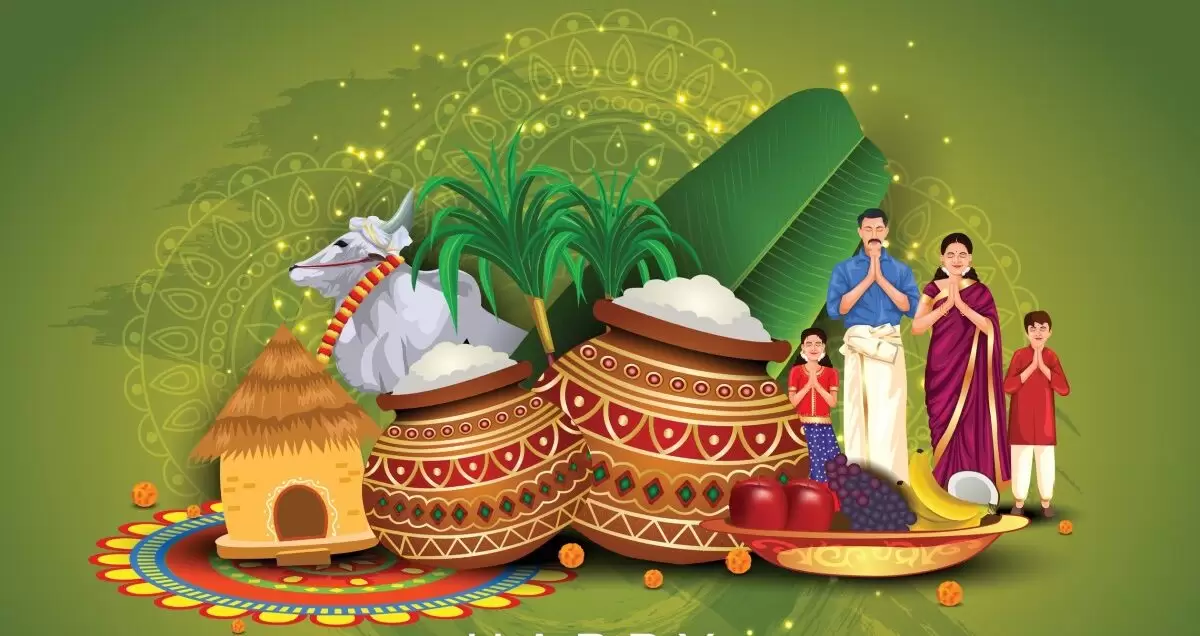
On Thai Pongal, the first day of the Tamil month of Thai, families cook new rice from the harvest in milk in a new pot, traditionally of clay, often with a fresh turmeric plant tied round its neck and sugarcane standing beside it. They let the milk rise and spill over the rim on purpose. The overflow is read as a sign of plenty for the year ahead, and everyone shouts "Pongalo Pongal!". Our page on what "Pongalo Pongal" means explains the word and the call.
Families name and finish this pot in different ways. Many call the rice cooked in milk paal pongal and keep it plain or lightly sweetened. Many more go on to add jaggery, ghee and cardamom to the same pot, and it becomes sakkarai pongal, the sweet offered to Surya. Some cook a separate savoury ven pongal as well. Follow your family's way: this page gives the milk pongal and shows where to branch off.
Paal pongal, sakkarai pongal and ven pongal
| Paal pongal | Sakkarai pongal | Ven pongal | |
|---|---|---|---|
| Cooked in | Milk and water | Water or milk, then jaggery | Water |
| Taste | Mild, milky, plain or lightly sweet | Sweet, with jaggery and cardamom | Savoury, with pepper, cumin and ginger |
| Moong dal | Optional, a little | Yes | Yes, plenty |
| Ghee | Optional | Yes | Yes, in the seasoning |
| On Thai Pongal | The boil-over pot | Often the same pot, sweetened, offered to the Sun | Often a second pot, served with the meal |
Ingredients
| Ingredient | Metric | US measure |
|---|---|---|
| Raw rice, new-harvest if you can get it (ponni, sona masoori or other short or medium grain) | 200 g | 1 cup |
| Split yellow moong dal (optional) | 25 g | 2 tablespoons |
| Full-fat milk | 750 ml | 3 cups |
| Water | 500 ml | 2 cups, plus extra hot water as needed |
| Sugar or grated jaggery (optional) | 2 to 4 tablespoons | 2 to 4 tablespoons |
| Cardamom, ground (optional) | a pinch | a pinch |
| Ghee (optional) | 15 to 30 ml | 1 to 2 tablespoons |
| Cashews (optional) | 8 to 10 | 8 to 10 |
For the boil-over, use a pot that the liquid fills to about three-quarters. In a very large pot the milk will not reach the rim.
How to make paal pongal on Thai Pongal morning
- If using moong dal, dry-roast it in a pan on low heat for 2 minutes until it smells nutty. Rinse the rice (and dal) twice and drain.
- Set the pot on the fire or stove. If it is a clay pot, start on low heat (see the clay-pot section below). Pour in the milk and water.
- Bring it slowly to the boil. As the milk froths up, let it rise and spill over the rim. This is the moment to call "Pongalo Pongal!". Many families watch which side it spills towards.
- Lower the heat as soon as it has spilled, so it does not keep boiling over.
- Add the rice (and dal). In some families the rice goes in before the milk boils; follow your custom.
- Simmer on low heat, stirring every few minutes, for 30 to 40 minutes, until the rice is very soft and starts to break down. Add hot water if it thickens before the rice is cooked.
- Mash lightly with a ladle. Paal pongal should be soft and creamy.
- If you like, stir in the sugar or jaggery, cardamom, ghee and cashews fried in ghee. For jaggery, melt it in a little water, strain it and let it cool slightly before stirring it in off the heat, so the milk does not split.
To make sakkarai pongal from this pot, follow our sakkarai pongal recipe from the jaggery step.
Using a clay or bronze pot on a modern stove
The traditional pot is a new clay pot (Pongal panai) or a bronze or brass pot kept for the festival. Both can be used safely with care.
Clay pot
- Buy a pot made for cooking. Some glazed pottery can release lead into food. The US Food and Drug Administration advises extra care with handmade, antique, damaged or brightly glazed pieces, says decorative-only ware should never be used for food, and notes that washing or boiling does not remove lead. Buy a cooking pot from a seller you trust, and if you are unsure about a glazed pot, do not cook in it.
- Soak it before first use. Many potters advise soaking a new unglazed pot in water for a few hours and drying the outside. Follow the maker's instructions where you have them.
- Heat it slowly. Start on a low flame with the liquid already in the pot and raise the heat gradually. Never heat an empty clay pot.
- Use a heat diffuser on electric coils and glass-ceramic hobs. A flat metal diffuser spreads the heat and reduces the risk of cracking. On a gas ring, a diffuser also helps a round-bottomed pot sit steady.
- Induction will not heat clay. Induction hobs only heat pans that a magnet sticks to. To use a clay pot on induction, you need a flat induction converter disc or a heavy steel pan underneath, and the heat is slow and uneven. Many families simply cook the festival pongal in a steel pot on induction.
- Avoid sudden temperature changes. Do not pour cold water into a hot pot or set a hot pot on a cold, wet surface. Add hot water when the rice needs more liquid.
- Check for cracks. A cracked or chipped pot can split on the heat. Look it over before you start, and keep the stove area clear in case it leaks.
Bronze or brass pot
Bronze and brass are not magnetic, so they will not work on induction without a converter disc. On gas and electric they work well, but they heat quickly: keep the flame low once the milk boils. Clean them thoroughly after use and follow any care advice from the shop or maker, especially for older or decorative vessels.
Safety around the boil-over
- Keep children and trailing sleeves back when the milk froths over. Boiling milk scalds.
- Put a tray or foil under the pot, or a pan ring around a gas burner, to catch the spill. On a gas hob, spilled milk can put out the flame: check that the burner is still lit, or turn it off and relight it.
- Indoors abroad, keep the smoke alarm working. Do not cook on an open flame on an apartment balcony.
Pressure cooker and Instant Pot
The boil-over is the heart of the festival pot, so on Thai Pongal morning cook paal pongal in an open pot. On other days you can use a cooker.
Milk foams under pressure and can block a cooker's vent. Cook the rice in a steel bowl set inside the cooker (pot-in-pot), not in milk directly in the base.
Pressure cooker: Put the rinsed rice (and dal) in a steel bowl with 2 cups (480 ml) of milk and 1 cup of water. Pour 1 1/2 cups of water into the cooker base, set the bowl on a trivet and cook on medium heat for 4 to 5 whistles. Let the pressure drop on its own, mash and stir in a cup of warm milk.
Instant Pot: Use the same pot-in-pot set-up with 1 cup of water in the inner pot and Pressure Cook (high) for 15 minutes with a full natural release.
Naivedyam notes
On Thai Pongal the pongal is offered first to Surya, the Sun, usually on a banana leaf with sugarcane, bananas and coconut, then shared with the family. Whether the offering is the plain milk pongal, the sweetened sakkarai pongal or both depends on family custom. Our Thai Pongal puja guide gives a simple home order. Confirm the day and time with your local panchang or temple priest.
Substitutions abroad
| Region | Rice | Milk | Pot |
|---|---|---|---|
| USA and Canada | Sona masoori or ponni at Indian grocers; Calrose works | Whole milk | A steel pot is fine; buy any clay pot as cookware, not decor |
| UK | Sona masoori in Asian shops; pudding rice at a pinch | Whole milk | A steel or enamelled pot works well |
| Australia | Sona masoori; medium-grain rice | Full-cream milk | A steel or enamelled pot works well |
| The Gulf | Ponni and sona masoori are easy to find | Full-fat fresh milk | A steel or brass pot works well |
| South-East Asia | Ponni in Little India shops; jasmine rice at a pinch | Fresh full-cream milk | A steel pot is fine; buy any clay pot as cookware, not decor |
Vegan option
For a dairy-free pot, cook the rice in diluted coconut milk (one part coconut milk to two parts water). It froths and rises like dairy milk. The flavour is different, and for a puja offering many families use only cow's milk: follow your family practice or ask your priest.
Common mistakes
- Pot too big: the milk never reaches the rim. Fill the pot about three-quarters full.
- Heat too high on clay: sudden heat cracks clay pots. Start low and raise the heat slowly.
- Leaving the flame high after the spill: the milk keeps boiling over and scorches. Turn it down as soon as it has spilled.
- Scorched bottom: stir and scrape the base every few minutes once the rice is in.
- Hot jaggery into boiling milk: it can split the milk. Add cooled, strained jaggery syrup off the heat.
Storage
Paal pongal is a milk dish. Cool it quickly and refrigerate within 2 hours. It keeps for 1 to 2 days in the fridge. It thickens as it cools; reheat gently with warm milk, stirring until smooth.
Allergens
Contains milk. Contains tree nuts only if you add cashews. No gluten or sesame in this recipe.
Frequently asked questions
Is paal pongal sweet?
It can be plain or lightly sweet. Many families add a little sugar or jaggery; add a lot of jaggery with ghee and cardamom and it becomes sakkarai pongal.
Why do families let the milk boil over?
The word pongal comes from the Tamil for "to boil over" or "to swell". The overflowing pot is read as a sign of plenty for the household in the coming year, and everyone calls "Pongalo Pongal!" as it spills.
Can I make paal pongal on an induction hob?
Yes, in a steel pot that a magnet sticks to. A clay or bronze pot will not heat on induction unless you use a converter disc underneath, and even then the heat is slow and uneven.
Can I use a steel pot instead of a clay pot?
Yes. Many families, in India and abroad, use a steel or brass pot. What matters to most families is the new rice, the milk and the boil-over.
When is Thai Pongal in 2027?
Friday 15 January 2027 in India, per the panchang. In the USA, Canada and the UK the panchang date is Thursday 14 January 2027. Community gatherings abroad are often held on the nearest weekend. Confirm with your local panchang or temple priest.
Should I use new rice?
New-harvest rice is the custom on Thai Pongal, as the festival gives thanks for the harvest. Abroad, any fresh pack of short or medium-grain rice works.
Sources
- Hinduism Today, "Festivals: Sankranti or Pongal", April 2010 (rice cooked with milk in a new pot; "Pongalo Pongal!"; watching which way the froth spills): https://www.hinduismtoday.com/2010-04-festivals-sankranti-or-pongal/ (accessed 12 November 2026)
- Malay Mail, Dhesegaan Bala Krishnan, "What is Pongal and how is it celebrated in Malaysia?", 13 January 2025 (rice cooked with milk and jaggery in a claypot with a turmeric plant; many households now cook on gas stoves): https://www.malaymail.com/news/malaysia/2025/01/13/what-is-pongal-and-how-is-it-celebrated-in-malaysia/162581 (accessed 12 November 2026)
- University of Madras Tamil Lexicon (Digital South Asia Library), entry for "pongal": https://dsal.uchicago.edu/dictionaries/tamil-lex/ (accessed 12 November 2026)
- Drik Panchang, "Thai Pongal 2027" (Chennai): https://www.drikpanchang.com/festivals/pongal/thai-pongal-date-time.html?geoname-id=1264527&year=2027 (accessed 12 November 2026)
- US Food and Drug Administration, "Questions and Answers on Lead-Glazed Traditional Pottery": https://www.fda.gov/food/environmental-contaminants-food/questions-and-answers-lead-glazed-traditional-pottery (accessed 12 November 2026)
- US Department of Energy, "Making the Switch to Induction Stoves or Cooktops": https://www.energy.gov/articles/making-switch-induction-stoves-or-cooktops (accessed 12 November 2026)
- US Food and Drug Administration, "Safe Food Handling": https://www.fda.gov/food/buy-store-serve-safe-food/safe-food-handling (accessed 12 November 2026)
Last reviewed: 12 November 2026.
Related guides
Share this with family and friends
Send it on WhatsApp, post it, or copy the link.
More from Recipes
- Gujiya Recipe for Holi (Mawa Gujiya with a No-Khoya Option)
- Rauh di Kheer Recipe (Punjabi Rice Kheer Cooked in Sugarcane Juice)
- Medu Vadai Recipe (Ulundu Vadai for Pongal and Festival Days)
- Sakkare Acchu Recipe (Karnataka Sugar Moulds for Sankranti)
- Huggi Recipe: Sweet Sihi Huggi and Savoury Khara Huggi