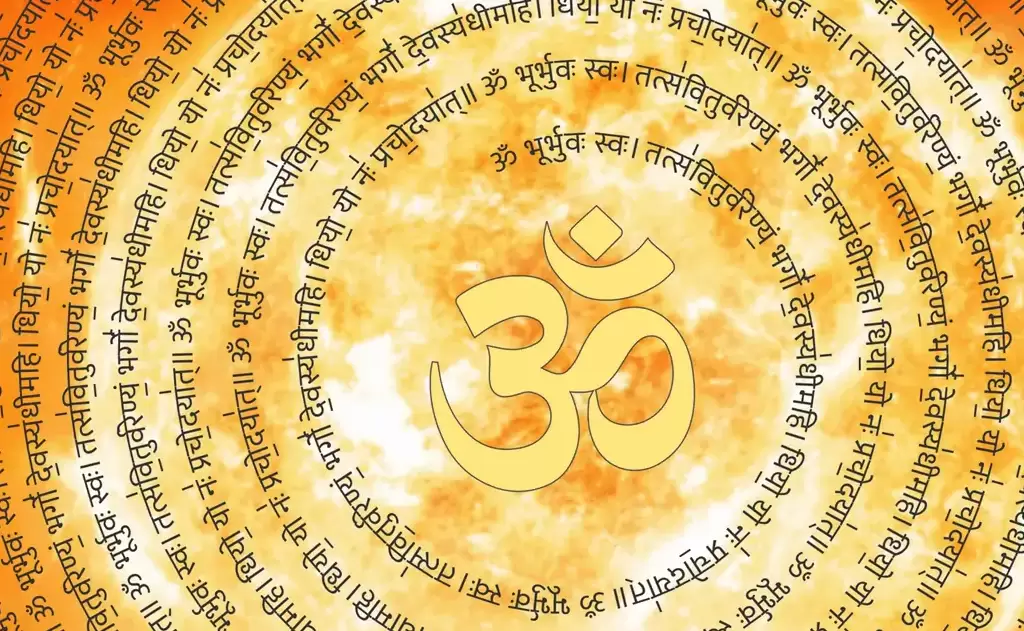
Sanskrit is Not a Dead Language: The Vibrant Reality of Samaskritam in Modern India
Why Sanskrit Remains a Living, Thriving Language Contrary to popular misconceptions, Sanskrit (Samaskritam) is far from a dead language.
Why Sanskrit Remains a Living, Thriving Language
Contrary to popular misconceptions, Sanskrit (Samaskritam) is far from a dead language. Across India and increasingly worldwide, this ancient tongue continues to pulse with life through temple chants, daily prayers, literature, music, and philosophical discourse.
Sanskrit in Daily Hindu Practice
Temple worship across India resonates with Sanskrit shlokas every single day. From morning prayers to evening aartis, millions of Hindus recite Vedic mantras, stotras, and bhajans in Sanskrit. The language forms the backbone of Hindu religious practice:
- Vedic chants during pujas and yajnas
- Sanskrit mantras in daily sandhyavandanam
- Shlokas from the Bhagavad Gita quoted in conversations
- Wedding ceremonies conducted in Sanskrit
- Naming ceremonies using Sanskrit names
The Ramayana, Mahabharata, and Popular Culture
Ancient epics remain contemporary through constant retellings. The Ramayana and Mahabharata are quoted daily in WhatsApp messages, social media posts, and everyday conversations. These Sanskrit texts provide moral guidance, philosophical insights, and narrative wisdom that Indians reference naturally in modern contexts.
The Bhagavad Gita appears in Bollywood films, motivational speeches, business seminars, and self-help literature. Its Sanskrit verses are recognized and understood across educational and social strata.
Sanskrit in Indian Languages and Names
Linguistic influence runs deep across the Indian subcontinent. Dravidian languages including Telugu, Kannada, and Malayalam contain extensive Sanskrit vocabulary and grammatical structures. Tamil and Sanskrit developed alongside each other, with centuries of mutual enrichment.
Indian names predominantly derive from Sanskrit: Rama, Krishna, Lakshmi, Arjun, Priya, Anand, Shanti, Veda, and thousands more. This naming tradition ensures Sanskrit remains embedded in Indian identity.
Sanskrit in Music and the Arts
Indian classical music breathes Sanskrit. Carnatic and Hindustani compositions feature Sanskrit lyrics extensively. Modern fusion music incorporates Sanskrit mantras and verses, creating spiritual soundscapes that resonate globally. Vocalists use Sanskrit for its perfect phonetic structure and tonal beauty.
Sanskrit as Scientific and Literary Treasury
Ancient Sanskrit texts preserve invaluable knowledge:
- Astronomical treatises like Aryabhatiya
- Mathematical innovations including the decimal system and zero
- Ayurvedic medical texts like Charaka Samhita
- Architectural manuals like Vastu Shastra
- Philosophical systems: Vedanta, Yoga Sutras, Nyaya, Samkhya
- Literary masterpieces by Kalidasa, Bhasa, and Bharavi
These works continue to be studied, translated, and applied worldwide.
The Perfect Structure of Samaskritam: Deva Bhasha
Sanskrit is called Deva Bhasha (divine language) because of its extraordinary linguistic precision. Its phonetics, grammar, and syntax are mathematically structured, making it ideal for:
- Precise philosophical exposition
- Computational linguistics and AI research
- Chanting and sound therapy
- Exact transmission of knowledge across generations
What is perfect will be protected by time. Sanskrit's structural perfection ensures its immortality.
The Global Sanskrit Renaissance
A worldwide Sanskrit revival is underway:
- Sanskrit courses offered in universities globally
- Online learning platforms teaching Samaskritam
- Research into Vedic sciences gaining momentum
- International yoga communities learning mantras
- Scholars worldwide studying Sanskrit philosophy
Sanskrit Spoken Communities in India
Sanskrit is actively spoken in several Indian communities:
- Mattur and Hosahalli villages in Karnataka
- Sanskrit schools and universities across India
- Scholarly gatherings and conferences
- Traditional gurukuls and pathshalas
Addressing Misconceptions
Even critics of Hinduism constantly reference Sanskrit texts like Manusmriti, demonstrating the language's continued relevance in intellectual discourse. The very act of debate proves Sanskrit literature remains vital and influential.
Sanskrit: We May Not Wear Gold Everyday, But We Never Give It Away
This metaphor perfectly captures Sanskrit's status. It may not be everyone's daily conversational language, but it remains treasured, preserved, and passed down through generations. Sanskrit is the gold standard of Indian linguistic and cultural heritage.
The Immortality of Samaskritam
Sanskrit stores the profound wisdom of spiritually evolved beings. Its enunciation of dharma, exploration of consciousness, aesthetic theories, and philosophical systems represent humanity's highest intellectual achievements. This depth ensures Sanskrit will continue inspiring seekers of knowledge for millennia to come.
Conclusion: Sanskrit Lives in Every Hindu Heart
From temple bells to WhatsApp forwards, from classical concerts to baby names, from ancient manuscripts to modern research papers, Sanskrit remains vibrantly alive. It is the language of Sanatan Dharma's past, present, and future—immortal, perfect, and eternally relevant.
Samaskritam is not dead. It is eternal.
Explore the depth of Sanskrit literature, philosophy, and spirituality at HinduTone.com—your gateway to Sanatan Dharma's timeless wisdom.
Frequently Asked Questions
Is Sanskrit really a dead language?
No. Sanskrit remains in daily use through temple shlokas, Vedic chants during pujas, mantras in sandhyavandanam, wedding and naming ceremonies, music and philosophical discourse.
Where is Sanskrit still spoken in India?
Sanskrit is actively spoken in communities such as the villages of Mattur and Hosahalli in Karnataka. It is also kept alive in Sanskrit schools and universities, scholarly gatherings, and traditional gurukuls and pathshalas.
Why is Sanskrit called Deva Bhasha?
It is called Deva Bhasha, the divine language, because of its precise phonetics, grammar and syntax, which are mathematically structured. This makes it suited to exact transmission of knowledge, chanting and even computational linguistics research.
How has Sanskrit influenced Indian languages and names?
Dravidian languages such as Telugu, Kannada and Malayalam contain extensive Sanskrit vocabulary and grammatical structures. Many Indian names, including Rama, Krishna, Lakshmi, Arjun and Shanti, derive from Sanskrit.
Is there a Sanskrit revival outside India?
Yes. Universities worldwide offer Sanskrit courses, online platforms teach Samaskritam, and international yoga communities learn mantras. Scholars across the world also study Sanskrit philosophy.
What knowledge do ancient Sanskrit texts preserve?
They include the astronomical treatise Aryabhatiya, the Ayurvedic text Charaka Samhita, Vastu Shastra, and philosophical systems like Vedanta, Yoga Sutras, Nyaya and Samkhya. Literary works by Kalidasa, Bhasa and Bharavi are also preserved.
Share this with family and friends
Send it on WhatsApp, post it, or copy the link.
More from Resources
- NRI Job Loss Abroad 2026: What to Do First, Visa Grace Periods in the USA, UK, Canada and UAE, and Keeping Your Family Steady
- Must-Performed Rituals Every NRI Woman Should Do for Her Family's Wellbeing
- Hindu Priest Career Pathways 2026 — Vedapatashala Training, Modern Education, Global Opportunities & Long-Term Outlook
- Hindu Priest Jobs New Zealand 2026 — Auckland, Wellington, Christchurch Vacancies & NZ Religious Worker Visa Guide
- Hindu Priest Jobs Malaysia 2026 — Batu Caves, KL, Penang Vacancies & Tamil Hindu Career Guide
You might also like
World Sanskrit Day 2025: Embracing the Divine Language of the Gods on Shravan Poornima

Why Brahmin Śrāpa Affects More People in Kaliyuga — And Why Remedies Fail
Sanskrit Day 2025: Complete Guide to Vishva Samskrita Dinam