
Hindu Gods and Goddesses
84 articles
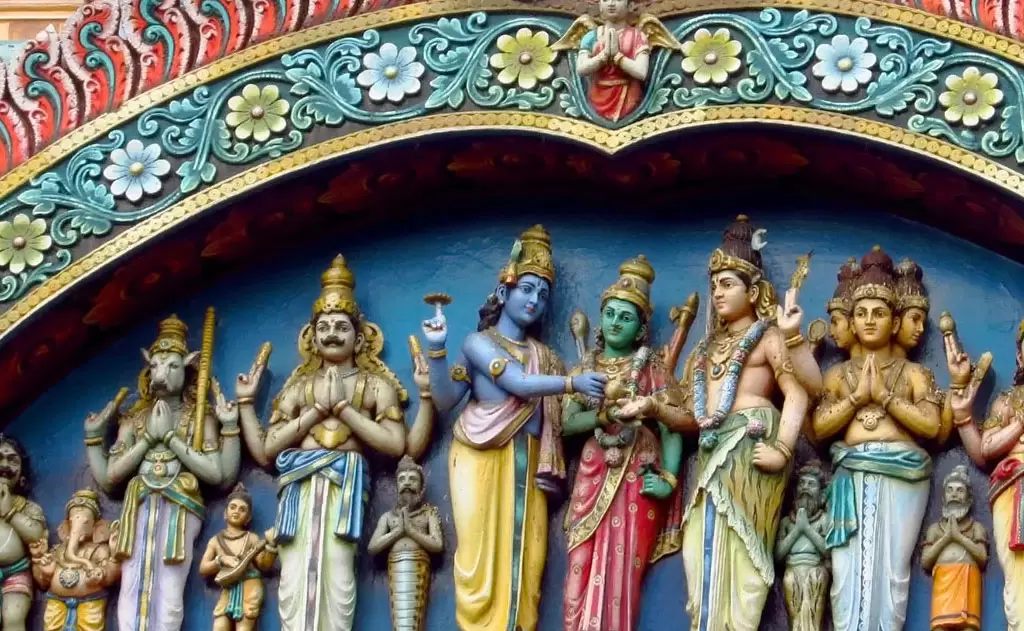
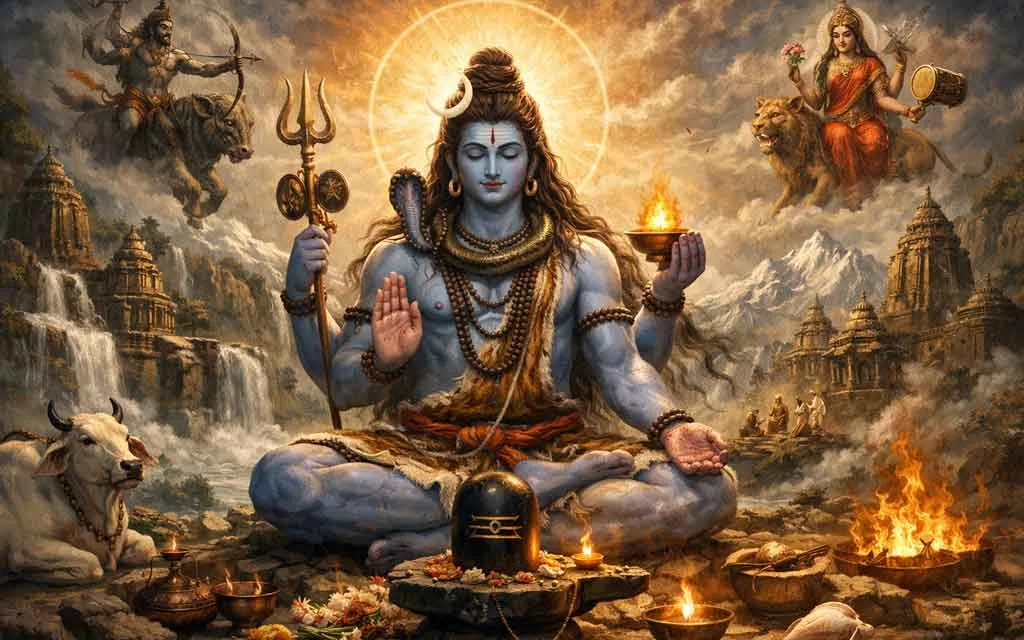
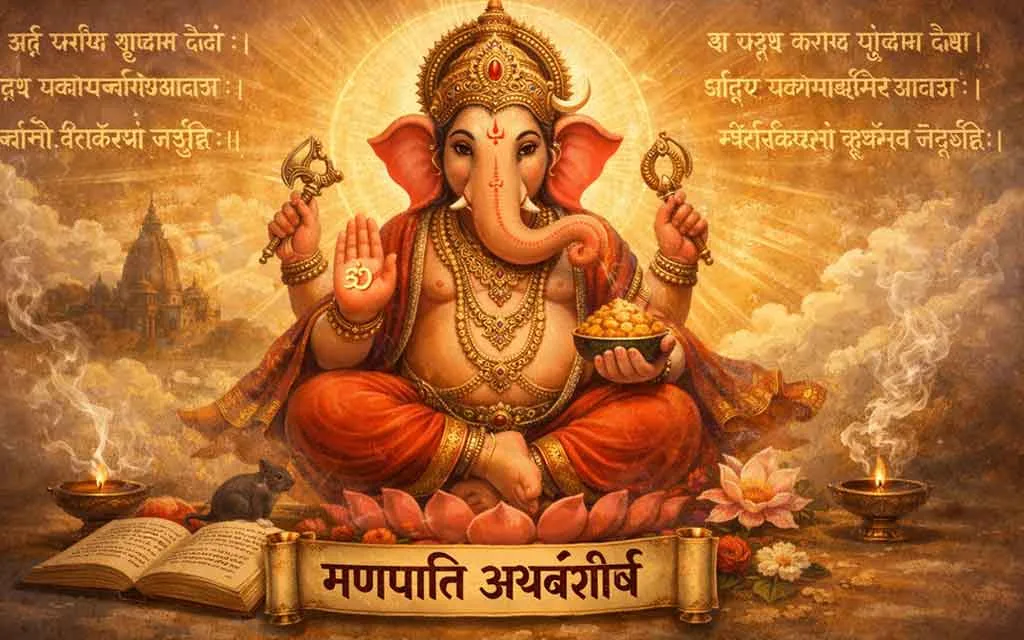
Hinduism is often described as having countless gods, yet many traditions understand these deities as different faces of one supreme reality, Brahman. Families may worship Lord Shiva, Lord Vishnu and his avatars, Goddess Durga and the other forms of the Divine Mother, Ganesha, Hanuman, Murugan and many village and family deities, each with distinct stories, symbols and vehicles.
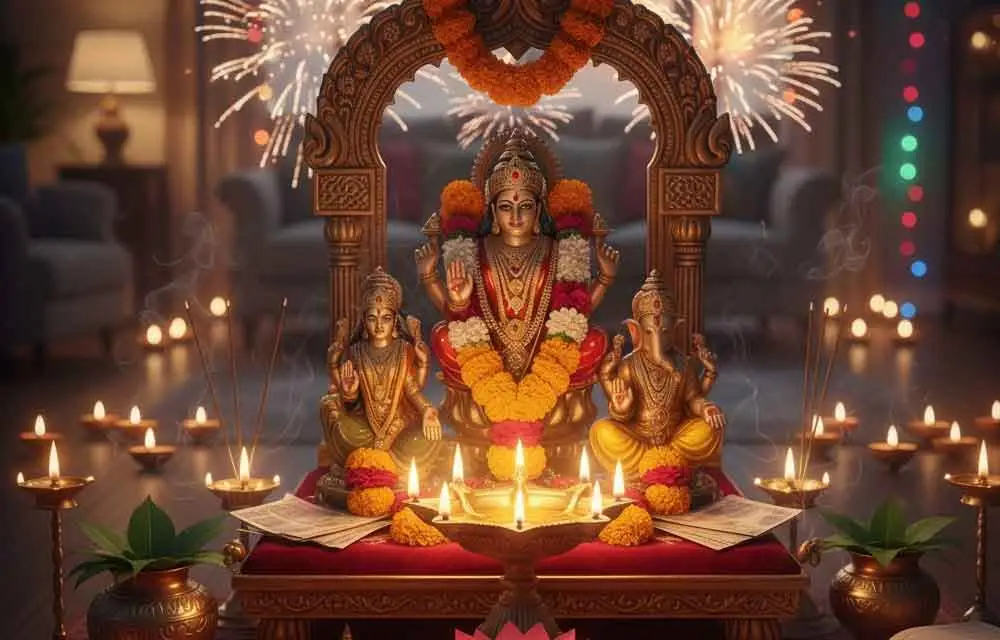
For devotees, this variety is a strength rather than confusion. A household may keep an ishta devata, a personally chosen deity, while honouring others on their festival days. Learning who each deity is, what they hold in their hands and why they ride a particular animal helps children and newcomers make sense of the pictures in the puja room and the temple.
On this page you will find introductions to the major gods and goddesses, explanations of iconography and vahanas, stories from the Puranas and epics, guides to the Dasavataram of Lord Vishnu, and articles on how different regions and sampradayas approach worship. Follow the links to individual deities such as Lord Shiva and Goddess Durga.
Start Here
Latest Articles
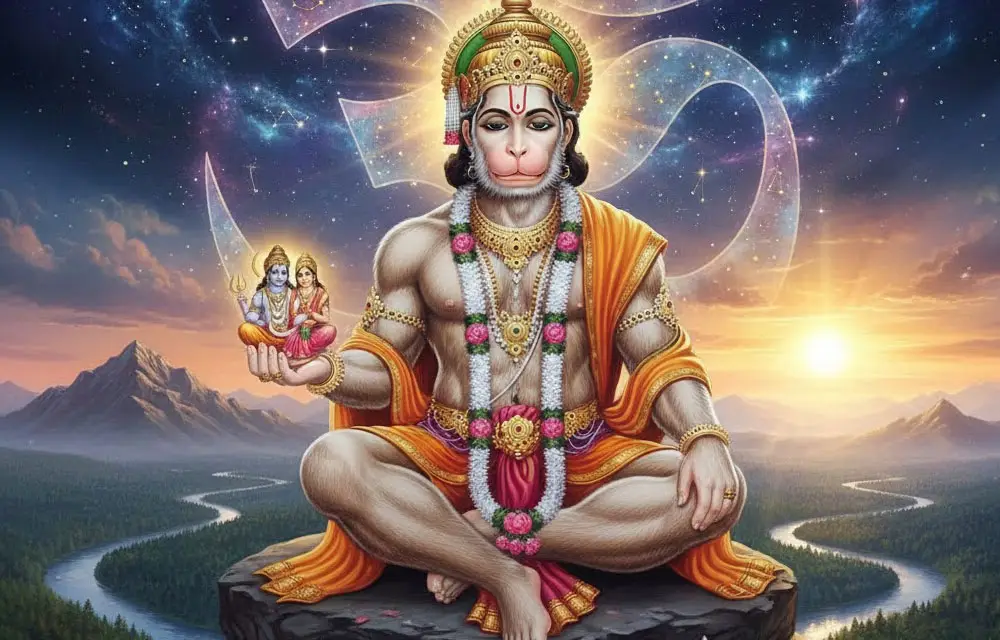
Birth Story of Lord Hanuman: Anjani, Kesari and Vayu Dev
On Tuesdays, Saturdays and above all on Hanuman Jayanti, devotees remember Lord Hanuman, the mighty servant of Sri…
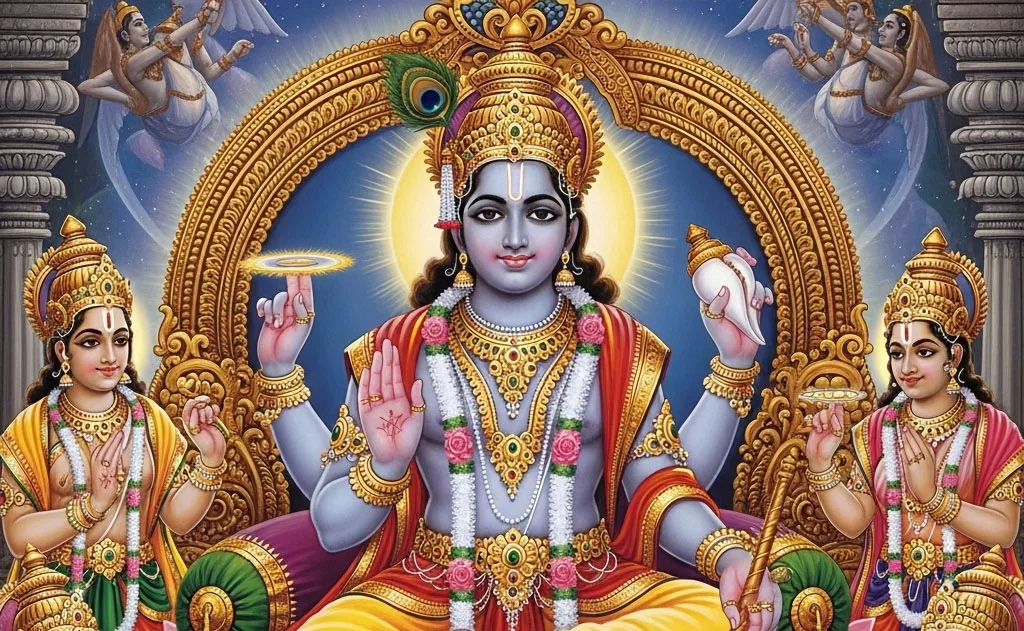
Lakshmi and Vishnu: The Divine Couple, Their Story, Avatars and Worship
The story of Lakshmi and Vishnu: the Samudra Manthan, the Srivatsa mark, Lakshmi's form in each avatar of Vishnu…
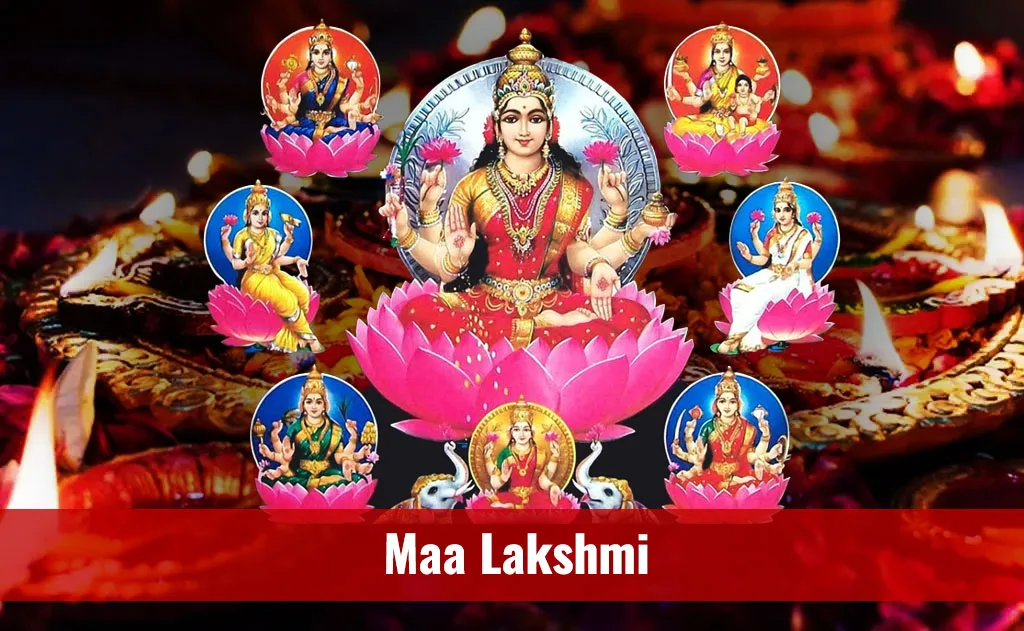
Gaja Lakshmi: Meaning, Iconography, Temples and How to Worship Her
Gaja Lakshmi is Lakshmi seated on a lotus while two elephants bathe her. Her meaning, iconography, place in Ashta…
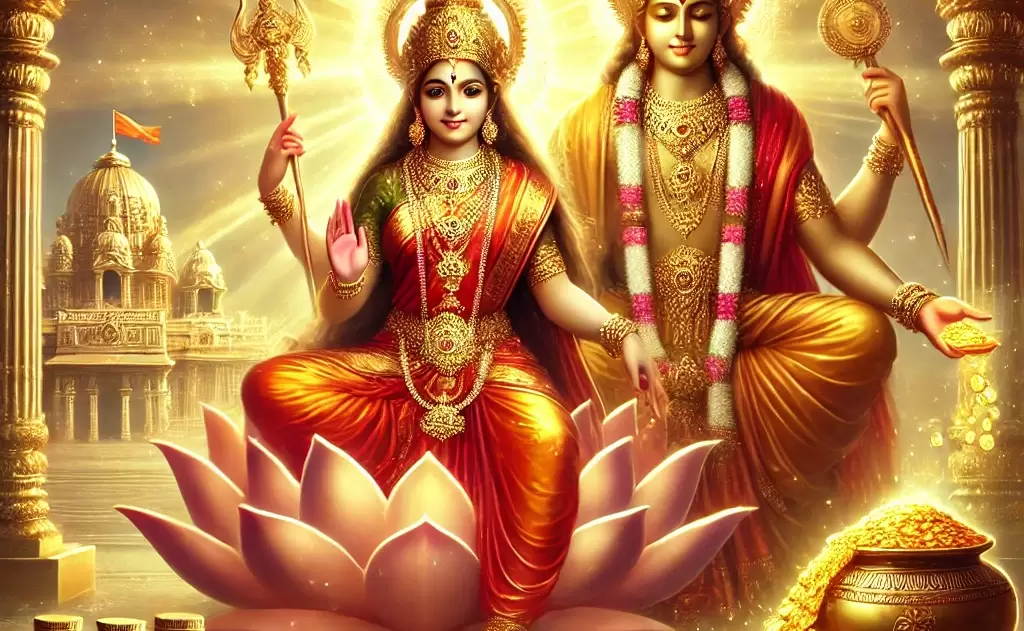
Kubera and Ravana: How Lanka and the Pushpaka Vimana Changed Hands (Valmiki Ramayana)
Lanka was Kubera's before it was Ravana's. The Uttara Kanda tells how the half-brothers fell out: Ravana claimed…
Nava Nidhi: The Nine Treasures of Kubera (Padma, Mahapadma, Shankha and More), with Variant Lists
The nine nidhis (treasures) of Kubera, named in Sanskrit with their literal meanings, the Amarakosha list of nine, the…
Who Is Lord Kubera? Birth, Alakapuri, Pushpaka, Guardian of the North and Friend of Shiva
Lord Kubera (Vaishravana) is the son of the sage Vishrava, half-brother of Ravana, king of the Yakshas and keeper of…

33 Crore Gods Meaning: What "33 Koti Devatas" Really Means, from the Vedas to the One Brahman
Hindus are often said to have 33 crore (330 million) gods. The Vedic texts actually count 33 devas: 8 Vasus, 11…
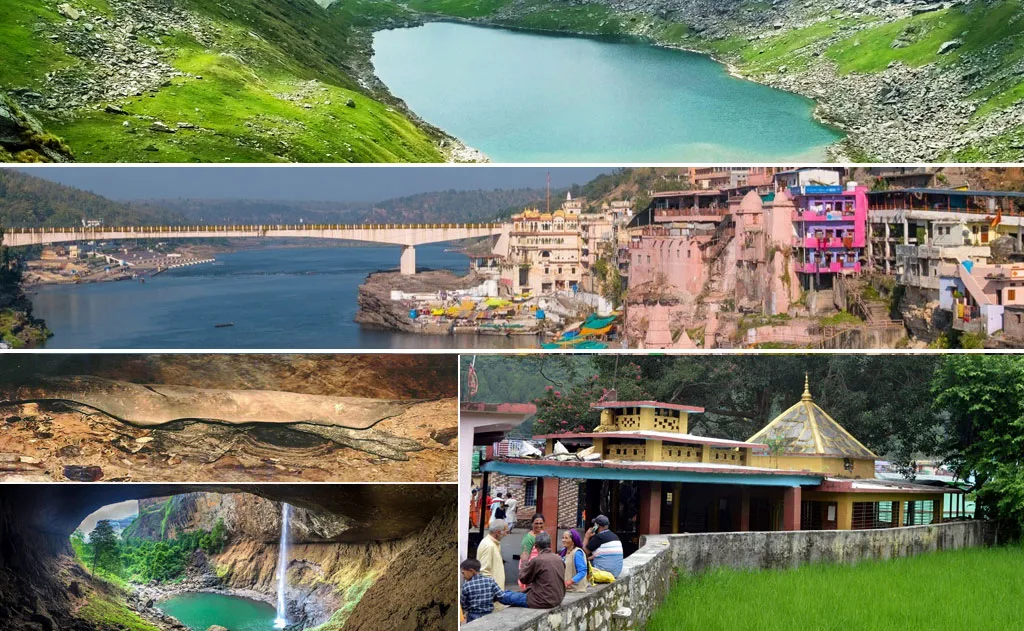
Goddess Renuka Yellamma: Story, Worship and Major Temples
A respectful guide to Goddess Renuka, revered as Yellamma across Karnataka, Maharashtra, Andhra Pradesh and Telangana…
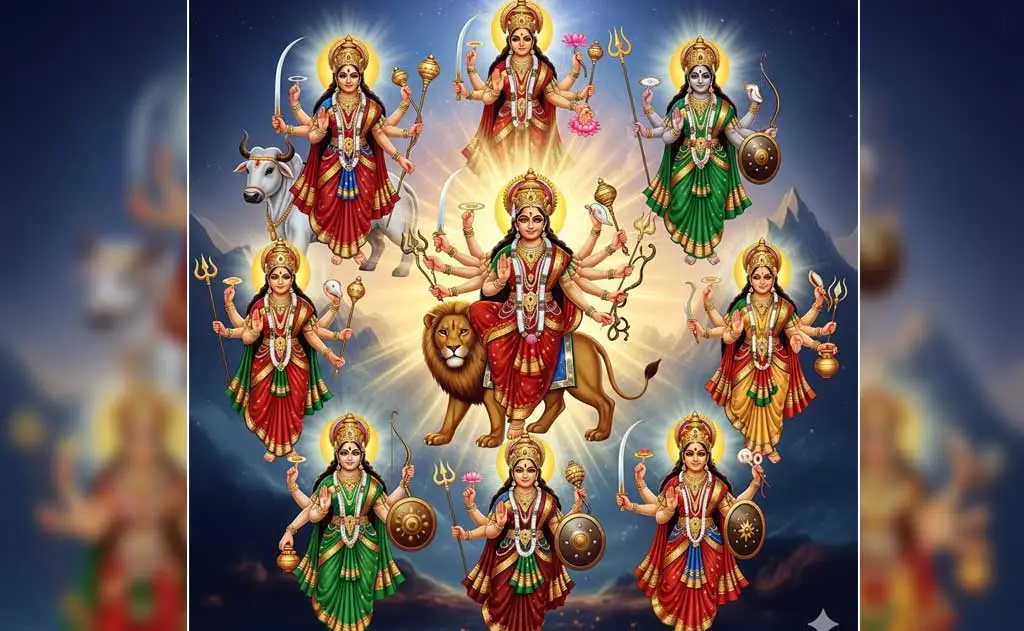
Devi Mahatmya (Durga Saptashati): A Complete Guide to the 13 Chapters
A complete guide to the Devi Mahatmya, also called Durga Saptashati or Chandi Path: where it sits in the Markandeya…
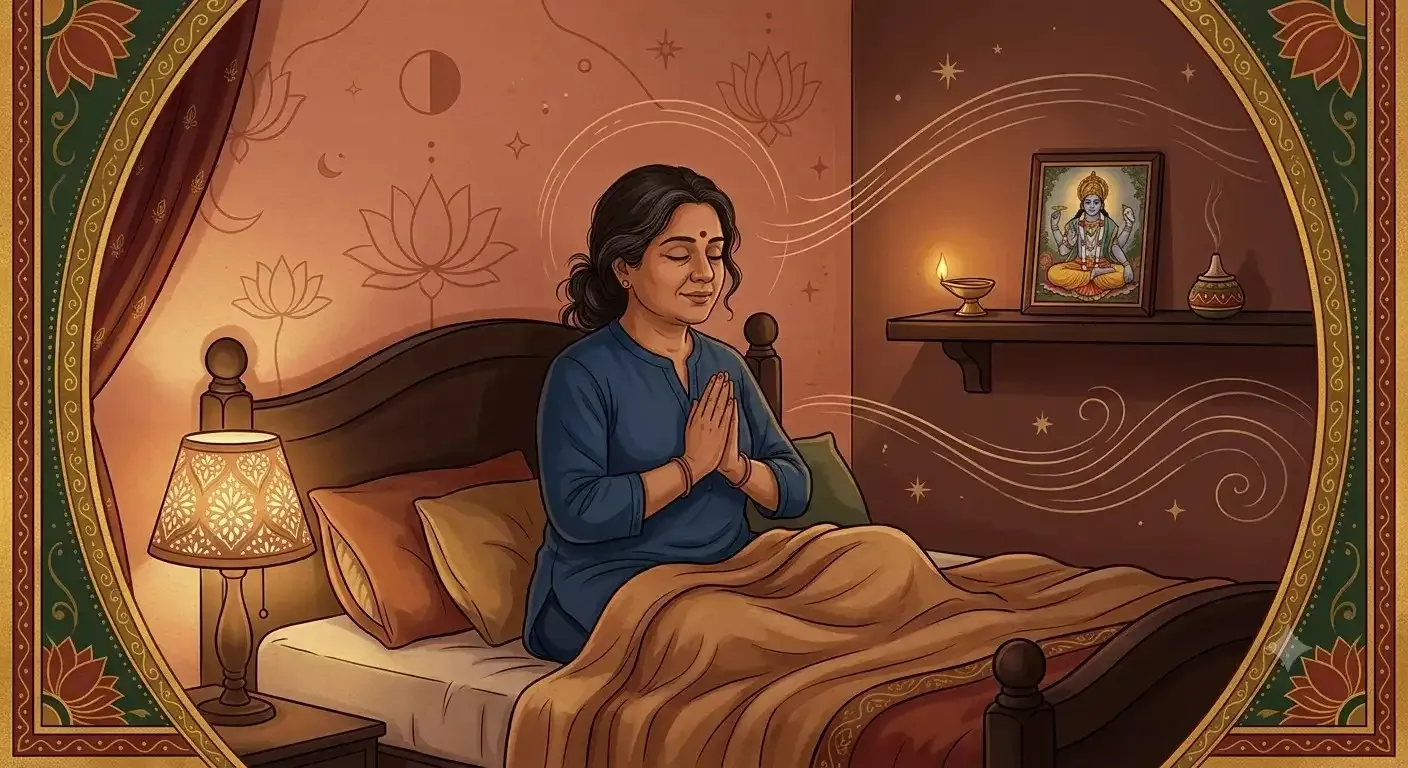
The Ten Mahavidyas: Complete Guide to the Ten Wisdom Goddesses, Their Forms, Meaning and Temples
Kali, Tara, Tripura Sundari, Bhuvaneshwari, Bhairavi, Chhinnamasta, Dhumavati, Bagalamukhi, Matangi and Kamala: who…
Goddess Kali: Complete Guide to Her Origins, Forms, Symbolism, Mantra and Kali Puja 2026
Who is Goddess Kali? Her origin in the Devi Mahatmya, the meaning behind her dark form, garland and outstretched…
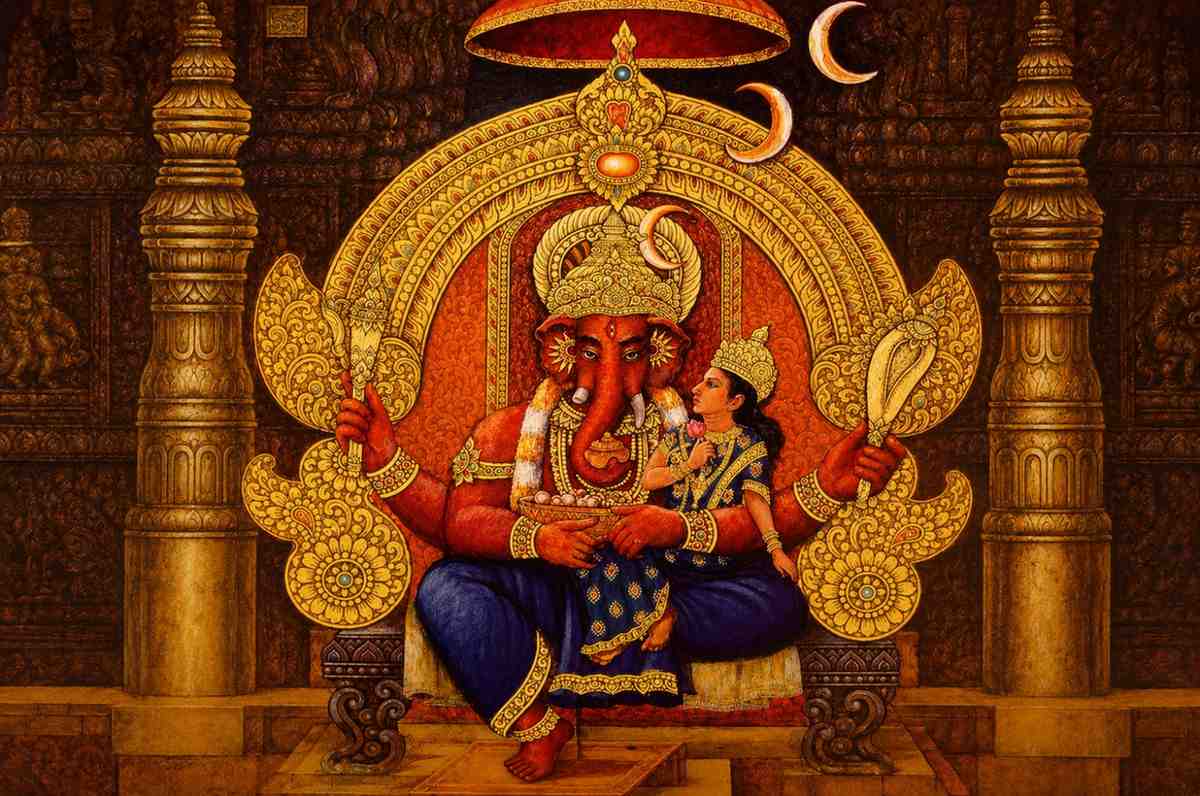
Sri Varada Ganesha Swami Dhyanam – For Removal of Obstacles, Prosperity & Fulfillment of Wishes
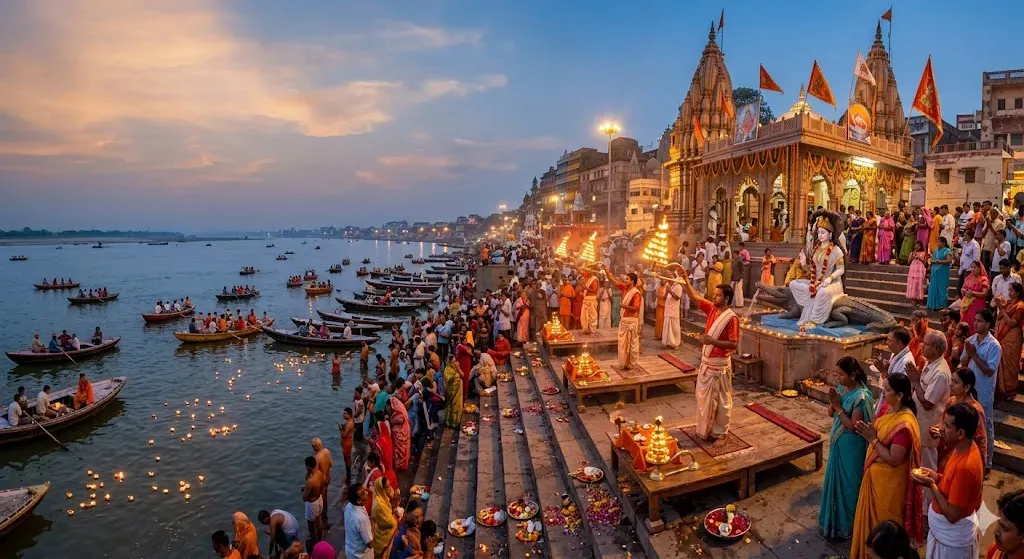
Jyeshtha Shukla Dashami – Dasha Papahara Dashami: The Descent of the Sacred Ganga
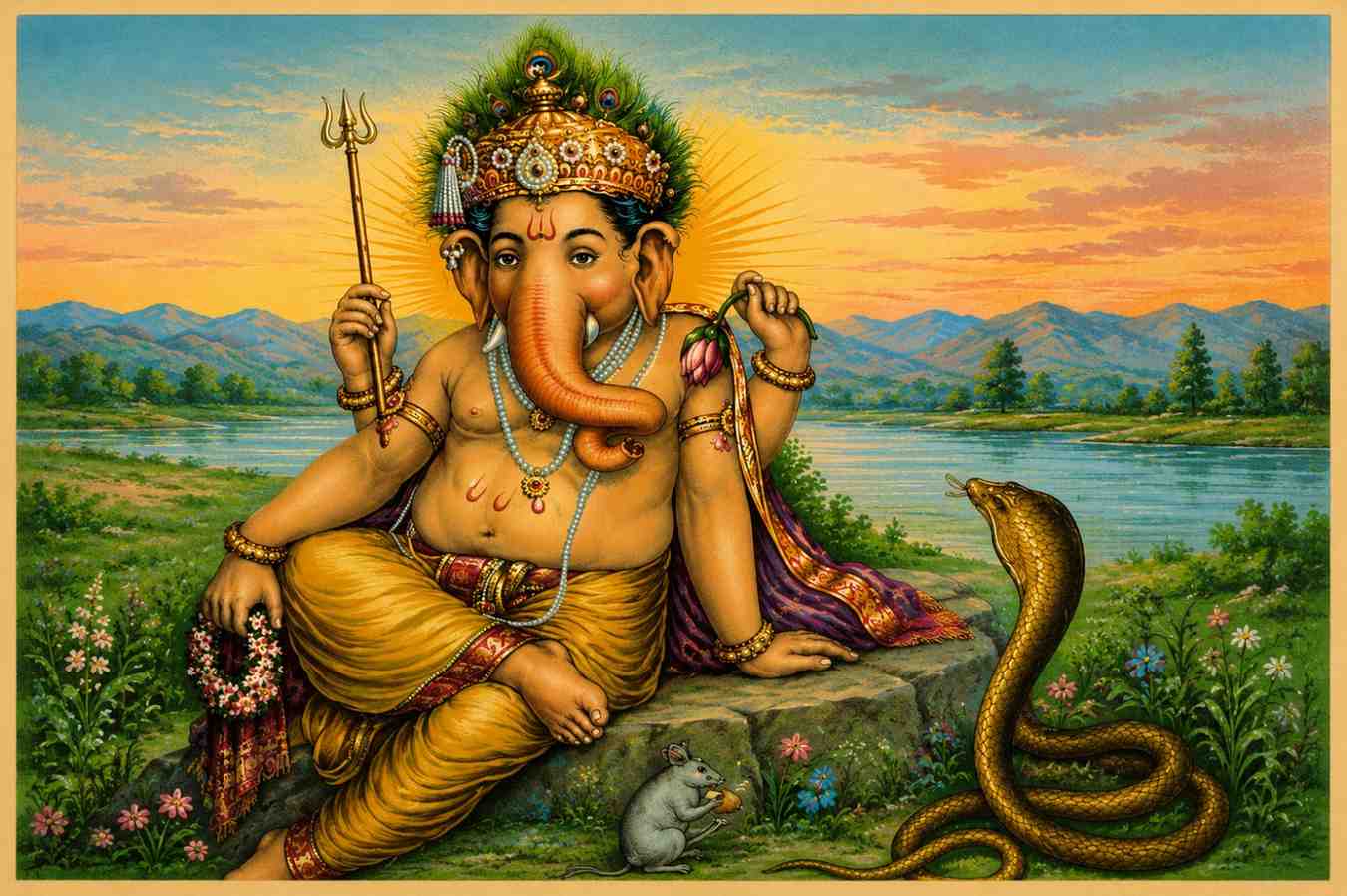
Ganapati Sahasranama Serpent Names for Rahu Dosha Relief – Spiritual Significance
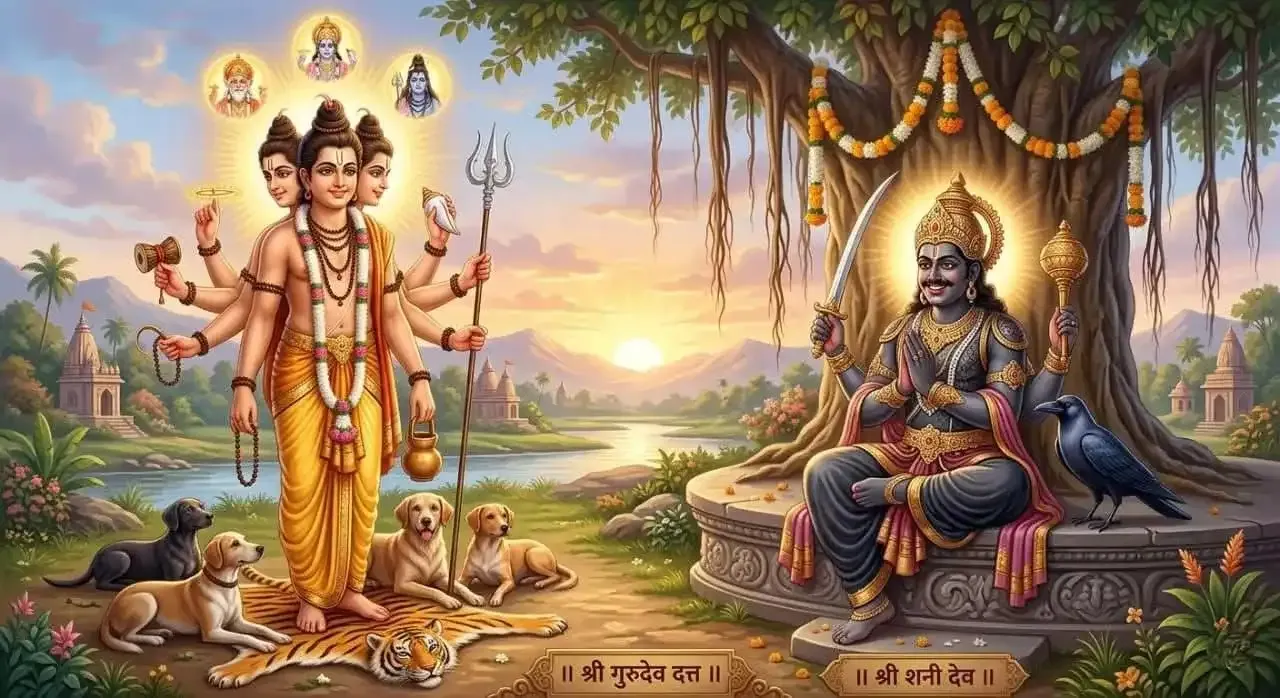
The Promise Given by Lord Shani to Datta Maharaj | Glory of Sri Gurudeva Datta
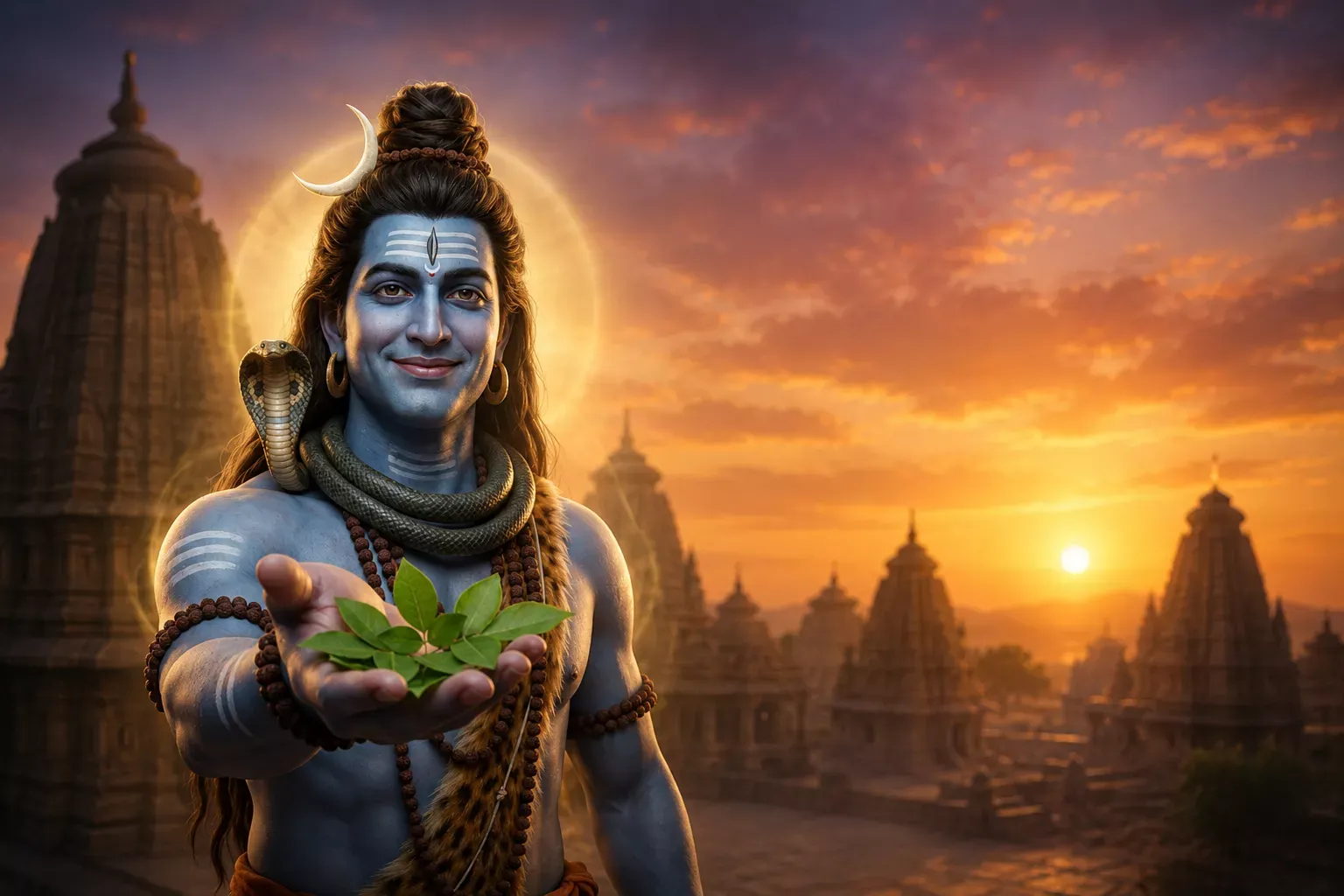
Importance of Bilva Leaves in Lord Shiva Worship
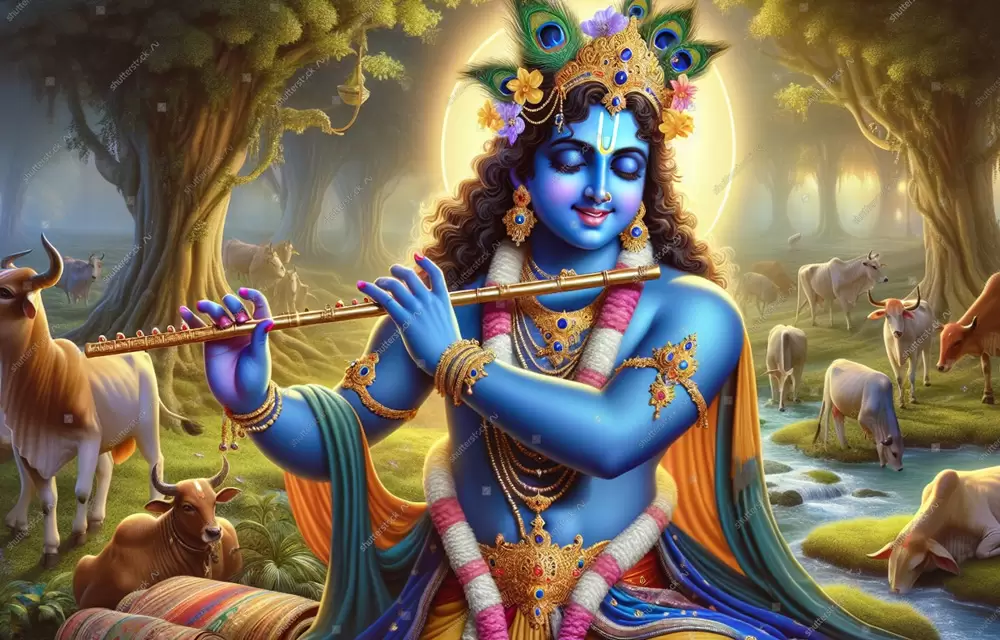
Krishna Janmashtami 2026: Complete Guide — Date August 14, Puja Vidhi, Vrat Fasting, Mathura & Vrindavan, NRI Celebration
Complete Krishna Janmashtami 2026 guide — Wednesday August 14, 2026. Tithi timings, divine birth story, fasting rules…
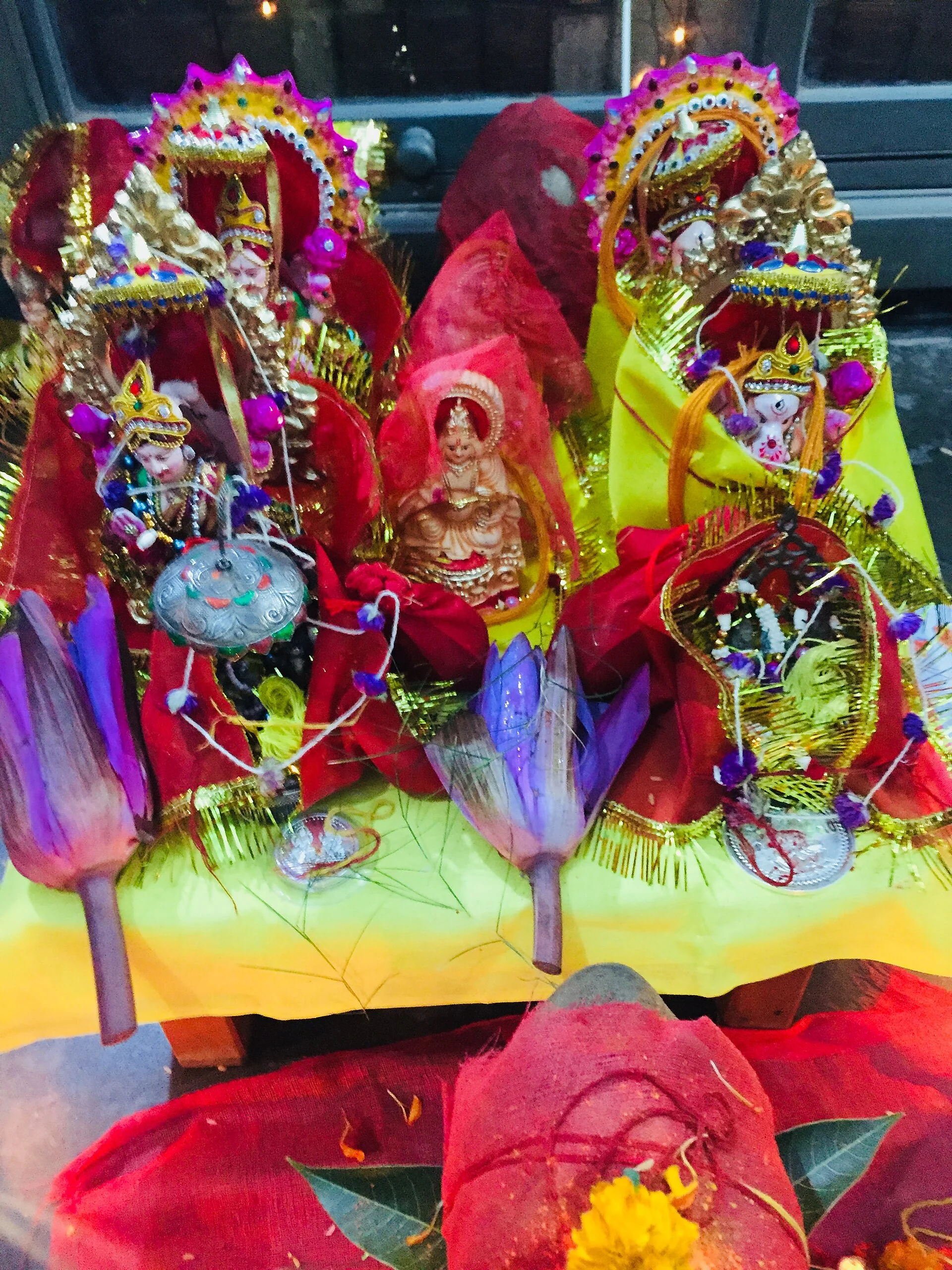
Sri Padmavathi Temple Tiruchanur 2026: Complete Darshan Guide, History, Sevas, Brahmotsavam & NRI Yatra Plan
Complete Sri Padmavathi Temple Tiruchanur guide 2026 — Padmavathi Devi (Lakshmi) consort of Sri Venkateswara, darshan…
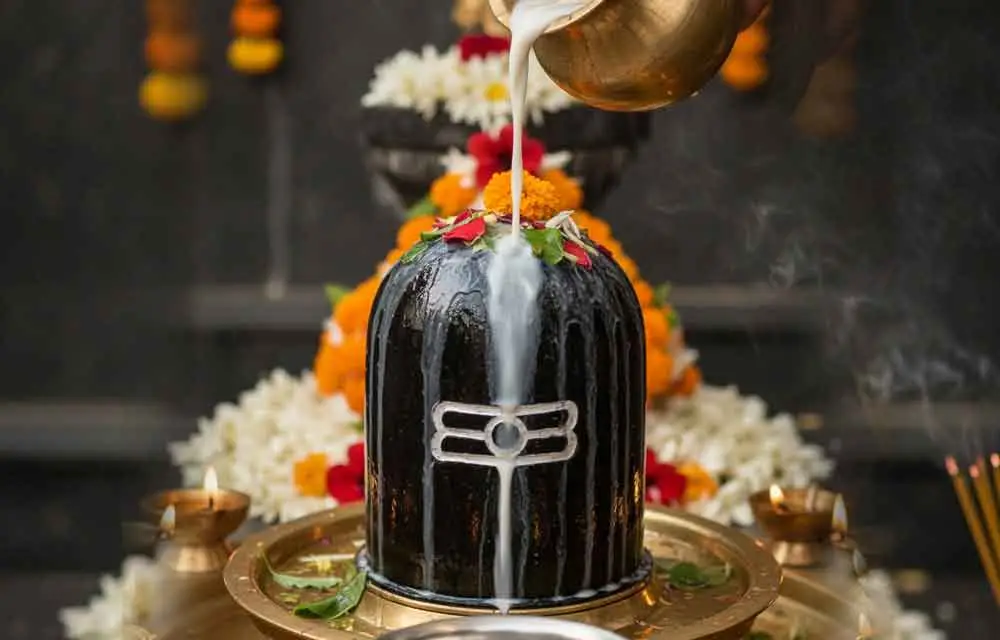
12 Jyotirlingas of Lord Shiva: Complete Darshan Guide, Pilgrimage Circuits & NRI Travel Tips
Complete guide to all 12 Jyotirlingas of Lord Shiva — Somnath, Mallikarjuna, Mahakaleshwar, Omkareshwar, Kedarnath…
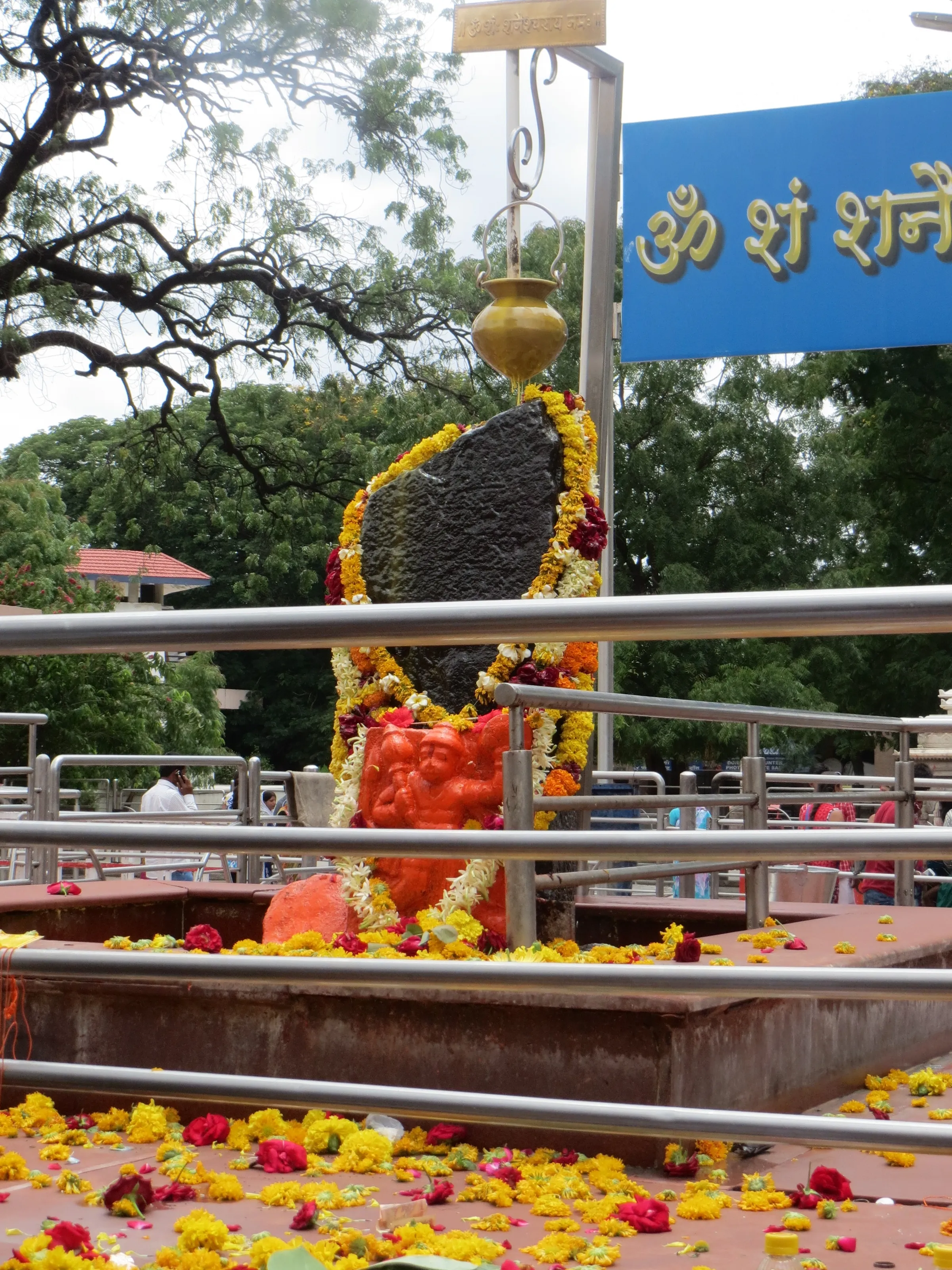
Shani Deva Is Not Evil — He Is the Cosmic Judge of Karma
Shani Deva is not the god of suffering — he is the cosmic judge of karma and the purifier of the soul. Discover the…
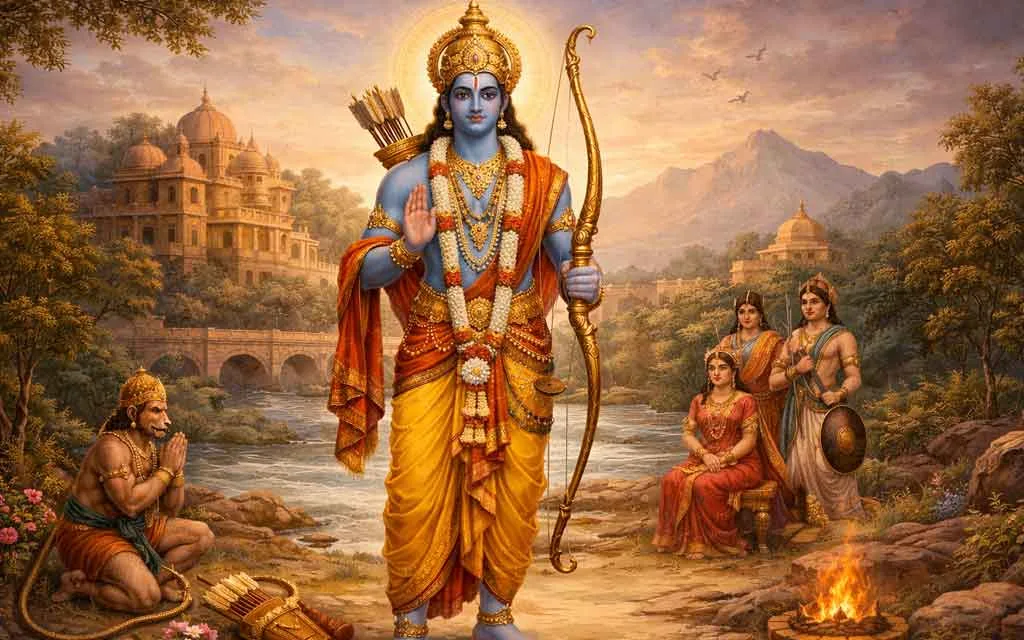
Lord Rama: The Ideal Man, King & Avatar — Complete Spiritual Biography
"Ramo Vigrahavān Dharmaḥ" — Rama is Dharma itself, embodied in human form.
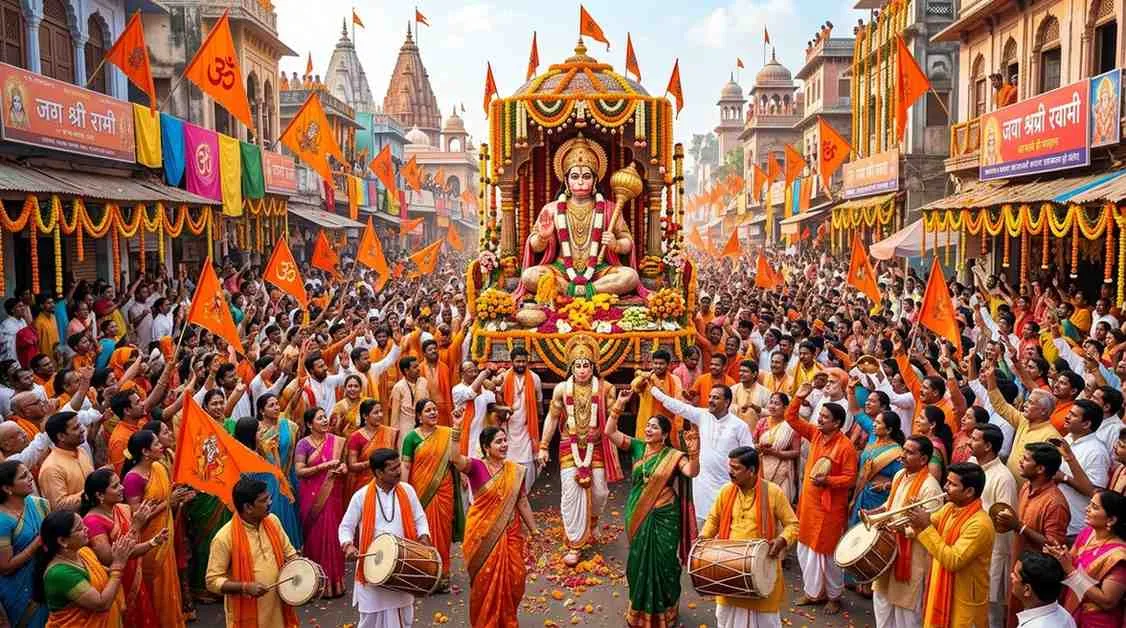
India and Global Hindu Diaspora Joyously Celebrate Hanuman Jayanti 2026 with Devotion and Grand Processions
New Delhi/Hyderabad, April 2, 2026 — Millions of devotees across India and the world are celebrating Hanuman Jayanti…
FAQs
How many gods are there in Hinduism?
Hinduism is often said to have 33 koti devatas; many scholars note that 'koti' can mean 'type' as well as 'crore'. Philosophically, many Hindus see the different gods and goddesses as forms of one Supreme Reality, Brahman, worshipped in ways that suit each devotee.
Who are the main Hindu gods?
The Trimurti of Brahma, Vishnu and Shiva is central, along with the Goddess in her forms as Durga, Lakshmi, Saraswati and Parvati. Ganesha, Hanuman, Murugan, Surya, and Vishnu's avatars such as Rama and Krishna are also widely worshipped.
What is an Ishta Devata?
An Ishta Devata is the personal chosen deity a devotee feels closest to and worships most, while still respecting other gods. Families also often have a Kula Devata, the family deity, whose temple they visit for important occasions such as a child's first tonsure or a wedding.