
Karthika Masam Food Rules 2026: What to Eat and Avoid, Dates by Country and a Sattvic Menu
What to eat and avoid in Karthika Masam 2026: a sattvic food list, foods commonly avoided, a one-day menu, fasting options with health notes, and Karthika dates for India, the USA, UK, UAE and Australia.

Quick answer: In Karthika Masam, most families eat simple sattvic vegetarian food and avoid meat, fish, eggs and alcohol. Many also avoid onion and garlic, at least on Mondays, Ekadashi and Pournami. Karthika Masam 2026 runs from Tuesday 10 November to Tuesday 8 December in the amanta calendar of Andhra Pradesh, Telangana and Karnataka. In North India (purnimanta) Kartik runs from 27 October to 24 November. These are traditions, and customs differ by family, so follow your own household practice.
Last updated: 30 October 2026
This guide explains the food side of Karthika Masam: what is commonly eaten, what is commonly avoided and why, a sample sattvic menu, fasting options with health notes, and the dates by country for Hindus abroad. For the full rules on snanam, deepam and worship, read our Karthika Masam rules 2026 and the Karthika Masam 2026 hub.
Karthika Masam 2026 dates by country
Karthika dates are the same lunar days worldwide, but the calendar date can differ by a day depending on the tithi at your local sunrise. India's dates are from Drik Panchang. The other columns follow the HinduTone panchang calculator, which matched Drik on every tithi we checked. Your local temple's calendar comes first.
| Observance | India | USA, Canada, UK, Brazil | UAE, Germany, Europe, S. Africa | Australia, Singapore, Malaysia |
|---|---|---|---|---|
| Karthika Masam begins (amanta) | Tue 10 Nov | Mon 9 Nov | Tue 10 Nov | Tue 10 Nov |
| First Karthika Somavaram | Mon 16 Nov | Mon 16 Nov | Mon 16 Nov | Mon 16 Nov |
| Devutthana (Prabodhini) Ekadashi | Fri 20 Nov (Smarta); Sat 21 Nov (Vaishnava) | Fri 20 Nov | Fri 20 Nov | Sat 21 Nov |
| Tulasi Vivah / Ksheerabdi Dwadashi | Sat 21 Nov | Sat 21 Nov | Sat 21 Nov | Sun 22 Nov |
| Karthika Pournami | Tue 24 Nov | Tue 24 Nov | Tue 24 Nov | Tue 24 Nov |
| Utpanna Ekadashi | Fri 4 Dec | Fri 4 Dec | Fri 4 Dec | Fri 4 Dec |
| Karthika Amavasya (month ends) | Tue 8 Dec | Tue 8 Dec | Tue 8 Dec | Tue 8 Dec (Sydney: Wed 9 Dec) |
Clock changes: the UK and Europe moved to winter time on 25 October, and most of North America on 1 November. From November 2026 most of British Columbia, Alberta and Manitoba stay on daylight time. The dates in the table do not depend on the clocks, but pre-dawn bath times and lamp times should be read from your own local sunrise and sunset. For the four Mondays in detail, see the Karthika Somavaram 2026 guide.
Why food matters in Karthika
Karthika is the month of Shiva and Vishnu together, and the month of lamps. As commonly told, Shiva destroyed the three cities of Tripurasura around the full moon of this month, and Krishna's Damodara lila belongs to Kartik. The month's discipline is meant to leave the body light and the mind quiet for early snanam, evening deepam and prayer. Food is the simplest way to join in, even for people who cannot attend a temple.
Nothing here is a medical prescription. The tradition is about simplicity and restraint, not about gaining a result.
What to eat and what to avoid: at a glance
| Group | Commonly eaten | Commonly avoided (varies by family) |
|---|---|---|
| Grains | Rice, wheat, millets such as foxtail, finger and pearl millet, sama rice and rajgira on fasting days | Stale or reheated rice; restaurant or packaged food |
| Pulses | Moong dal, toor dal | Urad dal and masoor dal in some families; ask an elder |
| Vegetables | Pumpkin, bottle gourd, ash gourd, raw banana, potato, sweet potato, yam, beans, cucumber | Onion and garlic in many homes; brinjal, mushrooms and a few others in some |
| Fruit | Banana, apple, pomegranate, grapes, coconut, dates, and amla (Indian gooseberry), which is closely linked with this month | None; wash and eat fresh |
| Dairy | Milk, curd, buttermilk, ghee, homemade paneer | None; use fresh dairy |
| Sweeteners | Jaggery, rock sugar, a little honey | Heavily processed sweets |
| Non-vegetarian | None | Meat, fish and eggs (the most widely followed rule) |
| Drinks | Water, tulasi water, buttermilk, fresh coconut water | Alcohol and tobacco; many also skip tea and coffee on fasting days |
There is no single list. Families in Andhra Pradesh, Karnataka, Tamil Nadu and North India keep slightly different rules. Where the table says "varies", follow your own family. If you are unsure about a particular dal or vegetable, ask an elder.
A sattvic one-day menu for Karthika
| Meal | Ideas |
|---|---|
| Early morning | Tulasi water or warm water with a little jaggery; fruit or milk after snanam and the first lamp |
| Breakfast | Aval (poha) with coconut and jaggery, millet upma without onion, or pongal with ghee |
| Lunch | Rice with moong or toor dal, a gourd or pumpkin curry, curd or buttermilk; khichdi with ghee on lighter days |
| Evening snack | Sundal (boiled chickpeas or green gram with coconut), boiled sweet potato, fruit or puffed rice with jaggery |
| Dinner | A light meal, such as rice kanji, chapati with a mild vegetable, or fruit and milk; eat before sleeping late |
| Naivedyam | Sweet pongal, coconut laddu, payasam, jaggery rice or appam, offered at the lamp and then shared |
Fasting days in Karthika and how to keep them safely
- Karthika Somavaram (Mondays): 16, 23 and 30 November and 7 December in India. Options range from one meal after the evening puja to fruit and milk only.
- Devutthana Ekadashi: 20 or 21 November, depending on your tradition. Many keep a grain-free fast.
- Karthika Pournami: Tuesday 24 November. Many eat only after the evening lamp.
- Utpanna Ekadashi: Friday 4 December in India.
Fasting is optional and personal. If you are pregnant or breastfeeding, elderly, a child, diabetic, have blood pressure problems, an eating disorder or take regular medicines, speak to your doctor before fasting. A fruit-and-milk fast, a single simple meal, or only the evening puja and a prayer are complete observances. Drink water through the day unless your doctor advises otherwise, and break the fast gently with something light. Stop and eat if you feel faint or unwell.
Naivedyam and prasadam: sharing the month's food
Food offered at the evening lamp becomes prasadam, and sharing it is part of the month. A simple naivedyam of fruit, milk or jaggery rice is enough. Keep the offering fresh, cover it while cooking, and avoid tasting before it is offered. Give a portion to neighbours, to a temple kitchen or to a person in need. Many families make a small extra portion on Mondays and Pournami for guests.
For children, elders and anyone who finds the rules hard, a lighter version is fully acceptable: a vegetarian diet without meat or egg, fresh fruit, and a lamp in the evening. The tradition is meant to bring peace, not strain. Make changes gently and let children join the lamp-lighting even if they do not fast.
Practical tips for Hindus abroad
- Check labels: gelatin, animal rennet and some flavour enhancers are not vegetarian. Look for certified vegetarian labels.
- Amla is easier to find frozen or as juice in many countries. Fresh amla is sold in Indian grocers in the autumn; check that no sugar syrup or preservatives are added if you want a plain offering.
- Cooking oils: many families use ghee for lamps and cooking. Sesame (til) oil is also used for lamps in many homes, so there is no one rule.
- Eating out: if you must eat outside, choose a vegetarian restaurant and ask about onion and garlic. Plain rice, dal and fruit are always safe.
- Work lunches: pack a simple tiffin of rice, dal or khichdi so you are not dependent on the cafeteria.
- Light your evening lamp at local sunset, not at the time printed for India.
Regional customs in brief
- Andhra Pradesh, Telangana, Karnataka: daily deepam, Somavaram fasts, vana bhojanalu (picnic meal under an amla tree), and 365-wick lamps on Pournami. See Karthika Vana Bhojanalu 2026.
- Tamil Nadu: Karthigai Deepam on Tuesday 24 November 2026, with rows of clay lamps at home and at temples.
- North India: Kartik snan, Dev Diwali and Kartik Purnima dips in rivers, with food rules often tied to the Ekadashis.
- Odisha and the East: the Habisha month, with one simple vegetarian meal a day. Read our Kartika in Odisha guide.
Common mistakes to avoid
- Treating a family custom as a rule for everyone. Different families avoid different items.
- Overeating after a fast, or breaking a fast with something heavy or very sweet.
- Relying on packaged "fasting snacks" that are mostly fried or salty.
- Skipping meals for the whole month without medical advice. The tradition does not ask for that.
- Neglecting the lamp, the prayer and kindness to others while focusing only on food.
Frequently asked questions
What foods are not eaten in Karthika Masam?
Most families avoid meat, fish, eggs, alcohol and tobacco for the whole month. Many also avoid onion and garlic, especially on Mondays, Ekadashi and Pournami. Some families avoid specific items such as brinjal or urad dal. These customs vary, so follow your family's tradition.
Can I drink tea or coffee during Karthika Masam?
There is no universal ban. Many people avoid them on fasting days or give them up for the month as a personal discipline. Herbal tea, milk or tulasi water are common alternatives.
Is rice allowed in Karthika Masam?
Yes, rice is eaten on normal days. On a strict Ekadashi fast, many people avoid grains and eat sama rice, sabudana, rajgira or fruit instead.
Why are onion and garlic avoided?
In the sattvic tradition, onion and garlic are considered stimulating and are left out of food offered to the deity and of fast-day meals. Many families avoid them throughout the month. Others avoid them only on certain days.
Can I eat outside food during Karthika?
You can, if it is vegetarian and meets your family's rules. Cooking at home gives you control over ingredients, but an occasional meal at a vegetarian restaurant is not a break of the observance. Avoid food containing meat, egg or gelatin.
What if I eat something I should not have eaten?
Do not worry. Most elders advise saying a short prayer, not repeating the lapse, and continuing the observance with sincerity. The tradition values intention and steadiness over perfection.
Who should not fast in Karthika?
People who are pregnant or nursing, very young or elderly, diabetic, have heart or blood pressure issues, or take regular medication should not fast without asking their doctor. A lamp, a prayer and a simple sattvic meal are enough.
Editor's note
Editor's note (30 October 2026): We rewrote this guide on 30 October 2026. It was written for 2025 and had not been updated since May. Changes: 2026 dates by country (India, USA, Canada, UK, UAE, Europe, Singapore, Malaysia and Australia), a foods table that shows customs vary by family, a sattvic one-day menu, fasting options with health notes, tips for Hindus abroad and seven FAQs. We removed absolute statements such as "strictly prohibited" and unsupported health claims. Dates are from Drik Panchang and the HinduTone calculator checked against it.
Related guides
Share this with family and friends
Send it on WhatsApp, post it, or copy the link.
More from Festivals
- Karthika Puranam Chapter 14 (Adhyaya 14) in English: Story, Meaning and Lesson | Karthika Masam 2026 Day 14
- Karthika Puranam Chapter 13 (Adhyaya 13) in English: Story, Meaning and Lesson | Karthika Masam 2026 Day 13
- Karthika Puranam Chapter 12 (Adhyaya 12) in English: Story, Meaning and Lesson | Karthika Masam 2026 Day 12
- Karthika Puranam Chapter 11 (Adhyaya 11) in English: Story, Meaning and Lesson | Karthika Masam 2026 Day 11
- Karthika Puranam Chapter 10 (Adhyaya 10) in English: Story, Meaning and Lesson | Karthika Masam 2026 Day 10
You might also like
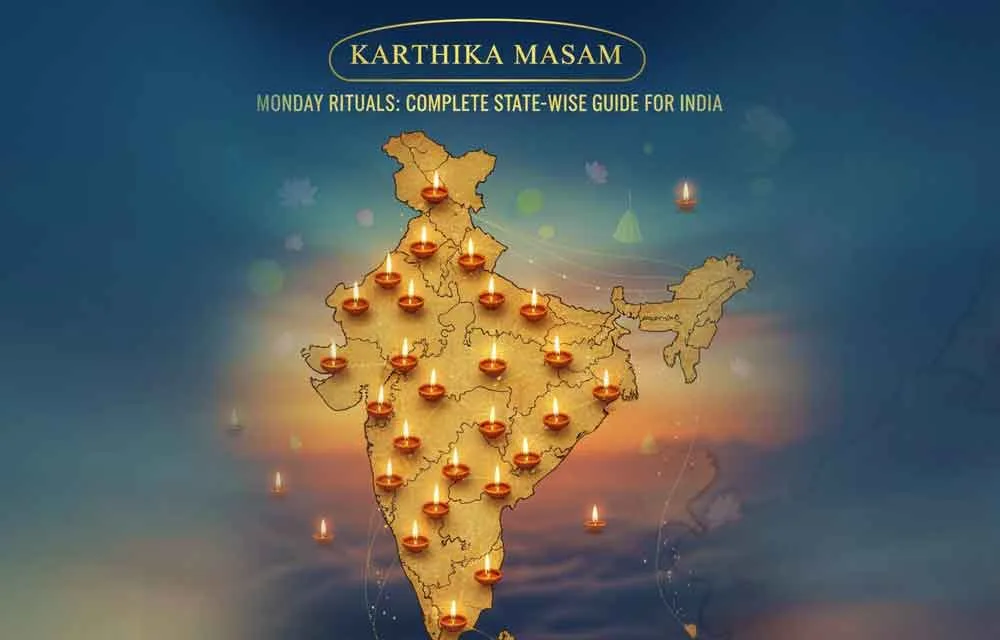
Karthika Masam Monday Rituals: Complete State-wise Guide for India
Must-Visit Temples During Karthika Masam: A Complete Guide to Sacred Destinations
Exploring Different Types of Deepams in Karthika Masam: Spiritual Benefits and Significance
