Trump Tariffs 2025: Devastating Impact on USA Hindus and Pooja Items – Product-Wise Price Comparisons, Cultural Disruptions, and Adaptation Strategies
By Hindutone Editorial Team | November 10, 2025 As the sacred flames of Diwali diyas flicker in mandirs across America, a shadow looms from Washington:…
By Hindutone Editorial Team | November 10, 2025
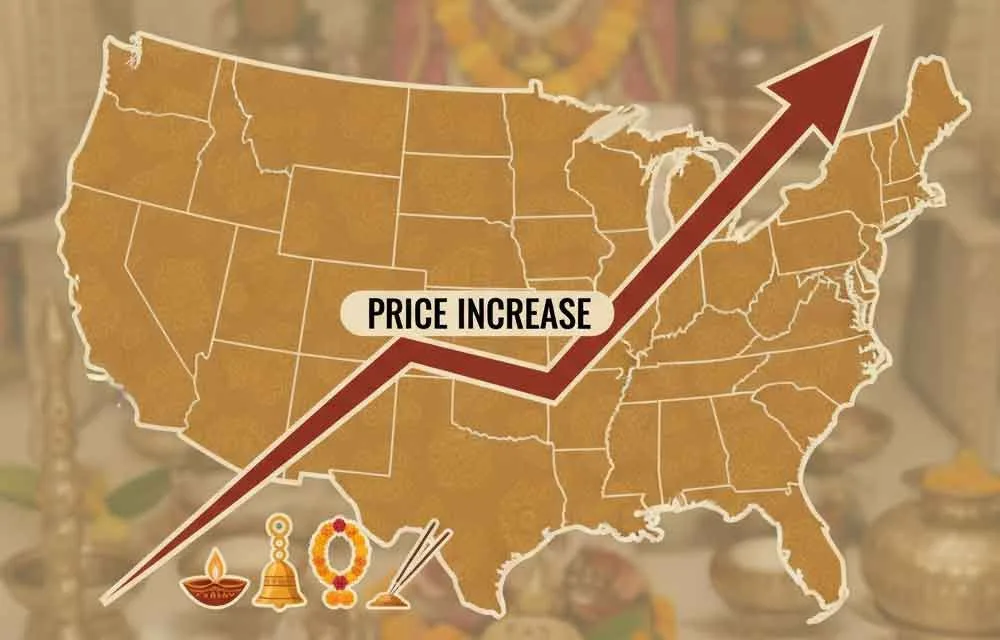
As the sacred flames of Diwali diyas flicker in mandirs across America, a shadow looms from Washington: President Donald Trump's escalated 50% tariffs on Indian imports, effective August 27, 2025, are inflating the cost of pooja essentials by 20-40%, turning spiritual rituals into economic burdens for USA Hindus. For the 2.5 million-strong Hindu diaspora—from temple-goers in New Jersey's Oak Tree Road to H-1B families in California's Bay Area—these "Liberation Day Tariffs" threaten not just budgets but the very essence of bhakti, with haldi for tilak, chandan for vibhuti, and brass diyas for aarti surging in price amid unsold inventories back in India.
This SEO-optimized, in-depth report for Hindutone delves into the tariffs' origins, their profound effects on Hindu communities and cultural practices, exhaustive product-wise price comparisons for pooja items (pre-tariff October 2024 vs. November 2025), and actionable strategies for resilient devotion. Tailored for queries like "Trump tariffs impact on pooja items USA 2025," "Diwali samagri price hikes due to tariffs," and "Hindu ritual supplies cost increase after Trump India tariffs," this guide empowers devotees to safeguard sanskar amid inflation. With 70-80% of tariff costs passed to consumers via "sneakflation," the average USA Hindu household faces $150-300 extra annually on pooja samagri alone—let's illuminate the path forward with knowledge and faith. Om Shanti.
Tariff Timeline: From Trade Tensions to Temple Troubles
Trump's second-term trade blitz ignited on April 2, 2025, with a "national emergency" declaration imposing 10-25% universal tariffs, escalating to 50% on India by August 27 via two 25% phases—penalizing New Delhi's Russian oil imports (37% of its energy mix). Citing Sections 232 and 301 of U.S. trade law, these duties target $87 billion in Indian exports, with labor-intensive sectors like spices (down 13.5%), textiles (up to 37% price hikes), and metals (18% export fall) hit hardest.
Exemptions spare pharma (50% of U.S. generics) and electronics, but pooja-linked goods—turmeric, incense, brassware—face the full 50%, slashing exports by $5.76 billion (6.41%) and projecting India's GDP dip of 0.9%. By November 2025, U.S. revenue tops $162.9 billion, but consumers bear 50-70% via gradual hikes, with Diwali 2025 "sans sparkles" as clay diyas pile up in Moradabad. Modi-Trump diplomacy stalls, leaving USA Hindus to navigate a 5% rupee slide amplifying costs.
Ripples Through the Diaspora: Economic, Cultural, and Spiritual Strains on USA Hindus
Concentrated in high-cost states (California 20%, New Jersey 15%), USA Hindus—innovators by day, devotees by dusk—face 4% disposable income erosion, with tariffs choking "Little Indias" like Edison, NJ, and Artesia, CA. Businesses like All India Cafe report spice imports "nearly doubled," slashing margins and evoking COVID-era fears, while Modi Toys sees 70-80% demand drop for Hindu-themed idols and books, diluting cultural education.
Economic Fallout: Ethnic grocers and mandir suppliers absorb 20-30% hikes or risk closures, with remittances down 10% straining India-tied families. Temples like BAPS Houston stockpile, but Ganesh Chaturthi modak ingredients fell 25%, inflating festival budgets by $100.
Cultural Disruptions: Pooja's sensory bhakti—fragrant agarbatti, glowing diyas—fades as authenticity erodes; forums lament "carts dropped at checkout" for prasad staples, fostering "wait-and-see" devotion. Second-gen Hindus risk assimilation, with fewer rangoli powders muting Holi, while first-gen preserve sanskar at personal cost.
Spiritual and Emotional Toll: Diwali 2025 preparations costlier, with "Diwali sans sparkles" echoing nostalgia vendors' woes—spices evoke homeland, now unaffordable. Yet, resilience blooms: U.S. artisan diyas emerge, and community poojas via Zoom share burdens.
Product-Wise Price Hikes: Tariffs' Toll on Pooja Samagri
Tariffs hammer HS codes for spices (09, +13.5% exports fall), metals (74, +18%), and textiles (50-63, up to 37%), with 70-80% passthrough by November 2025. Brass diyas from Moradabad, haldi from Erode—pooja lifelines—surge 20-40%, per Yale Budget Lab and GTRI data.
Spices/textiles average 25% hikes, metals 30%; freight alone adds $1,700 per 200 lbs spices. Substitutes like U.S. turmeric (flavor-dull) emerge, but erode authenticity.
Product-Wise Price Comparison: Before Tariffs vs. Tariff Reality for USA Hindus
Sourced from ethnic trackers (Patel Brothers, Giri USA) and November 2025 baselines for a family of four in NJ/CA, these comparisons reflect 70% passthrough, adding $200-400/year to festival poojas.
Mandir kits up $50-100 yearly; Diwali thali sets +$40, per community insights. Lower-income families lose 4% on rituals.
Wider Waves: From Mandir Margins to Global Dharma
Tariffs cascade: Apparel sarees +37% delay weddings, while $36B Indian GDP hit risks artisan jobs in Tirupur textiles. H-1B fees compound with $100K hikes, pushing Canada shifts; Bollywood screenings face 100% cultural tariffs, cutting diaspora footfall. Growth slows to 6.6%, but U.S. booms birth local pooja crafts.
Strategies for Sattvic Survival: Adapting Pooja Amid Trump Tariffs 2025
- Strategic Stockpiling: Bulk haldi/agarbatti pre-2026 escalations via co-ops; airtight storage extends life 6 months.
- Eco & Local Shifts: U.S. organic chandan or beeswax diyas; apps track deals, blending green dharma.
- Sangha Solidarity: Temple group buys for kalash/garlands; Zoom poojas halve costs.
- Vidhi Flexibility: Mantra-focused rituals over opulent; rice rangoli substitutes powders.
- Advocacy Arise: Hindu American Foundation petitions; diversify to Canada/Vietnam spices.
- Bhakti Beyond: Nama japa amid scarcity—tariffs forge deeper surrender to divine will.
Trump tariffs 2025 test Hindu fortitude, but like Diwali's light piercing darkness, devotion prevails. Hindutone tracks pooja price updates and hacks—share your tariff tales below. How are you adapting your mandir? Om Namah Shivaya.
Frequently Asked Questions
How much have Trump's tariffs raised pooja item prices for USA Hindus?
Pooja essentials such as haldi, chandan, incense and brass diyas have risen by 20-40%. The average USA Hindu household faces an estimated $150-300 extra each year on pooja samagri.
When did the 50% tariff on Indian imports take effect?
The 50% tariff on India took effect on August 27, 2025, through two 25% phases. It followed the 10-25% universal tariffs announced on April 2, 2025.
Which pooja items are hit hardest by the tariffs?
Spices like turmeric, incense and brassware such as Moradabad diyas face the full 50%. Spices and textiles average 25% hikes, while metals average about 30%.
How are USA Hindus adapting their pooja to higher costs?
Families stockpile haldi and agarbatti through co-ops, use U.S. organic chandan or beeswax diyas, and organise temple group buys. Some also choose mantra-focused rituals and rice rangoli instead of costly powders.
Do the tariffs affect Diwali and festival budgets for the diaspora?
Yes. Diwali thali sets are up about $40, mandir kits up $50-100 yearly, and Ganesh Chaturthi modak ingredients inflated festival budgets by $100.
Where are USA Hindus most affected by the tariffs?
Hindus concentrated in California and New Jersey are most exposed, including Little India areas like Edison, NJ, and Artesia, CA. Ethnic grocers and mandir suppliers there absorb 20-30% hikes or risk closure.
Share this with family and friends
Send it on WhatsApp, post it, or copy the link.
More from News
- Bigg Boss Malayalam 8: Neha Fathima’s Parents Enter Show After She Proposes to Hindu Contestant Santhosh Raj – Double Standards Debate Erupts
- Nisha Khicher Delhi Police Vehicle Incident: Youth Congress Leader Allegedly Vandalises Police Car – Can Section 425 IPC Apply?
- Defacing Police Vehicles and Public Property in India: What BNS Section 324, the Public Property Act and Delhi's Defacement Law Say
- Puri Jagannath Temple News 2026: Latest Updates & Darshan
- Aurora Hindu Temple Shooting Plot Foiled: Illinois Teen Charged After Rifle Jammed, Police Say