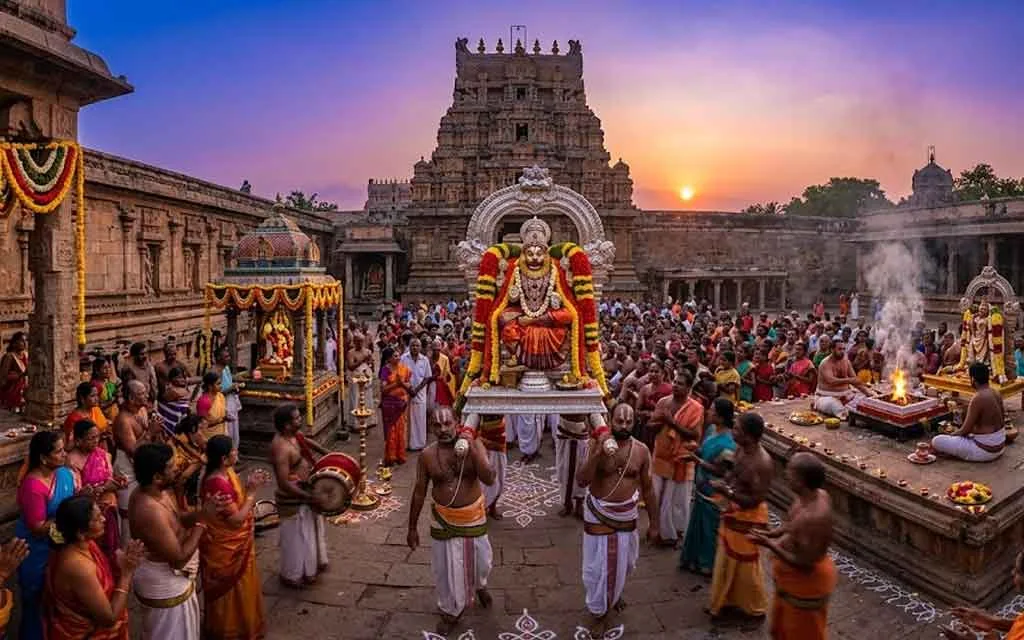
Dhanu Sankranti 2025: Sun Enters Sagittarius, Ushering in Kharmas – A Sacred Time for Introspection and Spiritual Growth
December 22, 2025 – On December 16, 2025, the Sun made its annual transition into the zodiac sign of Sagittarius (Dhanu Rashi), marking the auspicious yet…
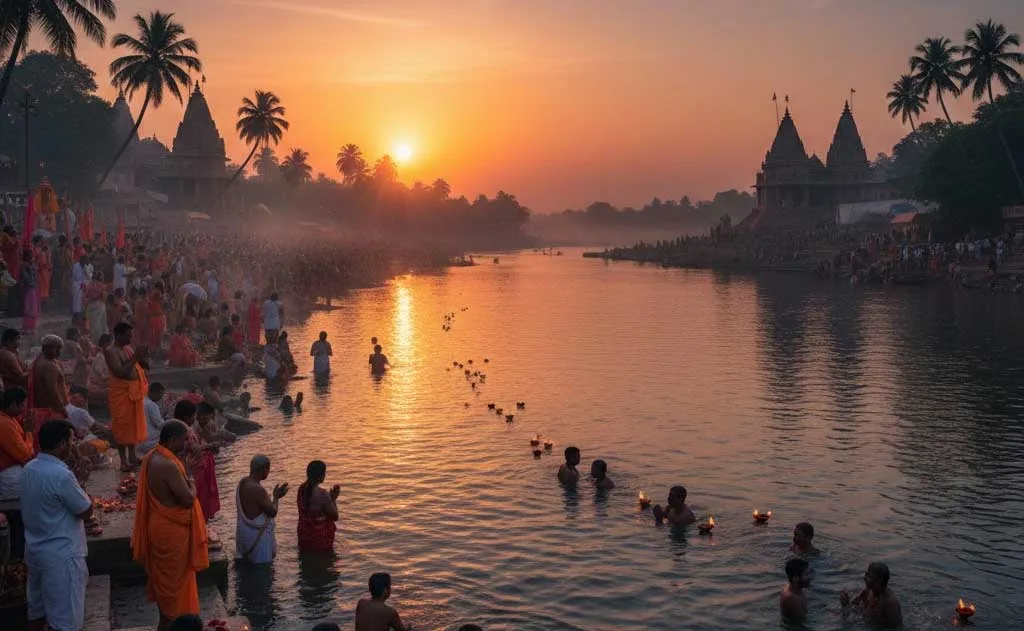
December 22, 2025 – On December 16, 2025, the Sun made its annual transition into the zodiac sign of Sagittarius (Dhanu Rashi), marking the auspicious yet transformative festival of Dhanu Sankranti. This celestial event also signals the beginning of Kharmas — a month-long period lasting until mid-January (when the Sun enters Capricorn on Makar Sankranti) — during which many traditional auspicious activities are paused, and the focus shifts inward toward charity, penance, pilgrimage, and spiritual discipline.
While often misunderstood as "inauspicious," Kharmas is in fact a divine invitation to slow down, reflect, and realign with higher purpose. As the Sun — the soul of the universe — journeys through the final fire sign of the zodiac, it illuminates our inner world, encouraging us to burn away impurities and prepare for fresh beginnings.
What Is Dhanu Sankranti and Why It Matters
Dhanu Sankranti is one of the 12 Sankrantis that occur each year as the Sun moves from one rashi to another. Known as the "archer's transition," it holds special significance in Vedic astrology:
- The Sun enters Sagittarius, ruled by Jupiter (Guru), the planet of wisdom, spirituality, and dharma.
- Devotees worship Surya Narayan with special offerings of water (arghya), khichdi, jaggery, and seasonal fruits.
- In Odisha and parts of eastern India, it is celebrated as Dhanu Yatra — the world's largest open-air theater reenacting Lord Krishna's life.
- In South India, temples perform elaborate Surya pujas, and families prepare traditional sweets like tilgul and pongal in anticipation of the harvest season.
Taking a holy dip in sacred rivers, lighting sesame oil lamps, and donating food or clothes are considered highly meritorious on this day.
The Sacred Pause: Understanding Kharmas (Mal Maas)
Kharmas, also called Mal Maas or Inauspicious Month, begins with Dhanu Sankranti and ends with Makar Sankranti. According to ancient tradition:
- No new auspicious beginnings (muhurta-based events) like weddings, griha pravesh, mundan, or major purchases are performed.
- The Sun is considered "weak" or "impure" as it transits the last zodiac signs before Capricorn.
Yet, this is not a curse — it is a cosmic reset. Scriptures explain that during Kharmas, divine energies turn inward, making it the perfect time for:
- Spiritual Practices: Japa, tapa, meditation, reading scriptures like Bhagavad Gita or Ramcharitmanas.
- Pilgrimage: Visiting holy sites such as Varanasi, Prayagraj, or local temples without the rush of ceremonies.
- Charity (Dana): Donating food, blankets, sesame seeds, and jaggery — especially to the needy and Brahmins — multiplies merit manifold.
- Inner Reflection: Reviewing the year, forgiving others, and setting sincere sankalpas for the future.
As one popular saying goes: “Kharmas mein karma karo, phal sau guna badhega” — actions performed with devotion during this period yield hundredfold results.
How Devotees Are Observing Dhanu Sankranti and Kharmas 2025
Across India:
- Temples dedicated to Lord Surya (like Konark in Odisha and Suryanar Kovil in Tamil Nadu) saw special early morning arghya rituals.
- Families offered water to the rising Sun while chanting the Aditya Hridayam Stotra.
- Many began month-long reading of sacred texts or daily Vishnu Sahasranama parayan.
- Charity drives distributed warm clothing and food, especially in northern India amid winter chill.
Spiritual teachers remind us: While weddings pause, devotion never stops. This is the time to strengthen the marriage between the soul and the Divine.
Embrace the Sacred Pause: A Gift for the Modern Soul
In our fast-paced world, Kharmas offers rare permission to pause. Instead of chasing external celebrations, we turn inward — cleansing the mind, nurturing compassion, and deepening faith.
As the Sun journeys through Sagittarius, let its fiery wisdom guide us toward truth. Let this Kharmas be a month of quiet transformation, preparing our hearts for the vibrant energy of Makar Sankranti.
May Lord Surya Narayan bless every devotee with health, wisdom, and inner light during this sacred period.
Om Suryaya Namaha | Jai Sri Krishna
Explore daily Kharmas spiritual routines, recommended charities, and live temple updates at www.hindutone.com.
Frequently Asked Questions
When was Dhanu Sankranti in 2025 and what happens on it?
The Sun entered Sagittarius (Dhanu Rashi) on December 16, 2025. It is one of the 12 Sankrantis of the year and starts Kharmas, which lasts until Makar Sankranti in mid-January.
What is Kharmas and why are auspicious events paused?
Kharmas, also called Mal Maas, runs from Dhanu Sankranti to Makar Sankranti. Muhurta-based events such as weddings, griha pravesh, mundan and major purchases are not performed, as the Sun is considered weak.
How do devotees worship on Dhanu Sankranti?
Devotees worship Surya Narayan with arghya and offerings of khichdi, jaggery and seasonal fruits. Taking a holy dip, lighting sesame oil lamps and donating food or clothes are also considered meritorious.
What practices are recommended during Kharmas?
Japa, meditation, and reading scriptures like the Bhagavad Gita or Ramcharitmanas are recommended, along with pilgrimage and charity. Donating food, blankets, sesame seeds and jaggery is especially encouraged.
How is Dhanu Sankranti celebrated in Odisha and South India?
In Odisha and parts of eastern India it is celebrated as Dhanu Yatra, an open-air theater reenacting Lord Krishna's life. South Indian temples hold elaborate Surya pujas, and families prepare sweets like tilgul and pongal.
Which mantras and texts are used for Surya worship in Kharmas?
Families offer water to the rising Sun while chanting the Aditya Hridayam Stotra. Many also begin month-long reading of sacred texts or daily Vishnu Sahasranama parayan.
Share this with family and friends
Send it on WhatsApp, post it, or copy the link.
More from Spirituality
- Ahankara, the Wall Before Self-Knowledge | True Knowledge Dawns When the Ego Goes
- Daiva Sankalpam (Divine Will): The Story of the Sadhu on the Sinking Boat
- Deeparadhana: Significance of Lighting the Lamp, Deepam Jyoti Parabrahma Meaning, Oil and Wicks
- Chilkur Balaji 'Visa Balaji' Temple: The 11 and 108 Pradakshina Custom Explained for NRIs
- Ekagrata (One-Pointedness): Yoga Concentration and Samyama Glossary
You might also like
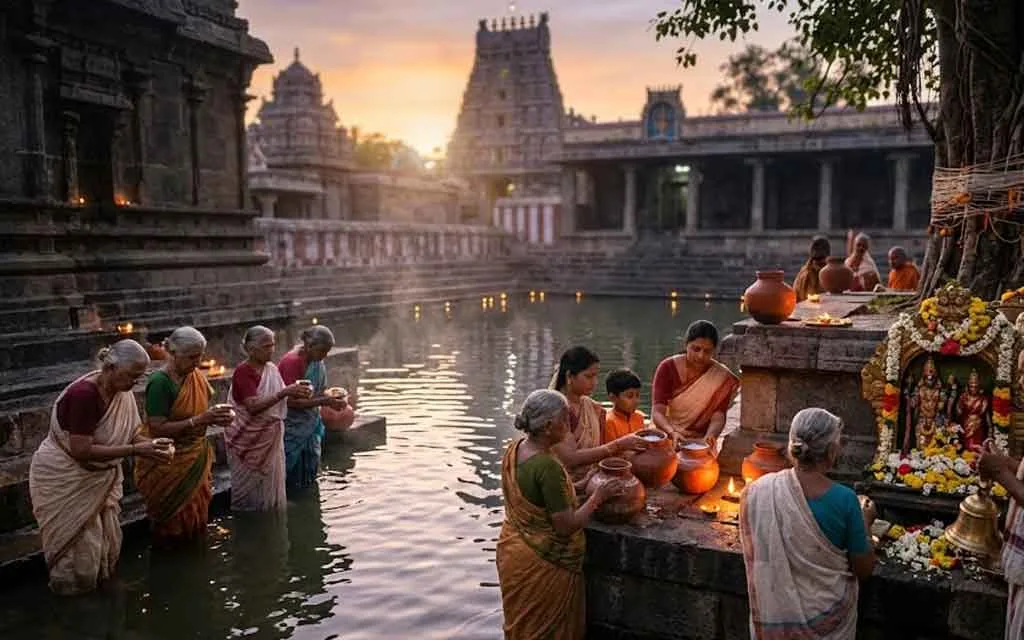
Vaishaka Masam: Why This Sacred Hindu Month Is So Powerful
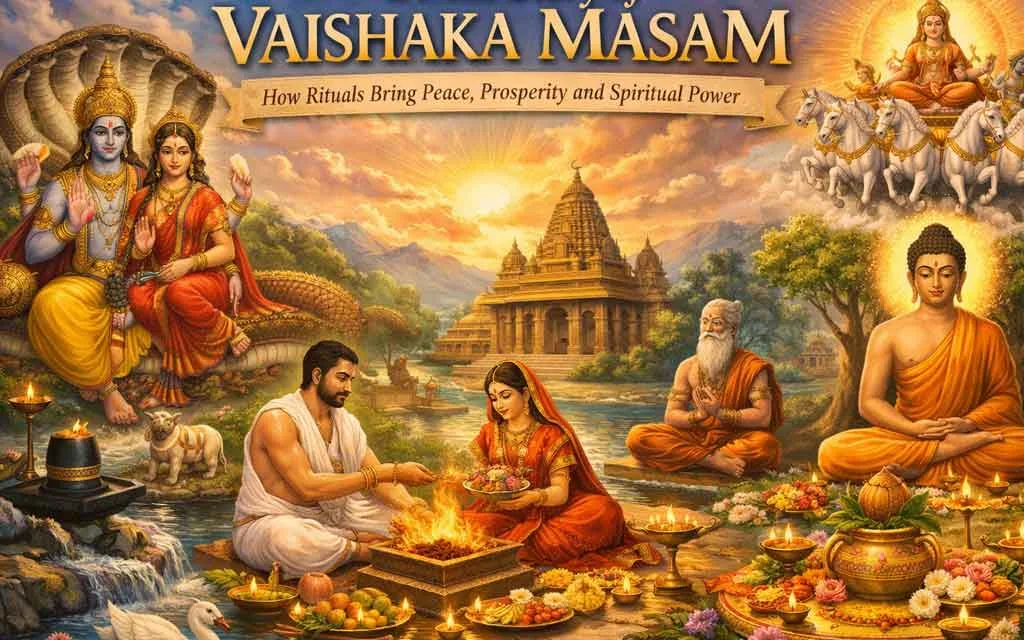
Divine Story of Vaishaka Masam: How Rituals Bring Peace, Prosperity, and Spiritual Power
Vaishaka Masam Rituals: Complete Devotional Guide with Mythological Stories from Puranas | HinduTone