10 Must-Visit Surya Dev Temples in India: Sacred Shrines of the Sun God
Experience divine blessings and architectural marvels at these magnificent temples dedicated to Lord Surya India's spiritual landscape is adorned with…
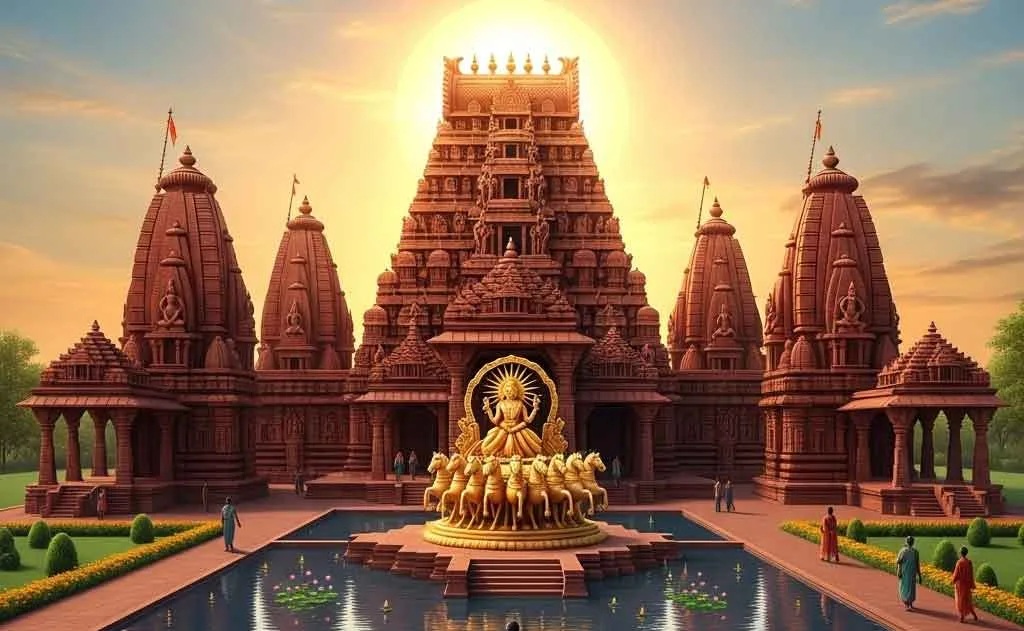
Experience divine blessings and architectural marvels at these magnificent temples dedicated to Lord Surya
India's spiritual landscape is adorned with magnificent temples dedicated to Surya Dev, the revered Sun God who represents vitality, health, and prosperity in Hindu tradition. These sacred shrines not only offer divine blessings but also showcase incredible architectural heritage that spans centuries. Whether you're seeking spiritual enlightenment or cultural exploration, these Surya temples provide unforgettable experiences for devotees and heritage enthusiasts alike.
Why Visit Surya Dev Temples?
Surya Dev, the solar deity, holds immense significance in Hindu mythology as the source of life and energy. Devotees worship the Sun God for good health, prosperity, and spiritual illumination. Visiting these temples, especially during sunrise, is believed to bestow divine blessings and remove negative energies from one's life.
Top 10 Surya Dev Temples You Must Visit
1. Konark Sun Temple, Odisha - The Crown Jewel
Location: Konark, Puri District, Odisha
Built: 13th century CE
Highlights: UNESCO World Heritage Site, architectural masterpiece
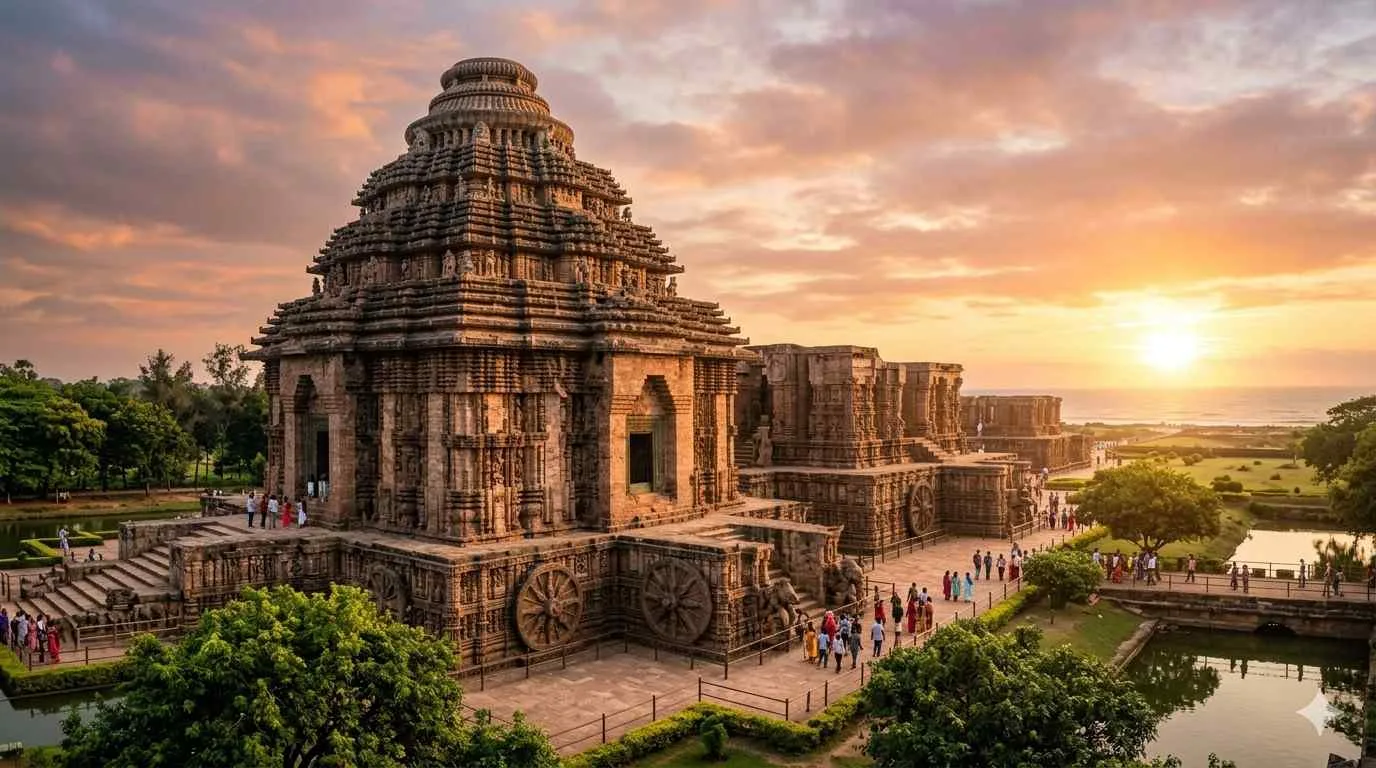
The Konark Sun Temple stands as India's most famous Surya temple, designed as a colossal chariot with intricately carved stone wheels, horses, and pillars. This architectural marvel represents the chariot of Surya Dev and attracts millions of visitors annually. The temple's strategic positioning ensures that the first rays of dawn illuminate the sanctum, creating a divine spectacle.
Best Time to Visit: October to March
Nearest Airport: Bhubaneswar (65 km)
2. Modhera Sun Temple, Gujarat - Ancient Architectural Wonder
Location: Modhera Village, Mehsana District, Gujarat
Built: 11th century CE (1026 AD)
Highlights: Stepped pyramid design, UNESCO World Heritage tentative list
Built by Raja Bhimdev I of the Solanki dynasty, the Modhera Sun Temple predates Konark by 200 years. The temple complex features three main components: the Surya Kund (stepwell), Sabha Mandapa (assembly hall), and Guda Mandapa (sanctum). The architectural precision ensures that during equinoxes, sunlight directly illuminates the sanctum.
Best Time to Visit: November to February
Nearest Airport: Ahmedabad (100 km)
3. Arasavalli Surya Temple, Andhra Pradesh - Ancient Dravidian Marvel
Location: Srikakulam District, Andhra Pradesh
Built: 7th century CE
Highlights: One of India's oldest Surya temples, Dravidian architecture
This ancient temple, built during the Kalinga dynasty, represents one of the earliest Surya temples in South India. The temple features beautiful Dravidian architectural elements and houses a magnificent idol of Surya Dev carved from a single black granite stone.
Best Time to Visit: November to March
Nearest Airport: Visakhapatnam (104 km)
4. Martand Sun Temple, Jammu & Kashmir - Himalayan Heritage
Location: Near Anantnag, Kashmir Valley
Built: 8th century CE
Highlights: Kashmiri architectural style, stunning valley views
Though now in ruins, the Martand Sun Temple remains one of the most significant archaeological sites in Kashmir. Built during the reign of King Lalitaditya Muktapida, this temple showcases unique Kashmiri architecture with its blend of Greek, Roman, and Indian styles.
Best Time to Visit: April to October
Nearest Airport: Srinagar (64 km)
5. Surya Mandir, Deo, Bihar - Festival Hub
Location: Deo, Aurangabad District, Bihar
Built: Ancient period
Highlights: Major Chhath Puja destination, traditional architecture
The Surya Mandir at Deo holds special significance as a major pilgrimage center during the Chhath festival. Located in a place aptly named "Deo" (meaning God), this temple attracts thousands of devotees who come to offer prayers and seek blessings from the Sun God.
Best Time to Visit: October to March
Nearest Railway Station: Gaya (85 km)
6. Katarmal Sun Temple, Uttarakhand - Mountain Sanctuary
Location: Almora District, Uttarakhand
Built: 9th century CE
Highlights: High altitude location, intricate wood and stone carvings
Perched at an altitude of 2,116 meters, the Katarmal Sun Temple is one of the few mountain Surya temples in India. Built during the Katyuri dynasty, this temple complex originally had 44 smaller temples surrounding the main shrine, showcasing remarkable craftsmanship.
Best Time to Visit: March to June, September to November
Nearest Railway Station: Kathgodam (36 km)
7. Suryanar Kovil Temple, Tamil Nadu - Chola Dynasty Masterpiece
Location: Thanjavur District, Tamil Nadu
Built: 11th century CE
Highlights: Chola architecture, navagraha worship
Built during the Chola dynasty, Suryanar Kovil is dedicated to Suryan (Tamil name for Surya). This temple is unique as it houses all nine planetary deities (navagrahas), making it a comprehensive center for astrological worship and remedies.
Best Time to Visit: November to March
Nearest Airport: Trichy (55 km)
8. Sun Temple, Gwalior, Madhya Pradesh - Central India Gem
Location: Gwalior, Madhya Pradesh
Built: Medieval period
Highlights: Similar design to Konark, excellent connectivity
The Gwalior Sun Temple showcases architectural elements reminiscent of the famous Konark temple. This relatively lesser-known gem offers peaceful surroundings for worship and meditation, away from the crowds of more popular destinations.
Best Time to Visit: October to March
Nearest Airport: Gwalior Airport (8 km)
9. Khajuraho Sun Temple, Madhya Pradesh - Chandela Dynasty Heritage
Location: Khajuraho, Madhya Pradesh
Built: 10th-11th century CE
Highlights: Part of UNESCO World Heritage complex, intricate sculptures
The Sun Temple at Khajuraho is part of the famous temple complex known for its exquisite sculptures and architectural brilliance. Built by the Chandela dynasty, this temple represents the pinnacle of medieval Indian temple architecture.
Best Time to Visit: October to March
Nearest Airport: Khajuraho Airport (5 km)
10. Surya Narayana Temple, Bangalore, Karnataka - Urban Spiritual Haven
Location: Domlur, Bangalore, Karnataka
Built: 19th century CE
Highlights: Dravidian architecture, urban accessibility
This relatively modern Surya temple in Bangalore serves the spiritual needs of the urban population. Built in traditional Dravidian style with granite construction, the temple features a stepped pyramid design adorned with intricate carvings.
Best Time to Visit: Year-round
Nearest Airport: Kempegowda International Airport (35 km)
Planning Your Surya Temple Pilgrimage
Best Time for Temple Visits
- North India: October to March for pleasant weather
- South India: November to February to avoid extreme heat
- Mountain Regions: April to June and September to November
Essential Travel Tips
- Early Morning Visits: Witness stunning sunrise views and participate in morning prayers
- Festival Seasons: Plan visits during Makar Sankranti, Chhath Puja, or local Sun God festivals
- Photography: Respect temple rules regarding photography and dress codes
- Accommodation: Book in advance during festival seasons and peak tourist periods
Spiritual Significance and Rituals
Surya Dev worship involves specific rituals that vary by region but commonly include:
- Surya Namaskar: Offering prayers facing the rising sun
- Arghya: Water offerings to the Sun God
- Mantra Chanting: Reciting Surya mantras like "Om Suryaya Namaha"
- Chhath Puja: Special four-day festival dedicated to Surya Dev
Cultural and Historical Importance
These Surya temples represent various architectural styles across different periods:
- Kalinga Architecture: Exemplified by Konark's pyramid structure
- Solanki Style: Showcased in Modhera's intricate carvings
- Dravidian Elements: Visible in South Indian Surya temples
- Indo-Islamic Fusion: Found in some medieval period temples
Modern Facilities and Accessibility
Many of these temples now offer modern amenities including:
- Wheelchair accessibility for elderly and differently-abled visitors
- Online ticket booking systems
- Guided tours and audio guides
- Clean restroom facilities and parking
- Security arrangements and CCTV surveillance
Conclusion
Visiting these magnificent Surya Dev temples offers a perfect blend of spiritual fulfillment and cultural enrichment. Each temple tells a unique story of devotion, architectural innovation, and historical significance. Whether you're drawn by faith, history, or architectural appreciation, these sacred sites promise transformative experiences that connect you with India's rich spiritual heritage.
Plan your pilgrimage to these divine destinations and witness the eternal glory of Surya Dev through centuries of devotional art and architecture. Remember to approach these sacred spaces with respect and reverence, allowing their spiritual energy to illuminate your journey.
For more spiritual travel guides and temple information, visit HinduTone.com - your comprehensive resource for Hindu pilgrimage and cultural heritage.
Frequently Asked Questions
Where is 10 Must located?
Experience divine blessings and architectural marvels at these magnificent temples dedicated to Lord Surya India's spiritual landscape is adorned with magnificent temples dedicated to Surya Dev, the revered Sun God who represents vitality, health, and prosperity in Hindu tradition. These sacred shrines not only offer divine blessings but also showcase incred
Who is the presiding deity of 10 Must?
The temple's presiding deity and its significance are described in the guide above.
What are the timings and how do I reach 10 Must?
Temples typically open early morning and evening; confirm current darshan timings before visiting. The nearest airport, railway station and road routes are covered in the guide above.
What is the best time to visit 10 Must?
Major festival days and the cooler months are popular, though weekday mornings offer a calmer darshan. Plan around the temple's key festivals for the most vibrant experience.
Share this with family and friends
Send it on WhatsApp, post it, or copy the link.
More from Temples
- Famous Temples in Uttarakhand: A Source-Checked Guide to Kedarnath, Badrinath, Tungnath, Haridwar, Almora and More
- Famous Temples in Odisha: A Source-Checked Guide to Puri, Bhubaneswar, Biraja, Tara Tarini and Western Odisha
- Famous Temples in West Bengal: A Source-Checked Guide to Kalighat, Dakshineswar, Tarapith, Bansberia, Bishnupur and More
- Famous Temples in Uttar Pradesh: A Source-Checked Guide to Kashi, Ayodhya, Mathura-Vrindavan, Gorakhpur and Kanpur
- Famous Temples in Gujarat: A Source-Checked Guide to Somnath, Dwarka, Dakor, Ambaji, Modhera and More
You might also like
Konark Sun Temple: Spiritual Significance & Hidden Symbolism — The Complete Sacred Story
Top 10 Mysterious Temples in India: Divine Miracles & Ancient Secrets
Top 20 Temples Outside India Every Hindu Should Visit: A Global Spiritual Journey