Aravana Payasam Recipe (Sabarimala-Style Home Version)
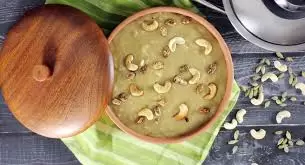
Quick answer: Aravana is the dark, thick sweet of rice, jaggery and ghee given as prasadam at the Sabarimala Ayyappa temple in Kerala. The temple's own recipe and proportions are the Travancore Devaswom Board's; this page gives a home-style version: red rice cooked soft, then simmered with jaggery s

Quick answer: Aravana is the dark, thick sweet of rice, jaggery and ghee given as prasadam at the Sabarimala Ayyappa temple in Kerala. The temple's own recipe and proportions are the Travancore Devaswom Board's; this page gives a home-style version: red rice cooked soft, then simmered with jaggery syrup and plenty of ghee until thick, finished with cardamom and dry ginger. It is not the temple prasadam.
| Key facts | |
|---|---|
| Dish | Thick rice and jaggery payasam with ghee |
| Temple | Sabarimala Sree Dharma Sastha (Ayyappa) temple, Kerala, run by the Travancore Devaswom Board (TDB) |
| Season | Mandala-Makaravilakku season (November to January), Ayyappa pujas at home |
| Deity | Ayyappa (Dharma Sastha) |
| Serves | 6 |
| Prep time | 15 minutes, plus 30 minutes soaking |
| Cook time | 60 minutes |
| Allergens | Milk (ghee) |
What is aravana?
At Sabarimala, aravana and appam (a sweet fried rice-and-jaggery cake) are the two prasadams pilgrims bring home, aravana packed in sealed tins. News reports on the temple's kitchen describe it as a payasam of rice and jaggery, with cardamom, and note that the Board reduces its moisture so that it keeps for a long time. The exact recipe, proportions and process are the TDB's and are not published.
At home, Kerala families make thick jaggery payasams in a similar style. This version uses Kerala red rice (unakkalari or matta), jaggery and generous ghee, and is cooked until it is thick enough to hold its shape on a spoon. It is not a copy of the temple's aravana, and it will not keep like the sealed temple tins.
For the pilgrimage itself, see Neyyabhishekam at Sabarimala.
Kitchen note: This recipe is not yet kitchen-tested by a HinduTone cook. The quantities and timings follow common home methods; judge doneness by look and texture, and adjust for your stove and ingredients.
Ingredients
- Kerala red rice (unakkalari or matta), or raw short-grain rice: 100 g (1/2 US cup)
- Water to cook the rice: 750 ml (3 US cups)
- Dark jaggery, grated: 300 g (about 1 1/2 US cups, lightly packed)
- Water to melt the jaggery: 120 ml (1/2 US cup)
- Ghee: 100 g (about 1/2 US cup), divided
- Green cardamom, ground: 1/2 teaspoon
- Dry ginger powder (chukku): 1/4 teaspoon
- Dried coconut pieces, thinly sliced (optional): 2 tablespoons
- Cashews (optional): 10 to 12 (about 15 g)
Method
- Soak and cook the rice. Wash the rice and soak it for 30 minutes. Drain. Cook it in 750 ml of water until very soft, about 25 to 30 minutes on the stove (or see the cooker method below). Mash it lightly.
- Make the jaggery syrup. Melt the jaggery in 120 ml of water on low heat. Strain it to remove grit.
- Return the syrup to a heavy-bottomed pan or uruli (wide bell-metal pan) and boil it for 3 to 4 minutes until it thickens slightly.
- Combine. Add the cooked rice to the syrup and stir well. Cook on low-medium heat, stirring constantly and scraping the bottom.
- Add ghee in stages. Add the ghee 2 tablespoons at a time, letting each addition be absorbed before the next. Keep stirring.
- Cook it down. Continue for 20 to 25 minutes until the mixture turns dark, glossy and thick, leaves the sides of the pan, and a spoonful holds its shape. Take care: thick jaggery mixtures spit. Use a long spoon.
- If using, fry the coconut slices and cashews in a spoon of ghee until golden and stir them in.
- Add the cardamom and dry ginger, mix and turn off the heat.
- Set aside the naivedyam portion in a clean bowl before anyone tastes.
Notes and variations
- Texture: home aravana firms up as it cools. Stop cooking a little before it looks done.
- Rice: red rice gives the traditional colour and bite. White raw rice works and cooks faster.
- Jaggery: dark Kerala or Marayoor-style jaggery gives a deeper colour; paler jaggery gives a lighter payasam.
- Less ghee: you can reduce the ghee to 60 g, but the texture will be less glossy.
Pressure-cooker and Instant Pot versions
Pressure cooker: cook the soaked rice with 600 ml (2 1/2 cups) of water for 5 to 6 whistles and let the pressure drop naturally. Mash, then continue from step 2 in an open heavy pan.
Instant Pot: Pressure Cook (high) the soaked rice with 2 1/2 cups of water for 20 minutes (red rice) or 12 minutes (white rice), natural release. Then cook the rest in an open pan; the jaggery stage needs constant stirring.
Naivedyam notes
- Many families make a jaggery payasam like this for Ayyappa pujas at home during the Mandala season, and for Sastha pujas through the year.
- Offer it warm or at room temperature, before anyone tastes.
- Aravana from Sabarimala is the temple's prasadam. A home version is your family's offering; describe it that way when sharing it.
- See how to offer naivedyam at home.
Swaps for cooks abroad
| Where you live | Red rice | Dark jaggery |
|---|---|---|
| USA and Canada | Kerala matta rice at South Indian grocers; otherwise short-grain white rice | Indian grocers; Mexican piloncillo is a close substitute |
| UK | Kerala and South Indian grocers | Indian grocers; dark muscovado sugar at a pinch |
| Australia and New Zealand | South Indian grocers | Indian grocers |
| Gulf countries | Matta rice is easy to find at Kerala supermarkets | Easy to find |
| Singapore and Malaysia | Kerala and Tamil grocers; otherwise short-grain rice | Indian jaggery in Little India; palm sugar (gula melaka) gives a different flavour |
Allergens and dietary notes
- Milk: ghee.
- Tree nuts: cashews, if used. Coconut is a fruit but some people with nut allergies react to it.
- The dish is very sweet. Anyone told to limit sugar should take a small portion and follow their doctor's advice.
Storage
Home aravana keeps for 3 to 4 days in an airtight container in the fridge. Refrigerate within 2 hours of cooking. Warm a portion gently before serving. Do not expect it to keep like the sealed temple tins, which are made by a different process.
Frequently asked questions
Is this the Sabarimala aravana recipe?
No. The temple's recipe and process belong to the Travancore Devaswom Board and are not published. This is a home-style jaggery-rice payasam in the same spirit.
What is the difference between aravana and ordinary payasam?
Aravana is much thicker and darker, cooked with jaggery and a lot of ghee until it almost sets. Most payasams are pourable and made with milk or coconut milk.
What is aravana made of?
Reports on the temple kitchen describe rice and jaggery, with cardamom; home versions add ghee and often dry ginger.
Can I make aravana without red rice?
Yes. Use white raw rice and cook it soft. The colour comes mostly from the jaggery.
How long does home aravana last?
Three to four days in the fridge. It is not processed for long storage like the temple's sealed tins.
Related recipes and guides
- Recipes hub
- Types of payasam and kheer
- Temple prasadams of India
- Neyyabhishekam at Sabarimala
- Paramannam recipe
- How to offer naivedyam at home
Sources
- Madhyamam, Kerala HC stops sale of 'Aravana prasadam' at Sabarimala, 12 January 2023: a batch "includes several ingredients like rice, jaggery", with cardamom.
- Onmanorama, Cardamom back in Sabarimala aravana, 18 May 2024, on cardamom as an ingredient of aravana and appam.
- Onmanorama, Sabarimala aravana production and the jaggery issue, 8 January 2026, on moisture reduction for shelf life and the tins.
- US Food and Drug Administration, Safe Food Handling.
Quantities and times are typical home proportions. Last reviewed: 12 November 2026.
Share this with family and friends
Send it on WhatsApp, post it, or copy the link.
More from Recipes
- Rauh di Kheer Recipe (Punjabi Rice Kheer Cooked in Sugarcane Juice)
- Medu Vadai Recipe (Ulundu Vadai for Pongal and Festival Days)
- Pongal Kootu Recipe (Mixed Vegetable and Dal Kootu)
- Sakkare Acchu Recipe (Karnataka Sugar Moulds for Sankranti)
- Nolen Gur Payesh Recipe (Bengali Rice Pudding with Date-Palm Jaggery)