Poornalu (Boorelu) Recipe: Telugu Sweet for Festivals
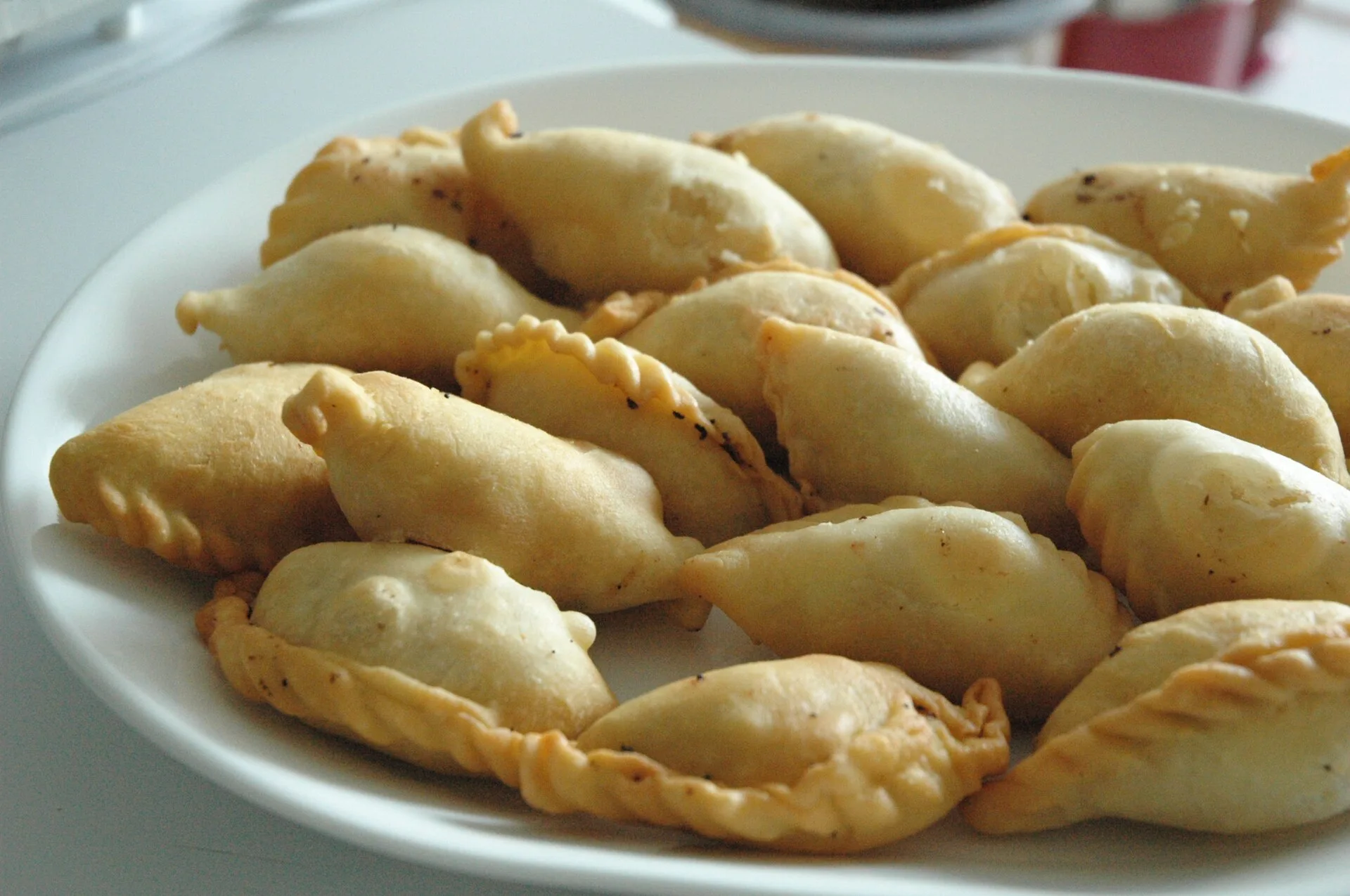
Quick answer: Poornalu, also called boorelu, are Telugu festival sweets: balls of poornam (cooked chana dal mashed with jaggery and cardamom) dipped in a batter of ground rice and urad dal and deep-fried until crisp. They are a classic naivedyam for Varalakshmi Vratam, Vinayaka Chavithi and weddings
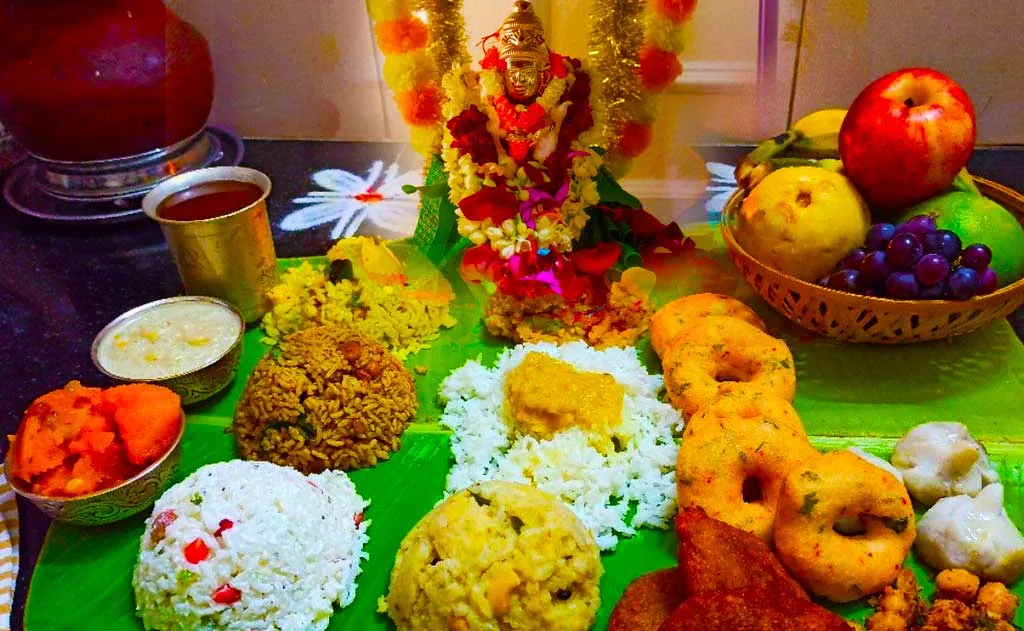
Quick answer: Poornalu, also called boorelu, are Telugu festival sweets: balls of poornam (cooked chana dal mashed with jaggery and cardamom) dipped in a batter of ground rice and urad dal and deep-fried until crisp. They are a classic naivedyam for Varalakshmi Vratam, Vinayaka Chavithi and weddings. Cook the dal until soft but not mushy, and cook the poornam until it holds a ball.
| Key facts | |
|---|---|
| Dish | Sweet chana dal and jaggery filling in a fried rice-and-urad-dal coat |
| Festivals | Varalakshmi Vratam, Vinayaka Chavithi, Sankranti, Ugadi, weddings and other family occasions |
| Deity | Lakshmi, Ganesha, and others by custom |
| Yield | 16 to 18 poornalu |
| Prep time | 30 minutes, plus 4 hours soaking |
| Cook time | 60 minutes |
| Allergens | Legumes (chana dal, urad dal); milk (ghee) |
What are poornalu?
Poornam (Telugu, from Sanskrit purna, "full") is the sweet filling of chana dal and jaggery; poornalu are the stuffed, fried balls. In parts of Andhra Pradesh and Telangana they are called boorelu, and suzhiyan or sukhiyan is a close Tamil and Kerala relative with a similar filling. The same poornam is used to stuff bobbatlu (puran poli).
Poornalu take time, which is part of why they are kept for festivals and weddings. This page gives one common way; families vary in the batter (some use maida, some only rice) and the filling (some add coconut). Follow your elders where they do it differently.
Kitchen note: This recipe is not yet kitchen-tested by a HinduTone cook. The quantities and timings follow common home methods; judge doneness by look and texture, and adjust for your stove and ingredients.
Ingredients
For the batter
- Raw rice (sona masoori or other short grain): 100 g (1/2 US cup)
- Whole or split urad dal (without skin): 100 g (1/2 US cup)
- Salt: a pinch
- Water to grind: about 120 ml (1/2 US cup)
For the poornam (filling)
- Chana dal (Bengal gram, split): 200 g (1 US cup)
- Water to cook: 600 ml (2 1/2 US cups)
- Jaggery, grated: 200 g (1 US cup, lightly packed)
- Green cardamom, ground: 1/2 teaspoon
- Fresh or desiccated coconut (optional): 3 tablespoons
- Ghee: 1 tablespoon
For frying
- Oil or ghee for deep-frying: enough for 5 cm (2 inches) in a pan
Method
- Soak. Wash the rice and urad dal together and soak them for 4 hours. Soak the chana dal separately for 1 hour.
- Grind the batter. Drain the rice and urad dal and grind them with as little water as needed to a smooth, thick batter, a little thicker than dosa batter. Add the salt. No fermentation is needed.
- Cook the dal. Cook the chana dal in 600 ml of water until soft but not mushy: about 20 to 25 minutes in an open pan, or 2 whistles in a pressure cooker. Drain it completely; save the water for rasam or dal if you like.
- Make the poornam. Mash or grind the drained dal coarsely without water. Melt the jaggery in a heavy pan on low heat. Add the mashed dal and the ghee and cook, stirring, for 10 to 12 minutes until the mixture thickens, leaves the sides of the pan and a spoonful can be rolled into a ball once cooled.
- Stir in the cardamom and coconut. Let the poornam cool completely.
- Shape. Roll the poornam into balls a little smaller than a lime, about 30 g each.
- Heat the oil to medium, about 170°C (340°F).
- Fry. Dip each ball in the batter so it is fully coated, and slide it gently into the oil. Fry 4 or 5 at a time, turning, for 4 to 5 minutes until golden and crisp.
- Drain on paper. Set aside the naivedyam portion on a clean plate before anyone tastes.
Tips and variations
- Filling too soft? If the poornam will not hold a ball, cook it a few more minutes. Soft filling bursts in the oil.
- Batter too thin? The coat slips off and the filling leaks. Add a spoon of rice flour.
- Maida batter: some families use all-purpose flour with a pinch of salt and water instead of the rice and urad batter. It gives a thinner, smoother coat.
- Serving: many Telugu families serve poornalu split open with a spoon of ghee poured inside.
Pressure-cooker and Instant Pot versions
Pressure cooker: cook the soaked chana dal with 2 cups (480 ml) of water for 2 whistles on medium heat and release the pressure at once, so the dal does not turn to mush. Drain and continue from step 4.
Instant Pot: Pressure Cook (high) the soaked chana dal with 2 cups of water for 6 minutes, then quick release. The frying must be done in a pan; poornalu cannot be made in an air fryer because the batter is liquid.
Naivedyam notes
- Poornalu are among the dishes commonly offered at Varalakshmi Vratam; see the Varalakshmi Vratam recipes.
- Many families make the poornam the evening before and fry on the festival morning.
- Poornalu are cooked without onion and garlic and offered before anyone tastes. See how to offer naivedyam at home.
Swaps for cooks abroad
| Where you live | Chana dal and urad dal | Jaggery |
|---|---|---|
| USA and Canada | Indian grocers. Yellow split peas are not a substitute for chana dal; they cook to mush | Indian grocers; piloncillo or panela |
| UK | Indian grocers and larger supermarkets | Indian grocers |
| Australia and New Zealand | Indian grocers | Indian grocers |
| Gulf countries | Easy to find | Easy to find |
| Singapore and Malaysia | Indian grocers in Little India | Indian jaggery; palm sugar gives a different flavour |
If you have no wet grinder or strong blender, use 100 g rice flour and 100 g urad dal flour mixed with water to a thick batter; rest it 30 minutes.
Allergens and dietary notes
- Legumes: chana dal and urad dal.
- Milk: ghee in the filling. Use oil for a dairy-free version.
- Gluten: the rice and urad batter is gluten-free; the maida variation contains wheat.
Storage
Poornalu are best eaten the day they are made. They keep for 1 to 2 days in an airtight box in a cool place, or 3 days in the fridge; the coat softens. Warm them in a low oven or air fryer to crisp them again. The cooked poornam alone keeps 4 to 5 days in the fridge.
Frequently asked questions
What is the difference between poornalu and boorelu?
They are two names for the same sweet, used in different parts of Andhra Pradesh and Telangana.
Why did my poornalu burst in the oil?
The filling was too soft or had water in it, or the oil was too hot. Cook the poornam until it holds a firm ball and fry on medium heat.
Can I make poornalu with sugar instead of jaggery?
Yes, but jaggery is traditional and gives the deeper colour and flavour.
Can I make the filling ahead?
Yes. Poornam keeps 4 to 5 days in the fridge. Bring it to room temperature before shaping.
Is poornam the same as the filling for bobbatlu?
Yes, the chana dal and jaggery poornam is the same, though some families cook it a little drier for bobbatlu.
Related recipes and guides
- Recipes hub
- Naivedyam by festival
- Varalakshmi Vratam recipes
- Telugu Deepavali recipes
- Paramannam recipe
- How to offer naivedyam at home
Sources
- US Food and Drug Administration, Food Allergies, for the major allergens.
- US Food and Drug Administration, Safe Food Handling.
Quantities are typical home proportions. Last reviewed: 12 November 2026.
Share this with family and friends
Send it on WhatsApp, post it, or copy the link.
More from Recipes
- Rauh di Kheer Recipe (Punjabi Rice Kheer Cooked in Sugarcane Juice)
- Sakkare Acchu Recipe (Karnataka Sugar Moulds for Sankranti)
- Nolen Gur Payesh Recipe (Bengali Rice Pudding with Date-Palm Jaggery)
- Dudh Puli Recipe (Bengali Rice Dumplings in Thickened Milk with Nolen Gur)
- Bhapa Pitha Recipe (Bengali Steamed Rice Cakes with Coconut and Nolen Gur)