Besan Laddu Recipe (Gram Flour Laddus for Naivedyam)
Quick answer: Besan laddu is made by slowly roasting gram flour (besan) in ghee until it turns golden and smells nutty, cooling it slightly, then mixing in powdered sugar and cardamom and shaping it into balls. It needs no frying and no syrup. It is a common offering to Hanuman and Ganesha and a Diw
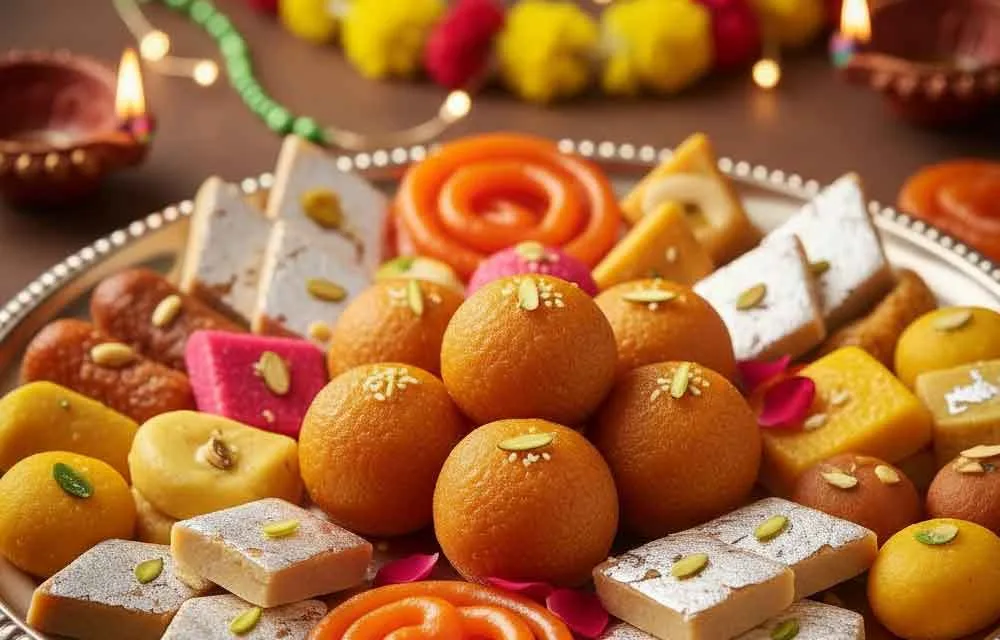
Quick answer: Besan laddu is made by slowly roasting gram flour (besan) in ghee until it turns golden and smells nutty, cooling it slightly, then mixing in powdered sugar and cardamom and shaping it into balls. It needs no frying and no syrup. It is a common offering to Hanuman and Ganesha and a Diwali favourite. The secret is patient roasting on low heat, about 20 to 25 minutes.
| Key facts | |
|---|---|
| Dish | Gram flour roasted in ghee, sweetened and shaped |
| Festivals | Diwali, Hanuman Jayanti, Ganesh Chaturthi, Raksha Bandhan, Tuesdays and Saturdays for Hanuman |
| Deity | Hanuman, Ganesha, and others by custom |
| Yield | 12 laddus of about 40 g |
| Prep time | 10 minutes |
| Cook time | 25 minutes |
| Allergens | Chickpea (gram flour), milk (ghee), tree nuts if added |
What is besan laddu?
Besan is flour ground from split chickpeas (chana dal); laddu (or ladoo) is any round sweet. Besan laddu is one of the most widely made laddus in North and West India and among Indian families everywhere, because it needs only four ingredients and keeps well. Unlike boondi laddu, it is not fried and has no sugar syrup.
Many families offer besan or boondi laddus to Hanuman on Tuesdays and Saturdays and on Hanuman Jayanti, and to Ganesha alongside modak. This page gives one common way; some families add semolina for crunch, or melon seeds and nuts.
Kitchen note: This recipe is not yet kitchen-tested by a HinduTone cook. The quantities and timings follow common home methods; judge doneness by look and texture, and adjust for your stove and ingredients.
Ingredients
- Gram flour (besan), preferably coarse (laddu besan): 200 g (about 1 2/3 US cups)
- Ghee: 120 g (about 1/2 US cup plus 1 tablespoon), melted
- Powdered sugar (or boora, Indian powdered sugar): 150 g (about 1 1/4 US cups)
- Green cardamom, ground: 1/2 teaspoon
- Chopped almonds, cashews or pistachios (optional): 2 tablespoons
- Fine semolina (optional, for texture): 1 tablespoon
Method
- Sift the gram flour to remove lumps.
- Heat the ghee in a heavy-bottomed pan or kadai on low heat. Add the gram flour (and semolina, if using).
- Stir constantly on low heat. At first the mixture is thick and lumpy; after 8 to 10 minutes it loosens and turns smooth as the ghee is released.
- Keep roasting and stirring for another 10 to 15 minutes until it turns golden, smells nutty and looks like wet sand. Do not rush it on high heat; under-roasted besan tastes raw and over-roasted besan tastes bitter.
- Add the chopped nuts and roast 1 more minute. Turn off the heat.
- Transfer to a plate and let it cool for 10 to 15 minutes, until warm but no longer hot. If you add sugar while it is hot, the sugar melts and the laddus go flat.
- Add the powdered sugar and cardamom and mix well with your hands.
- Take about 40 g and press it firmly into a round ball. If the mixture is too dry to hold, add a teaspoon of warm melted ghee.
- Set aside the naivedyam laddus on a clean plate before anyone tastes.
Tips and variations
- Coarse besan gives the classic grainy texture. With fine besan, add the tablespoon of semolina.
- Flat laddus: the mixture was too warm when the sugar went in, or there was too much ghee. Chill the mixture for 10 minutes and shape again.
- Crumbly laddus: add a little warm ghee.
- Jaggery version: use 150 g powdered jaggery instead of sugar for a darker, less sweet laddu.
There is no pressure-cooker version; besan laddu is roasted in a pan. In an Instant Pot, the Sauté setting can roast the besan, but it needs constant stirring and a pan is easier.
Naivedyam notes
- Make laddus a day or two ahead if needed; they keep well. Offer them before anyone tastes.
- For Hanuman, many families offer laddus on Tuesdays; see Tuesday fasting rules and vrat menu.
- For festival menus, see naivedyam by festival.
Swaps for cooks abroad
| Where you live | Gram flour | Powdered sugar |
|---|---|---|
| USA and Canada | Indian grocers ("besan" or "laddu besan"). Supermarket "chickpea flour" is from white chickpeas and gives a softer, paler laddu | Grind granulated sugar in a dry blender; US "confectioners' sugar" contains cornstarch, which changes the texture slightly |
| UK | Indian grocers and many supermarkets ("gram flour") | Grind granulated sugar, or use icing sugar (often contains anti-caking agent) |
| Australia and New Zealand | Indian grocers | Grind granulated sugar, or icing sugar |
| Gulf countries | Easy to find | Easy to find |
| Singapore and Malaysia | Indian grocers in Little India | Grind granulated sugar |
Allergens and dietary notes
- Chickpea: gram flour is a legume flour.
- Milk: ghee. Coconut oil works for a dairy-free version, though most families use ghee for naivedyam.
- Tree nuts: almonds, cashews or pistachios, if added.
- Gluten: gram flour is naturally gluten-free but often milled alongside wheat; check the label. Semolina contains wheat.
Storage
Besan laddus keep for 2 weeks in an airtight box at room temperature in a cool, dry place, and up to a month in the fridge.
Frequently asked questions
How do I know the besan is roasted enough?
It turns a deeper golden colour, smells nutty rather than raw, and becomes loose and glossy like wet sand. This usually takes 20 to 25 minutes on low heat.
Why are my besan laddus sticky or flat?
The sugar was added while the besan was too hot, or there was too much ghee. Cool the mixture and shape again.
Can I use regular sugar instead of powdered sugar?
No. Granulated sugar will not mix in and the laddus will be gritty. Powder it first in a dry blender.
What is the difference between besan laddu and boondi laddu?
Besan laddu is roasted gram flour mixed with powdered sugar. Boondi laddu is made from fried gram-flour pearls soaked in sugar syrup.
How long do besan laddus last?
About two weeks at room temperature in an airtight box, longer in the fridge.
Related recipes and guides
- Recipes hub
- Boondi laddu recipe
- Coconut laddu recipe
- Maharashtrian Diwali faral
- Naivedyam by festival
- How to offer naivedyam at home
Sources
- US Food and Drug Administration, Food Allergies, for the major allergens.
Quantities are typical home proportions. Last reviewed: 12 November 2026.
Share this with family and friends
Send it on WhatsApp, post it, or copy the link.
More from Recipes
- Rauh di Kheer Recipe (Punjabi Rice Kheer Cooked in Sugarcane Juice)
- Medu Vadai Recipe (Ulundu Vadai for Pongal and Festival Days)
- Pongal Kootu Recipe (Mixed Vegetable and Dal Kootu)
- Sakkare Acchu Recipe (Karnataka Sugar Moulds for Sankranti)
- Nolen Gur Payesh Recipe (Bengali Rice Pudding with Date-Palm Jaggery)