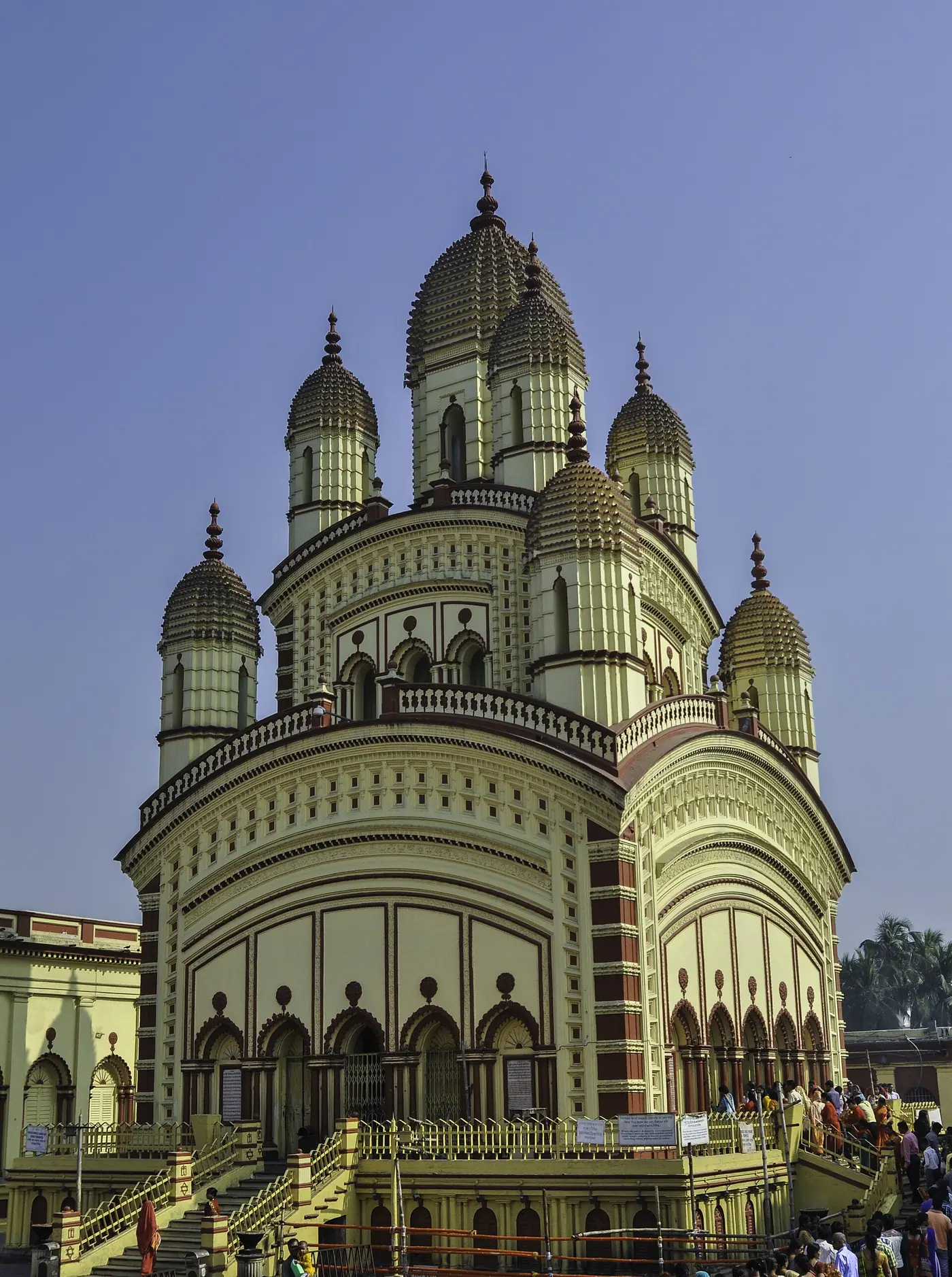
Kapaleeshwarar Temple Guide: Mylapore's Ancient Shiva Temple in Chennai
A guide to Arulmigu Kapaleeshwarar Temple in Mylapore, Chennai: why Parvati worshipped Shiva here as a peahen, the story of Sambandar reviving Poompavai, the towering gopuram and tank, the famous Panguni festival with the 63 Nayanmars procession, and tips for families visiting from abroad.
Quick answer: Arulmigu Kapaleeshwarar Temple in Mylapore, Chennai, is one of the city's oldest and best-loved Shiva temples. Shiva is worshipped as Kapaleeshwarar and his consort as Goddess Karpagambal. Legend says Parvati worshipped Shiva here in the form of a peahen (mayil), which gave Mylapore its name. The temple is a Paadal Petra Sthalam praised in the Tevaram, famous for the story of Thirugnana Sambandar reviving the girl Poompavai, and for its Panguni festival with the procession of the 63 Nayanmars. Check the temple's official website for current timings.
For Chennai families living abroad, Kapaleeshwarar is often the temple of childhood memories: the tank, the flower sellers on the mada streets, and the festival crowds. For first-time visitors, it is the perfect introduction to living Tamil temple culture in the heart of a modern city. This guide covers the legends, what to see, festivals and practical tips.
Kapaleeshwarar at a glance
| Detail | Information |
|---|---|
| Deity | Lord Shiva as Kapaleeshwarar |
| Consort | Goddess Karpagambal |
| Location | Mylapore, Chennai, Tamil Nadu |
| Sacred tree | Punnai |
| Hymns | Paadal Petra Sthalam (Tevaram); Thiruppugazh for Murugan |
| Architecture | Dravidian, with a tall east gopuram and a large temple tank |
| Major festival | Panguni Peruvizha (March–April), with the Arubathimoovar procession |
Legends of Kapaleeshwarar
Parvati as a peahen. Once, while Shiva was explaining a profound truth, Parvati's attention was drawn to a dancing peacock. As a result, she was born on earth as a peahen and had to worship Shiva to be reunited with him. She came to this place and worshipped the linga under a punnai tree. Pleased with her devotion, Shiva restored her form and reunited with her. The place became Thirumayilai, and the goddess is revered as Karpagambal.
Brahma and the skull. Brahma, the creator, grew proud of having five heads like Shiva. To humble him, Shiva removed one of Brahma's heads. Brahma later came to Mylapore and worshipped Shiva to regain his creative power. Shiva here is therefore called Kapaleeshwarar, the Lord of the skull (kapala).
Sambandar and Poompavai. A devout merchant of Mylapore, Sivanesan, had promised his daughter Poompavai in marriage to the child saint Thirugnana Sambandar. Poompavai died of a snakebite, and her father preserved her ashes and bones in a pot. When Sambandar came to Mylapore, he sang a hymn to Kapaleeshwarar describing the temple's festivals and asking how Poompavai could leave without seeing them. By Shiva's grace, Poompavai rose alive from the pot. This hymn is among the best-known in the Tevaram, and the episode is depicted in the temple.
History of the temple
Mylapore is mentioned in ancient Tamil literature, and the temple is praised in the 7th-century Tevaram hymns, which shows it was an important shrine long ago. It is widely held that the original temple stood closer to the seashore and that the present temple was built several centuries ago, after the earlier shrine was lost. The tall east gopuram, a landmark of Mylapore, is a comparatively recent addition from the early 20th century. The temple is administered by the Tamil Nadu HR&CE Department.
What to see
- East gopuram: The colourful, sculpture-covered tower rising over the main entrance, best seen from across the tank.
- Temple tank: The large tank to the west of the temple, the setting for the float festival (theppam) and a beloved Mylapore landmark.
- Karpagambal shrine: The goddess's shrine, where many devotees offer prayers for family well-being.
- Punnai tree shrine: A shrine showing Parvati as a peahen worshipping the linga beneath the sacred punnai tree.
- Singaravelar shrine: Lord Murugan with Valli and Deivanai, praised by the poet-saint Arunagirinathar in the Thiruppugazh.
- The 63 Nayanmars: Images of the 63 Saiva saints, honoured especially during the Panguni festival.
Festivals
Panguni Peruvizha (March–April). The temple's grandest festival, lasting about ten days, with processions of the deities on different vahanas. The Arubathimoovar festival, when all 63 Nayanmars are taken in procession with Kapaleeshwarar, draws enormous crowds and is one of Chennai's great religious events. The temple car (ther) procession is another highlight.
Navaratri. Karpagambal is decorated in a different alankaram on each night, and Mylapore's homes and streets are alive with kolu displays. See our Navarathri 2026 Tamil Nadu guide.
Karthigai Deepam and Maha Shivaratri. Lamps light up the temple for Karthigai Deepam, and Maha Shivaratri brings night-long worship.
Pradosham and Fridays. Pradosham days are busy for Shiva and Nandi worship, and Fridays are popular for Karpagambal.
Festival dates follow the Tamil calendar and change every year; check with the temple.
Around the temple: Mylapore
The four mada streets around the temple are lined with shops selling flowers, puja items, brass lamps, silk and books. Mylapore is also associated with the poet Thiruvalluvar, author of the Thirukkural, who has a shrine in the area. The neighbourhood is known for its sabhas, which host the Chennai music and dance season in December and January, and for traditional restaurants serving South Indian tiffin.
How to reach
- By air: Chennai International Airport, about an hour's drive depending on traffic.
- By rail: Thirumayilai station on Chennai's MRTS line is close to the temple; Chennai Central and Egmore are the main long-distance stations.
- By road: Autos, cabs and city buses reach Mylapore from all parts of Chennai. Parking near the temple is limited, especially on festival days.
Tips for NRI visitors
- Wear traditional clothes; a veshti or trousers with a shirt for men, and a saree, half-saree or salwar for women.
- Visit early in the morning or in the evening; Chennai afternoons can be very hot.
- Leave footwear at the official counter near the entrance.
- Follow the temple's rules on photography and mobile phones.
- Combine with nearby temples in Mylapore and Triplicane, including the Parthasarathy Temple, a Divya Desam.
Frequently asked questions
Why is the area called Mylapore?
Mylapore comes from mayil, the Tamil word for peacock. According to the temple legend, Goddess Parvati took the form of a peahen and worshipped Shiva here under a punnai tree, and the place became known as Thirumayilai or Mylapore.
Who is the goddess at Kapaleeshwarar temple?
Goddess Karpagambal, whose name means the mother who is like the wish-fulfilling Karpaga tree. She has her own shrine in the temple, and many devotees visit specifically for her darshan.
What is the meaning of Kapaleeshwarar?
Kapala means skull. The name is linked to the legend in which Shiva humbled Brahma by taking one of his heads; Brahma later worshipped Shiva at this place to regain his creative powers.
When is the Kapaleeshwarar Panguni festival?
The Panguni Peruvizha is held every year in the Tamil month of Panguni (March–April). Its most famous day is the Arubathimoovar procession, when idols of the 63 Nayanmars are taken around the temple streets. Exact dates follow the Tamil calendar; check the temple's announcements.
Is Kapaleeshwarar a Paadal Petra Sthalam?
Yes. It is one of the shrines praised in the Tevaram hymns of the Nayanmars. Thirugnana Sambandar's hymn here is associated with the miracle of Poompavai.
Editor's note
Editor's note (5 October 2026): This guide has been restored at its original address after the earlier version was lost. Legends are given as told in temple tradition and the Tevaram, and details vary between tellings. Historical dates for the temple's rebuilding are debated by historians, so we have kept them general. We have not included darshan timings, ticket charges or contact details; please check the temple's official website or the Tamil Nadu HR&CE Department.
Related guides
Share this with family and friends
Send it on WhatsApp, post it, or copy the link.
More from Temples
- Famous Temples in Uttar Pradesh: A Source-Checked Guide to Kashi, Ayodhya, Mathura-Vrindavan, Gorakhpur and Kanpur
- Famous Temples in Gujarat: A Source-Checked Guide to Somnath, Dwarka, Dakor, Ambaji, Modhera and More
- Famous Temples in Madhya Pradesh: A Source-Checked Guide to Mahakaleshwar, Omkareshwar, Khajuraho, Orchha and Datia
- Famous Temples in Kerala: A Source-Checked Guide to Guruvayur, Padmanabhaswamy, Vadakkunnathan, Attukal, Sabarimala and 70 More
- Famous Temples in Andhra Pradesh: A Source-Checked Guide from Tirumala and Simhachalam to Srikurmam, Lepakshi and Kanipakam
You might also like
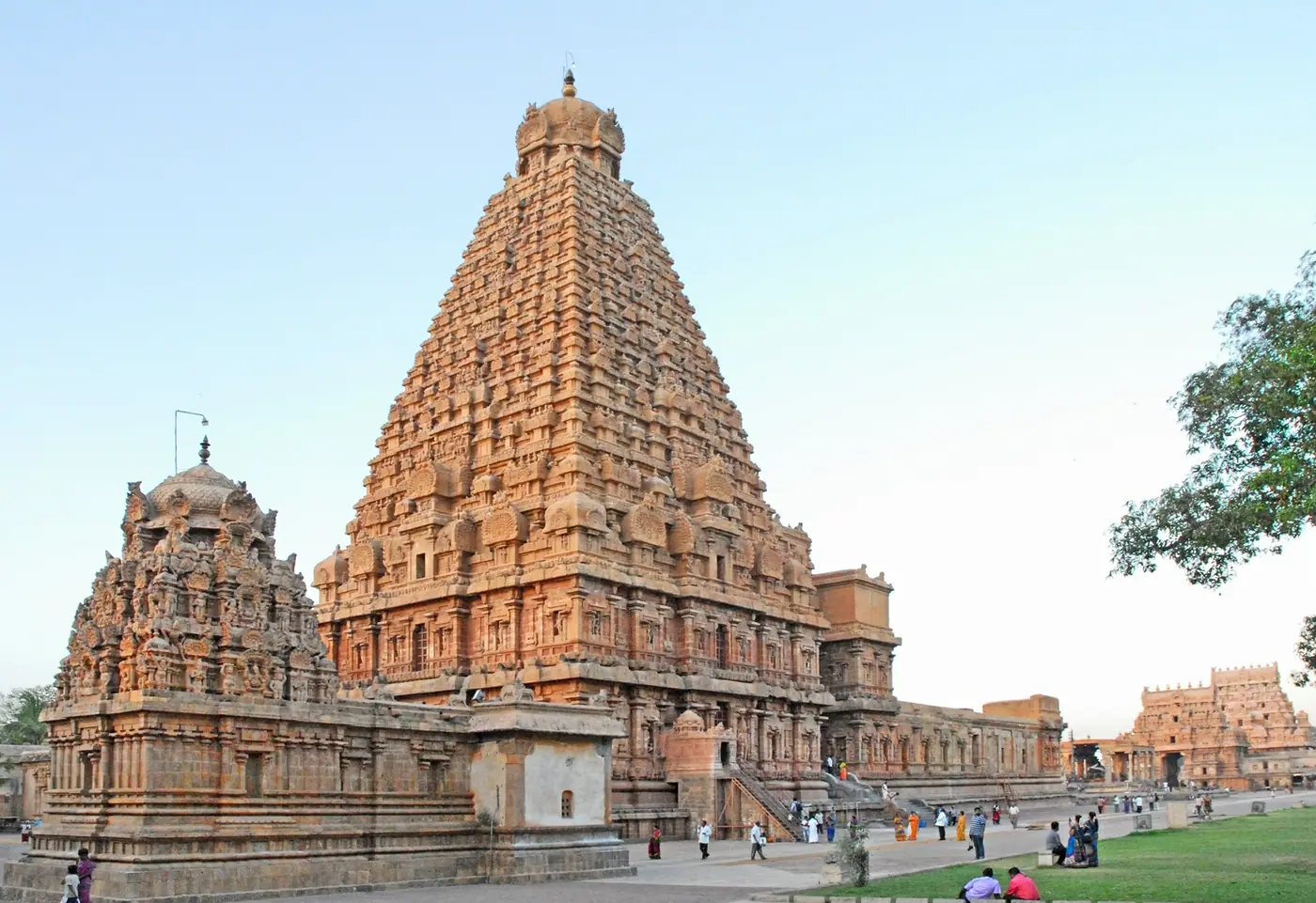
Famous Temples in Tamil Nadu: A Source-Checked Guide to Shiva, Vishnu, Devi, Murugan and Ganesha Shrines
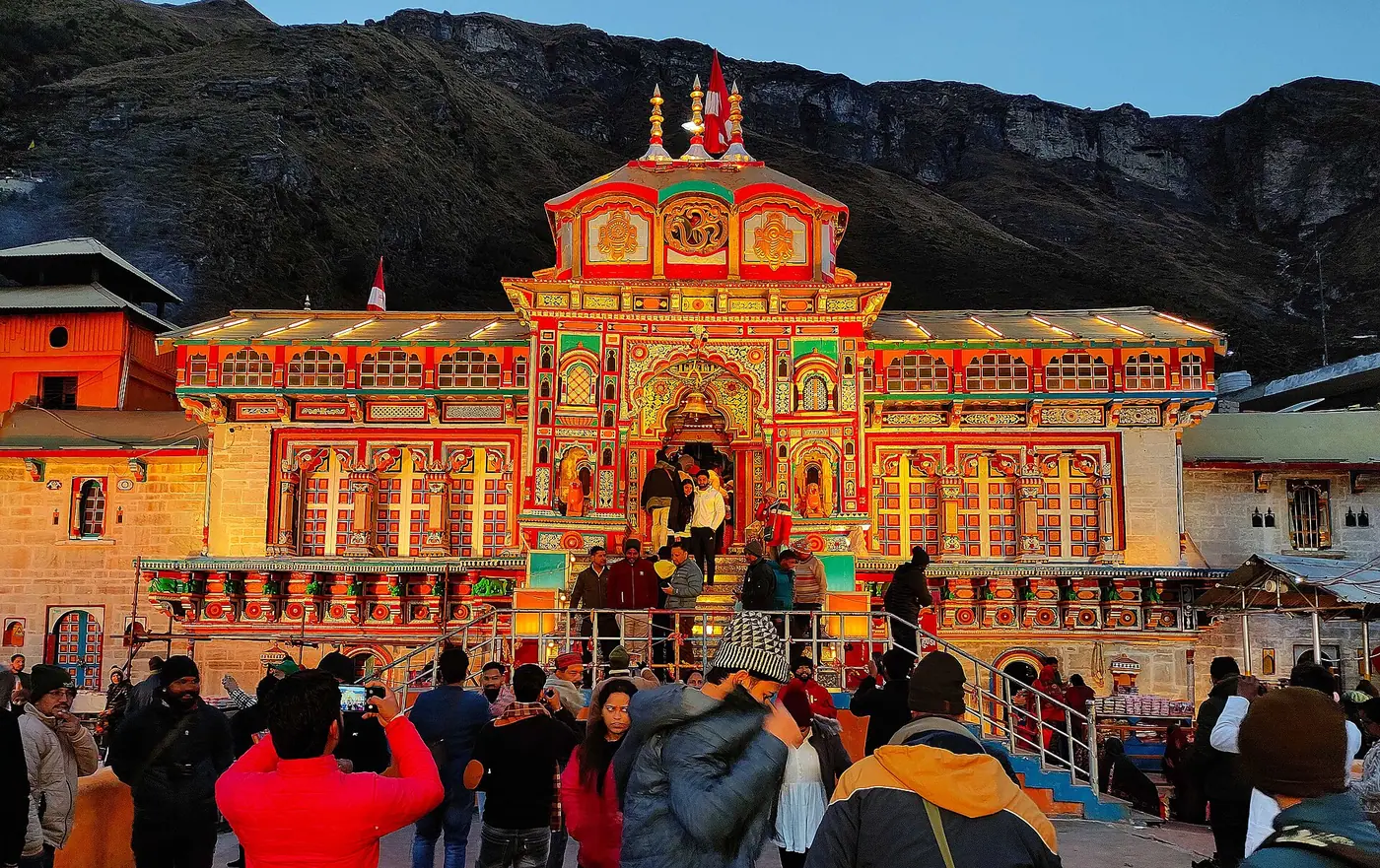
Famous Temples in Uttarakhand: A Source-Checked Guide to Kedarnath, Badrinath, Tungnath, Haridwar, Almora and More
Famous Temples in Odisha: A Source-Checked Guide to Puri, Bhubaneswar, Biraja, Tara Tarini and Western Odisha