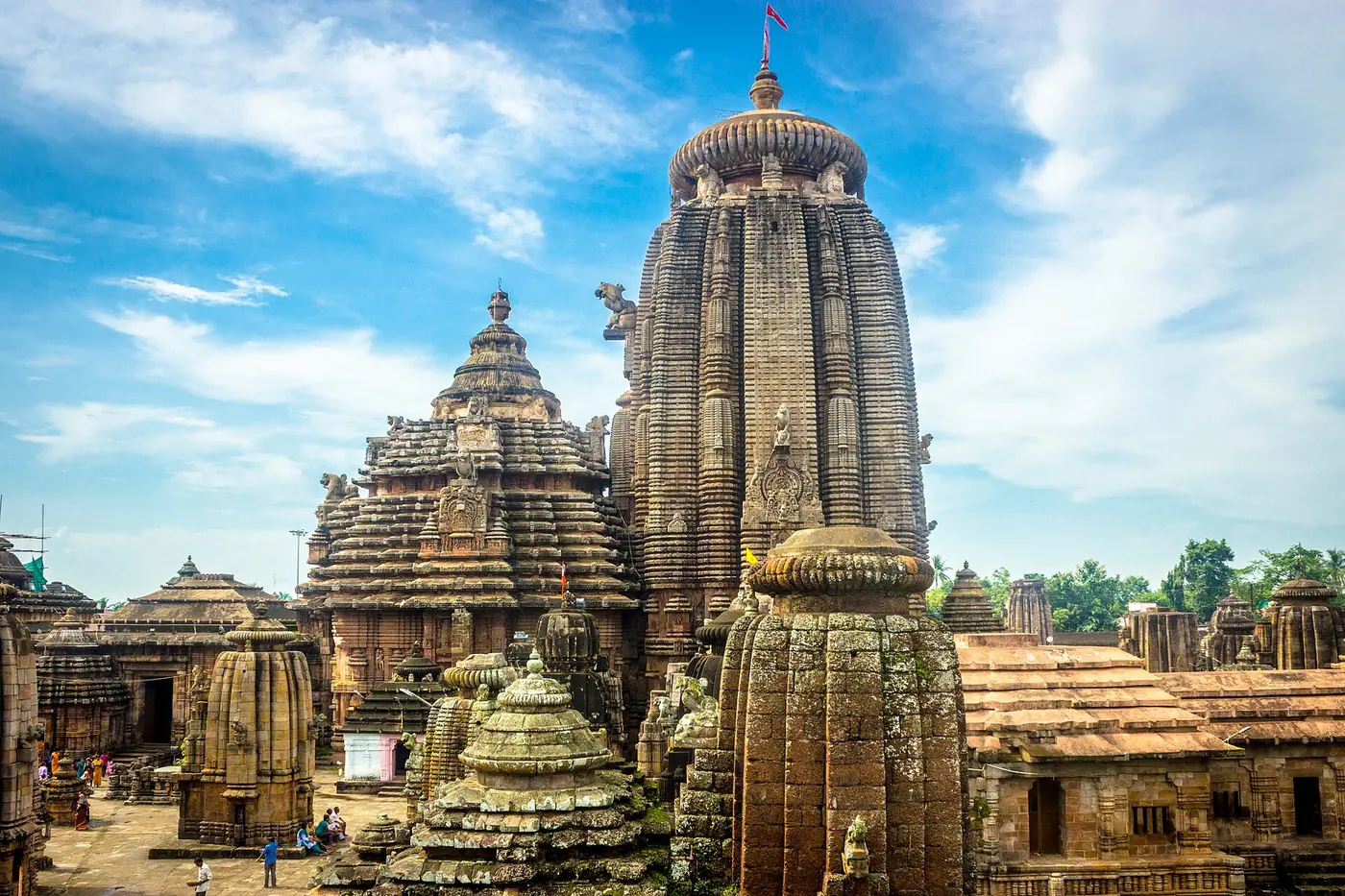
Keesaragutta Temple Guide: Sri Ramalingeswara Swamy Near Hyderabad
A guide to Keesaragutta, the hilltop Sri Ramalingeswara Swamy temple near Hyderabad in Telangana: the legend of Lord Rama and Hanuman's lingas, how Keesara got its name, the Vishnukundina-era heritage, Maha Shivaratri celebrations and practical tips for NRI families visiting home.
Quick answer: Keesaragutta is a hilltop Shiva temple at Keesara in Medchal-Malkajgiri district, Telangana, on the north-eastern edge of Hyderabad. Lord Shiva is worshipped as Sri Ramalingeswara Swamy, the linga traditionally said to have been installed by Lord Rama, alongside Goddesses Bhavani and Shivadurga. Its legend tells how Hanuman brought lingas from Kashi for Rama, and the hill is named after Hanuman, son of Kesari. The site also has archaeological remains associated with the Vishnukundina dynasty. Maha Shivaratri is the biggest festival. Check the temple's official information for current timings.
For Telugu families settled abroad, Keesaragutta is one of the easiest ancient shrines to visit on a trip home to Hyderabad, often as a half-day outing with parents and children. This guide explains the legend, the history and how to plan your visit.
Keesaragutta at a glance
| Detail | Information |
|---|---|
| Deity | Lord Shiva as Sri Ramalingeswara Swamy |
| Goddesses | Bhavani and Shivadurga |
| Location | Keesara, Medchal-Malkajgiri district, Telangana |
| Distance from Hyderabad | Roughly 35–40 km from the city centre |
| Legend | Lord Rama's linga and Hanuman's lingas from Kashi |
| Heritage | Remains linked to the Vishnukundina dynasty (around 4th–6th century CE) |
| Main festival | Maha Shivaratri Brahmotsavam and jatara |
The legend of Keesaragutta
After defeating Ravana, Lord Rama wished to atone for the sin of killing a Brahmin, since Ravana was the son of a Brahmin sage. The sages advised him to install and worship a Shiva linga. Searching for a suitable place, Rama chose this beautiful hill.
Rama asked Hanuman to bring a linga from Kashi. Hanuman flew north, but when he had not returned by the auspicious hour the sages had fixed, Shiva himself appeared and gave Rama a linga, which Rama installed. This is the linga worshipped today as Ramalingeswara, the Shiva of Rama.
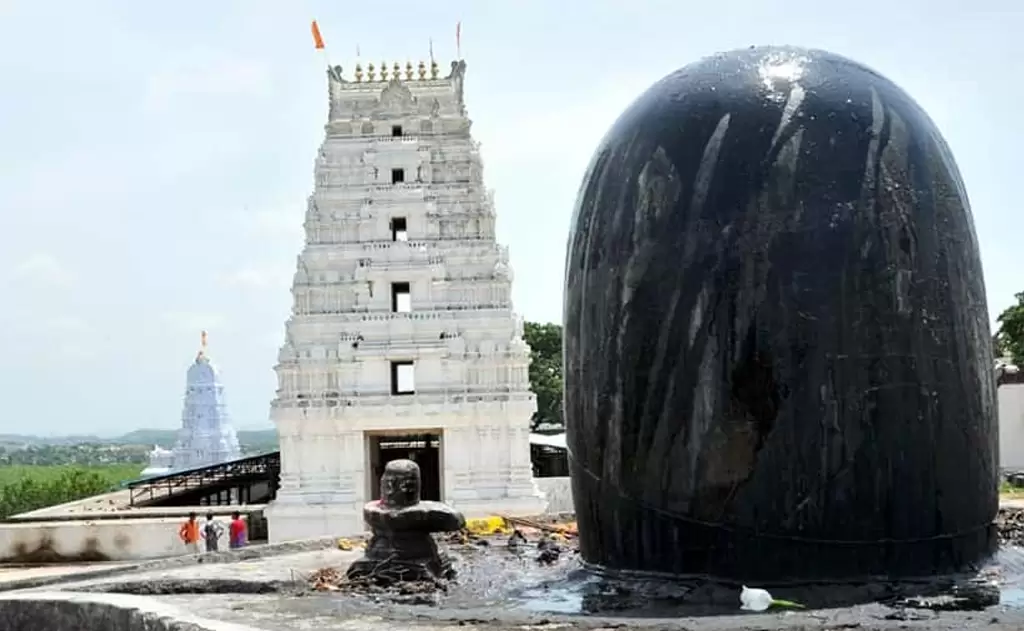
Hanuman returned soon after, carrying not one but many lingas. Finding that the installation had already taken place, he was deeply disappointed and, in his distress, flung the lingas he had brought across the hill. To console his devoted servant, Rama declared that the hill would bear Hanuman's name, and that devotees would worship Hanuman before the main deity. Because Hanuman is the son of Kesari, the hill came to be called Kesarigiri, which in time became Keesara.
Devotees still find many lingas scattered across the hillside, and they are seen as living reminders of the story. The legend carries a gentle teaching: that sincere devotion is always honoured, even when things do not go as planned.
A story that echoes Rameswaram
Devotees who know the legend of Rameswaram's Ramanathaswamy temple in Tamil Nadu will notice the parallel. There too, Rama installs a linga to atone after the war, Hanuman is sent to bring one from the north, and Rama honours Hanuman's linga with first worship when he returns late. Many places across India preserve versions of this story, each with local details. At Keesaragutta the distinctive element is the many lingas scattered over the hill, which give the site its special character.
History and heritage
Keesaragutta is not only a pilgrimage site but also a place of historical importance. Archaeological work on and around the hill has uncovered remains associated with the Vishnukundina dynasty, which ruled parts of the Deccan in the early centuries of the first millennium CE, including brick structures and other finds. This suggests the area was an important religious and royal centre long before the present temple buildings.
The present temple has been renovated and expanded over the years and is administered under the Telangana Endowments Department. The hilltop setting, the scattered lingas and the old remains together give Keesaragutta a distinctive atmosphere compared with many city temples.
What to see
- The main shrine of Sri Ramalingeswara Swamy on the hilltop.
- Shrines of Goddess Bhavani and Goddess Shivadurga.
- A shrine to Hanuman, honoured as part of the temple's legend.
- Lingas scattered across the hill, associated with Hanuman's story.
- Archaeological remains on the hill; respect any protected areas and signs.
- Wide views over the surrounding countryside from the hilltop, especially in the early morning.
Festivals at Keesaragutta
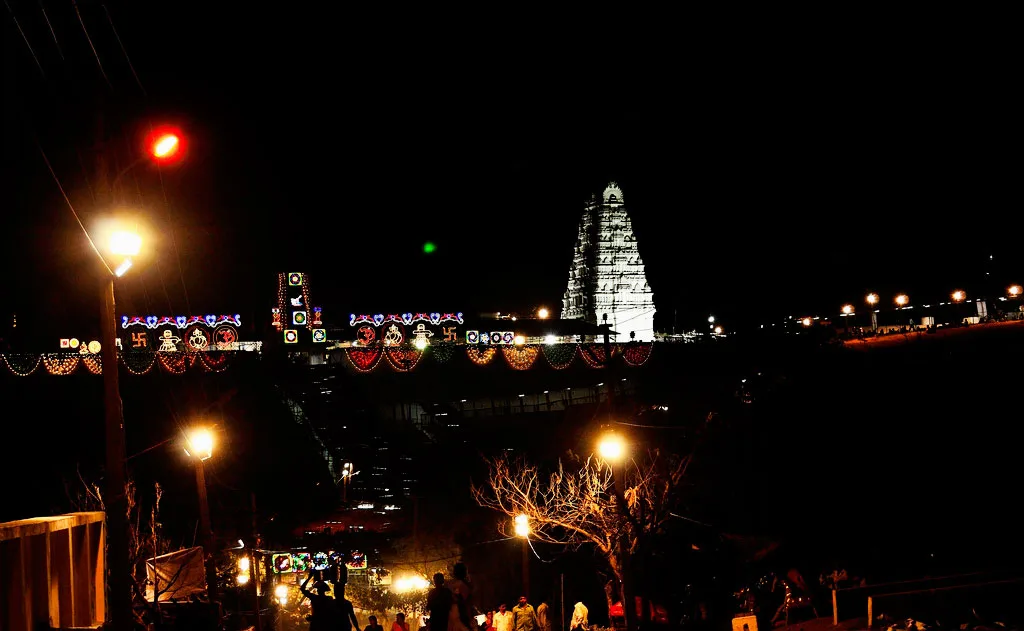
Maha Shivaratri. The temple's grandest occasion, with a multi-day Brahmotsavam and a large jatara (fair). Huge numbers of devotees from Hyderabad and the surrounding districts come for night-long worship, abhishekam and darshan. Expect heavy traffic and long queues.
Karthika Masam. Mondays in Karthika and Karthika Purnima are especially auspicious for Shiva worship, and many devotees light lamps at the temple. See our Karthika Masam 2026 guide for the month's significance.
Sravana Masam and Pradosham. Mondays of Sravana and the fortnightly Pradosham are popular with regular devotees.
How to reach Keesaragutta
- From Hyderabad: Most visitors drive or take a cab via ECIL or Secunderabad towards Keesara. The journey takes about an hour or more depending on traffic.
- By bus: TSRTC (TGSRTC) buses run towards Keesara from parts of Hyderabad and Secunderabad, with extra services during Maha Shivaratri.
- By air and rail: Rajiv Gandhi International Airport at Shamshabad and Secunderabad railway station are the main arrival points for travellers from abroad and other states.
Tips for NRI families
- Go early in the morning to avoid heat and crowds, especially in summer.
- Wear comfortable footwear for the approach, but remember that footwear must be left before entering the shrines.
- Dress modestly in traditional clothes.
- Elders should allow for steps and some walking on the hill.
- Combine with other temples around Hyderabad, such as Chilkur Balaji, or plan a longer Telangana trip to Yadagirigutta and Vemulawada.
- Tell children the Rama and Hanuman story before the trip; finding the scattered lingas then becomes a memorable experience.
Frequently asked questions
Where is Keesaragutta temple?
Keesaragutta is at Keesara in Medchal-Malkajgiri district, Telangana, on the north-eastern side of Hyderabad, roughly 35 to 40 km from the city centre depending on your starting point.
Who is the main deity at Keesaragutta?
Lord Shiva as Sri Ramalingeswara Swamy, the linga traditionally believed to have been installed by Lord Rama. Goddesses Bhavani and Shivadurga are also worshipped at the temple.
Why are there so many lingas on Keesaragutta hill?
According to the temple legend, Hanuman brought many lingas from Kashi for Lord Rama. When he found that Rama had already installed a linga at the auspicious time, he flung the others across the hill in disappointment. Devotees see the many lingas on the hillside as a reminder of that story.
How did Keesara get its name?
Tradition says Rama blessed Hanuman, the son of Kesari, by naming the hill after him, so it became Kesarigiri, which over time became Keesara and Keesaragutta (gutta means hill in Telugu).
When is the best time to visit Keesaragutta?
Maha Shivaratri is the grandest festival, with a large jatara, but also the most crowded. For a peaceful visit, choose a weekday morning outside festival periods; the Karthika month is also a popular, auspicious time.
Editor's note
Editor's note (5 October 2026): This guide has been restored at its original address after the earlier version was lost. The legend is given as told in local temple tradition, and details vary between tellings. Historical dating of the Vishnukundina remains is approximate. We have not included darshan timings, seva charges or contact details, which change; please check the Telangana Endowments Department or the temple's official sources.
Related guides
Share this with family and friends
Send it on WhatsApp, post it, or copy the link.
More from Temples
- Famous Temples in West Bengal: A Source-Checked Guide to Kalighat, Dakshineswar, Tarapith, Bansberia, Bishnupur and More
- Famous Temples in Uttar Pradesh: A Source-Checked Guide to Kashi, Ayodhya, Mathura-Vrindavan, Gorakhpur and Kanpur
- Famous Temples in Gujarat: A Source-Checked Guide to Somnath, Dwarka, Dakor, Ambaji, Modhera and More
- Famous Temples in Madhya Pradesh: A Source-Checked Guide to Mahakaleshwar, Omkareshwar, Khajuraho, Orchha and Datia
- Famous Temples in Kerala: A Source-Checked Guide to Guruvayur, Padmanabhaswamy, Vadakkunnathan, Attukal, Sabarimala and 70 More
You might also like
Keesaragutta Temple: The Lord Shiva Connection
The Sacred Saga of Keesaragutta Temple: Where Rama’s Devotion Meets Shiva’s Grace
Famous Temples in Uttarakhand: A Source-Checked Guide to Kedarnath, Badrinath, Tungnath, Haridwar, Almora and More