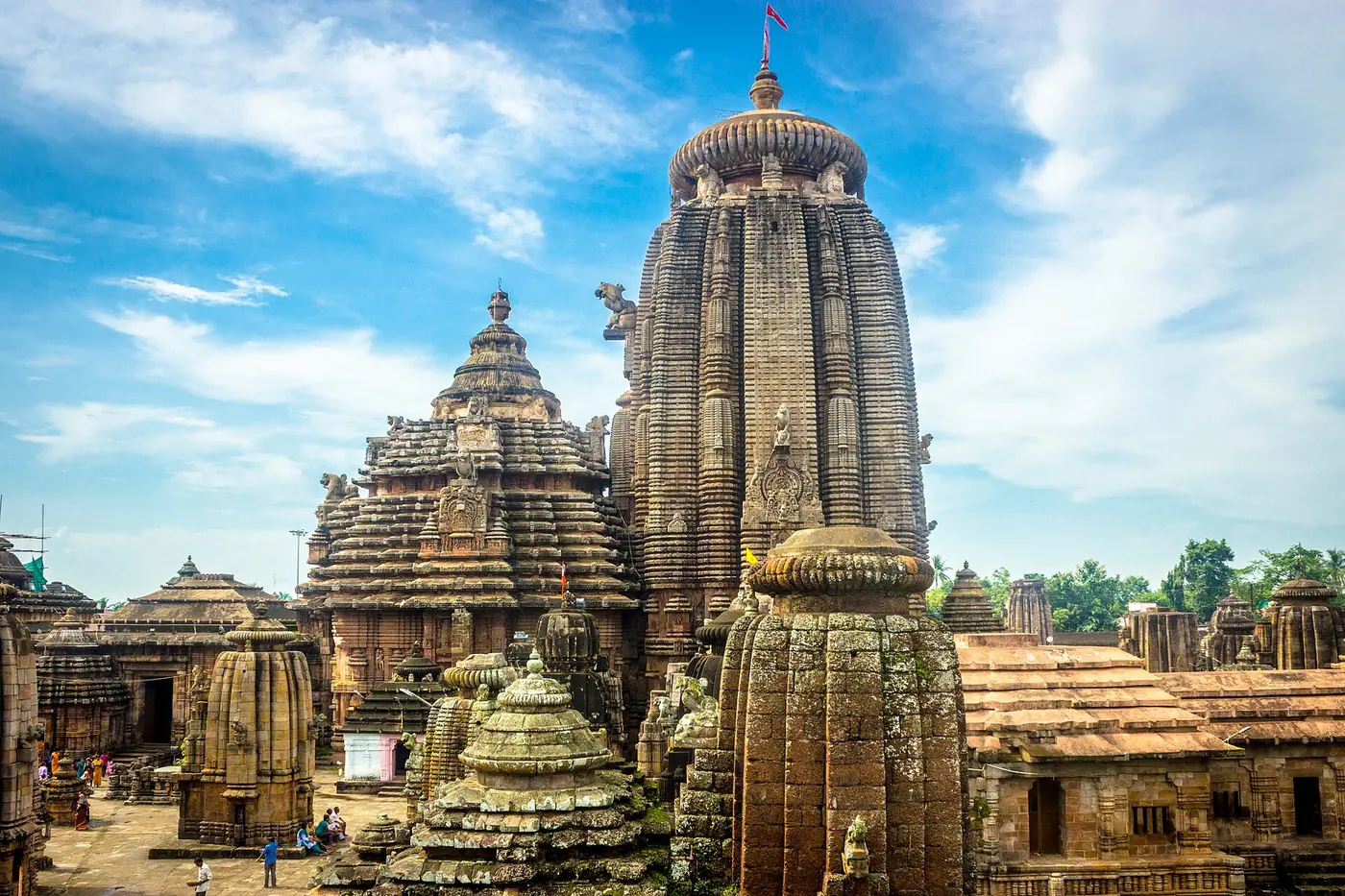
Ramanathaswamy Temple Guide: Rameswaram Jyotirlinga, 22 Theerthams and the Great Corridor
A complete guide to the Ramanathaswamy Temple at Rameswaram, Tamil Nadu: why Rama worshipped Shiva here, the Ramalingam and Vishwalingam, the 22 sacred wells, the world-famous pillared corridors, the Kashi-Rameswaram pilgrimage, festivals and how NRI families can plan a visit.
Quick answer: The Ramanathaswamy Temple stands on Rameswaram island in Ramanathapuram district, Tamil Nadu, at the southern tip of India. Shiva is worshipped here as Ramanathaswamy, the lord worshipped by Rama, with Goddess Parvathavardhini. It is one of the twelve Jyotirlingas and one of the four Char Dham pilgrimages, and it is also a Paadal Petra Sthalam sung by the Nayanmars. The temple is famous for its 22 sacred theerthams (wells) and for its vast pillared corridors, often called the longest of any temple in the world. Check the temple's official website for current timings.
For many Hindu families abroad, a pilgrimage to Rameswaram, often paired with Kashi, is a lifetime goal, and the place where rites for ancestors are performed. This guide covers the legends, what to see and how to plan.
Ramanathaswamy at a glance
| Detail | Information |
|---|---|
| Deity | Shiva as Ramanathaswamy |
| Consort | Goddess Parvathavardhini |
| Location | Rameswaram island, Ramanathapuram district, Tamil Nadu |
| Status | Jyotirlinga, Char Dham, Paadal Petra Sthalam |
| Lingams | Ramalingam (made by Sita) and Vishwalingam (brought by Hanuman) |
| Sacred waters | 22 theerthams inside; Agni Theertham (sea) outside |
| Famous feature | Pillared corridors of roughly 1,200 metres |
| Historical patrons | Pandyas, later the Sethupathi rulers of Ramnad |
The legend of Rameswaram
After defeating Ravana in Lanka, Rama returned to the mainland with Sita, Lakshmana and Hanuman. Because Ravana was a learned Brahmin and devotee of Shiva, the sages advised Rama to worship Shiva to cleanse himself of the sin of killing him. Rama sent Hanuman to Mount Kailash to bring a lingam.
Hanuman's journey took longer than the auspicious time allowed, so Sita fashioned a lingam from the sand of the seashore, and Rama worshipped it. This is the Ramalingam in the main sanctum. When Hanuman returned with his lingam and was disappointed, Rama consoled him by installing it as well, the Vishwalingam (or Kashi lingam), and decreed that devotees should worship Hanuman's lingam first. That custom is followed to this day.
Rameswaram is also linked with the building of the Rama Setu, the bridge to Lanka described in the Ramayana. Dhanushkodi, at the island's tip, and many sites around Rameswaram are associated with episodes from the epic.
Architecture and the great corridors
The temple's origins are ancient, and it was celebrated in the Tevaram hymns of the Nayanmars. The present structure grew over centuries, with major contributions by the Pandya kings and, from the seventeenth and eighteenth centuries, by the Sethupathi rulers of Ramanathapuram (Ramnad), who were hereditary guardians of the temple and of the route to it.
The most famous feature is the set of three prakaram corridors. The outer corridors together run to roughly 1,200 metres, lined with tall, richly carved pillars on raised platforms, and they are widely described as the longest temple corridors in the world. Walking them in the early morning, when the stone is cool and the lamps are lit, is unforgettable.
- Main sanctum of Ramanathaswamy (Ramalingam).
- Shrine of the Vishwalingam, worshipped first.
- Shrine of Goddess Parvathavardhini.
- Large Nandi near the main shrine.
- Towering gopurams on the east and west, and the three pillared corridors.
The 22 theerthams
Rameswaram is a theertha kshetra, a place of sacred waters. Within the temple there are 22 theerthams, wells and tanks each linked with a deity, sage or story. Pilgrims traditionally bathe in the sea at Agni Theertham outside the east gate first, then enter the temple in wet clothes and are doused with water drawn from each of the 22 wells in sequence before darshan.
- The bath is believed to purify body and mind before meeting the Lord.
- Temple staff draw the water by bucket; there is an official procedure and ticket for the theertham bath.
- Carry a full change of clothes and a bag for wet ones; changing facilities are available.
- Women may prefer to wear a salwar or saree that is comfortable when wet.
Ancestral rites and the Kashi-Rameswaram yatra
Rameswaram is one of India's most important places for pitru karma, rites for departed ancestors. Many families perform tarpanam and shraddha at Agni Theertham or with priests on the island, especially on Amavasya days.
The traditional Kashi-Rameswaram yatra links this temple with Kashi Vishwanath in Varanasi. Pilgrims take sand from Rameswaram to immerse in the Ganga at Kashi, and bring Ganga water back to offer to Ramanathaswamy, completing the circle. NRI families often split this into two trips.
Festivals at Rameswaram
- Maha Shivaratri: a major festival with special worship and processions.
- Thirukalyanam: the celestial wedding of Shiva and Parvathavardhini, celebrated in the Tamil month of Aadi.
- Navaratri: worship of the goddess. Navratri 2026 runs from 11 to 19 October, with Dussehra on Tuesday 20 October.
- Amavasya days: especially Thai and Aadi Amavasya, when crowds come for ancestral rites.
- Karthika month: lamps and Shaiva observances. See our Karthika Masam 2026 guide.
How to reach Rameswaram
By air: Madurai is the nearest major airport and has international and domestic connections; Rameswaram is a few hours away by road.
By rail: Rameswaram has its own railway station connected to Madurai, Chennai and other cities. The rail line crosses the Pamban channel to the island, a famous journey across the sea.
By road: The road bridge over the Pamban channel links the island to the mainland. Buses and taxis run from Madurai, Ramanathapuram and other towns.
Planning tips for NRI families
- Stay at least one night so you can do the sea bath, theertham bath and darshan without rushing.
- Avoid Amavasya days and long weekends if you want a quieter visit.
- Dress code is traditional: dhoti or kurta-pyjama for men, saree or salwar for women.
- Book priests for ancestral rites through reliable channels and agree on the rites in advance.
- Keep mobile phones and bags secure; follow the temple's rules on what may be taken inside.
- Visit Dhanushkodi and the Pamban bridge viewpoint in daylight.
Frequently asked questions
Why is Rameswaram a Jyotirlinga?
Ramanathaswamy is counted among the twelve Jyotirlingas, the self-luminous forms of Shiva named in the traditional Dwadasha Jyotirlinga Stotram. It is the southernmost of the twelve. It is also one of the four Char Dham pilgrimages, with Badrinath, Puri and Dwarka.
Who installed the lingam at Rameswaram?
According to tradition, Lord Rama worshipped Shiva here after the war with Ravana. When Hanuman's journey to Kailash for a lingam was delayed, Sita fashioned a lingam from sand, the Ramalingam, which Rama worshipped. Hanuman's lingam, the Vishwalingam, was also installed, and Rama directed that it be worshipped first.
What are the 22 theerthams?
They are 22 sacred wells and water bodies within the temple, each associated with a deity or story. Pilgrims are traditionally doused with water from each in turn before darshan. Many first bathe in the sea at Agni Theertham, just outside the east entrance.
How long is the Ramanathaswamy temple corridor?
The temple's pillared outer corridors together run to roughly 1,200 metres and are often described as the longest temple corridors in the world, lined with hundreds of carved pillars.
What is the Kashi-Rameswaram yatra?
It is the traditional pilgrimage linking Kashi (Varanasi) and Rameswaram. Pilgrims take sand from Rameswaram to Kashi and Ganga water from Kashi to offer at Rameswaram, symbolically uniting the north and south of Bharat.
Editor's note
Editor's note (5 October 2026): This guide has been restored at its original address after the earlier version was lost. It covers well-established facts about Ramanathaswamy's legend, architecture, theerthams and festivals. We have not listed darshan or theertham timings, ticket prices or contact details, which change; please check the temple's official website before you travel.
Related guides
Share this with family and friends
Send it on WhatsApp, post it, or copy the link.
More from Temples
- Famous Temples in West Bengal: A Source-Checked Guide to Kalighat, Dakshineswar, Tarapith, Bansberia, Bishnupur and More
- Famous Temples in Uttar Pradesh: A Source-Checked Guide to Kashi, Ayodhya, Mathura-Vrindavan, Gorakhpur and Kanpur
- Famous Temples in Gujarat: A Source-Checked Guide to Somnath, Dwarka, Dakor, Ambaji, Modhera and More
- Famous Temples in Madhya Pradesh: A Source-Checked Guide to Mahakaleshwar, Omkareshwar, Khajuraho, Orchha and Datia
- Famous Temples in Kerala: A Source-Checked Guide to Guruvayur, Padmanabhaswamy, Vadakkunnathan, Attukal, Sabarimala and 70 More
You might also like
Ramanathaswamy: Divine Mysteries & Soul-Stirring Miracles of the Rameswaram Jyotirlinga
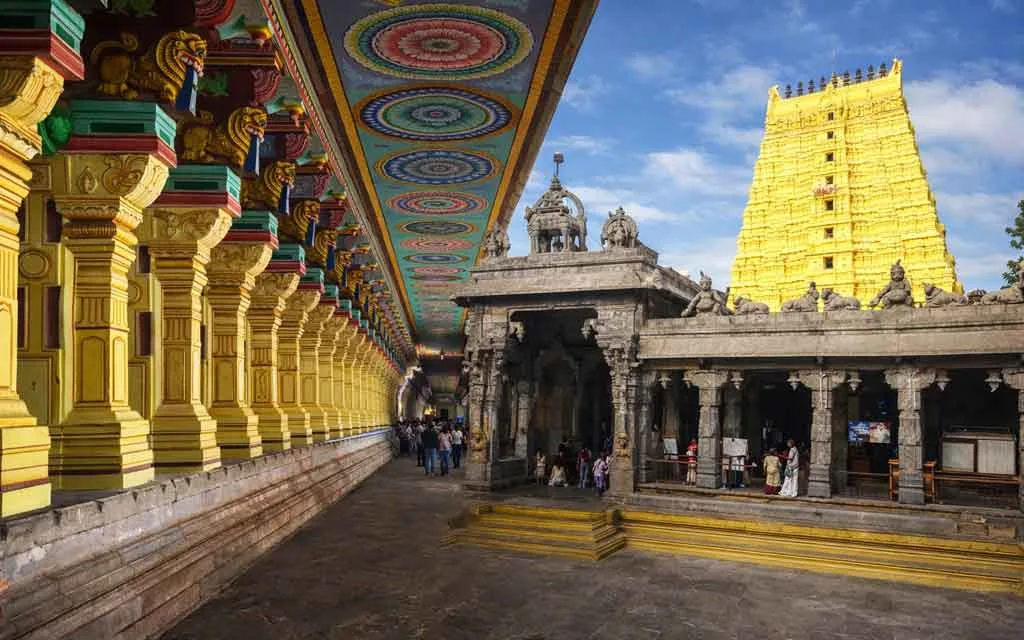
The Eternal Bridge of Faith: The Epic Story of Ramanathaswamy Temple, Rameshwaram – Home to the World’s Longest Temple Corridor
Famous Temples in Uttarakhand: A Source-Checked Guide to Kedarnath, Badrinath, Tungnath, Haridwar, Almora and More