Mantras for Health, Healing and Recovery from Long Illness: Maha Mrityunjaya, Dhanvantari, Surya and Hanuman Prayers
Prayers Hindu families say for a loved one who is ill, or for their own recovery: the Maha Mrityunjaya mantra (Rigveda 7.59.12), the Dhanvantari prayer, Surya and Aditya Hridayam verses, the Hanuman Chalisa, a gentle daily routine, a samagri list, and why prayer must go together with your doctor's treatment.
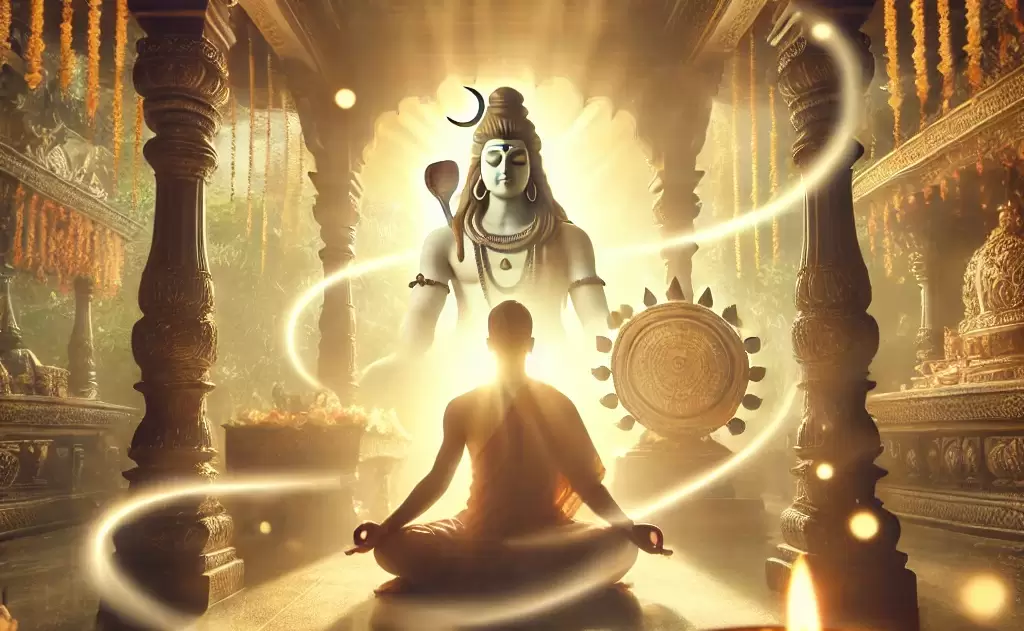
When illness lasts a long time, prayer gives many Hindu families strength and hope. Patients and their relatives turn to Shiva as Mrityunjaya, the conqueror of death, to Dhanvantari, the deity of Ayurveda, to Surya, and to Hanuman. This guide gives these prayers with verified text, a gentle routine and a simple puja.
Last updated: 25 October 2026. We rewrote this guide with verified Sanskrit, added a daily routine, a samagri list and puja steps, and removed claims that mantras cure diseases or boost immunity. Prayer is a support; it does not replace your doctor.
Please read first
- Keep your treatment: never stop or change medicines because of a ritual or a remedy someone suggests. Ask your doctor first.
- Prayer and medicine go together: many doctors welcome prayer that keeps a patient calm and hopeful.
- Emergencies: if there is chest pain, breathlessness, sudden weakness or confusion, call emergency services first.
- Rest matters: a tired patient can listen to the prayers instead of chanting them.
Prayers at a glance
| Prayer | Deity | Source | When it is often said |
|---|---|---|---|
| Maha Mrityunjaya mantra | Shiva | Rigveda 7.59.12 | Daily, especially Mondays |
| Dhanvantari prayer | Dhanvantari (form of Vishnu) | Popular devotional chant | Daily, and on Dhanteras |
| Om Suryaya Namah; Aditya Hridayam | Surya | Valmiki Ramayana (Aditya Hridayam) | At sunrise, Sundays |
| Hanuman Chalisa | Hanuman | Tulsidas | Tuesdays and Saturdays |
| Gayatri mantra | Savitr (the Sun) | Rigveda 3.62.10 | At sunrise |
1. The Maha Mrityunjaya mantra
Addressed to Shiva as Tryambaka, the three-eyed one, this Rigvedic verse is the best-known Hindu prayer for health and protection:
ॐ त्र्यम्बकं यजामहे सुगन्धिं पुष्टिवर्धनम्। उर्वारुकमिव बन्धनान्मृत्योर्मुक्षीय माऽमृतात्॥
oṃ tryambakaṃ yajāmahe sugandhiṃ puṣṭivardhanam| urvārukamiva bandhanānmṛtyormukṣīya mā'mṛtāt||
Meaning: We worship the three-eyed One, fragrant, who increases nourishment. As a ripe cucumber is released from its stem, may He release us from death, and not from immortality.
- Many families chant it 108 times in the morning after a bath, facing east.
- Offer water or milk and bilva leaves to a Shiva lingam, and light a ghee lamp.
For a full guide, see Maha Mrityunjaya mantra.
2. Dhanvantari, the deity of Ayurveda
Dhanvantari, who rose from the churning of the ocean holding the pot of amrita, is honoured as a form of Vishnu and the deity of Ayurveda. His day is Dhanteras, which falls on Friday 6 November 2026 (Drik). Families say this popular prayer to him; we have not traced it to a single published scripture, so it is given as a devotional chant:
Mantra:
Om Namo Bhagavate Vasudevaya
Dhanvantaraye Amrita Kalasha Hastaya
Sarva Bhaya Nivaranaya
Sarva Roga Nivaranaya
Sarva Roga Haraaya Namo Namah
(ॐ नमो भगवते वासुदेवाय धन्वंतरये अमृत कलश हस्ताय सर्व भय निवारणाय सर्व रोग निवारणाय सर्व रोग हराय नमो नमः)
Meaning: Salutations to Lord Vasudeva as Dhanvantari, who holds the pot of nectar, who removes all fear and all disease; salutations again and again. See also Dhanvantari mantra for health.
ॐ नमो भगवते वासुदेवाय॥
oṃ namo bhagavate vāsudevāya||
Meaning: Om, salutations to Lord Vasudeva. A short Vishnu mantra many patients find easy to repeat.
3. Surya: the Sun and the Aditya Hridayam
ॐ सूर्याय नमः॥
oṃ sūryāya namaḥ||
Meaning: Om, salutations to Surya.
The Aditya Hridayam, taught to Rama by the sage Agastya, praises the Sun in verse 5 as calming worry and grief and increasing long life:
सर्वमङ्गलमाङ्गल्यं सर्वपापप्रणाशनम् ।
चिन्ताशोकप्रशमनं आयुर्वर्धनमुत्तमम् ॥ ५॥
sarvamaṅgalamāṅgalyaṃ sarvapāpapraṇāśanam |
cintāśokapraśamanaṃ āyurvardhanamuttamam || 5||
Meaning: It is the most auspicious of all auspicious things, it destroys all sins, it calms anxiety and sorrow, and it is the best for increasing life.
The Surya Kavacham opens with a similar traditional promise of health:
याज्ञवल्क्य उवाच ।
शृणुष्व मुनिशार्दूल सूर्यस्य कवचं शुभम् ।
शरीरारोग्यदं दिव्यं सर्वसौभाग्यदायकम् ॥ १॥
yājñavalkya uvāca |
śṛṇuṣva muniśārdūla sūryasya kavacaṃ śubham |
śarīrārogyadaṃ divyaṃ sarvasaubhāgyadāyakam || 1||
Meaning: Yajnavalkya said: Listen, best of sages, to the auspicious armour of Surya, which gives health to the body and all good fortune. These verses express traditional belief; they are not medical claims.
- Offer water (arghya) to the rising sun from a copper vessel, if you are able to stand.
- Sit in gentle morning sunlight only if your doctor agrees; some medicines make the skin sensitive to sun.
4. Gayatri mantra
The Gayatri (Rigveda 3.62.10) is addressed to Savitr, the divine Sun, and asks for an illumined mind:
Mantra:
Om Bhur Bhuvah Swah
Tat Savitur Varenyam
Bhargo Devasya Dheemahi
Dhiyo Yonah Prachodayat
(ॐ भूर्भुवः स्वः तत्सवितुर्वरेण्यं भर्गो देवस्य धीमहि धियो यो नः प्रचोदयात्)
Meaning: We meditate on the glorious light of the divine Savitr; may he inspire our understanding.
5. Hanuman Chalisa
Hanuman is prayed to for strength and courage in hard times. The two opening dohas of the Hanuman Chalisa:
श्रीगुरु चरन सरोज रज निज मनु मुकुरु सुधारि ।
बरनऊँ रघुबर बिमल जसु जो दायकु फल चारि ॥
śrīguru carana saroja raja nija manu mukuru sudhāri |
baranaūm̐ raghubara bimala jasu jo dāyaku phala cāri ||
बुद्धिहीन तनु जानिके सुमिरौं पवनकुमार ।
बल बुद्धि बिद्या देहु मोहिं हरहु कलेस बिकार ॥
buddhihīna tanu jānike sumirauṃ pavanakumāra |
bala buddhi bidyā dehu mohiṃ harahu kalesa bikāra ||
Meaning: Cleaning the mirror of my mind with the dust of my guru's lotus feet, I sing the pure glory of Rama, which gives the four fruits of life. Knowing myself to be without wisdom, I remember you, son of the wind: give me strength, intelligence and knowledge, and take away my troubles and faults.
ॐ हं हनुमते नमः॥
oṃ haṃ hanumate namaḥ||
Samagri for a simple prayer at home or by the bedside
| Item | Use | In a hospital |
|---|---|---|
| Picture of Shiva, Dhanvantari, Vishnu or Hanuman | Focus of the prayer | A small picture on the bedside table |
| Ghee lamp and incense | Deepa and dhupa | Not allowed; use an LED lamp or none |
| Bilva leaves, tulasi or flowers | Offerings | Flowers only if the ward allows |
| Vibhuti or kumkum | Prasad applied to the forehead | A small pinch, if the patient wishes |
| A mala of 108 beads | Counting japa | A finger-count is fine |
| A copper vessel of water | Arghya to the sun; achamanam | Not needed |
A gentle daily routine
- Morning: after a bath (or a wash, if bathing is hard), light a lamp and chant the Maha Mrityunjaya mantra 11, 21 or 108 times.
- Sankalpa: pray in your own words for the patient's healing, for the doctors and nurses, and for the family's strength.
- Medicines on time: treat the doctor's instructions as part of your discipline.
- Midday: a short Om Namo Bhagavate Vasudevaya, or listening to the Vishnu Sahasranama.
- Evening: the Hanuman Chalisa, especially on Tuesdays and Saturdays.
- Before sleep: a few minutes of slow breathing with "Om", without strain.
When a family member is ill
- Relatives can take a sankalpa and chant on the patient's behalf.
- Many temples perform Mrityunjaya homam or abhishekam in the patient's name on request.
- Look after yourself as a carer: eat, sleep and share the load with others.
Conclusion
Chanting these mantras with faith and devotion can aid in recovery from long-term diseases. Consistency is key when using mantras for healing purposes. For best results, maintain a daily practice, perform the chants in a peaceful environment, and combine the practice with proper medical care.
Frequently asked questions
Which mantra is chanted for health and recovery?
The Maha Mrityunjaya mantra from the Rigveda (7.59.12) is the prayer most widely chanted for health and protection. Families also pray to Dhanvantari, the deity of Ayurveda, recite the Aditya Hridayam to the Sun, and read the Hanuman Chalisa for strength.
Can mantras cure a disease?
No mantra replaces medical treatment. Hindus pray for healing as an act of faith, and many patients find that prayer brings calm, hope and strength. Keep taking your medicines and follow your doctor's advice.
Can I chant for someone else who is ill?
Yes. Families often chant the Maha Mrityunjaya mantra or recite the Hanuman Chalisa for a sick relative, taking a sankalpa in the person's name. Temples also perform Mrityunjaya homam on request.
How many times should I chant the Maha Mrityunjaya mantra?
A common practice is 108 times a day. Some families chant 11 or 21 times when time or strength is limited. A patient who is tired can listen to a recording or chant silently.
Can a patient chant while lying down?
Yes. Comfort comes first. A patient can chant silently or listen to a recording while resting; there is no rule against praying from a bed.
Should I fast to pray for recovery?
A person who is ill should not fast unless the doctor agrees. Family members who wish to fast should also choose a gentle form, such as fruit and milk, especially if they are elderly, pregnant or diabetic.
Who can chant these mantras?
Anyone may chant them with faith. Learn the correct pronunciation of the Sanskrit from an elder, a priest or a recording.
Editor's note (25 October 2026): This guide was rewritten. The Maha Mrityunjaya mantra (Rigveda 7.59.12) and the short name mantras come from our checked mantra list; Aditya Hridayam verse 5, Surya Kavacham verse 1 and the Hanuman Chalisa dohas are copied from sanskritdocuments.org. The Dhanvantari prayer is a popular chant that we could not trace to a single scripture, and is labelled as such. We removed an unsourced Surya seed mantra and claims that mantras cure illness or boost immunity. This page is not medical advice.
Share this with family and friends
Send it on WhatsApp, post it, or copy the link.
More from Pooja, Slokas and Mantras
- Sri Venkatesa Vijayarya Saptavibhakti Stotram: Full Text in Telugu, Sanskrit and IAST with Meaning
- Deeparadhana: Significance of Lighting the Lamp, Deepam Jyoti Parabrahma Meaning, Oil and Wicks
- Narmadashtakam (Sabindu Sindhu) by Adi Shankaracharya: Full Text in Sanskrit with Meaning
- Hari Stotram (Jagajjalapalam) by Swami Brahmananda: Full Text in Sanskrit with Meaning
- Ganeshashtakam (Yato Anantashakteh) from the Ganesha Purana: Full Text with Meaning
You might also like
Mahishasura Mardini Stotram (Aigiri Nandini): Full Sanskrit Lyrics, IAST and Meaning
Which Hindu Mantra Should I Chant Daily? 7 Core Mantras (+ More), Meanings and a Beginner's Guide
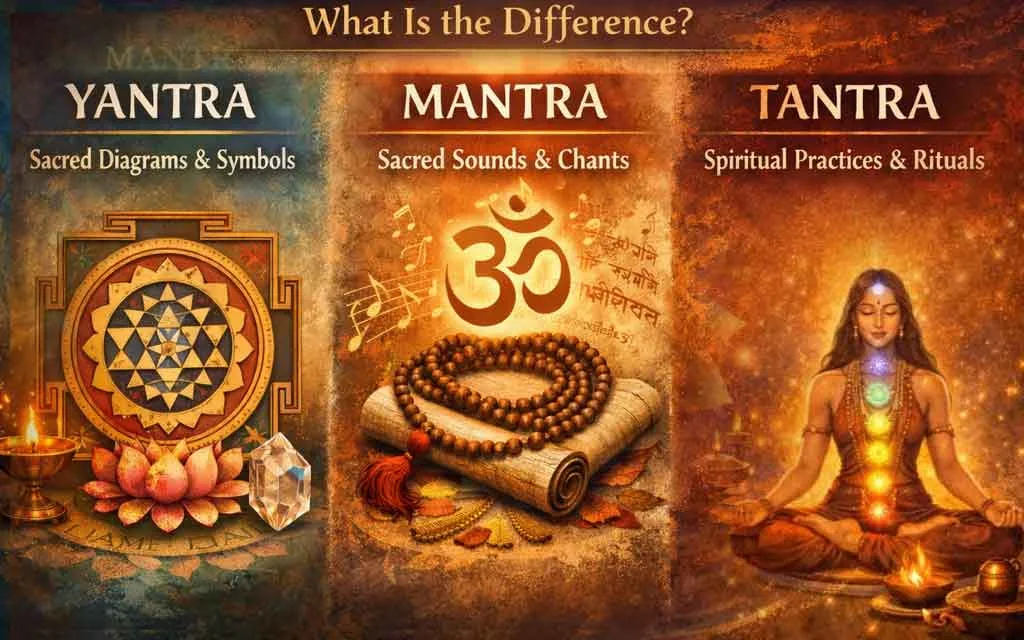
Yantra vs Mantra vs Tantra — What Is the Difference? | Complete Hindu Guide