Mantras and Poojas for Debt Relief and Recovering Money: Rinamochana Mangala Stotram, Lakshmi, Ganesha and Kubera Prayers
The prayers families say when money is stuck in bad debts or loans: the Rinamochaka (Runa Vimochana) Mangala Stotram from the Skanda Purana with meaning, Kanakadhara Stotram, Lakshmi, Ganesha, Hanuman, Durga and Kubera mantras, a Tuesday puja vidhi, and practical steps to recover money safely.
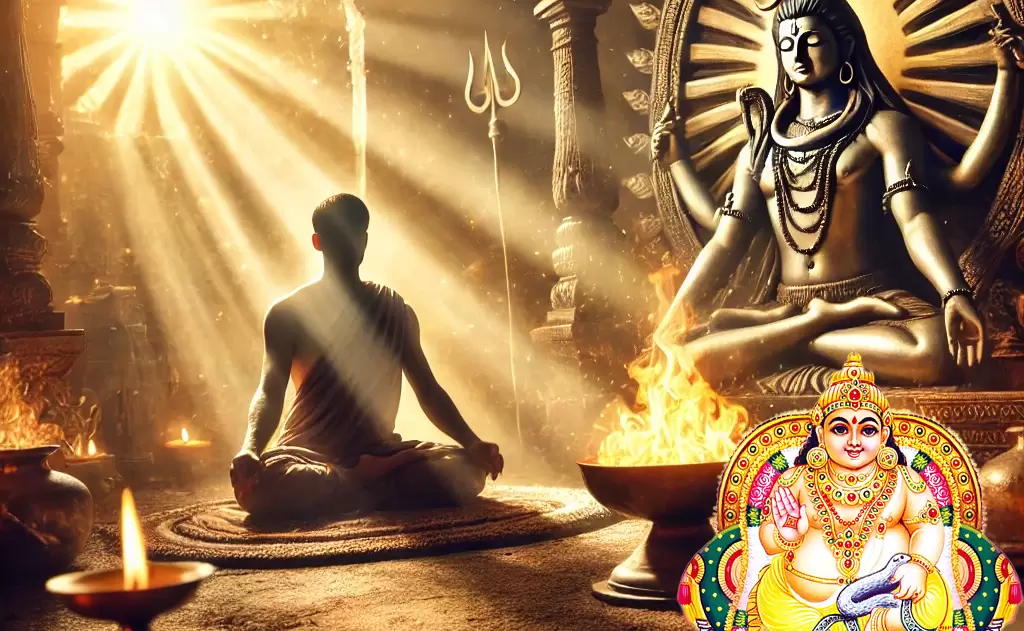
In Hindu tradition, families facing money troubles, whether their own loans or money that others owe them, turn to prayer to the deities for patience, courage and a way forward. This guide gathers the prayers most often used for debt relief, with verified texts, a simple puja and practical steps. Prayer can steady the mind; it cannot guarantee repayment, so use it alongside sound financial and legal advice.
Last updated: 25 October 2026. This update adds the verified Rinamochana Mangala Stotram with meaning, a verified Kanakadhara verse, a Tuesday vidhi, samagri and practical recovery steps, and removes mantras we could not trace to a text.
Quick guide: which prayer, which day
| Prayer | Deity | Traditional day | Why it is chosen |
|---|---|---|---|
| Rinamochana Mangala Stotram | Mangala (Angaraka) | Tuesday | Names Mangala "the remover of debts" |
| Kanakadhara Stotram | Lakshmi | Friday | Shankara's prayer that brought a shower of gold |
| Om Gam Ganapataye Namah | Ganesha | Any day, first | Removes obstacles |
| Om Shrim Mahalakshmyai Namah | Lakshmi | Friday | Prosperity and home |
| Om Ham Hanumate Namah | Hanuman | Tuesday / Saturday | Courage for hard conversations |
| Om Dum Durgayai Namah | Durga | Tuesday / Friday | Protection and strength |
| Kubera mantra (popular) | Kubera | Thursday / Friday | Guardian of wealth |
1. Rinamochana Mangala Stotram (Runa Vimochana Angaraka Stotram)
This is the stotram most Telugu families know for debt relief. It praises Mangala (Mars, also called Angaraka, Kuja and Bhauma), "son of the Earth, remover of debts, giver of wealth". Sanskritdocuments.org gives it as from the Skanda Purana, spoken by Bhargava. Its key verses:
मङ्गलो भूमिपुत्रश्च ऋणहर्ता धनप्रदः ।
स्थिरासनो महाकायः सर्वकर्माविरोधकः ॥ १॥
maṅgalo bhūmiputraśca ṛṇahartā dhanapradaḥ |
sthirāsano mahākāyaḥ sarvakarmāvirodhakaḥ || 1||
लोहितो लोहिताक्षश्च सामगानां कृपाकरः ।
धरात्मजः कुजो भौमो भूतिदो भूमिनन्दनः ॥ २॥
lohito lohitākṣaśca sāmagānāṃ kṛpākaraḥ |
dharātmajaḥ kujo bhaumo bhūtido bhūminandanaḥ || 2||
अङ्गारको यमश्चैव सर्वरोगापहारकः ।
वृष्टेः कर्ताऽपहर्ता च सर्वकामफलप्रदः ॥ ३॥
aṅgārako yamaścaiva sarvarogāpahārakaḥ |
vṛṣṭeḥ kartā'pahartā ca sarvakāmaphalapradaḥ || 3||
Meaning of verses 1–3 (in brief): these are twenty-one names of Mangala: the auspicious one, son of the Earth, remover of debts, giver of wealth, steady, mighty, who does not obstruct any good work; the red one with red eyes, kind to Sama singers, born of the Earth, Kuja, Bhauma, giver of prosperity, joy of the Earth; Angaraka, Yama, remover of illness, who gives and withholds rain, and grants all wishes.
एतानि कुजनामानि नित्यं यः श्रद्धया पठेत् ।
ऋणं न जायते तस्य धनं शीघ्रमवाप्नुयात् ॥ ४॥
etāni kujanāmāni nityaṃ yaḥ śraddhayā paṭhet |
ṛṇaṃ na jāyate tasya dhanaṃ śīghramavāpnuyāt || 4||
Meaning: the stotram's own promise (phalashruti) is that one who reads these names of Kuja daily with faith will not fall into debt and will soon gain wealth. This is the text's traditional praise, not a guarantee.
अङ्गारक महाभाग भगवन्भक्तवत्सल ।
त्वां नमामि ममाशेषमृणमाशु विनाशय ॥ ७॥
aṅgāraka mahābhāga bhagavanbhaktavatsala |
tvāṃ namāmi mamāśeṣamṛṇamāśu vināśaya || 7||
ऋणरोगादिदारिद्र्यं ये चान्ये ह्यपमृत्यवः ।
भयक्लेशमनस्तापा नश्यन्तु मम सर्वदा ॥ ८॥
ṛṇarogādidāridryaṃ ye cānye hyapamṛtyavaḥ |
bhayakleśamanastāpā naśyantu mama sarvadā || 8||
Meaning of verses 7–8: O Angaraka, blessed Lord, loving to your devotees, I bow to you: swiftly remove all my debt. May debt, illness, poverty, untimely dangers, fear, trouble and mental anguish always leave me.
Text from sanskritdocuments.org (Rinamochaka Mangala Stotram, 12 verses); meanings are in our own words. Verse 5 of the stotram is the same as the Mangala verse of the Vyasa Navagraha Stotram.
Tuesday vidhi for the Rinamochana stotram
- Morning: bathe and wear clean clothes; red is Mangala's colour.
- Altar: a picture of Subrahmanya (Kartikeya), Hanuman or the Navagrahas; a red cloth, red flowers and a lamp.
- Ganesha first: chant "Om Gam Ganapataye Namah" (below).
- Sankalpa: pray to be free of debt by honest means, and for the wisdom to manage money well.
- Recite: read the full 12-verse stotram once, or verses 1–4 and 7–8 three times.
- Offer: red flowers, a little jaggery and toor dal (Mangala's grain).
- Daanam: many families give red lentils or food to someone in need.
- Repeat: many keep it for 11 or 21 Tuesdays.
See also Mangal Dosha remedies on Tuesday. If you keep a Tuesday fast, keep it light, drink water, and check with your doctor first if you are pregnant, elderly, diabetic or on medication.
2. Kanakadhara Stotram for prosperity
Adi Shankaracharya is said to have sung the Kanakadhara Stotram for a poor woman who gave him her only amla fruit; the legend says Lakshmi answered with a shower of golden amlas. Families recite it on Fridays for prosperity. Verse 1:
अङ्गं हरेः पुलकभूषणमाश्रयन्ती
भृङ्गाङ्गनेव मुकुलाभरणं तमालम् ।
अङ्गीकृताखिलविभूतिरपाङ्गलीला
माङ्गल्यदाऽस्तु मम मङ्गलदेवतायाः ॥ १॥
aṅgaṃ hareḥ pulakabhūṣaṇamāśrayantī
bhṛṅgāṅganeva mukulābharaṇaṃ tamālam |
aṅgīkṛtākhilavibhūtirapāṅgalīlā
māṅgalyadā'stu mama maṅgaladevatāyāḥ || 1||
Meaning (in brief): As a bee settles on the buds of the tamala tree, Lakshmi's glance rests on Hari, whose body thrills at it. May that playful glance of the Goddess of auspiciousness, which holds all wealth, bring me good fortune. Read the full Kanakadhara Stotram.
- Recite it on Fridays, or daily for 21 days, in the early morning.
- Light a ghee lamp and offer rice grains, flowers and a yellow cloth to Goddess Lakshmi.
3. Lakshmi and Lakshmi-Narayana prayers
Verified Lakshmi name mantra:
ॐ श्रीं महालक्ष्म्यै नमः॥
oṃ śrīṃ mahālakṣmyai namaḥ||
Many families also chant this popular Lakshmi chant on Fridays: "Om Shreem Hreem Shreem Kamale Kamalalaye Praseed Praseed Shreem Hreem Shreem Om Mahalakshmyai Namah". It is a devotional form rather than a quotation from a single text, so learn it from your family or purohit.
- Chant 108 times on Fridays, for example for 11 Fridays.
- Light a ghee lamp and offer white or lotus flowers to a Lakshmi-Narayana picture.
4. Ganesha, remover of obstacles
Ganesha is honoured first in every puja. Verified mantra:
ॐ गं गणपतये नमः॥
oṃ gaṃ gaṇapataye namaḥ||
- Chant 108 times, especially on Wednesdays and on Sankashti Chaturthi.
- Offer red flowers, durva grass and a modak or jaggery to Ganesha.
5. Hanuman, for courage
Hanuman is prayed to for courage and steadiness when facing hard conversations. Verified name mantra:
ॐ हं हनुमते नमः॥
oṃ haṃ hanumate namaḥ||
- Chant on Tuesdays and Saturdays, preferably in the evening.
- Offer sindoor, a sesame-oil lamp and bananas, or read the Hanuman Chalisa.
6. Durga, for protection
Verified Durga name mantra:
ॐ दुं दुर्गायै नमः॥
oṃ duṃ durgāyai namaḥ||
- Chant 108 times daily for nine days, starting on a Tuesday or Friday.
- Offer red flowers, a coconut and sweets to a Durga picture.
7. Kubera mantra (popular)
Lord Kubera is the guardian of wealth. The popular Kubera mantra is "Om Yakshaya Kuberaya Vaishravanaya Dhanadhanyadhipataye Dhanadhanyasamriddhim Me Dehi Dapaya Swaha": "To Kubera, lord of the yakshas, son of Vishravas, lord of wealth and grain: grant me abundance of wealth and grain." Many families chant it 108 times on Thursdays or Fridays. See the Kubera mantra guide.
Samagri for a simple debt-relief puja
| Item | Use |
|---|---|
| Ganesha picture, and a Lakshmi or Subrahmanya / Hanuman picture | Altar |
| Ghee lamp; a sesame-oil lamp on Tuesdays and Saturdays | Deepam |
| Red flowers (Tuesday), lotus or white flowers (Friday) | Pushpa puja |
| Turmeric, kumkum, akshata | Archana |
| Toor dal and jaggery (Tuesday); rice and a sweet (Friday) | Naivedyam |
| A printed text of the stotram | Reading without mistakes |
| A notebook | For your repayment or recovery plan, kept beside the altar |
Practical steps to recover money or clear debts
- Keep records: collect messages, bank transfers, receipts and any written agreement.
- Talk calmly: a polite, clear conversation or written reminder with a date often works best.
- Agree a plan: offer instalments in writing if the person cannot pay at once.
- Take legal advice: if repayment stops, a lawyer can explain options such as a legal notice or a civil claim in your country.
- Your own loans: list every loan with its interest rate, repay the costliest first, and avoid new high-interest borrowing.
- Get expert help: a registered financial adviser or credit counsellor can help you restructure loans.
- Beware of scams: never pay anyone who promises to "remove debt" through rituals for money.
Conclusion
The Rinamochana Mangala Stotram, the Kanakadhara Stotram and the name mantras of Lakshmi, Ganesha, Hanuman and Durga have comforted many families through money troubles. Chant them with faith and sincerity, keep steady, practical steps alongside, and seek good advice: that combination gives the best chance of peace and of setting things right.
Also read: Lakshmi mantra for money and Sri Suktam with meaning.
Frequently asked questions
Which stotram is chanted for relief from debts?
The Rinamochaka Mangala Stotram, known in Telugu homes as the Runa Vimochana Angaraka Stotram, is the best-known prayer for freedom from debt. It praises Mangala (Mars), "the remover of debts and giver of wealth". Sanskritdocuments.org gives it as from the Skanda Purana. Its key verses are given above.
On which day should I chant the Rinamochana stotram?
Tuesday, Mangala's day, is traditional. Many people chant it every Tuesday morning, some for 11 or 21 Tuesdays, often after a visit to a Subrahmanya or Hanuman temple.
Can mantras help recover money someone owes me?
Prayer can bring patience, courage and a calm mind for difficult conversations. It cannot force anyone to repay or replace the law. Keep written records, send a clear reminder and take legal advice if needed.
Should I fast on Tuesdays for debt relief?
Some devotees keep a light Tuesday fast with one meal. It is optional. Drink enough water, and people who are pregnant, elderly, diabetic or on regular medication should check with a doctor before fasting.
Which Lakshmi stotram is chanted for prosperity?
The Kanakadhara Stotram of Adi Shankaracharya and the Sri Suktam are the most widely chanted. Many families recite Kanakadhara on Fridays.
Is there a Ganesha mantra for debt?
Ganesha is invoked first as the remover of obstacles with "Om Gam Ganapataye Namah". Many families also read the Rinamochana Ganapati stotram from their prayer books; learn it from a reliable printed text.
Who can chant these prayers?
Anyone can chant them with faith, regardless of age or gender. Learn the pronunciation from an elder, a purohit or a reliable recording.
Editor's note (25 October 2026): This guide was rewritten with the Rinamochaka Mangala Stotram (text from sanskritdocuments.org, which attributes it to the Skanda Purana), Kanakadhara Stotram verse 1 and verified name mantras, a Tuesday vidhi, samagri and practical steps. We removed a Ganesha mantra with a grammatical error and a Hanuman mantra we could not trace, and softened wording that promised recovery of money.
Share this with family and friends
Send it on WhatsApp, post it, or copy the link.
More from Pooja, Slokas and Mantras
- Sri Durga Parameshwari Stotram: Sanskrit Verses, Meaning and Devotional Significance
- Sri Venkatesa Vijayarya Saptavibhakti Stotram: Full Text in Telugu, Sanskrit and IAST with Meaning
- Deeparadhana: Significance of Lighting the Lamp, Deepam Jyoti Parabrahma Meaning, Oil and Wicks
- Narmadashtakam (Sabindu Sindhu) by Adi Shankaracharya: Full Text in Sanskrit with Meaning
- Hari Stotram (Jagajjalapalam) by Swami Brahmananda: Full Text in Sanskrit with Meaning
You might also like
Mahishasura Mardini Stotram (Aigiri Nandini): Full Sanskrit Lyrics, IAST and Meaning
Which Hindu Mantra Should I Chant Daily? 7 Core Mantras (+ More), Meanings and a Beginner's Guide
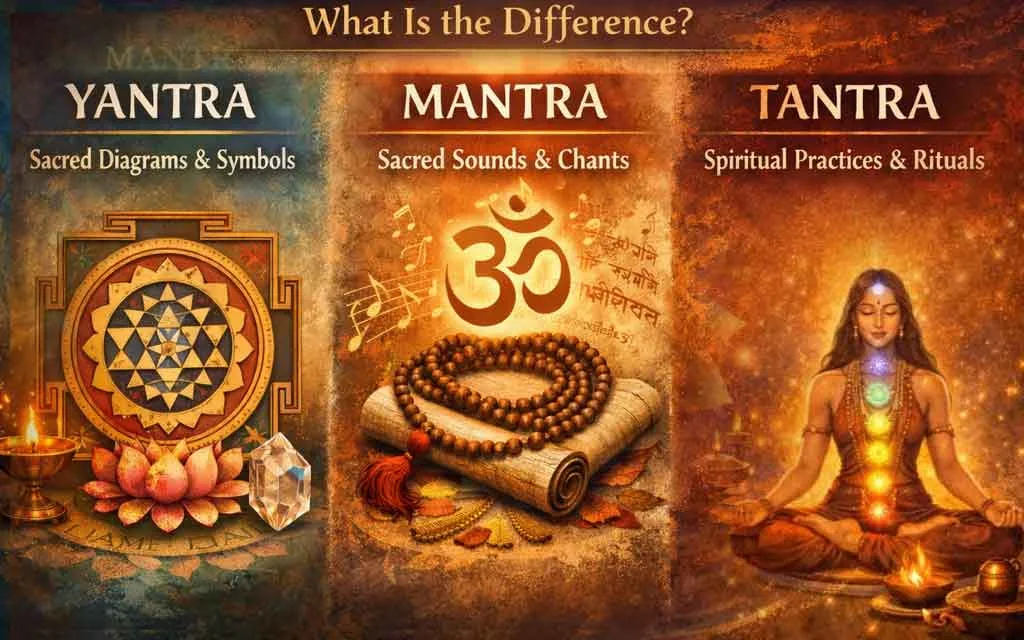
Yantra vs Mantra vs Tantra — What Is the Difference? | Complete Hindu Guide