
What to Eat During a Hindu Fast: Food Rules by Vrat
Quick answer: Hindu fasts (vrats) differ in what they allow. On Ekadashi and Navratri most people avoid grains and pulses and eat phalahar: fruit, milk, potatoes, sago and flours such as buckwheat and water chestnut, with rock salt. Karva Chauth is usually kept without food or water until moonrise.

Quick answer: Hindu fasts (vrats) differ in what they allow. On Ekadashi and Navratri most people avoid grains and pulses and eat phalahar: fruit, milk, potatoes, sago and flours such as buckwheat and water chestnut, with rock salt. Karva Chauth is usually kept without food or water until moonrise. Sankashti and Pradosh fasts end in the evening after the puja. Family custom and health always come first.
| Key facts | |
|---|---|
| Word | Vrat or vratam, a vow; upavasa, fasting |
| Common fast food | Phalahar (fruit-based food): fruit, milk and curd, potatoes, sweet potato, sago (sabudana), makhana, nuts, buckwheat (kuttu), water chestnut flour (singhara), amaranth (rajgira), barnyard millet (samak) |
| Salt | Many use rock salt (sendha namak) instead of table salt |
| Usually avoided | Rice, wheat and other grains, pulses, onion, garlic, meat, eggs, alcohol |
| Health | Pregnant women, children, older people and anyone with a medical condition should ask a doctor before fasting |
Why the rules differ
A vrat is a vow, and the vow defines the fast. Some vrats are kept without any food or water until a set moment (sunrise, moonrise, the end of the puja). Others allow one meal, or fruit and milk only, or a special set of "fasting foods". The same vrat is kept differently by different families, regions and sampradayas. The table below describes common practice, not a rule binding on everyone.
Fasting food rules at a glance
| Vrat | How it is commonly kept | Commonly eaten | Commonly avoided | When the fast ends |
|---|---|---|---|---|
| Ekadashi | Full fast, water only, or phalahar; Nirjala Ekadashi without water | Fruit, milk, potatoes, sabudana, makhana, kuttu, singhara, rajgira, samak, nuts | Rice above all; all grains and pulses | Parana on Dwadashi, the next morning, within the parana window |
| Navratri | Phalahar for nine days, or on the first and last days; some eat one meal | Kuttu, singhara, rajgira and samak dishes, sabudana, potatoes, fruit, milk, curd | Grains, pulses, onion, garlic, table salt, alcohol | Daily after evening puja, or after Kanya Pujan on Ashtami or Navami |
| Maha Shivaratri | Full fast or phalahar, often with a night vigil | Fruit, milk, sabudana, potatoes, makhana | Grains, pulses, onion, garlic | The next morning after the puja |
| Karva Chauth | Without food or water from sunrise | Sargi eaten before dawn | All food and water during the day | After sighting the moon and offering water to it |
| Sankashti Chaturthi | Fast through the day | Fruit, milk, sabudana; some eat nothing | Grains for many | After moonrise and the Ganesha puja |
| Pradosh vrat | Fast through the day | Fruit and milk | Grains for many | After the evening (pradosh) Shiva puja |
| Somavar (Monday) and Sawan Somvar | One meal, or fruit and milk | Fruit, milk, one sattvic meal | Onion, garlic; grains for some | Evening, after the Shiva puja |
| Karthika Somavaram (Telugu) | Fast through the day | Water, fruit, milk for some | Grains until evening | After sunset or after seeing the stars, with lamp-lighting |
| Tuesday (Mangalvar) | One meal | A sweet or simple meal, often without salt | Salt for some; non-vegetarian food | After the Hanuman puja |
| Janmashtami | Fast until midnight | Phalahar; panchamrit and makhan prasad after the puja | Grains | After the midnight birth puja, or the next morning |
| Varalakshmi Vratam | Fast until the puja is complete | Water, fruit, milk | Food until after the puja | After the puja, with the naivedyam as the first meal |
Check the dates and any local timing (such as moonrise or parana) on the festival's own page, as they change every year and by city.
Common "vrat" ingredients and what they are
| Ingredient | What it is | Used for |
|---|---|---|
| Kuttu ka atta | Buckwheat flour (not a true grain) | Kuttu puri, pakoras |
| Singhara atta | Water chestnut flour | Puri, halwa, roti |
| Rajgira | Amaranth seed and flour | Rajgira paratha, laddoos |
| Samak or sama chawal | Barnyard millet, "vrat rice" | Samak rice khichdi, kheer |
| Sabudana | Sago, tapioca pearls | Sabudana khichdi, sabudana vada, kheer |
| Makhana | Fox nuts, lotus seeds | Roasted snacks, makhana kheer |
| Sendha namak | Rock salt | Seasoning all vrat food |
Whether samak, buckwheat and other "vrat grains" are allowed on a given fast is itself a family custom. Some strict observers avoid them too.
Practical notes for fasting abroad
- Shopping: kuttu, singhara, rajgira, samak, sabudana and rock salt are sold at Indian grocers in the USA, UK, Canada, Australia, the Gulf and Southeast Asia, especially before Navratri.
- Cross-contact: buckwheat and other flours are often packed in plants that also process wheat. If you are keeping a strict no-grain fast, or avoiding gluten, check the label.
- Work days: plan a filling phalahar breakfast and carry fruit, nuts or yogurt.
- Time zones: the moment a fast ends (moonrise, parana time) is local. Use the city-wise times on the festival pages.
Health and safety
Fasting is a religious practice, not a medical treatment, and this page makes no health claim for it. Anyone who is pregnant or breastfeeding, diabetic, on regular medication, unwell, elderly, or a child should talk to a doctor before fasting and may keep a lighter vrat (fruit and milk, or one meal). Traditions generally allow this. Drink water unless your vrat is a waterless one, and stop the fast if you feel faint.
Frequently asked questions
Can I eat rice on Ekadashi?
Traditionally no. Avoiding rice and other grains is the most widely kept Ekadashi rule. Many families also avoid pulses.
Why is rock salt used during fasts?
Rock salt (sendha namak) is treated as a pure, unprocessed salt in many traditions, while ordinary table salt is avoided on fasting days. Customs vary.
Can I drink tea or coffee during a vrat?
Many people do on phalahar fasts; others avoid them. On waterless fasts such as Nirjala Ekadashi and Karva Chauth, nothing is taken.
Are potatoes allowed during Navratri?
Yes, in most homes. Potatoes, sweet potatoes and other tubers are common in Navratri vrat food. A few families avoid them.
Is a phalahar fast still a real fast?
Yes. Phalahar is a long-accepted way of keeping a vrat. The Ekadashi and Navratri traditions both include it.
Related guides
- Recipes hub
- Ekadashi fasting recipes
- Maha Shivaratri vrat recipes
- Navratri vrat recipes
- Sattvic cooking without onion and garlic
- How to offer naivedyam at home
Sources
- HinduTone festival pages linked in the table above, for each vrat's dates, timings and observance (kept consistent with them).
Customs differ widely by family, region and sampradaya. This page describes common practice and is not medical advice. Last reviewed: 12 November 2026.
Share this with family and friends
Send it on WhatsApp, post it, or copy the link.
More from Recipes
- Prasadam in an Instant Pot, Pressure Cooker or Rice Cooker
- Paal Payasam Recipe (Kerala-Style Rice and Milk Payasam)
- Coconut Laddu Recipe with Jaggery (Kobbari Laddu, Nariyal Ladoo)
- Besan Laddu Recipe (Gram Flour Laddus for Naivedyam)
- Poornalu (Boorelu) Recipe: Telugu Sweet for Festivals
You might also like
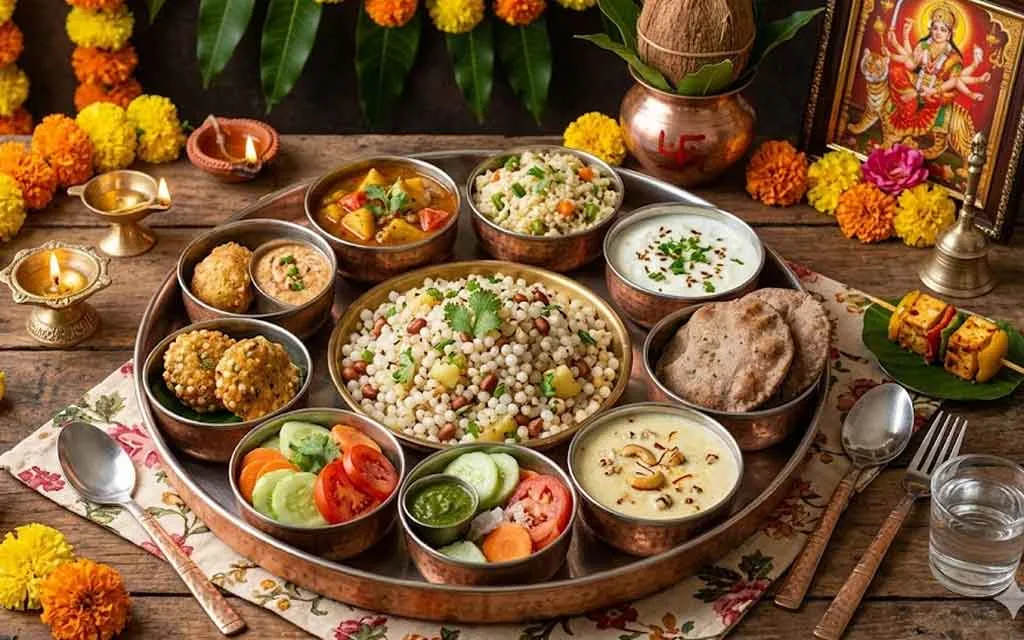
Navratri Special Vrat Recipes 2026 — 30+ Fasting Meal Ideas for 9 Sacred Nights
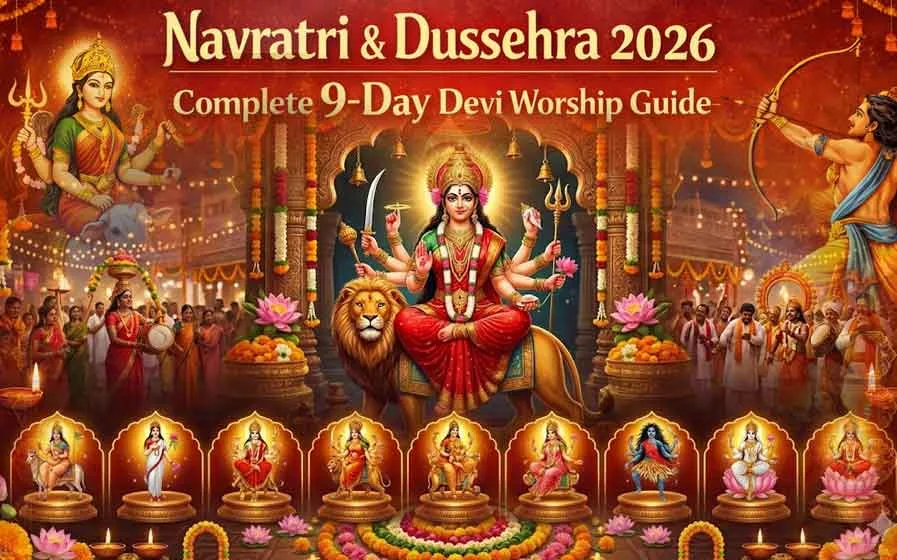
Navratri Fasting Rules 2026: Vrat Food List, What to Eat and What to Avoid (11 to 19 October)
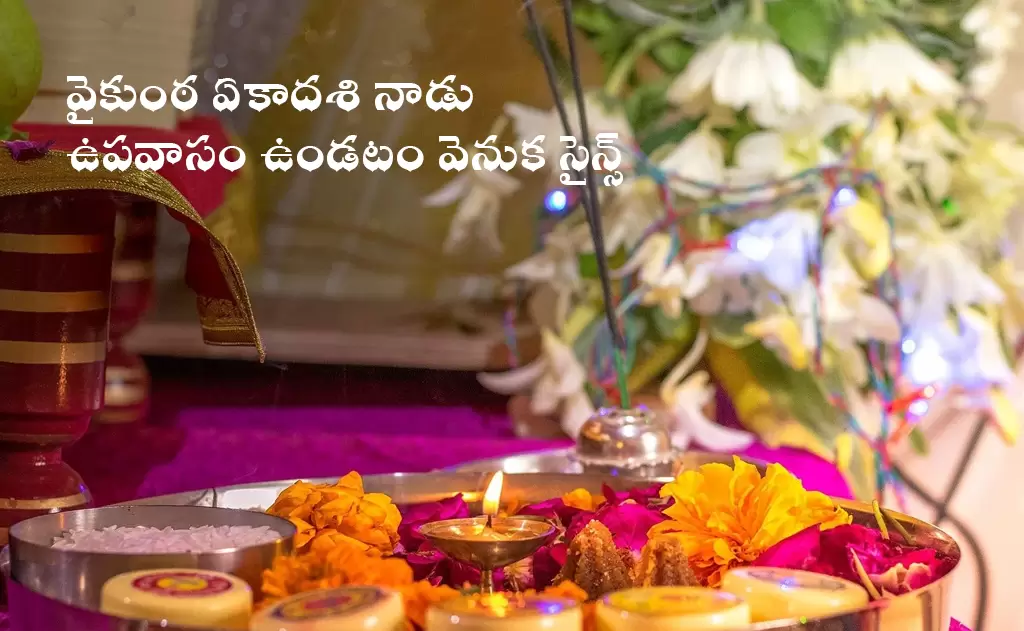
Nirjala Ekadashi 2026: Vrat Rules, Benefits & Waterless Fast Guide (June 25)
