Baby Names A
Boy Names Aarav – Peaceful, calm Aditya – Sun god Arjun – Bright, shining, warrior Ansh – A part of Ayaan – Gift of God Aakash – Sky Abhay – Fearless Amit –…
Boy Names Aarav – Peaceful, calm Aditya – Sun god Arjun – Bright, shining, warrior Ansh – A part of Ayaan – Gift of God Aakash – Sky Abhay – Fearless Amit –…
Boy Names
- Aarav – Peaceful, calm
- Aditya – Sun god
- Arjun – Bright, shining, warrior
- Ansh – A part of
- Ayaan – Gift of God
- Aakash – Sky
- Abhay – Fearless
- Amit – Infinite, boundless
- Aryan – Noble
- Arnav – Ocean, sea
Girl Names
- Anaya – Caring, protection
- Aishwarya – Prosperity, wealth
- Aarohi – Musical tune
- Anjali – Offering with both hands
- Akshara – Eternal, indestructible
- Avni – Earth
- Amrita – Immortal, divine nectar
- Aaradhya – Worshipped, revered
- Anvi – Goddess Lakshmi
- Ashita – River Yamuna
What do these Sanskrit name roots actually mean in Vedic tradition?
Many of the names listed here draw directly from Sanskrit, the sacred language of the Vedas. For instance, Aarav derives from the root 'rava,' meaning sound or melody, and by extension a serene, peaceful presence — a quality celebrated in the Sama Veda, which treats harmonious sound as divine. Aditya refers to the solar deity, a son of Aditi, and appears extensively in the Rigveda's Aditya Hridayam hymns as a symbol of illuminating truth.
Arnav, meaning ocean, connects to the Vedic concept of the cosmic waters (āpah) described in the Nasadiya Sukta of the Rigveda — primal, boundless, and life-giving. Akshara, meaning eternal or indestructible, appears in the Bhagavad Gita (Chapter 15) where Krishna describes the imperishable Brahman as 'Akshara.' Choosing such a name is, in this sense, an invocation of a profound philosophical concept from the moment of birth.
Which of these names have strong Puranic or Itihasa connections?
Arjun is among the most storied names in all of Hindu literature. The Mahabharata's central hero, Arjuna, son of Indra and Kunti, bears this name meaning 'bright' or 'pure white,' reflecting both his radiant complexion and his unswerving moral character. The Bhagavad Gita itself is a dialogue addressed to Arjuna, making this name carry the full weight of dharmic teaching.
Amrita appears repeatedly in the Puranas, most famously in the Samudra Manthan episode narrated in the Bhagavata Purana and the Vishnu Purana, where gods and demons churn the cosmic ocean to obtain amrita — the nectar of immortality. Naming a daughter Amrita thus connects her to one of Hinduism's most celebrated mythological events. Similarly, Anvi as a name for Goddess Lakshmi links to the Shri Sukta of the Rigveda, where Lakshmi is invoked as the embodiment of abundance and auspiciousness.
How are naming ceremonies (Namakarana Samskara) traditionally performed?
The Namakarana Samskara is the sacred naming ceremony, one of the sixteen Shodasha Samskaras described in the Grihyasutras. It is traditionally performed on the tenth, eleventh, or twelfth day after a child's birth, though regional customs vary — in many South Indian families, the ceremony takes place on the twenty-eighth day. The father whispers the chosen name into the child's right ear three times, and the name is formally announced to assembled family.
Astrological guidance plays a central role in this ceremony. A family priest (purohit) consults the child's birth horoscope (janam kundali) and identifies the auspicious syllable (akshar) associated with the child's natal nakshatra (birth star). Names beginning with that syllable are considered most harmonious for the child's life journey. For example, a child born under Ashwini Nakshatra is traditionally given a name beginning with 'Chu,' 'Che,' 'Cho,' or 'La,' while Rohini Nakshatra favors syllables like 'O,' 'Va,' 'Vi,' or 'Vu.'
Which temples or sacred sites are associated with the deities behind these names?
Aditya, the solar deity, is most magnificently enshrined at the Konark Sun Temple in Odisha, a UNESCO World Heritage Site built in the 13th century CE, designed as a colossal chariot for Surya with twelve pairs of stone wheels. The Suryanar Kovil near Kumbakonam in Tamil Nadu is one of the Navagraha temples specifically dedicated to the Sun and draws pilgrims seeking blessings for children named after solar deities.
Anvi, as a name for Goddess Lakshmi, connects devotees to Shri Mahalakshmi Mandir in Kolhapur, Maharashtra — one of the Shakti Peethas — and to the celebrated Padmanabhaswamy Temple in Thiruvananthapuram, Kerala, where Lakshmi is worshipped alongside Lord Vishnu. Aaradhya, meaning 'one who is worshipped,' resonates with the mood of upasana (devotional worship) central to the Bhakti tradition as expounded by Acharya Ramanuja.
Are there meaningful differences between similar-sounding names on this list?
Aaradhya and Aarohi may sound similar to new parents, but their meanings inhabit entirely different domains. Aaradhya (worshipped, revered) belongs to the language of bhakti and devotion, while Aarohi (ascending musical note) belongs to the world of Gandharva Veda — the ancient Vedic science of music. In a classical raga, the aaroha is the ascending scale, symbolising growth, aspiration, and spiritual ascent.
Likewise, Anaya (caring, protection) and Anvi (Goddess Lakshmi) are distinct despite their phonetic closeness. Anaya carries an interpersonal warmth, suitable in the tradition of names honoring qualities of character, while Anvi is directly theophoric — meaning it names the child after a deity. In the Hindu naming tradition, theophoric names (names of gods and goddesses) are considered especially auspicious, as the child is believed to be placed under the direct protection of that deity.
How do these names reflect the broader values celebrated in Sanatana Dharma?
Examining this list as a whole reveals a deliberate moral and spiritual architecture. Names like Abhay (fearlessness) and Aryan (noble) celebrate the qualities of a kshatriya ideal described in the Bhagavad Gita (Chapter 16), where Krishna enumerates divine qualities (daivi sampad): abhayam (fearlessness) heads the list. Ayaan, meaning 'gift of God,' reflects the deeply held belief that a child is not owned by parents but is a soul entrusted to them by the divine.
The girls' names on this list are particularly rich in their honoring of the natural world and cosmic forces: Avni (Earth), Ashita (River Yamuna), Arnav's feminine counterpart Anaya. The Yamuna River, from which the name Ashita derives, is venerated in Vaishnava tradition as the sister of Yama and a sacred tirtha (pilgrimage site), with Vrindavan and Mathura on her banks. Choosing such names is a quiet act of preserving reverence for nature within family culture, generation after generation.
Frequently Asked Questions
What is Baby Names?
Boy Names Aarav – Peaceful, calm Aditya – Sun god Arjun – Bright, shining, warrior Ansh – A part of Ayaan – Gift of God Aakash – Sky Abhay – Fearless Amit – Infinite, boundless Aryan – Noble Arnav – Ocean, sea Girl Names Anaya – Caring, protection Aishwarya – Prosperity, wealth Aarohi – Musical tune Anjali – Offering with both hands Akshara – Eternal, indest
What are the key points about Baby Names?
For instance, Aarav derives from the root 'rava,' meaning sound or melody, and by extension a serene, peaceful presence — a quality celebrated in the Sama Veda, which treats harmonious sound as divine. Aditya refers to the solar deity, a son of Aditi, and appears extensively in the Rigveda's Aditya Hridayam hymns as a symbol of illuminati
Why does Baby Names matter in Hinduism?
It reflects core values of Sanatana Dharma and offers practical and spiritual guidance that remains relevant across generations.
How can devotees apply Baby Names in daily life?
By reflecting on its teaching, incorporating the related practices or observances into daily routine, and approaching it with sincere devotion and understanding.
All Names Articles on HinduTone
Complete index of in-depth articles in the names cluster on HinduTone — bookmarked guides, puja vidhi posts, mantras, festival calendars and cultural deep-dives. Use these as the canonical entry points into each sub-topic:
- How To Choose Hindu Baby Name Nakshatra Rashi Numerology Namakaran
- Boys Vishvadripta
- Boys Vishvaketu
- Boys Ushapati
- Boys Kameshvaripriya
- Boys Smara
- Boys Vishvavijayine
- Boys Pushpeshava
- Boys Varadriptajagacchalyapaulastyakulakrintana
- Boys Lankasamulotkarshadadakshina
- Boys Asadhyasadhaka
- Boys Yashonidhi
- Boys Samudradbhutapurvaikabaddhasetu
- Boys Samlechchhakotibanaikashushkanirdagdhasagara
- Boys Sanagadaityabanaikavyakulikritasagara
- Boys Ahinamanasaivabhayaprada
- Boys Matrcakrapramathana
- Boys Kotivajradhikanakha
- Boys Yugantagniatibhishana
- Boys Brahmadiduhs Ahajyotis
- Boys Yantramantraikabhanjana
- Boys Ekavira
- Boys Sarvanishtharthaduhkhaghn A
- Boys Sharngadhanvan
- Boys Srishtisthityantakrit
- Boys Saptalokaikamandana
- Boys Saptalokaikajathara
- Boys Sarvasajjanananyapalaka
- Boys Sarvadushtantakrit
- Boys Asuranthaka
- Girls Lalitambika
- Girls Shivashaktyaikyarupini
- Girls Shrishiva
- Girls Shrimat Tripurasundari
- Girls Shrichakrarajanilayas
- Girls Sarvanullanghyashasana
- Girls Ajnanaddhvantadipika
- Girls Avyajakarunamurti
- Girls Viradrupa
- Girls Viraradhya
- Girls Mandarakusumapriya
- Girls Merunilaya
- Girls Patalikusumapriya
- Girls Duradarsha
- Girls Duraradhya
- Girls Priyavrata
- Girls Yajnarupa
- Girls Mukhya
- Girls Mrigakshi
- Girls Tambulapuritamukhi
- Girls Kamalakshanishevita
- Girls Kalikalmashashini
- Girls Agraganya
- Girls Devarsiganasamghatastuyanatmavaibhava
- Girls Sudhasagaramadhyastha
- Girls Panchabrahmasanasthita
- Girls Sumerumadhyashringastha
- Girls Shivakameshvaranakastha
- Girls Padadvayaprabha Jala Parakrita Saroruha
- Girls Manuvidya
- Girls Mridapriya
- Girls Doshavarjita
- Girls Duracharashamani
- Girls Dushtadura
- Girls Sukhaprada
- Girls Duhkhahantri
- Girls Durgama
- Girls Durlabha
- Boys Advaitnath
- Boys Atrish
- Boys Agnivesha
- Girls Brahmavidya
- Girls Avitha
- Girls Avishika
- Girls Avishi
- Girls Avalokita
- Girls Auruja
- Girls Atvi
- Girls Atmika
- Girls Atikrita
- Girls Ashvika
- Girls Asavari
- Girls Aryamati
- Girls Arudhati
- Girls Arnima
- Girls Shankari
- Girls Savitha
- Girls Sathi
- Girls Saralaa
- Girls Samanvi
- Girls Roohi
- Girls Ratri
- Girls Preksha
- Girls Pragyaa
- Girls Parijata
- Girls Palak
- Girls Padmika
- Girls Oshmaa
- Girls Noopur
- Girls Niramaya
- Girls Naysha
- Girls Mrinmayi
- Girls Manava
- Girls Kosha
- Girls Ketaki
- Girls Kavyaa
- Girls Ishaani
- Girls Hridayika
- Girls Hemashri
- Girls Devyaani
- Girls Vyjayanti
- Girls Vasanti
- Girls Reva
- Girls Parinita
- Girls Onima
- Girls Oja
- Girls Neelam
- Girls Kriya
- Girls Hridaya
- Girls Hitakshi
- Girls Heena
- Girls Chetna
- Boys Tanuj
- Boys Sumeet
- Boys Rithvik
- Boys Rashmik
- Boys Prabhat
- Boys Prabhas
- Boys Paramesh
- Boys Lavish
- Girls Tina
- Girls Tilakshmi
- Girls Tilana
- Girls Tilakam
- Girls Tejika
- Girls Tejaswini
- Girls Tejaswi
- Girls Tejasree
- Girls Tejasvi
- Girls Swarnalakshmi
- Girls Swarali
- Girls Swaralakshmi
- Girls Swapnil
- Girls Swapnashri
- Girls Swaha
- Girls Swapna
- Girls Swadha
- Girls Varshini
- Girls Varuni
- Girls Tripura
- Girls Velli
- Girls Vedhika
- Girls Vedavalli
- Girls Vedavati
- Girls Vatsala
- Girls Vasudhara
- Girls Vasanthi
- Girls Vaira
- Girls Vahini
- Girls Shikha
- Girls Shenoy
- Girls Shibani
- Girls Sheetal
- Girls Sheilavati
- Girls Shehzeen
- Girls Shefali
- Girls Shayani
- Girls Shatakshi
- Girls Shashirekha
- Girls Shashikala
- Girls Sharon
- Girls Sharada
- Girls Shabri
- Girls Shitala
- Girls Sharmila
- Girls Sharika
- Girls Shanta
- Girls Shloka
- Girls Shika
- Girls Sumangali
- Girls Sumalini
- Girls Suma
- Girls Sudeshna
- Girls Sudarshana
- Girls Srilakshmi
- Girls Sujani
- Girls Ritvija
- Girls Ritambara
- Girls Rishabha
- Girls Riddhima
- Girls Ratnaprabha
- Girls Ridhima
- Girls Ravija
- Girls Rati
- Girls Rampyari
- Girls Savita
- Girls Ritupriya
- Girls Rumana
- Girls Rudhira
- Girls Roopal
You might also like

Purushottam Maas 2026: Lord Vishnu's Sacred Gift of Spiritual Multiplication & Divine Grace
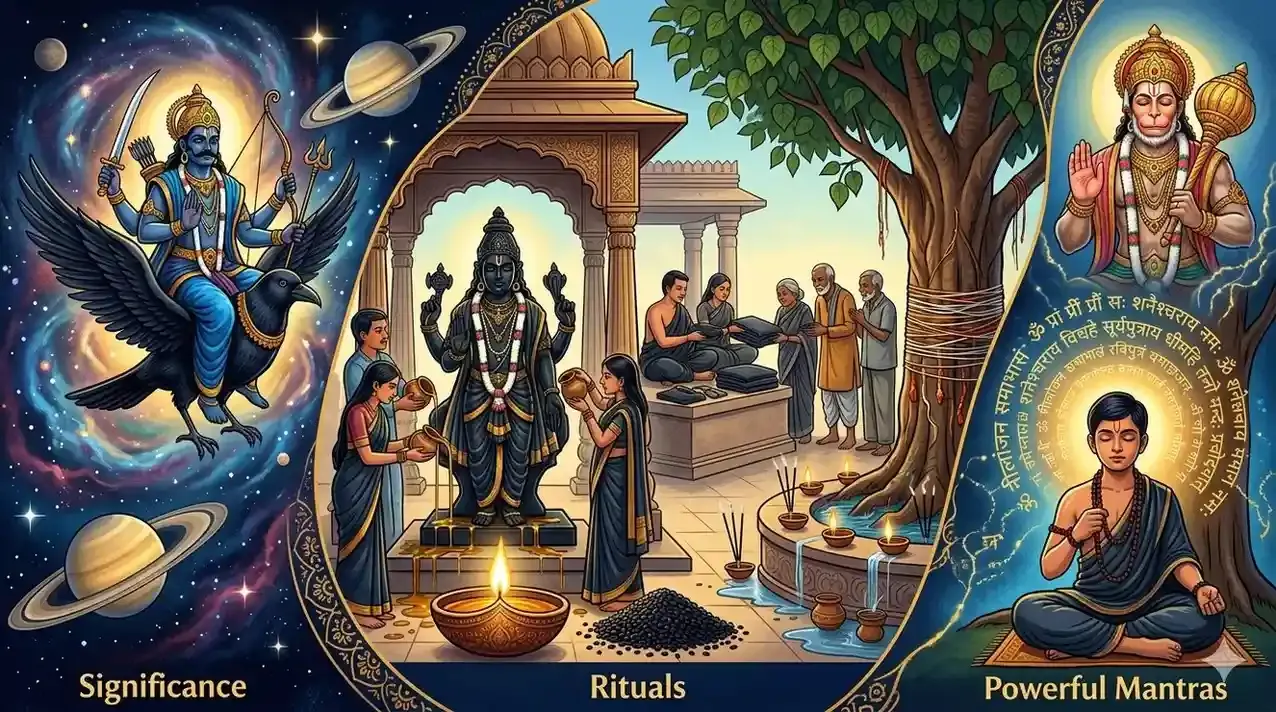
Shani Jayanti 2026: Date, Significance, Rituals & Powerful Mantras
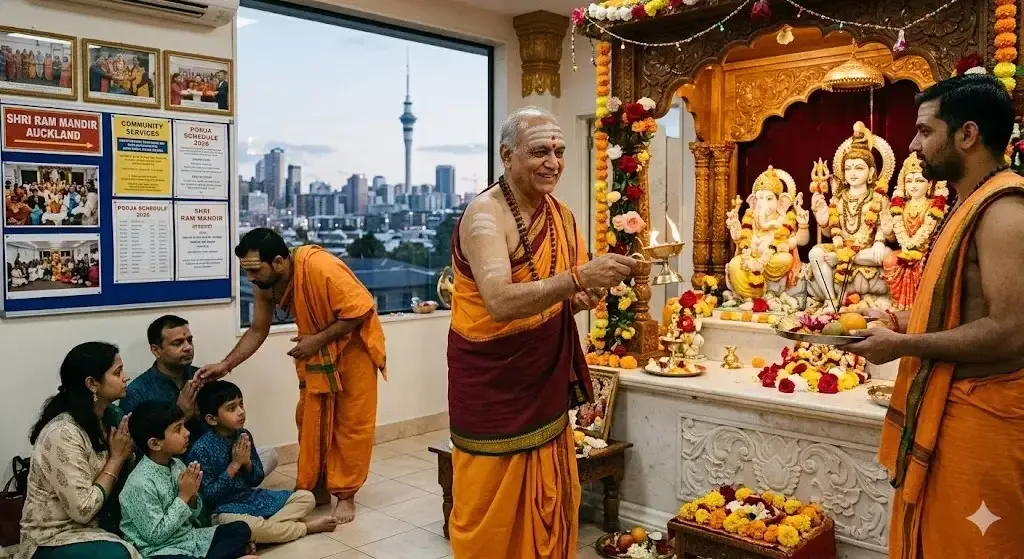
Hindu Priest Jobs New Zealand 2026 — Auckland, Wellington, Christchurch Vacancies & NZ Religious Worker Visa Guide