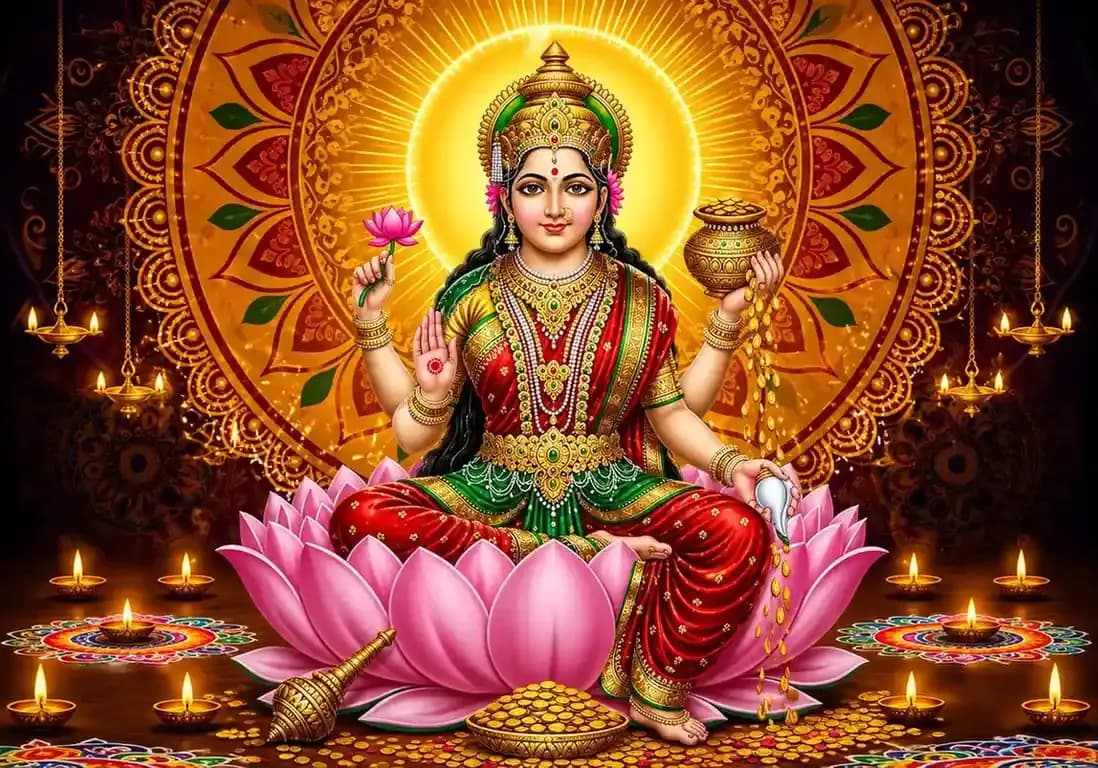
Tulsi Vivah 2026: Date, Vidhi, Story and the Start of the Wedding Season
Tulsi Vivah 2026 is on Saturday, 21 November. It is the ceremonial marriage of the Tulsi plant to Bhagwan Vishnu, and by tradition it marks the reopening of the auspicious wedding season.
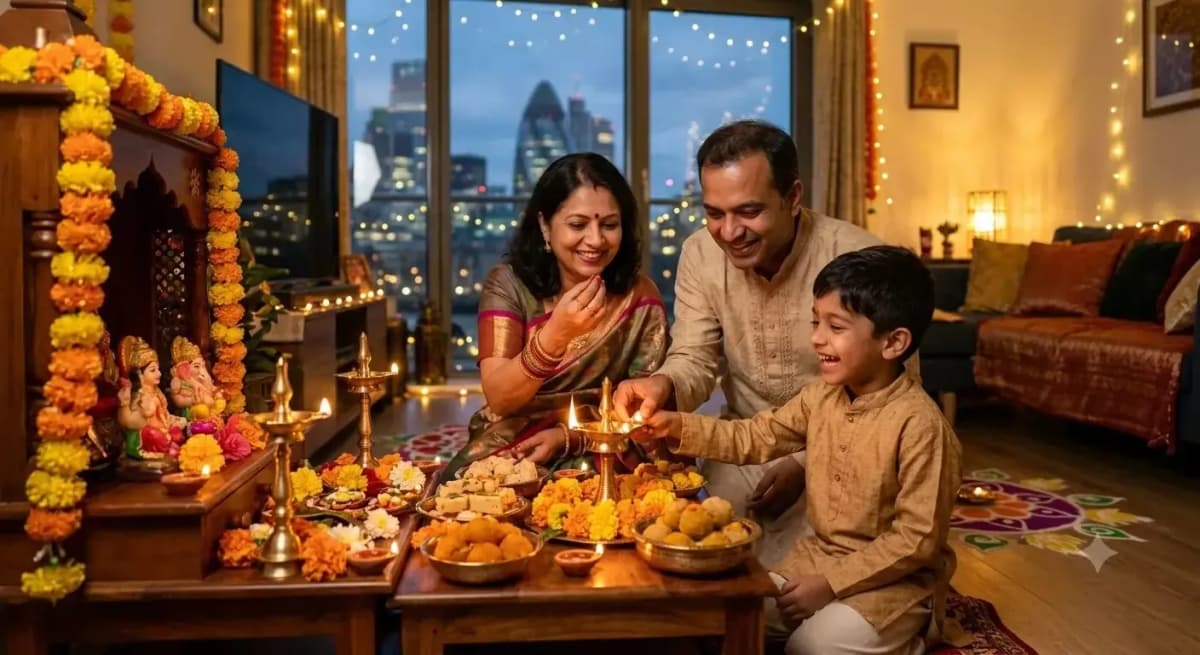
Tulsi Vivah 2026 is on Saturday, 21 November. It is the ceremonial marriage of the Tulsi plant to Bhagwan Vishnu, and by tradition it marks the reopening of the auspicious wedding season.
Quick answer: Tulsi Vivah 2026 falls on Saturday, 21 November 2026. It is the ceremonial marriage of the sacred Tulsi plant to Bhagwan Vishnu (as Shaligram), observed just after Prabodhini Ekadashi, and by tradition it reopens the season for Hindu weddings.
Tulsi Vivah is one of the most beloved observances of the Kartik month. It is the ritual marriage of the sacred Tulsi plant, honoured as the goddess Tulsi (or Vrinda), to Bhagwan Vishnu in his Shaligram form. In 2026, Tulsi Vivah falls on Saturday, 21 November. Many families treat it as the moment when the auspicious wedding season formally reopens after the Chaturmas rest.
Tulsi Vivah 2026: Quick Facts
- FestivalTulsi Vivah (Tulsi Kalyanam / Tulsi Shaligram Vivah)
- DateSaturday, 21 November 2026
- MonthKartik (Shukla Paksha)
- Associated tithiDwadashi, following Prabodhini (Dev Uthani) Ekadashi
- DeitiesGoddess Tulsi (Vrinda) and Bhagwan Vishnu / Shaligram
- Also marksTraditional reopening of the Hindu wedding season
- RegionObserved across India and by the diaspora
Note on the date: Tulsi Vivah is commonly observed on Kartik Shukla Dwadashi, the day after Prabodhini Ekadashi, but some families and temples perform it on Ekadashi itself or extend the observance across both days. Panchangs may also differ on the exact tithi window because tithis begin and end at their own hours, not at midnight. Where your family or local temple keeps a specific day, follow that practice.
Why Tulsi Vivah Marks the Start of the Wedding Season
During Chaturmas — the four sacred months when Bhagwan Vishnu is said to rest in yoga-nidra — many communities pause large auspicious events such as weddings and grihapravesh. Prabodhini Ekadashi is the day Vishnu is ceremonially awakened, and Tulsi Vivah, performed right after, celebrates a divine marriage. By tradition, this is taken as the signal that the muhurat season for weddings has reopened. Actual wedding dates still depend on individual family panchang and priestly consultation.
The Story of Tulsi and Shaligram
The most widely told account speaks of Vrinda (also called Tulsi), a devoted wife whose chastity and devotion protected her husband. Through a turn of events described in the Puranas, her devotion becomes bound to Bhagwan Vishnu, and she is honoured forever as the sacred Tulsi plant, ever dear to Vishnu. Because of this bond, no offering to Vishnu is considered complete without a Tulsi leaf, and the Tulsi Vivah re-enacts this eternal union each year. Regional versions of the story differ in detail; all present Tulsi as the emblem of purity and unwavering devotion.
Tulsi Vivah Puja Vidhi: Step by Step
The ceremony is performed like a real wedding in miniature, with the Tulsi plant as the bride and a Shaligram stone (or a small idol/image of Vishnu) as the groom. A simple household sequence is given below; temples and family priests may add or vary steps.
- Clean the Tulsi vrindavan (the pot or raised planter) and decorate it with rangoli, flowers and a small cloth mandap or canopy.
- Bathe and dress the Tulsi plant as a bride — a red or pink chunri, bangles, bindi and ornaments are traditional.
- Place the Shaligram or an image of Bhagwan Vishnu beside the Tulsi as the groom.
- Light a lamp and incense, and invoke Ganesha first, then Vishnu and Tulsi.
- Perform the symbolic wedding rites: apply haldi, tie a mangalsutra or sacred thread, and hold a small cloth (antarpat) between bride and groom, lowered as the vows are completed.
- Offer flowers, fruits, sugarcane, amla and seasonal offerings; recite Vishnu and Tulsi prayers.
- Perform the mangal pheras symbolically around the plant, and conclude with aarti.
- Distribute prasad and, as many families do, share sweets to mark the joyous occasion.
Common Offerings
- Tulsi leaves and fresh flowers
- Sugarcane, amla (Indian gooseberry) and seasonal fruits
- A red or pink chunri and small bridal ornaments for the plant
- Haldi, kumkum, akshat (rice) and a lamp
- Sweets and prasad for distribution
Who Observes and How to Observe
Traditionally, Tulsi Vivah is performed in homes that keep a Tulsi plant, often led by the women of the household, though the whole family and community take part. Some families who have no daughter perform Tulsi Vivah as the punya of giving a daughter in marriage (kanyadaan). Views differ on who should lead the rite and whether fasting is kept; contemporary practice is broad and inclusive. There is no single binding rule — follow the custom of your family and your local temple.
Fasting note: some devotees keep a light fast on Ekadashi or the Vivah day. If you observe a fast, anyone who is pregnant, elderly, unwell, or living with a medical condition such as diabetes should consult a doctor before fasting. Traditions are kept as devotion, not as a health or medical prescription.
Regional Variations
| Region / Community | How it is observed |
|---|---|
| Maharashtra | Widely celebrated as Tulsi Vivah with elaborate home ceremonies and community gatherings; considered a major Kartik observance. |
| North India | Performed on Kartik Shukla Dwadashi after Dev Uthani Ekadashi; wedding season is felt to begin here. |
| Gujarat | Observed as Tulsi Vivah with the plant dressed as a bride; often tied to Prabodhini Ekadashi festivities. |
| South India | Kept as Tulsi Kalyanam or Tulsi Shaligram Vivah in many Vaishnava households and temples, with regional puja customs. |
Mantras and Aarti
Devotees commonly chant simple Vishnu prayers such as 'Om Namo Bhagavate Vasudevaya' and traditional Tulsi salutations honouring her as dear to Vishnu, along with the Tulsi aarti sung in many homes. Longer stotras such as the Vishnu Sahasranama are recited by those who keep them; because of their length these are described here rather than reproduced. Use traditional, public-domain prayer texts and follow the words your family or temple keeps.
Lamps, Diyas and Local Rules
Many households light extra diyas and decorate the courtyard for Tulsi Vivah, continuing the festive spirit of Kartik. If your celebration includes open flame, or if any fireworks are involved in community events, remember that local law governs their use and must be checked; never use them unlawfully or unsafely, and keep lamps away from children and drapes.
However you keep it, Tulsi Vivah is a warm, joyful occasion — a small wedding at home that turns the household toward the coming season of celebrations. May your Tulsi Vivah 2026 be filled with devotion and light.
Frequently Asked Questions
When is Tulsi Vivah in 2026?
Tulsi Vivah 2026 falls on Saturday, 21 November 2026, observed in the Kartik Shukla Paksha just after Prabodhini (Dev Uthani) Ekadashi. Some families or temples keep it on Ekadashi itself, so follow your local practice.
What is Tulsi Vivah?
Tulsi Vivah is the ceremonial marriage of the sacred Tulsi plant, honoured as goddess Tulsi (Vrinda), to Bhagwan Vishnu in his Shaligram form. It is performed like a miniature Hindu wedding at home or in temples.
Why does Tulsi Vivah mark the start of the wedding season?
During Chaturmas many communities pause weddings. Prabodhini Ekadashi awakens Bhagwan Vishnu, and the divine marriage of Tulsi Vivah is by tradition taken as the signal that the auspicious muhurat season for weddings has reopened.
Who is Shaligram in Tulsi Vivah?
Shaligram is a sacred stone revered as a form of Bhagwan Vishnu. In the ceremony the Shaligram (or a small image of Vishnu) stands as the groom, married symbolically to the Tulsi plant as the bride.
Who can perform Tulsi Vivah?
Traditionally households with a Tulsi plant perform it, often led by the women of the family, with everyone taking part. Some families do it as kanyadaan. Practice is broad and inclusive — follow the custom of your family and local temple.
Is fasting required on Tulsi Vivah?
Some devotees keep a light fast on Ekadashi or the Vivah day, but it is not universally required. Anyone who is pregnant, elderly, unwell, or has a medical condition should consult a doctor before fasting.
What offerings are made at Tulsi Vivah?
Common offerings include Tulsi leaves, flowers, sugarcane, amla, seasonal fruits, a red or pink chunri and small bridal ornaments for the plant, along with haldi, kumkum, a lamp, and sweets shared as prasad.
How is Tulsi Vivah observed in different regions?
Maharashtra and Gujarat hold elaborate home ceremonies dressing the plant as a bride; North India performs it after Dev Uthani Ekadashi; many South Indian Vaishnava homes and temples keep it as Tulsi Kalyanam with regional customs.
You might also like
Rama Ekadashi 2026: Date, Vrat Katha, Puja Vidhi & Significance
Champa Shashthi 2026: Date, Khandoba Worship & Jejuri's Golden Festival
Kati Bihu 2026: Date, Rituals & Assam's Festival of Earthen Lamps